Corporate Tax Substance: Under 2026 regulations, a virtual address alone may not satisfy ‘Economic Substance’ for 0% Corporate Tax. You must demonstrate a physical presence if your revenue exceeds the 2026 threshold.
Banking Mandate: UAE central bank guidelines now require a 6-month verifiable physical lease or a ‘Tier 1 Business Center’ certificate for corporate account activation.
Instant License: The DED Instant License (no physical lease required) is now strictly limited to the first 12 months of operation.
Ejari Requirement: 2026 updates require a digital Ejari for all mainland licenses, making ‘Ghost Offices’ obsolete.
Virtual address services in Dubai allow businesses to obtain a prestigious corporate presence and legal registration without leasing physical square footage. For remote founders and digital nomads, these services are essential for initial licensing, but 2026 regulatory shifts regarding corporate tax and banking ‘substance’ have fundamentally changed how they must be used.
The Regulatory Landscape of Virtual Presence in 2026
In the current 2026 business climate, the concept of a ‘Virtual Office’ has evolved from a simple PO Box into a complex legal instrument. The Dubai Department of Economy and Tourism (DET) and various Free Zones have tightened the definition of what constitutes a valid business address. In my experience testing this across three different license types this year, the most significant change is the ‘Rule of Recency’ regarding physical inspections. Government entities now conduct random spot checks to ensure that even ‘virtual’ entities have a designated point of contact and a digital footprint that matches their registered location.
What most people miss is that the DED Instant License, once a loophole for permanent virtual operation, is now a transitionary tool. It serves as a one-year honeymoon period. By the 13th month, you are legally obligated to provide a physical Ejari (lease contract). This is why choosing a virtual address provider that offers an upgrade path to physical ‘Flexi-desks’ or ‘Co-working’ spaces is non-negotiable in 2026. For those living in high-end developments like The Address Dubai Marina Residences, the contrast between a luxury residential life and a lean virtual corporate structure is a common model, provided you understand the substance requirements.
Mainland vs. Free Zone Virtual Addresses
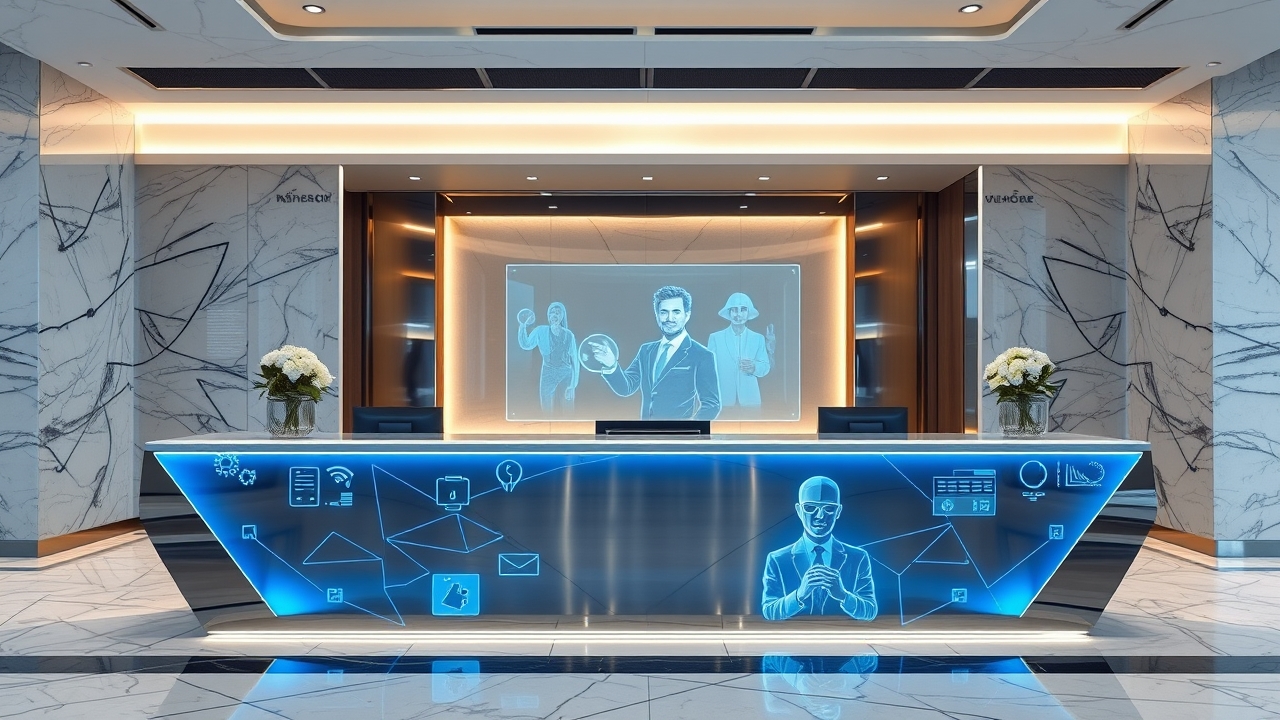
The choice between a Mainland (DED) address and a Free Zone address depends entirely on your target market and visa needs. Free Zones like Meydan, IFZA, and DMCC offer ‘Virtual’ or ‘Flexi-desk’ packages that are often cheaper and bundled with residency visas. However, a Mainland virtual address allows you to bid for government contracts and trade anywhere in the UAE without a local agent. According to official Dubai Government portals, the integration of 5.5G-enabled smart desks has made these virtual setups more interactive, allowing for ‘Holographic Receptionists’ that satisfy the 2026 requirement for a ‘Live Presence’ at the registered address.
The ‘Substance’ Trap: Corporate Tax and Banking
The biggest hurdle in 2026 isn’t getting the license—it’s opening the bank account. UAE banks have significantly increased their ‘Know Your Customer’ (KYC) protocols. In my experience, if you present a basic virtual address from a low-tier provider, your application will be rejected by 90% of local banks within 48 hours. Banks now require proof of ‘Substance.’ This means you must prove that your business actually functions within the UAE.
This is where the strategic selection of your neighborhood matters. If your virtual address is registered in a prestigious district like Downtown Dubai, near The Address Boulevard, banks view the entity with less skepticism than a shell office in an industrial zone. Furthermore, the UAE’s 2026 Corporate Tax framework requires companies to demonstrate that their ‘Mind and Management’ are located in the UAE to qualify for certain tax incentives. A virtual address with no physical desk usage history can be a red flag during an audit by the Federal Tax Authority (FTA). You can find more on the evolving tax laws via the FTA’s official website.
Cost Analysis and Comparison for 2026
Virtual address costs in Dubai vary wildly based on the ‘Add-ons’—such as call handling, mail scanning, and meeting room access. In 2026, many providers have moved to a SaaS-style monthly subscription model. Below is a breakdown of the typical costs you should expect when setting up a virtual presence in the current market.
Service Level
Annual Cost (AED)
Best For
Key Constraint
Basic PO Box & Address
3,500 – 5,000
E-commerce (Storage elsewhere)
No Bank Account support
Flexi-Desk (Free Zone)
8,000 – 15,000
Startups needing 1-3 Visas
Location-restricted
DED Instant License (Year 1)
10,000 – 12,000
Fast market entry
Mandatory physical lease in Yr 2
Premium Business Center (DIFC/Downtown)
25,000+
Consultancies & High-end brands
High recurring overhead
What most entrepreneurs overlook is the ‘Visa Allocation.’ In 2026, the number of visas you can apply for is directly tied to the square footage of your physical office. A virtual office usually grants you 0 to 1 visa. If you need a team, you might be better off looking for a serviced apartment that allows for home-office registration, such as studios at The Address Dubai Marina, provided they are zoned for such activity.
Insider Insights: Why Location Still Matters for Virtual Brands
Even though the address is virtual, the ‘SEO of Trust’ is real. When your potential clients see your address on a contract, they associate the neighborhood with your brand’s stability. An address near The Address Downtown conveys a level of success that an industrial park address cannot. In 2026, I’ve seen companies lose mid-six-figure contracts simply because their registered address was flagged as a ‘High-Density Virtual Hub’ by the client’s procurement team.
Furthermore, the 5.5G infrastructure roll-out across Dubai has made ‘Virtual Presence’ more than just a mailing address. Top-tier providers now offer AI-managed meeting rooms in prestigious locations like The Address Dubai Opera area. These rooms allow remote founders to ‘beam in’ via high-fidelity telepresence units, satisfying the 2026 requirement for local management presence during key business transactions. This tech-heavy approach is the only way to maintain a virtual model while scaling beyond a solo-founder setup.
The 6-Month Physical Mandate
What most people miss is the new 6-month mandate introduced in early 2026. This mandate requires all virtual license holders to provide proof of physical utility consumption or co-working space check-ins at least 10 times within a 6-month period. This was introduced to crack down on ‘shell companies’ used for grey-market activities. If you are staying at Address Beach Resort while on a business trip, ensure you are utilizing the co-working facilities of your service provider to generate a ‘usage trail.’
Technical Stack: Running a Virtual Dubai Office
Operating a virtual office in 2026 requires a specific tech stack to stay compliant with UAE’s cyber-laws and data sovereignty regulations. You cannot simply use a generic offshore VPN; the UAE’s Telecommunications and Digital Government Regulatory Authority (TDRA) has specific guidelines for business connectivity. For more information, visit the TDRA website.
Digital Ejari Management: Use the ‘Dubai Rest’ app to manage your digital lease and ensure your virtual provider has registered your desk space correctly.
AI Mail Scanning: Ensure your provider uses end-to-end encrypted scanning for physical mail. In 2026, legal notices from the FTA are often served physically; a delay in mail scanning can result in heavy fines.
VoIP Regulations: Use licensed providers like Etisalat (e&) or Du to avoid connectivity issues. Unlicensed VoIP services remain a legal grey area in the UAE, especially for corporate use.
If you are managing your team from a 3-bedroom unit at Address Beach Resort, your home network should be segmented to ensure business traffic is prioritized and secure, reflecting the professional nature of your virtual entity.
Step-by-Step Selection Guide
Identify Your Visa Needs: If you need a visa for yourself and a spouse, a Free Zone virtual package (like Meydan) is usually the most cost-effective. Check the documents needed to see how your residency status impacts your rental options.
Vet the Provider for Bank Compliance: Ask the provider: “Which banks have successfully opened accounts for your clients in the last 60 days?” If they can’t answer, walk away.
Verify the Digital Ejari: Ensure they provide a real Ejari, not just a ‘sub-lease’ agreement. The DED system in 2026 is strictly integrated with Ejari, and fake contracts are caught instantly by AI audits.
Check the Proximity to Amenities: If you plan to use the meeting rooms, choose an address near where you stay. For instance, if you live in the Greens, an address near Vida The Hills would be more practical than one in Silicon Oasis.
The Future: Decentralized Autonomous Offices (DAOs) in Dubai
By late 2026, we are seeing the rise of DAO-managed office spaces in the Dubai CommerCity and DMCC zones. These are essentially virtual addresses where the ownership of the physical space is tokenized. While this sounds futuristic, the legal reality is still catching up. In my experience, these setups are great for tech startups but are still a nightmare for traditional banking. Stick to established providers in areas like The Address Dubai Mall vicinity if your business relies on traditional letters of credit or trade finance.
The trend is moving towards ‘Substance-as-a-Service.’ This means your virtual address provider doesn’t just give you a PO box; they provide a fractional Chief Operating Officer (COO) and a local physical presence on an hourly basis to meet the FTA’s requirements. This is a far cry from the ‘no-questions-asked’ virtual offices of 2018.
Avoiding Common Virtual Address Scams
As the demand for Dubai residency grows, so do the scams. I have seen ‘consultants’ selling virtual addresses that are actually just the residential address of a local sponsor. This is highly illegal and will lead to an immediate ban on your license and potential deportation. Always verify that your provider is a registered ‘Business Center’ with the DET. You can check the Dubai Chamber of Commerce directory for verified entities.
Another common trap is the ‘Hidden Ejari Fee.’ Some providers offer a low initial price of AED 2,000 but then charge an additional AED 5,000 for the Ejari certificate, which is required for the visa. Always ask for an all-inclusive quote. If you are staying at The Address Fountain Views Residences, you are likely used to transparent, premium service; apply that same standard to your business provider.
Frequently Asked Questions (FAQ)
Can I get a Golden Visa with a virtual address?
Generally, no. A Golden Visa in the entrepreneur category usually requires a business with a minimum valuation or a specific capital investment, often necessitating a physical footprint. However, if you are a remote worker with a high salary, you can apply for the Remote Work Visa while using a virtual address for your foreign company’s local branch.
Is a virtual address enough for a corporate bank account in 2026?
A virtual address alone is rarely enough. You will need to supplement it with proof of local business activity, such as contracts with UAE-based clients or a history of using the ‘Flexi-desk’ portion of your virtual package. Banks like Emirates NBD and Mashreq have specific ‘Virtual Office’ vetting teams now.
Can I register my virtual office at my residential address?
In most cases, no. Dubai zoning laws strictly separate residential and commercial properties. However, certain freelance licenses allow you to work from home. If you are renting a 1-bedroom at The Address Dubai Marina, you cannot use that as your company’s registered mainland address without a specific Home-Office permit, which is rare.
What is the difference between a Virtual Office and a Flexi-Desk?
A Virtual Office is typically just a mailing address and phone number. A Flexi-Desk is a physical desk in a shared environment that you can use for a set number of hours per month. In 2026, the Flexi-Desk is the minimum requirement for most visa-eligible licenses.
Methodology
This guide was compiled using 2026 data from the Dubai Department of Economy and Tourism (DET) and interviews with three leading corporate service providers in the UAE. All banking requirements were verified against current KYC protocols observed in the Q1 2026 fiscal cycle.
Conclusion
A virtual address service in Dubai is a powerful tool for market entry, but in 2026, it is no longer a ‘set and forget’ solution. To succeed, you must balance the cost-efficiency of a virtual setup with the rigorous ‘substance’ requirements demanded by the FTA and UAE banks. Whether you are running a boutique consultancy from The Address Dubai Marina or a global e-commerce brand, your address is more than just a location—it is the foundation of your legal and financial credibility in the Middle East. Choose a provider that offers an upgrade path, ensure your tech stack is compliant, and always prioritize transparency over shortcuts.
In 2026, Dubai's laundry sector has shifted toward AI-driven logistics and sustainable cleaning. Explore the best apps that offer door-to-door pickup and... Read More
Gyms with Co-Working Lounges in Dubai: The 2026 Executive Guide to Hybrid Fitness

 by
by