

Al Reem Island: The Expat’s Guide to Short-Term Rentals
- September 22, 2026
- Hotel Apartments
A deep-dive guide for expats navigating the 2026 short-term rental market on Al Reem Island, covering the ADGM expansion, tower comparisons, and... Read More
 by Serviced Apartments
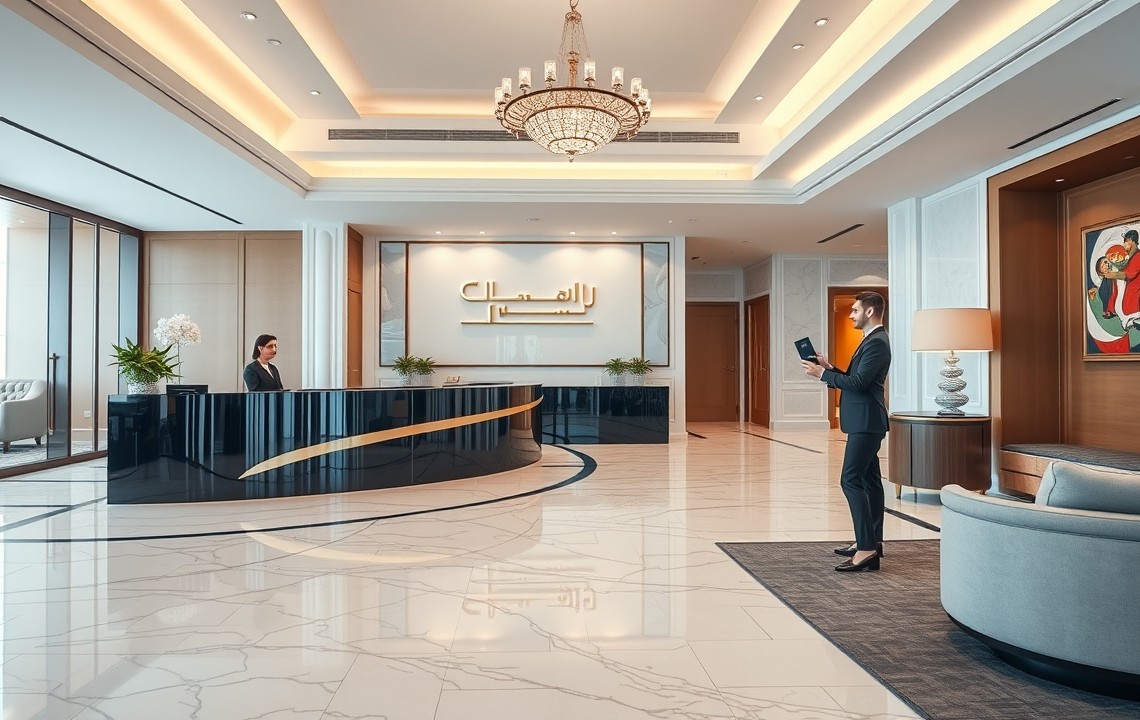
The United Arab Emirates, particularly Dubai and Abu Dhabi, has pioneered a unique hybrid of hospitality and residential living. Hotel apartments, also known as serviced apartments, offer the space and privacy of a home with the amenities and services of a hotel. However, navigating the legalities of how to rent a hotel apartment in UAE can feel daunting to the uninitiated. Unlike traditional residential leases which require extensive paperwork and Ejari registration, hotel apartments operate under the jurisdiction of tourism authorities, making the process significantly more streamlined.
Before diving into the paperwork, it is essential to understand the distinction between various types of accommodation. For instance, what are serviced apartments and apart-hotels exactly? They are fully furnished units that include housekeeping, utilities, and access to hotel facilities like gyms and pools. Because they are categorized as hospitality products, the documentation is designed for flexibility, catering to both the high-flying executive on a three-month assignment and the family on a month-long holiday.
If you are arriving from abroad and wish to rent a hotel apartment in UAE, the process is straightforward. The hospitality sector is a pillar of the UAE economy, and the Department of Economy and Tourism (DET) ensures that the check-in process is efficient for international guests.
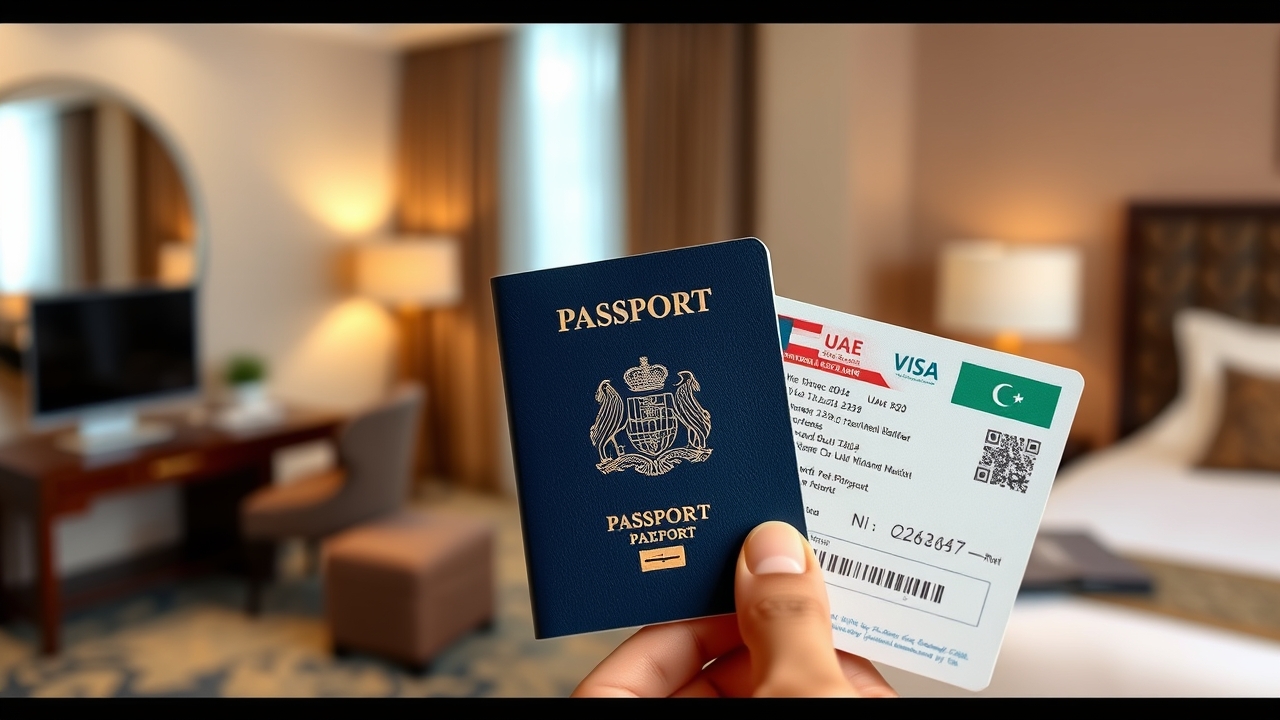
Your passport is the most critical document. It must be valid for at least six months from your date of entry. Upon arrival, the hotel apartment front desk will require the physical passport to scan it into the police system. This is a mandatory security requirement across all seven emirates.
Depending on your nationality, you may receive a visa on arrival or require a pre-arranged tourist visa. The hotel apartment will need a copy of the entry stamp in your passport or the digital visa copy. This confirms your legal status within the country. Without a valid entry record, hospitality providers are legally prohibited from providing accommodation.
While not a “document” in the traditional sense, a credit card is a functional requirement. Most high-end establishments, such as when you look for a studio Avani Palm View Dubai Hotel & Suites for rent, will request a credit card pre-authorization. This acts as a guarantee against incidental charges or damages to the property.
For those already living in the UAE who may be between permanent homes or simply prefer the convenience of hotel living, the requirements shift slightly. Residents have a different legal standing and must provide identification that reflects their residency status.
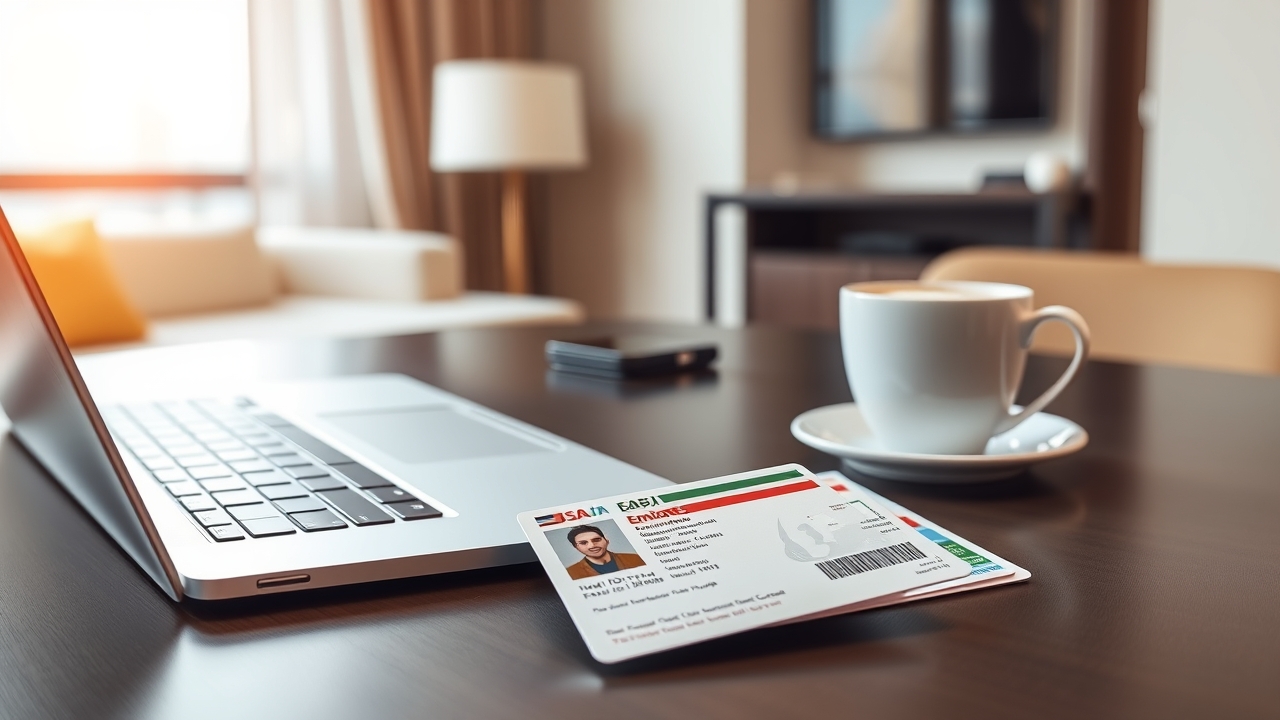
The Emirates ID is the primary identification document for all residents. When you decide to rent a hotel apartment in UAE as a resident, the original Emirates ID must be presented. The hotel will use an ID card reader to capture the chip data, which is then synchronized with the national security database.
While the Emirates ID often suffices, some long-term stay providers may ask for a copy of the residency visa page in your passport (or the digital version via the ICP app). This is particularly common if you are signing a monthly or quarterly contract for a larger unit, such as a 1 bedroom Two Seasons Hotel Apartments for rent.
For very long-term stays (6 months to a year) where you are paying in installments, some management companies might request a salary certificate or bank statements. However, this is rare in the hotel apartment sector compared to the traditional rental market, as payment is usually made in advance via credit card or cheque.
When you rent a hotel apartment in UAE, you will be asked to sign a Guest Agreement or a Short-Term Rental Contract. This document is legally binding and outlines the terms of your stay. Unlike a standard RERA-regulated tenancy contract, these agreements are governed by the hotel’s internal policies and the local tourism department’s guidelines.
1. **Duration and Renewal:** The agreement will clearly state the check-in and check-out dates.
2. **Inclusions:** It details what is included in the price (e.g., DEWA/utilities, Wi-Fi, housekeeping frequency).
3. **Termination Clause:** This is vital. It specifies the notice period required if you wish to vacate early. For many serviced apartments, a 15-day or 30-day notice is standard for monthly rentals.
4. **House Rules:** This includes policies on smoking, pets, and visitors.
Beyond identification, the administrative side of the rental involves specific fees that are unique to the UAE’s hospitality landscape. You should be prepared for the following paperwork-related costs:
This is a mandatory tax implemented by the Dubai government. The fee varies depending on the category of the hotel (3-star, 4-star, or 5-star). It is charged per bedroom per night for the first 30 consecutive nights of a stay. You will receive a separate line item on your invoice for this fee, and it is a legal requirement for the operator to collect it.
The UAE implements a 5% Value Added Tax. When you rent a hotel apartment in UAE, ensure that the provider issues a proper Tax Invoice. This is especially important for business travelers who may need to reclaim these costs or file them for corporate accounting.
Always ensure you receive a formal receipt for any security deposit paid in cash. However, as mentioned, credit card pre-authorization is the standard and most efficient method.

Many companies choose to house their employees in hotel apartments due to the ease of billing and the lack of utility setup requirements. If the booking is being made under a corporate entity, the following documents are usually required:
For luxury corporate stays, properties like those found when you look for 3 bedrooms Bab Al Qasr Hotel for rent often have dedicated corporate sales teams to handle this paperwork efficiently.
Citizens of the Gulf Cooperation Council (Saudi Arabia, Kuwait, Oman, Bahrain, and Qatar) enjoy simplified procedures. When they rent a hotel apartment in UAE, their national ID card is often sufficient for check-in, though a passport is always recommended for seamless processing through the federal systems.
It is also worth noting that the UAE has strict laws regarding cohabitation. Historically, proof of marriage was required for couples to share a room. However, according to the UAE Legal Reforms of 2020, unmarried couples are now legally permitted to share accommodation. This has significantly reduced the documentation burden for many international visitors.

To understand why the documentation for a hotel apartment is preferred by many, let’s look at how it compares to the traditional residential market.
| Requirement | Hotel Apartment (Serviced) | Traditional Residential Lease |
|---|---|---|
| Identification | Passport or Emirates ID | Emirates ID & Residency Visa |
| Registration | Police/Tourism Portal (Internal) | Ejari (RERA Registration) |
| Utilities (DEWA/Chiller) | Included (No paperwork) | Connection paperwork + Deposits |
| Payment Method | Credit Card / Cash / Bank Transfer | Post-Dated Cheques |
| Contract Length | Daily / Weekly / Monthly | Usually Yearly |
| Notice Period | Flexible (Often 0-30 days) | Usually 60-90 days |

To ensure you have everything in order to rent a hotel apartment in UAE, follow this chronological checklist:
The Department of Tourism and Commerce Marketing (DTCM) in Dubai and the Department of Culture and Tourism (DCT) in Abu Dhabi are the bodies that regulate hotel apartments. They ensure that the properties maintain high standards and that the rental process is fair. When you rent a hotel apartment in UAE, you are protected by these regulations. If a property fails to provide the services outlined in your guest agreement, you have the right to file a complaint with the respective tourism board.
One of the documents you might encounter is the “Unit Classification Certificate.” This is usually displayed in the lobby and proves that the apartment is licensed to operate as a holiday home or hotel apartment. Checking for this can give you peace of mind that you are dealing with a legitimate provider.

Even with the right documents, some tenants face hurdles. To rent a hotel apartment in UAE smoothly, keep these tips in mind:

No, you do not need an Ejari to rent a hotel apartment in UAE. Ejari is specific to residential tenancies. Hotel apartments use a guest registration system that is linked directly to the tourism authorities, providing a similar legal standing for the duration of your stay without the need for a RERA-registered contract.
Absolutely. One of the main benefits of hotel apartments is that they are accessible to tourists. As long as you have a valid entry permit or tourist visa and your passport, you can legally stay in a serviced apartment for as long as your visa allows.
In almost all cases, yes. Whether it is a luxury property like the 2 bedrooms Avani Palm View Dubai Hotel & Suites or a budget-friendly option, properties require a deposit to cover potential damages or unpaid bills. This is standard practice across the UAE.
While you can use a copy for the initial booking, the law requires the hotel to see and scan the original passport or Emirates ID upon your physical arrival. Digital copies or scans are not accepted for the final check-in process due to security regulations.
Understanding what documents you need to rent a hotel apartment in UAE is the first step toward a stress-free stay in this vibrant country. The system is designed to be user-friendly, catering to the millions of visitors and residents who seek the convenience of serviced living every year. By keeping your passport or Emirates ID handy, ensuring your visa is valid, and being prepared for the financial aspects like the Tourism Dirham and security deposits, you can enjoy all the luxuries of a hotel with the comfort of a home.
Whether you are looking for a short-term base or a long-term residence, the flexibility of hotel apartments makes them an unbeatable choice. The documentation is minimal compared to the traditional market, the services are world-class, and the legal framework is robust and protective of guest rights.
Ready to find your perfect home away from home in the UAE? Explore our curated list of premium properties and experience the best in serviced living. Learn More