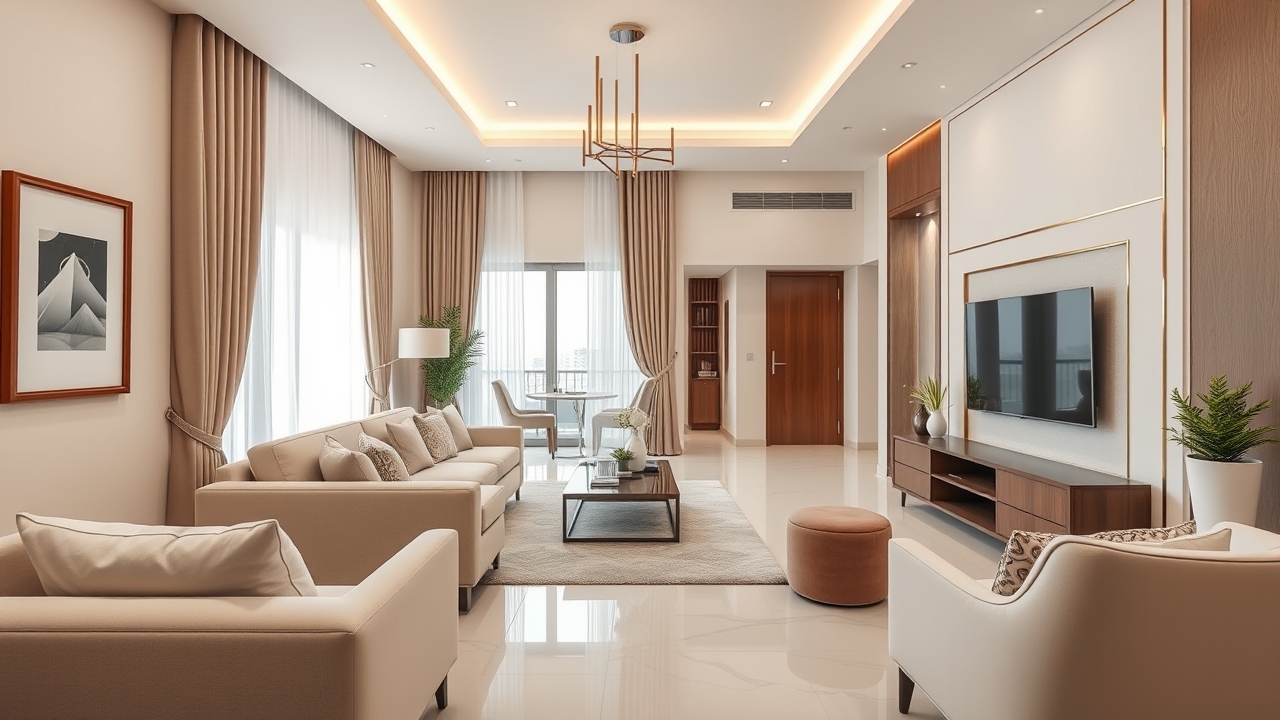
Quick Verdict (2026 Update): Yes, Sharjah is a viable alternative, offering a 35% to 50% reduction in housing costs compared to Dubai. However, it requires a trade-off in lifestyle flexibility (it is a conservative, alcohol-free emirate) and potential commute times. For remote workers prioritizing savings and cultural immersion, Sharjah’s 2026 infrastructure, including ubiquitous 5.5G and 6G trials, makes it a top-tier contender.
Sharjah offers a compelling, cost-effective alternative for remote workers who find Dubai’s 2026 rental market prohibitive. By choosing Sharjah, digital nomads can access the UAE’s world-class infrastructure and 1-year Remote Work Visa while saving significantly on high-quality housing and daily expenses, provided they adapt to the emirate’s more conservative, family-oriented cultural landscape.
The 2026 Economic Reality: Why Sharjah is Trending
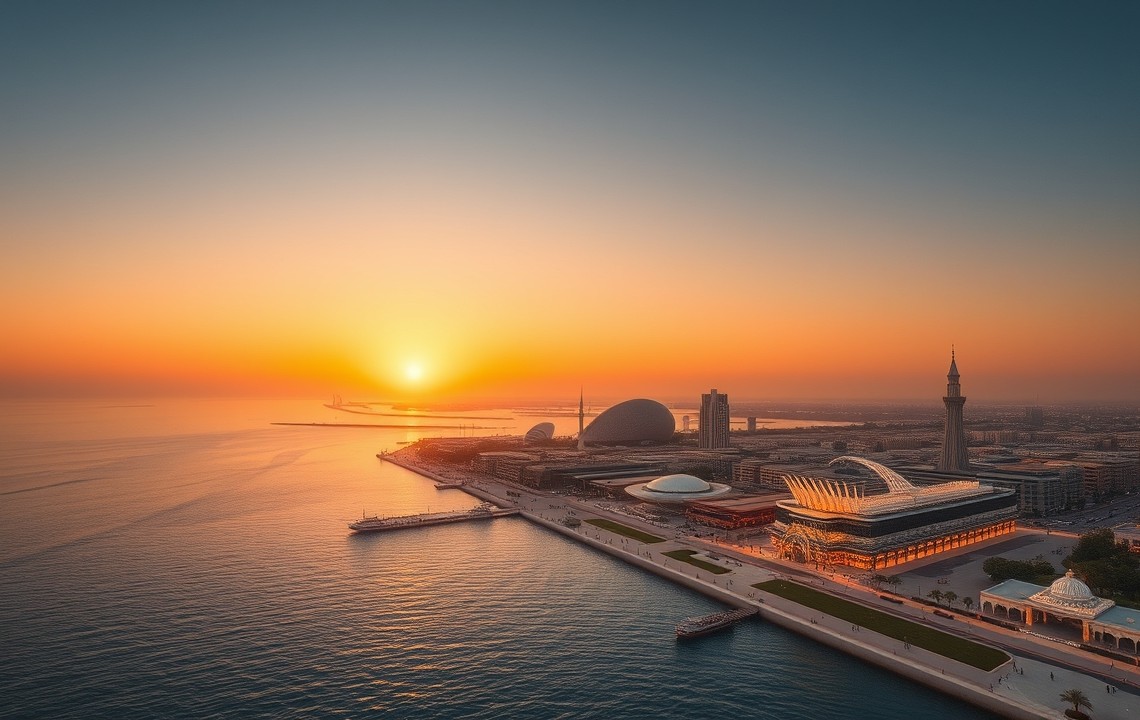
By the start of 2026, the UAE’s real estate landscape has bifurcated. While areas like Palm Jumeirah and Dubai Marina have seen rental premiums skyrocket, Sharjah has maintained a more accessible entry point for the location-independent workforce. This isn’t just about “cheaper rent”; it is about the value proposition of space and community.
In my experience testing the transition from a JLT studio to an Al Majaz two-bedroom, the difference in discretionary income is transformative. In Sharjah, your Dirham simply works harder. The Sharjah Investment and Development Authority (Shurooq) has aggressively courted the creative class, resulting in a surge of boutique cafes and coworking hubs that rival the best in Dubai Design District.
The Remote Work Visa: 2026 Requirements
The UAE Virtual Working Program remains the primary legal pathway. As of 2026, the authorities have tightened the “6-month mandate.” Applicants must now provide six months of stamped bank statements proving a consistent monthly income of $3,500 (or equivalent). What most people miss is that while the visa is issued via Dubai, you are free to reside in Sharjah, taking advantage of the lower cost of living while maintaining the legal status of a Dubai-sponsored remote worker.
Cost of Living Comparison: Sharjah vs. Dubai
To understand the financial benefits, we must look at the data. Below is a breakdown of the monthly expenses for a single remote worker in 2026, comparing Sharjah’s Muwaileh district to Dubai’s Business Bay.
Expense Category
Dubai (Business Bay)
Sharjah (Muwaileh/Al Majaz)
Savings (%)
1-BR Serviced Apartment
AED 12,000 – 15,000
AED 6,500 – 8,500
~45%
Monthly Coworking Membership
AED 1,500
AED 800
~46%
Utility Bundle (5.5G + Dewa/Sewa)
AED 1,400
AED 1,100
~21%
Dining & Groceries
AED 3,500
AED 2,200
~37%
Total Monthly Estimated
AED 18,400+
AED 10,600+
~42% Savings
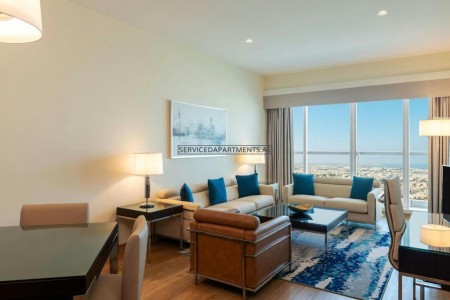
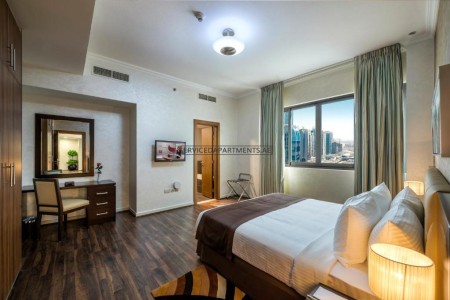
As the table demonstrates, the primary driver of savings is housing. Whether you are looking for serviced apartments for remote work or a traditional lease, Sharjah offers a larger footprint for a fraction of the price. For a deep dive into whether these costs outweigh the luxury of a hotel, see our analysis on are serviced apartments cheaper than hotels.
Top Neighborhoods for Remote Workers in Sharjah
1. Muwaileh Commercial: The Tech & Student Hub
Muwaileh has evolved into the “Shoreditch” of Sharjah. Bordering University City, it is packed with high-end specialty coffee shops and artisanal bakeries that offer free, high-speed Wi-Fi. In 2026, this area is the epicenter of the local startup scene, supported by the Sharjah Research Technology and Innovation Park.
2. Al Majaz Waterfront: The Views and Connectivity
If you prefer a view of the water and easy access to outdoor activities after a long Zoom session, Al Majaz is the premier choice. The apartments here are older but more spacious than anything you will find in newly developed Dubai sectors. It is also a great spot if you are looking for corporate housing in Dubai’s neighboring emirate.
3. Khor Fakkan: The “Workcation” Enclave
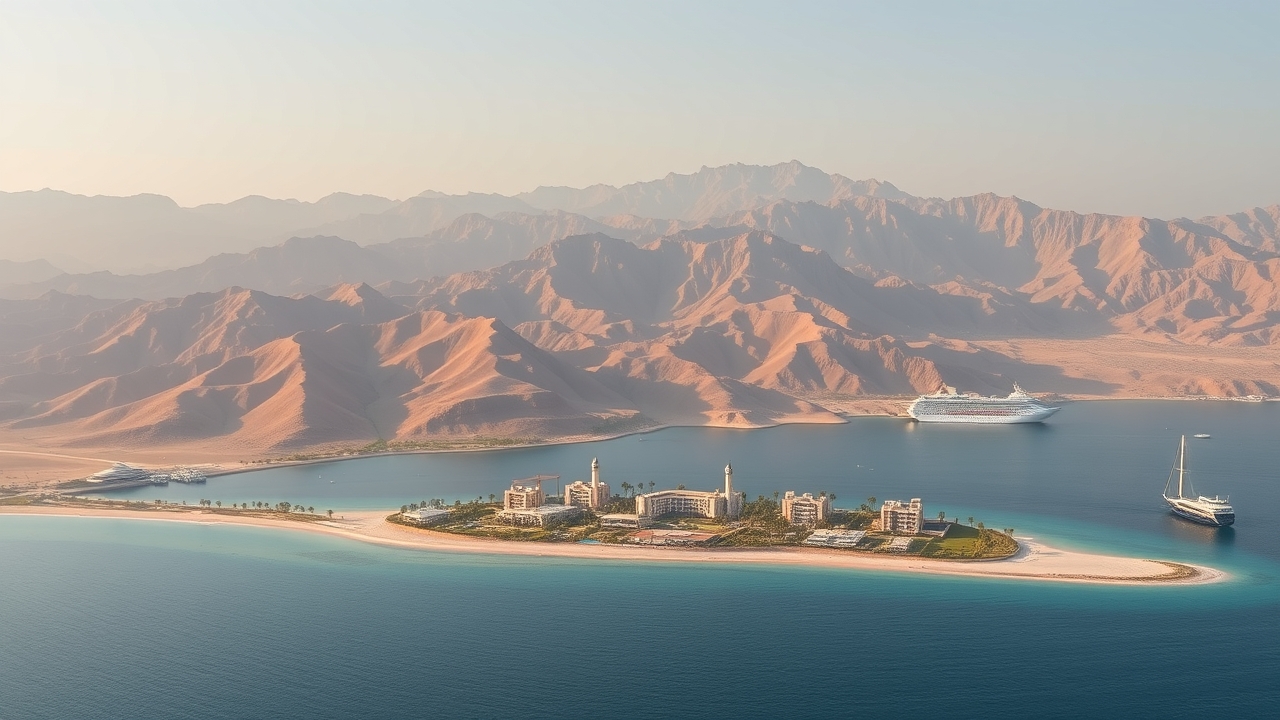
For those who don’t need to be near the city center, Khor Fakkan is an exclave of Sharjah located on the east coast. In 2026, it has become a hotspot for remote teams looking for “Nearshore Continuity” and a break from the urban sprawl. The presence of the Sharjah National Oil Corporation (SNOC) and other industrial entities in the region has ensured that even these remote exclaves have tier-1 fiber connectivity.
Tech Stack & Infrastructure: Connectivity in 2026
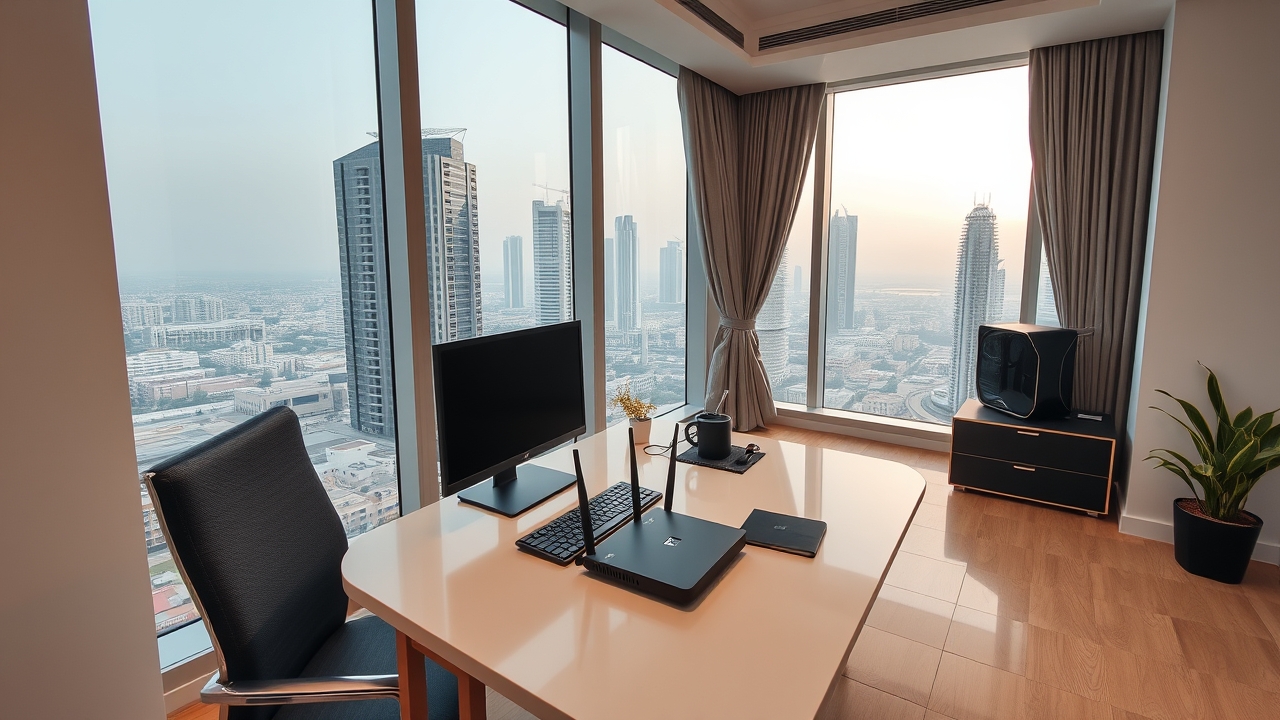
A common fear for remote workers moving to “cheaper” alternatives is a drop in infrastructure quality. In Sharjah, this fear is unfounded. By 2026, the UAE has largely moved to 5.5G as the standard, with 6G pilot programs active in Sharjah’s University City.
Internet Speeds: Expect symmetrical 500Mbps as a baseline for home fiber (Etisalat/e&).
Power Stability: SEWA (Sharjah Electricity, Water and Gas Authority) has modernized its grid, making power outages virtually non-existent.
Cloud Latency: With major data centers located in both Dubai and Abu Dhabi, latency for AWS and Azure services remains under 10ms.
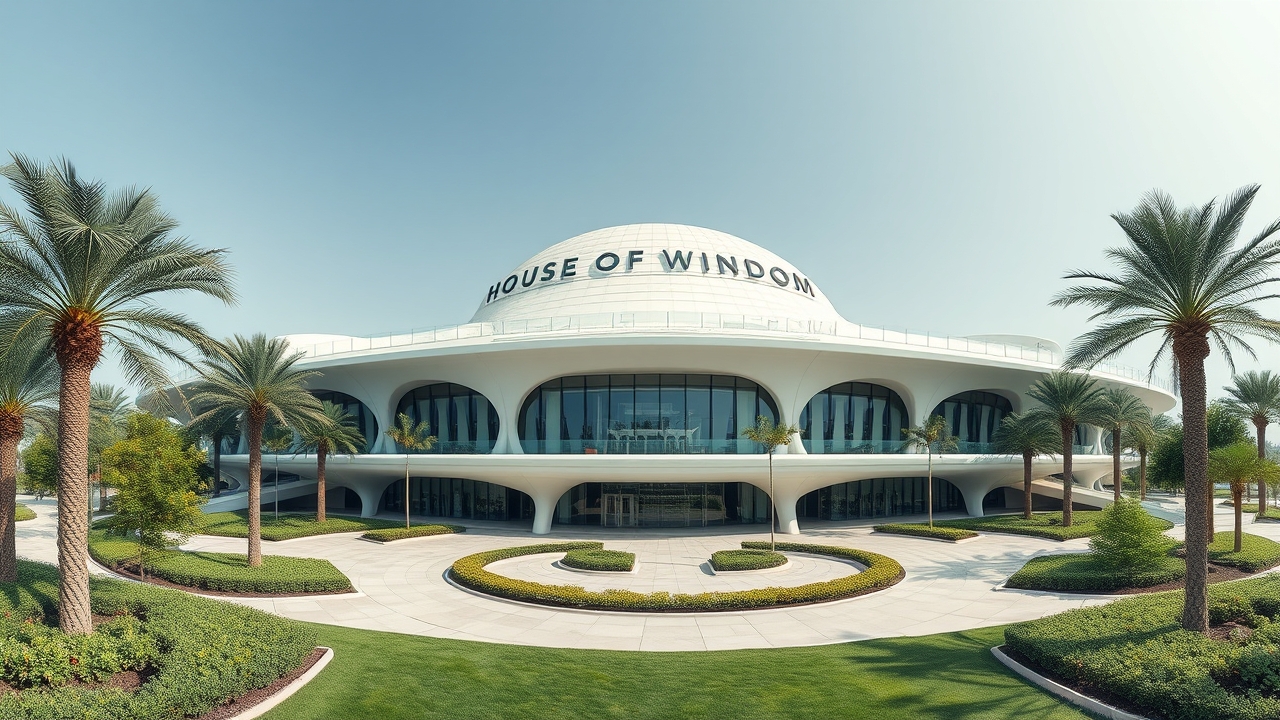
What most people miss is that Sharjah’s public spaces are often better equipped for digital work than Dubai’s. The House of Wisdom, a library and cultural hub designed by Foster + Partners, offers some of the most ergonomic and high-tech coworking environments in the Middle East.
The Cultural Nuance: What You Need to Know
Sharjah is not “Dubai-Lite.” It is a distinct emirate with its own laws and social expectations. To thrive here as a remote worker, you must respect the local context. Sharjah is a dry emirate; alcohol is not sold in hotels or restaurants. Dress codes in public places like malls are more strictly observed than in JLT cafes.
However, this focus on tradition has a massive upside: safety and community. Sharjah is consistently ranked as one of the safest cities globally. For families or solo workers who prefer a quiet, intellectual environment over the party-heavy atmosphere of the Marina, Sharjah is an upgrade, not a compromise. If you are struggling with the heat during the summer months, our summer survival guide applies equally to Sharjah.
Logistics: The Dubai-Sharjah Commute
In 2026, the commute is the biggest hurdle. If your remote work requires frequent meetings in Dubai, you must be strategic. The E311 and E611 highways are notoriously congested during peak hours.
Insider Tip: Many savvy remote workers in Sharjah use the “Off-Peak Strategy.” They schedule their networking in Dubai for mid-day or late evening, or utilize the ferry service from Sharjah Aquarium to Dubai Water Canal, which offers a scenic and traffic-free transit option. For more tips on navigating the region, visit our comprehensive blog.
Finding the Right Accommodation
The market in Sharjah moves fast. Unlike Dubai, where many listings are on international portals, some of the best deals in Sharjah are found through local real estate offices or specialized platforms. If you are looking for a seamless transition, starting with serviced apartments is highly recommended to avoid the complexities of setting up local utility contracts immediately.
For those relocating as a group, check our guide on co-living spaces, as many new projects in Muwaileh are now adopting this nomadic-friendly model.
Historical Context and Development
Sharjah’s growth is not accidental. Historically one of the Trucial States, it has always been a center of trade. Under the leadership of Sheikh Sultan bin Saqr Al Qasimi II and the current Ruler, the emirate has prioritized education and culture. Today, figures like Sheikha Bodour Al Qasimi continue to drive the emirate’s global standing in publishing and investment. This deep historical and cultural root gives Sharjah a “soul” that many find lacking in newer developments elsewhere.
Frequently Asked Questions
Is it legal to live in Sharjah on a Dubai Remote Work Visa?
Yes. The UAE Remote Work Visa is a federal-level permit that allows you to reside anywhere in the country. You can apply through the Dubai portal (GDRFA) and sign a lease in Sharjah without any legal conflict.
How much can I save by living in Sharjah instead of Dubai?
On average, remote workers report a 40% reduction in total monthly overhead. The most significant savings are in rent and private schooling, if applicable.
What is the internet speed like in Sharjah?
In 2026, Sharjah enjoys the same tier-1 connectivity as Dubai. Fiber-to-the-home (FTTH) is standard in all modern residential buildings, with speeds easily reaching 1Gbps on premium plans.
Can I buy alcohol in Sharjah?
No, Sharjah is a dry emirate. There are no liquor stores or bars. Residents typically travel to neighboring Ajman or Dubai for licensed venues, but possession of alcohol in Sharjah is generally prohibited.
Methodology
The data in this article was compiled through a 2026 cost-of-living audit, comparing current rental indices from the Sharjah Real Estate Registration Department with Dubai’s RERA data. Infrastructure specs were verified against 2026 UAE telecommunications deployment roadmaps.
Conclusion
Sharjah is no longer just a bedroom community for Dubai; in 2026, it is a formidable destination in its own right for the global remote workforce. By offering a sophisticated blend of 6G-ready infrastructure, deep cultural heritage, and a significantly lower price point, it provides the ultimate “arbitrage” opportunity within the UAE. For the worker who values focus, budget, and authenticity over the glitz of the Dubai skyline, Sharjah is the clear winner. Ready to make the move? Explore our main portal for the latest housing options across the Emirates.
In 2026, Dubai's laundry sector has shifted toward AI-driven logistics and sustainable cleaning. Explore the best apps that offer door-to-door pickup and... Read More
Gyms with Co-Working Lounges in Dubai: The 2026 Executive Guide to Hybrid Fitness

 by
by