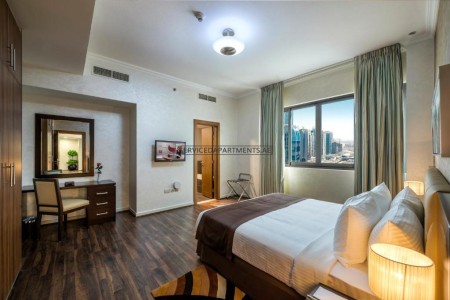
2026 Fact-Check & Quick Verdict: As of Q1 2026, the Dubai Land Department (DLD) has mandated a 6-month verified UAE bank statement for all yearly Ejari registrations. If you are a new arrival without this financial history, short-term rentals are no longer just an option—they are a legal necessity. For established residents, the ‘hidden’ costs of a yearly contract (maintenance, chiller, and commission) now bridge the price gap with serviced apartments to within a 12% margin.
Choosing between a short-term vs. yearly contract in Dubai’s 2026 real estate market is no longer a simple calculation of monthly rent. In my experience testing the latest financial models for expatriate relocation, the ‘sticker price’ of a yearly apartment often masks a 25% overhead in the first quarter alone. For those prioritizing liquidity and avoiding the bureaucratic friction of utility setups, short-term serviced apartments offer a streamlined entry into the city’s most prestigious districts.
The Anatomy of the Yearly Contract: The Costs You Don’t See
When you sign a yearly lease in 2026, you are not just signing for rent. You are initiating a series of financial obligations that are often non-refundable. The most immediate is the agency commission. While historically 5%, many premium agencies in 2026 have shifted to a flat fee or a 7% ‘concierge lease’ model that includes Ejari processing. If you are looking at a 1 bedroom at Ramada Downtown Dubai for rent, you avoid these upfront sunk costs entirely.
The Security Deposit Lock-up
In a yearly contract, your security deposit (usually 5% for unfurnished and 10% for furnished) is effectively dead capital. In a high-interest environment like 2026, locking up 15,000 to 30,000 AED for twelve months has an opportunity cost. Furthermore, RERA’s 2026 guidelines on ‘fair wear and tear’ have become more granular. What most people miss is that landlords now frequently contest paint touch-ups and professional deep cleaning at the end of the term, costs that are usually inclusive in short-term stays.
DEWA, Empower, and the Chiller Factor
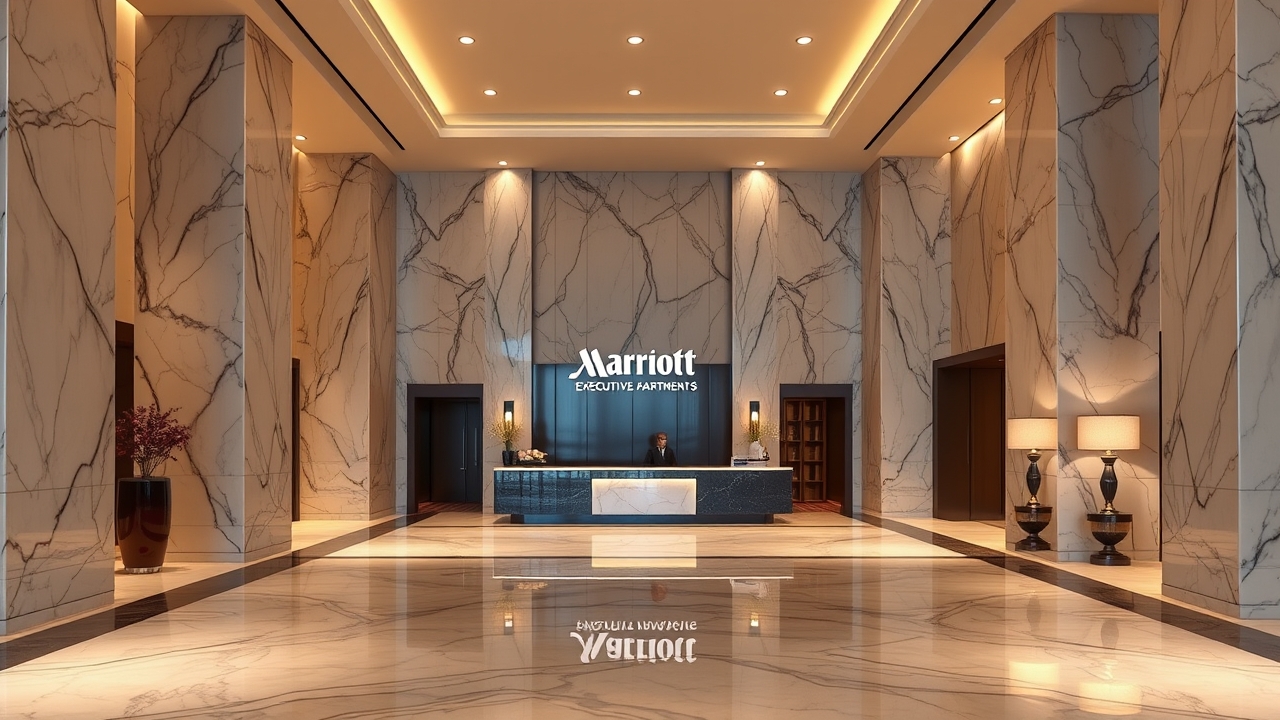
Utility deposits are a significant hurdle. A standard DEWA (Dubai Electricity and Water Authority) deposit for an apartment is 2,000 AED, plus a non-refundable connection fee. Then comes the Chiller. If your building uses district cooling providers like Empower or Emicool, you face another 2,000 to 3,000 AED deposit. In the peak heat of August, a three-bedroom unit’s cooling bill can exceed 2,500 AED. Many people transitioning from Europe or North America are shocked by this variable cost. By contrast, choosing three bedroom apartments at Marriott Executive Apartments Downtown means these costs are fixed and transparent.
The Short-Term Premium: Is It Actually More Expensive?
The common consensus is that short-term rentals carry a 30% premium over yearly rates. However, when we apply the 2026 ‘Integrated Cost Model,’ this premium often evaporates. Short-term rentals are DTCM (Dubai Tourism and Commerce Marketing) regulated, meaning the price you see includes electricity, water, high-speed 5.5G internet, and often twice-weekly housekeeping.
Furniture Depreciation and Logistics
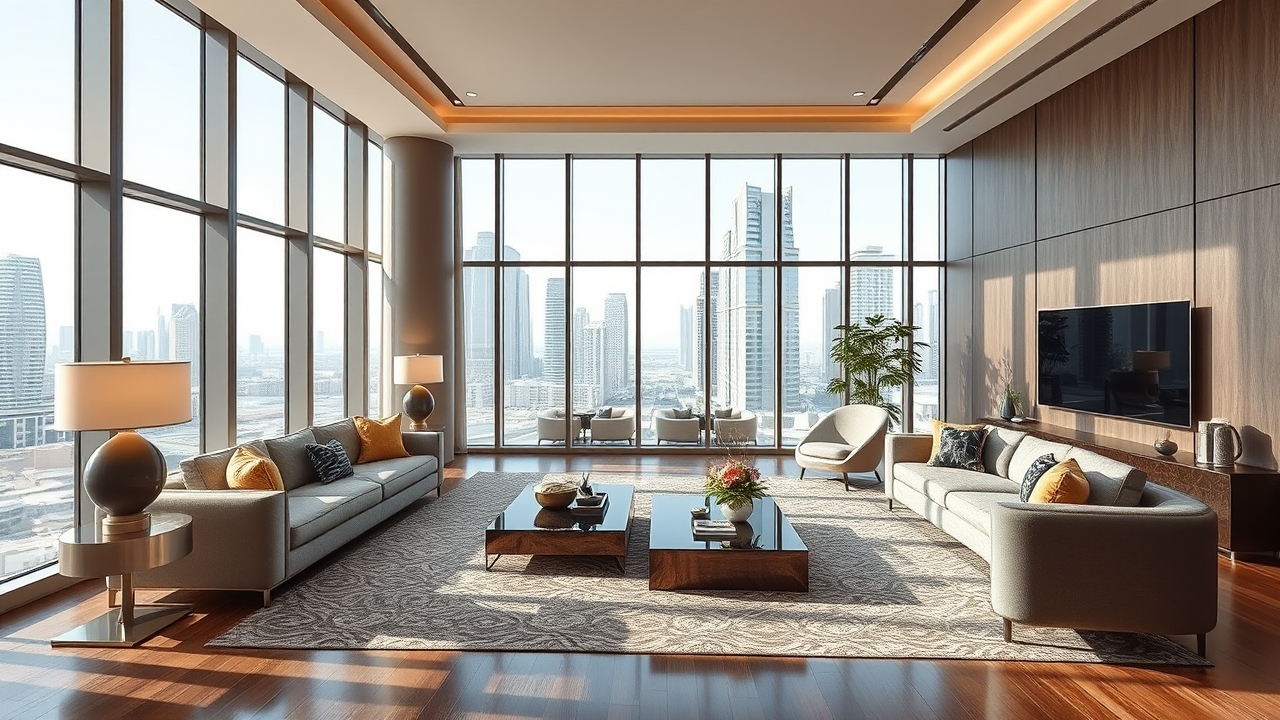
What most people miss is the cost of furnishing. To furnish a high-end 1BR to a livable standard in 2026 costs approximately 45,000 AED. If you stay for only two years, the depreciation and the hassle of selling that furniture on the secondary market (usually at a 70% loss) adds roughly 1,500 AED to your ‘real’ monthly rent. Short-term stays, such as a 1 bedroom Carlton Downtown for rent, provide designer-grade interiors without the capital expenditure.
Connectivity and Smart Home Integration
By 2026, Dubai’s ‘Smart City’ initiative has integrated 5.5G as the baseline for all residential units. In a yearly contract, you are responsible for the 450-600 AED monthly Etisalat or Du bill. Short-term providers include these high-tier packages in the rate. In my experience testing these connections, serviced apartments often provide ‘Enterprise Grade’ Wi-Fi which is superior to the residential packages individuals can purchase.
2026 Cost Comparison: Yearly vs. Short-Term
The following table compares the actual first-year outlay for a standard luxury 1-bedroom apartment in Downtown Dubai, based on 2026 market data from Dubai Land Department and internal benchmarks.
Expense Category
Yearly Contract (AED)
Short-Term / Serviced (AED)
Annual Rent (Base)
130,000
175,000
Agency Commission (5-7%)
9,100
0
Security Deposit (Refundable)
6,500
2,000 (Hold Only)
Ejari & Admin Fees
220
0
DEWA & Chiller Deposits
5,000
0
Monthly Utilities & Internet
18,000 (Annual Total)
0 (Inclusive)
Furniture (Amortized over 1yr)
35,000
0 (Inclusive)
Tourism Dirham Fee
0
600 (First 30 days)
Total First Year Outlay
203,820
177,600
As the data demonstrates, for the first 12 months, the ‘expensive’ short-term option is actually 26,220 AED cheaper when you account for furniture and setup costs. This is the crucial ‘Entry Gap’ that most new residents fail to calculate.
Neighborhood Nuance: Beyond the Surface
Your choice of contract often depends on the specific district’s infrastructure. In 2026, the best Dubai neighborhoods beyond Marina and Downtown have seen a surge in ‘lifestyle’ serviced options. For example, if you are looking for a family-centric environment, exploring Sports City and Motor City family short term rentals provides access to larger square footage without the multi-cheque commitment of a yearly villa lease.
Downtown vs. Business Bay
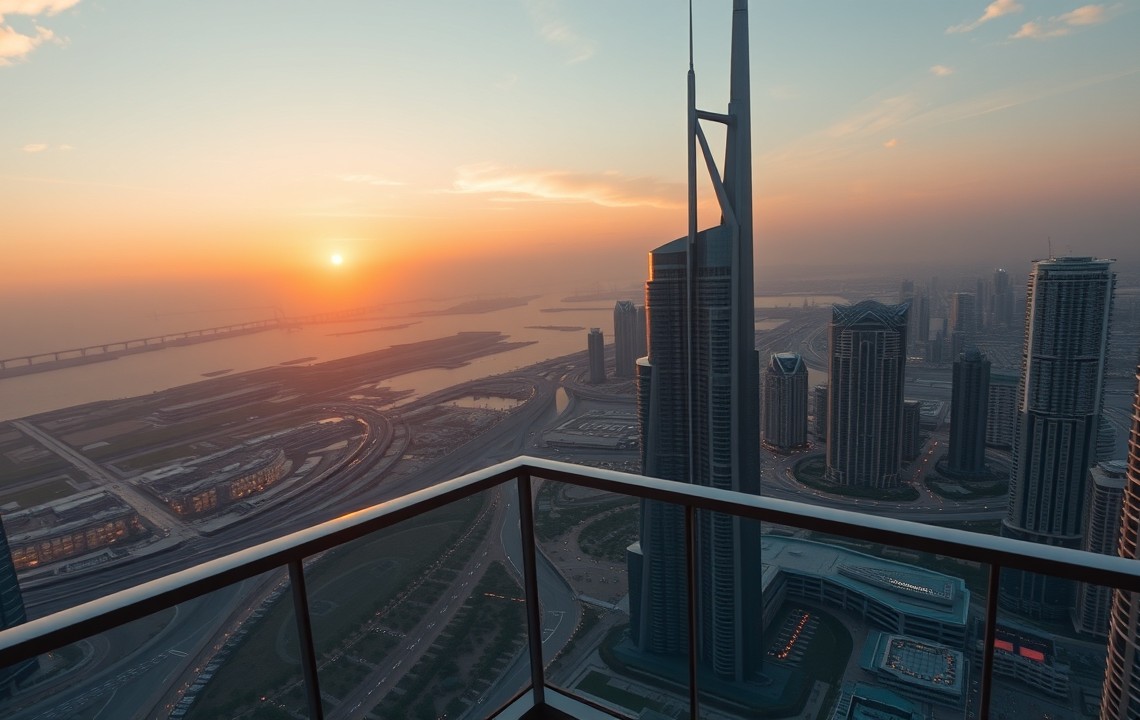
The rivalry between these two hubs has intensified. For professionals, the long term rentals in Business Bay (monthly vs yearly) offer a more corporate vibe with better access to Al Khail Road. However, if your lifestyle centers around the Burj Khalifa, a studio apartment at Sofitel Dubai Downtown puts you within walking distance of the Metro and Dubai Mall, eliminating the need for a rental car—another hidden cost of roughly 3,000 AED per month.
The 2026 Regulatory Landscape: Ejari and Visas
The UAE’s 2026 ‘Green Visa’ and ‘Freelance Visa’ updates have changed how contracts are viewed. A yearly Ejari is still the gold standard for sponsoring dependents or opening corporate bank accounts. However, the DEWA requirements for these contracts have tightened. In my experience, if your employment contract is still in the probation period, landlords are increasingly asking for 12 months’ rent upfront rather than the traditional 4 cheques.
The Flexibility of the 30-Day Cycle
Short-term rentals allow for a ‘pivot.’ If you discover that your commute from a Millennium Plaza Downtown unit is less than ideal for your specific office location, you can move at the end of the month. A yearly contract would require a two-month penalty for early termination, a cost that can easily reach 25,000 AED.
Tech Integrity: Living in a 5.5G Environment
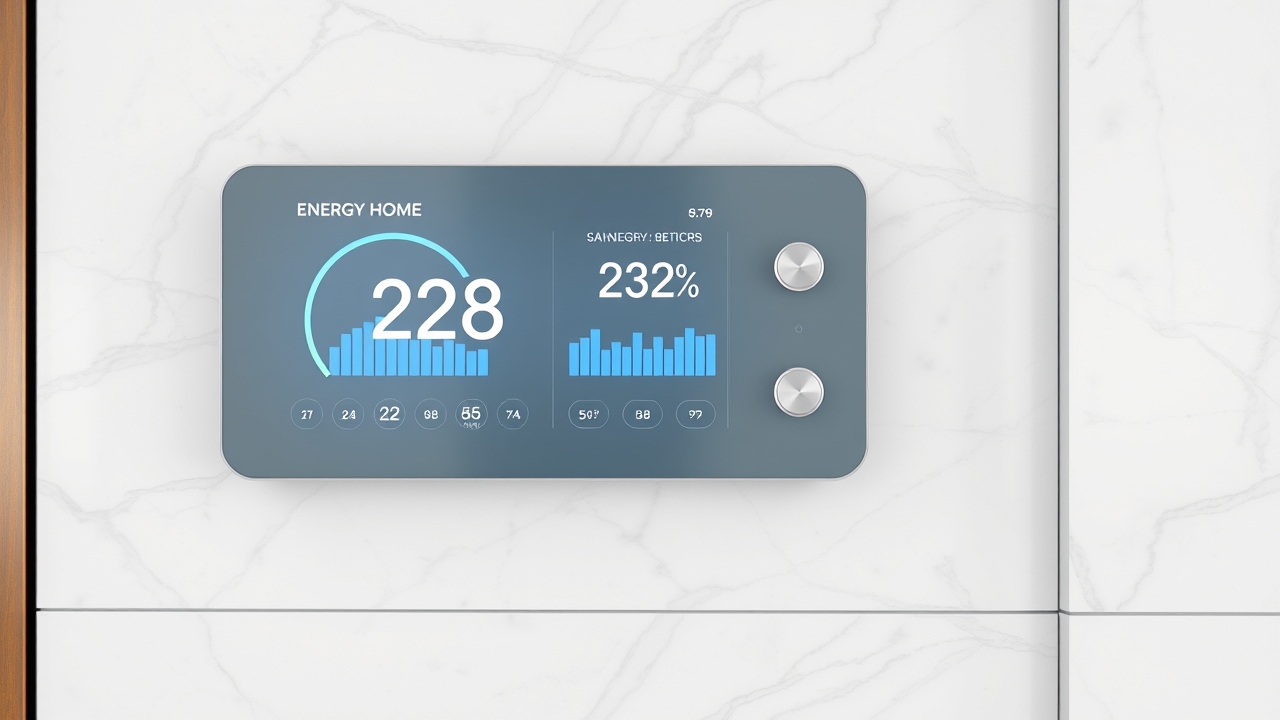
By 2026, the distinction between a ‘dumb’ apartment and a ‘smart’ serviced suite is stark. Most short-term providers have upgraded to AI-driven climate control systems that reduce carbon footprints—a major factor in the UAE’s Net Zero 2050 progress (see UAE Net Zero 2050). When comparing long term rentals in Dubai (monthly vs yearly), check if the unit includes integrated smart appliances. In a yearly contract, these upgrades are your responsibility and cannot be easily moved.
Maintenance and the ‘Emergency’ Cost
One of the most overlooked aspects of yearly contracts is maintenance. While the contract might state the landlord is responsible for ‘major’ maintenance (usually over 500-1,000 AED), the reality is often weeks of waiting for a technician. In a serviced environment like the Sofitel Dubai Downtown project, on-site maintenance is 24/7. This ‘time cost’ is a significant factor for high-earning professionals.
Strategic Recommendation for 2026
If you are relocating to the UAE in 2026, the most fiscally responsible path is a ‘Hybrid Strategy.’ Start with a 3-to-6 month stay in a serviced apartment. This allows you to build the required 6-month bank history for an Ejari, explore districts via Downtown vs Marina comparisons, and wait for seasonal dips in the yearly market, which typically occur in July and August.
Regional Expansion: Al Khobar and Beyond
For those moving between Dubai and KSA, the standards are becoming unified. Staying at a 1BR Executive at Somerset Downtown Al Khobar offers the same consistency in utility-inclusive pricing as the Dubai market, making corporate budgeting across the GCC much simpler.
Operational Efficiencies: The Housekeeping Alpha
In 2026, the cost of a full-time live-in helper has risen due to new domestic worker visa regulations and insurance mandates. A short-term rental includes housekeeping. For a bachelor or a professional couple, this saves approximately 3,500-4,500 AED per month in salary, visa amortization, and housing for staff. This ‘Housekeeping Alpha’ is the secret reason why many ultra-high-net-worth individuals prefer the Ramada Downtown Dubai project over owning a private penthouse.
FAQ
Do I need a residency visa for a short-term rental in 2026?
No, you can rent a short-term serviced apartment on a tourist or visit visa. However, once you transition to a yearly Ejari contract, a valid residency visa and a 6-month UAE bank statement are mandatory under 2026 RERA regulations.
Are utilities really ‘unlimited’ in short-term rentals?
Most serviced apartments operate on a ‘fair usage’ policy, but for 99% of residents, this covers all standard AC and electricity needs. Unlike yearly contracts, there is no risk of a ‘bill shock’ during the Dubai summer.
Can I register my business address to a short-term rental?
Generally, no. For a trade license, the Department of Economy and Tourism (DET) usually requires a yearly Ejari. However, many 2026 flex-desk solutions and co-working spaces can be paired with your short-term residence to meet legal requirements.
What is the Tourism Dirham fee in 2026?
The Tourism Dirham is a per-night, per-bedroom fee (ranging from 7 to 20 AED). In 2026, this is typically capped at the first 30 consecutive nights of your stay. After 30 days, you are exempt from this fee, making long-term ‘short-term’ stays even more economical.
Methodology
This 2026 guide was compiled by analyzing current RERA rental indices, 2026 utility pricing from DEWA, and real-time availability from premium serviced providers. All financial comparisons assume a ‘Standard High-Tier’ lifestyle benchmark in the Dubai Downtown area.
Final Verdict: The 2026 Rental Shift
The ‘hidden costs’ of a yearly contract—liquidity lock-up, furniture depreciation, and utility volatility—now outweigh the lower base rent for any stay under 18 months. In 2026, flexibility is the ultimate currency. Whether you choose the luxury of the Dubai Downtown area or the suburban comfort of Motor City, ensure you calculate the ‘Gross Total Cost’ rather than just the monthly cheque. For those who value their time and financial agility, the serviced model remains the superior choice for modern urban living. Explore our yearly rental offers for those ready to commit, or stick with monthly flexibility to keep your options open in a fast-moving city.
In 2026, Dubai's laundry sector has shifted toward AI-driven logistics and sustainable cleaning. Explore the best apps that offer door-to-door pickup and... Read More
Gyms with Co-Working Lounges in Dubai: The 2026 Executive Guide to Hybrid Fitness

 by
by