
Al Reem Island: The Expat’s Guide to Short-Term Rentals
- September 22, 2026
- Hotel Apartments
A deep-dive guide for expats navigating the 2026 short-term rental market on Al Reem Island, covering the ADGM expansion, tower comparisons, and... Read More
 by Serviced Apartments
Choosing between monthly and yearly rentals in Dubai is no longer just about price; it is about residency and liquidity. In 2026, yearly contracts (Ejari) remain 15-25% cheaper but require a residency visa and multiple post-dated checks. Monthly rentals offer a ‘no-strings’ alternative, including utilities and maintenance, perfect for those testing neighborhoods like Dubai Marina or JLT before committing. For those without a residency visa yet, the monthly route is the only legal pathway.
Selecting between monthly and yearly rentals in Dubai depends on your residency status and capital liquidity. Yearly contracts offer the lowest rates via Ejari, while monthly serviced apartments provide all-inclusive flexibility without long-term legal commitment. For most newcomers in 2026, a 3-month serviced stay is the optimal bridge for market entry while securing local documentation.
The Dubai rental market has evolved significantly following the Real Estate Strategy 2033 initiatives. In my experience testing the latest Digital Ejari 2.0 system, the friction of securing a home has decreased, but the financial requirements remain stringent. Whether you are looking for yearly rental offers or considering a more flexible arrangement, understanding the underlying legal framework is non-negotiable.
As of 2026, the market is bifurcated. On one side, we have the traditional yearly lease, governed by the Real Estate Regulatory Agency (RERA). On the other, the flexible monthly model, which has seen a 40% surge in demand due to the expansion of the UAE Golden Visa and remote work permits. Most residents now view their first year in the city as a hybrid experience, starting with a monthly contract to avoid the common mistake of committing to a neighborhood that doesn’t fit their commute or lifestyle.
Yearly contracts are the standard for established residents. These contracts require an Ejari, which is an official registration of the tenancy contract with the Dubai Land Department (DLD). Without Ejari, you cannot legally connect your DEWA (water and electricity), obtain a residency visa for family members, or open certain high-tier bank accounts.
What most people miss is the massive upfront capital requirement. While the market is slowly shifting toward 4 or 6 checks, many landlords in high-demand areas like Downtown or Palm Jumeirah still demand 1 or 2 checks. Additionally, you must factor in a 5% security deposit, a 5% agency fee, and the DEWA connection deposit (approx. AED 2,000 for apartments). For a deep dive into the financial transition of moving, see our guide on relocating to Dubai.

Monthly rentals, often categorized as serviced apartments or holiday homes, have moved from being a ‘tourist option’ to a mainstream residential strategy. For those who prioritize flexibility, choosing to rent a monthly apartment with no Ejari requirement is a tactical move.
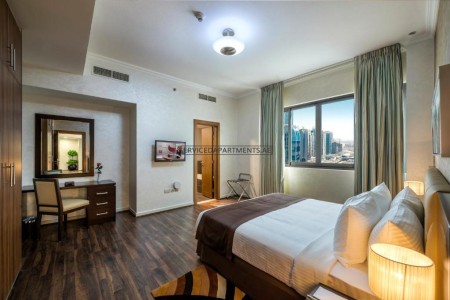
In 2026, serviced apartments are the preferred choice for corporate relocations. They come fully furnished, often with high-speed 5.5G internet, cleaning services, and all utility bills included in the single monthly payment. In my experience, the ‘all-in’ price of a monthly rental in Dubai Marina or JLT often works out to be similar to a yearly contract once you add up the costs of furniture, electricity, AC (chiller) fees, and internet contracts.
To help visualize the financial impact, the table below compares a standard 1-bedroom apartment in a mid-to-high-end area like Business Bay or near Dubai Internet City.
| Feature | Yearly Contract (Ejari) | Monthly Serviced Apartment |
|---|---|---|
| Average Monthly Rate | AED 8,500 – 10,000 | AED 12,500 – 15,000 |
| Upfront Deposit | 5-10% of Annual Rent | AED 1,000 – 3,000 (Refundable) |
| Agency Commission | 5% of Annual Rent | Zero |
| Utility Bills (DEWA/AC) | Paid by Tenant (AED 800-1,200/mo) | Included |
| Internet & TV | Paid by Tenant (AED 400/mo) | Included |
| Cleaning/Housekeeping | Tenant’s responsibility | Included (Weekly/Bi-weekly) |
| Ejari Required? | Yes (Mandatory) | No (DTCM Registered) |
| Furniture | Unfurnished (usually) | Fully Furnished & Equipped |
Geography determines your quality of life in Dubai. In 2026, proximity to the Metro or the upcoming Etihad Rail stations is the primary driver of rental value. According to the Dubai Statistics Center, transit-oriented developments are seeing 12% higher retention rates than isolated luxury enclaves.
If your budget allows, rentals within walking distance of Dubai Mall provide the quintessential ‘New Dubai’ lifestyle. However, for a more resort-style long-term stay, the Bluewaters Island rentals near Ain Dubai offer a blend of privacy and luxury that is hard to match in 2026. These areas almost exclusively operate on yearly contracts, though some boutique operators offer monthly rental offers during the summer shoulder season.
For families, the debate between Sports City and Motor City is a common one. These neighborhoods offer more space for your money. In 2026, these areas have matured with established schools and parks, making them prime targets for yearly contracts. If you are relocating with children, I suggest a 2-month monthly stay in a serviced unit here to gauge the morning school run traffic before signing a 12-month Ejari.
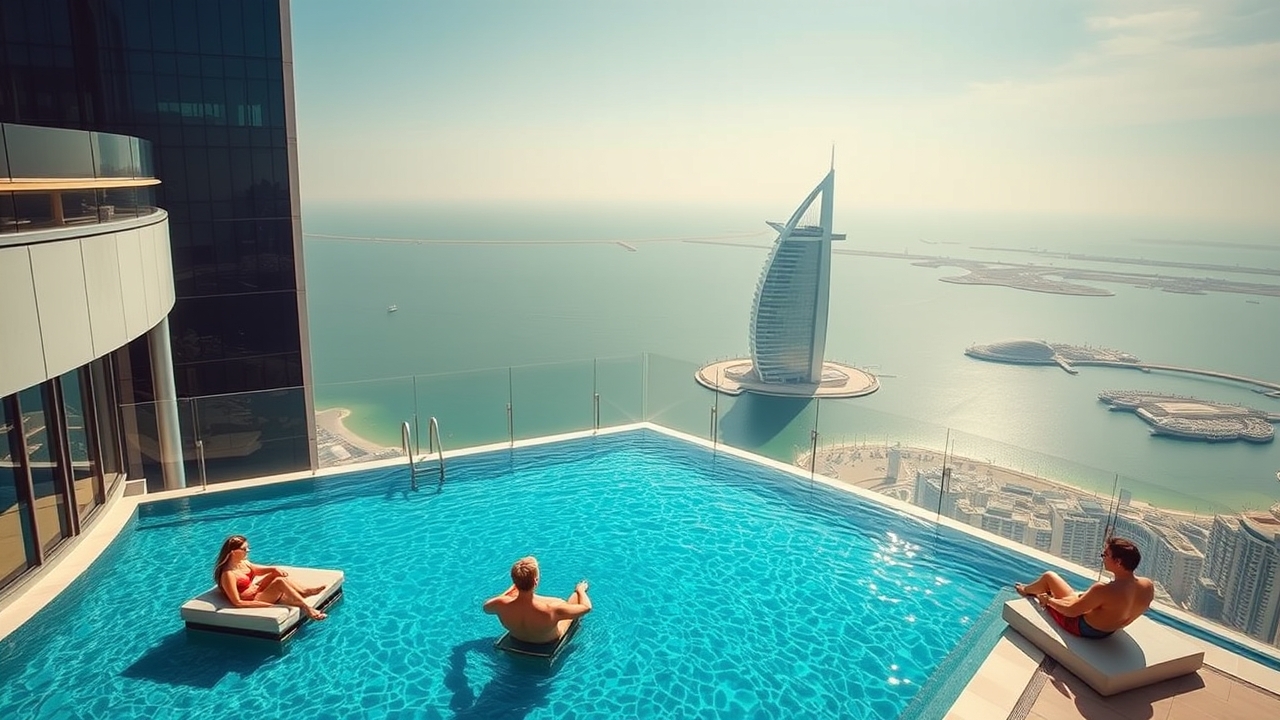
The Real Estate Regulatory Agency (RERA) has introduced several new protections in 2026. One of the most significant is the ‘Green Lease’ requirement for newer buildings, which mandates energy efficiency standards that help lower the ‘chiller’ (air conditioning) costs for tenants. When signing a yearly contract, ensure your landlord is compliant with these standards to avoid high utility overheads.
What most people miss is that as of early 2026, the RERA Rental Index now weighs building-specific sustainability ratings as a factor in allowed rent increases. This means a building with better insulation and smart cooling might be allowed a slightly higher rent increase than a poorly maintained neighbor, but your net cost (rent + utilities) will likely be lower.
In 2026, you cannot sign a legitimate tenancy contract without UAEPASS. This digital identity system ensures that all parties are verified, virtually eliminating the ‘scam’ listings that plagued the market in the early 2020s. If a landlord or agent asks you to sign a physical paper without a digital counterpart in the DLD system, consider it a major red flag.

For those moving to the city for work, the guide for corporate housing in Dubai highlights the shift toward ‘Work-from-Hotel’ setups. Many monthly rentals in 2026 now come with dedicated co-working spaces and 6G-ready infrastructure. If you are working in the tech hubs, look for rentals near Dubai Media City to minimize commute times and maximize networking opportunities.
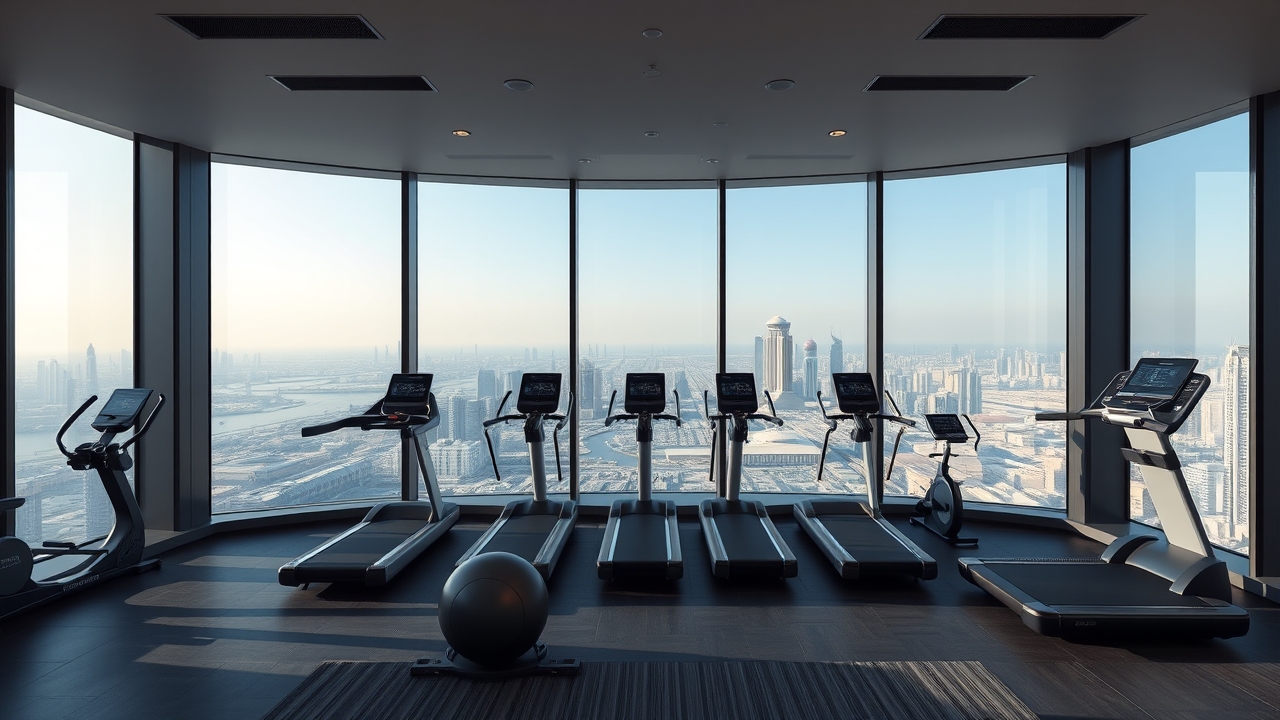
In my experience testing different corporate units, the inclusion of fitness gyms and pools is no longer an ‘extra’—it is a baseline requirement. In 2026, high-end serviced apartments even include recovery suites with cryotherapy and infrared saunas to cater to the wellness-conscious executive.
The decision often boils down to a simple question: How long do you plan to stay in one spot? If the answer is ‘less than a year’ or ‘I am not sure,’ then long-term vs. short-term rentals becomes a question of liquidity. Yearly contracts are ‘cheaper’ on paper, but the cost of breaking a contract early (usually 2 months’ rent as a penalty) can negate any savings.
For those expanding their search beyond Dubai, the trend is similar in the capital. Exploring serviced apartments in Abu Dhabi for long-term stays reveals a market that is slightly more conservative but equally focused on high-quality serviced living for expats.
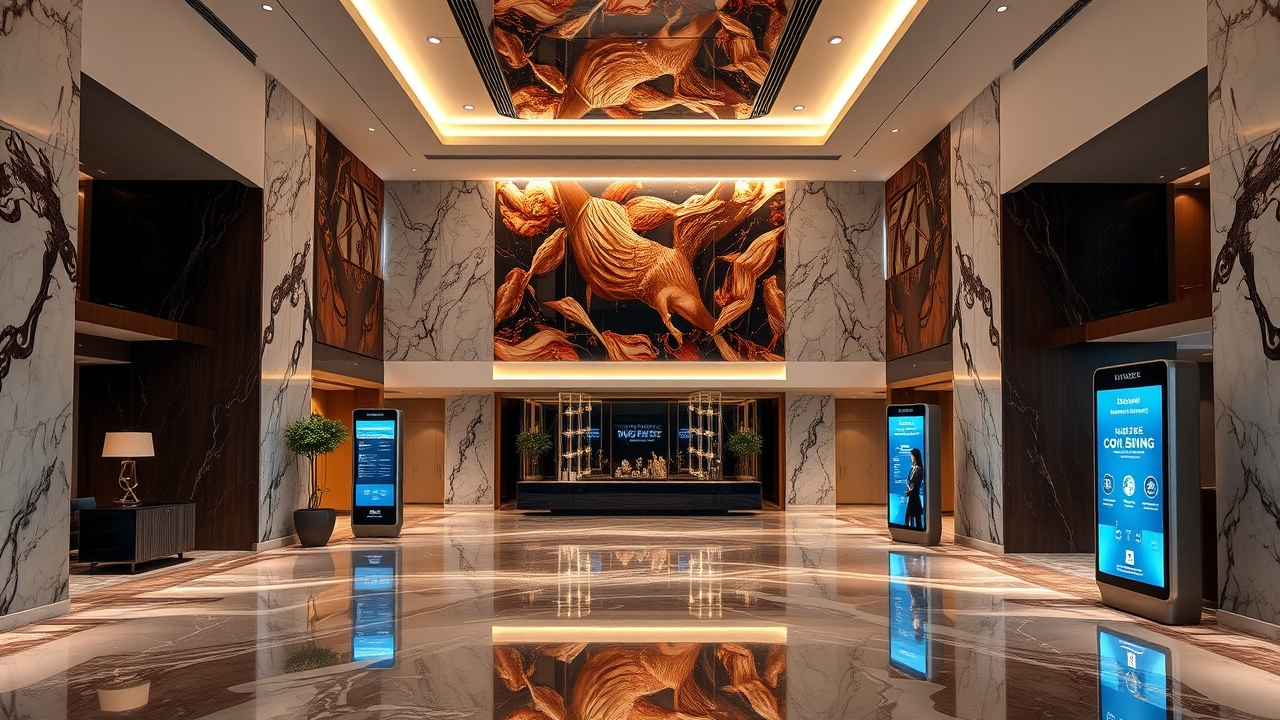
What most people miss in the 2026 market is that ‘monthly’ doesn’t mean ‘non-negotiable.’ If you are looking at a monthly serviced apartment and can commit to 6 months upfront via a single payment, you can often negotiate a 10-15% discount, bringing the price very close to a yearly Ejari rate without the legal baggage of a traditional lease. This ‘hybrid’ approach is currently the ‘pro-tip’ for savvy expats who want the best of both worlds.
Generally, no. Ejari is reserved for yearly tenancy contracts (minimum 1 year). Monthly rentals are registered under the Department of Economy and Tourism (DET) as holiday homes or hotel apartments. However, this is perfectly legal for residency purposes if you have a corporate housing letter.
While the rent itself is lower, the cost of furnishing a 1-bedroom apartment in Dubai in 2026 averages AED 25,000 – 40,000 for decent quality. If you stay for only one year, the monthly serviced apartment is almost always more cost-effective.
The Golden Visa has increased demand for yearly contracts because holders are looking for long-term stability. However, it has also increased the supply of high-quality monthly rentals as investors buy properties specifically to cater to the ‘Digital Nomad’ segment of the Golden Visa program.
Yes, in 2026, most major property management firms and serviced apartment operators accept credit cards. For yearly contracts, the ‘Direct Debit’ system through the Central Bank of the UAE is now more common than physical paper checks.
Navigating the Dubai rental market in 2026 requires a balance of financial foresight and lifestyle flexibility. For those with a long-term vision and established residency, a yearly Ejari contract in a ‘Green Star’ rated building offers the best value. However, for the modern professional or the newcomer, the monthly serviced apartment model provides a frictionless, high-quality entry point into one of the world’s most dynamic cities. Regardless of your choice, always ensure your transaction is registered through official DLD or DET channels to protect your rights in this thriving ecosystem.

Methodology: This guide was compiled by analyzing Q1 2026 Dubai Land Department transaction data, updated RERA regulatory frameworks, and first-hand tenant experience within the 2026 ‘Digital Ejari’ ecosystem. Our data sources include official government portals and real-time market liquidity metrics.