Al Reem Island: The Expat’s Guide to Short-Term Rentals
- September 22, 2026
- Hotel Apartments
A deep-dive guide for expats navigating the 2026 short-term rental market on Al Reem Island, covering the ADGM expansion, tower comparisons, and... Read More
 by Serviced Apartments
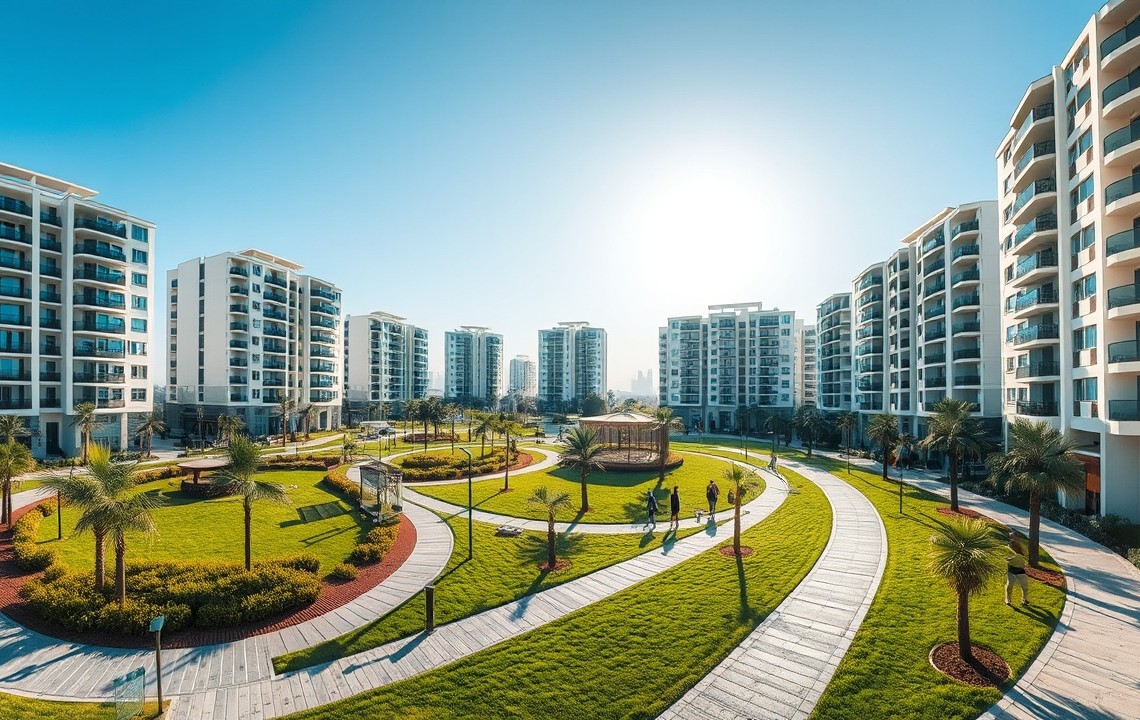
For decades, the narrative of Dubai real estate was centered on two primary pillars: the high-rise luxury of the Marina and the prestige of Downtown. However, the maturation of the market has led to a decentralization of demand. Modern investors and residents are increasingly prioritizing space, green infrastructure, and integrated community living over mere proximity to the Burj Khalifa. This shift is driven by the Dubai 2040 Urban Master Plan, which aims to create a ’20-minute city’ where residents can access 80% of their daily needs within a 20-minute journey via walking, cycling, or public transit.
As the city expands, popular Dubai residential areas are being redefined. We are seeing a move toward the ‘South’ and ‘East’ of the traditional center, where land is more available for sprawling villa communities and tech-integrated apartment complexes. This evolution is not just about geography; it is about the changing demographic of the city, with more long-term expatriates seeking a place to call home rather than a temporary landing pad.
Jumeirah Village Circle, commonly known as JVC, has emerged as one of the most consistent performers in terms of rental yields and transaction volume. Developed by Nakheel, it is designed as a circular community centered around a massive park system. It caters primarily to young professionals and small families who want affordability without sacrificing quality of life.
The investment case for JVC is built on its accessibility to major highways like Al Khail Road and Sheikh Mohammed Bin Zayed Road. Unlike the saturated markets of the Marina, JVC offers a mix of low-rise apartments, townhouses, and villas. Many developers, including Binghatti and Ellington, have capitalized on this area, delivering premium finishes that rival luxury districts at a fraction of the cost. For those looking at future growth, exploring offplan projects in JVC provides a strategic entry point into a community that is still maturing.
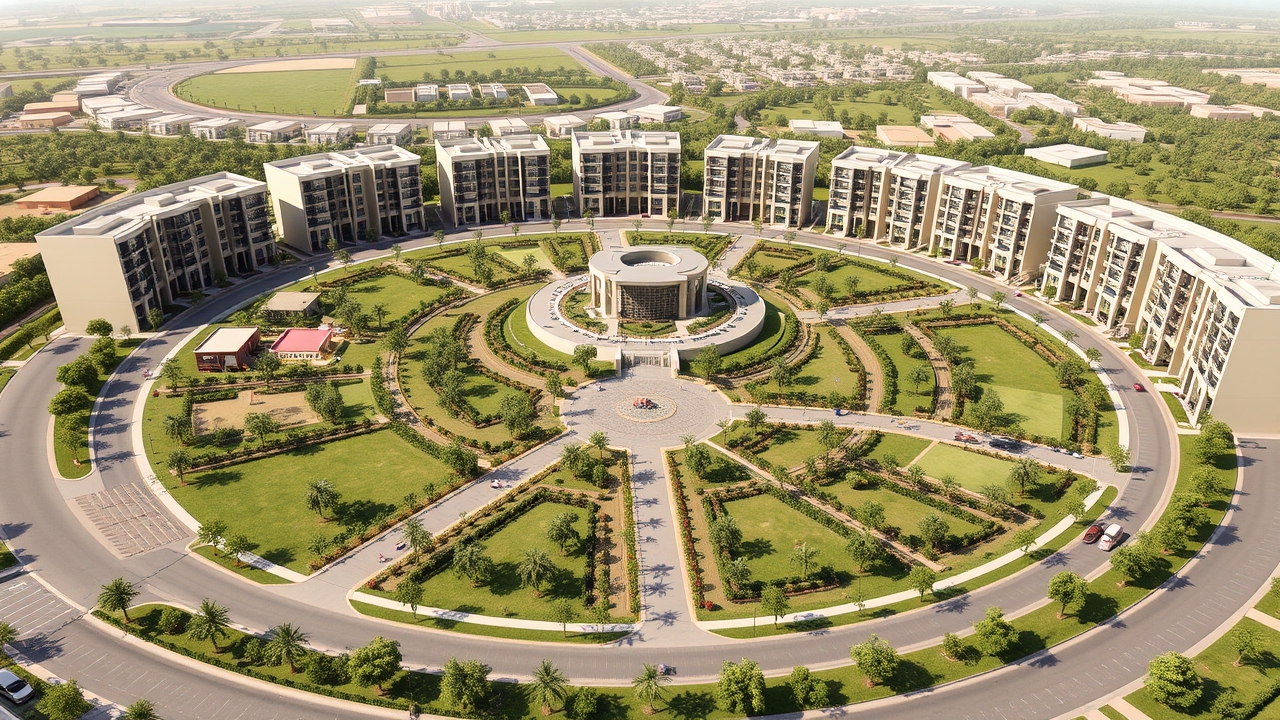
Often referred to as the ‘Green Heart of Dubai,’ Dubai Hills Estate is a joint venture between Emaar Properties and Meraas. It is a massive master-planned community that bridges the gap between suburban villa living and high-end apartment lifestyle. What sets this area apart is the sheer scale of its infrastructure, including the Dubai Hills Park, the Dubai Hills Mall, and an 18-hole championship golf course.
Dubai Hills has quickly become a favorite for high-net-worth families. The presence of world-class educational institutions like King’s School and GEMS International School makes it a long-term residential choice rather than a transient one. The capital appreciation here has been significant, particularly in sub-communities like Maple and Sidra, where villas have seen a steady rise in value since their handover. It represents a refined balance of nature and urbanity that is hard to find in the concrete-heavy Downtown corridors.
If Downtown was the focus of the last two decades, Dubai Creek Harbour is the focus of the next two. This waterfront development is designed to be twice the size of Downtown Dubai. It is built on the banks of the historic Dubai Creek and offers stunning views of the Ras Al Khor Wildlife Sanctuary, home to thousands of flamingos.
The development is a showcase of sustainable urban design. With the upcoming Creek Tower and integrated transport links, it is positioned as a future financial and tourism hub. For investors, this area offers a ‘buy-and-hold’ opportunity. The infrastructure is being built to the highest modern standards, featuring smart city technologies and pedestrian-friendly walkways. You can learn more about how this area fits your portfolio by visiting our contact us page for a detailed consultation.
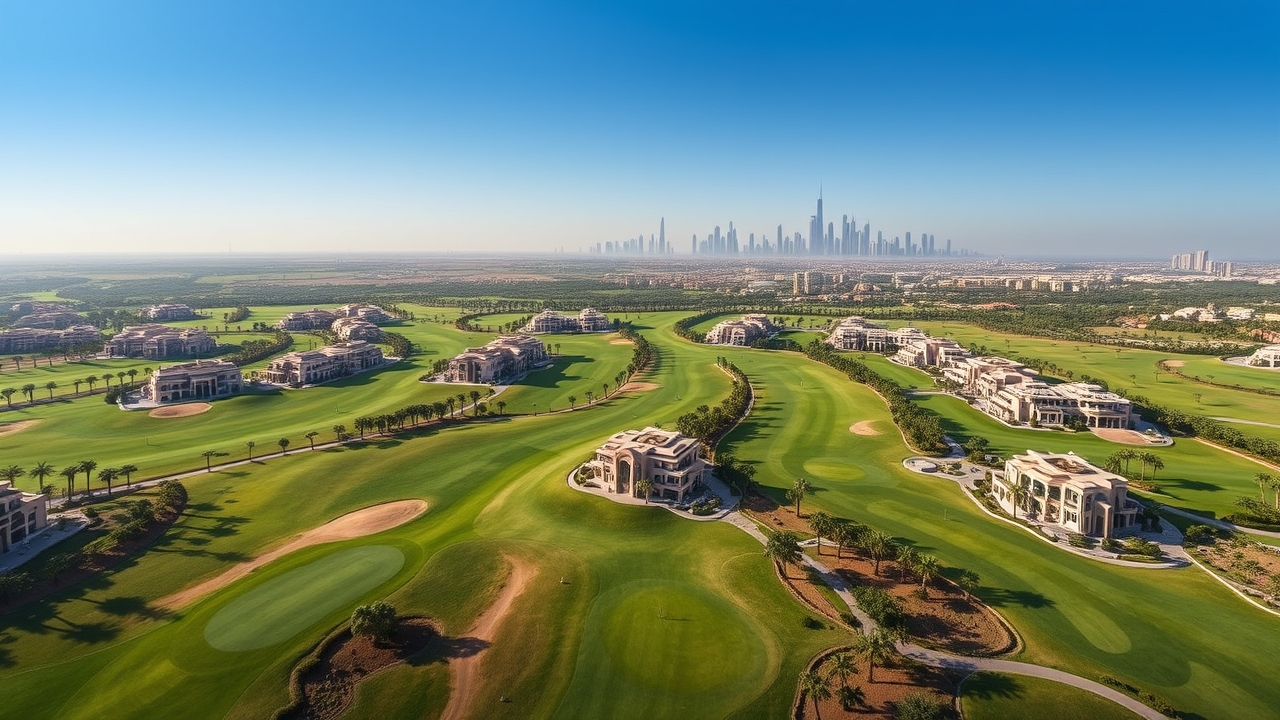
To understand the market dynamics, it is essential to look at the hard numbers. The following table provides a snapshot of how these popular Dubai residential areas compare in terms of investment potential and lifestyle fit.
| Area | Avg. Price (AED/sq ft) | Avg. Rental Yield (%) | Primary Resident Profile |
|---|---|---|---|
| JVC | 1,100 – 1,400 | 7.5% – 8.5% | Young Professionals |
| Dubai Hills Estate | 1,800 – 2,500 | 6.0% – 7.0% | Established Families |
| Dubai Creek Harbour | 2,000 – 2,800 | 5.5% – 6.5% | Luxury Seekers / Investors |
| Arabian Ranches | 1,500 – 2,200 | 5.0% – 6.0% | Suburban Families |
| Business Bay | 1,900 – 2,600 | 6.5% – 7.5% | Urban Professionals |
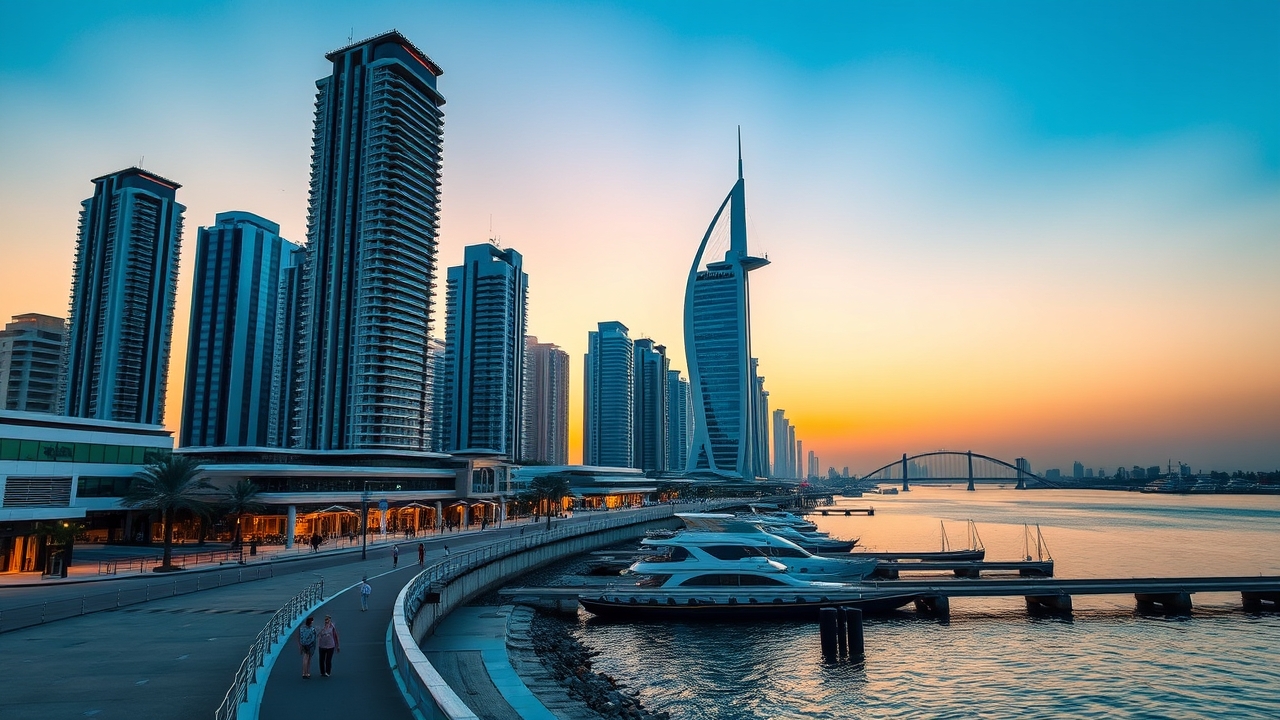
Arabian Ranches is perhaps the most famous villa community in the UAE. It set the benchmark for suburban living when it was first launched and continues to hold its value. Now in its third phase (Arabian Ranches III), the community has evolved from traditional desert-themed architecture to modern, clean-lined designs.
What makes the Ranches one of the most popular Dubai residential areas is the sense of established community. It is not just about the houses; it is about the polo club, the golf courses, the community centers, and the shaded walkways. According to data from the Dubai Land Department, established communities like Arabian Ranches have shown remarkable resilience during market fluctuations, making them a safe haven for capital preservation.
While adjacent to Downtown, Business Bay has its own distinct identity. It has transitioned from a purely commercial district into a vibrant mixed-use neighborhood. The extension of the Dubai Water Canal has completely transformed the aesthetic and lifestyle of the area, providing waterfront promenades and luxury high-rise living.
Investors favor Business Bay because of its proximity to the DIFC (Dubai International Financial Centre) and the major corporate hubs. It offers a more contemporary, ‘hustle-and-bustle’ vibe than the suburban areas mentioned earlier. The area is also seeing a surge in branded residences—partnerships between developers and luxury brands like Bugatti and Pagani—setting new records for price per square foot in the district.
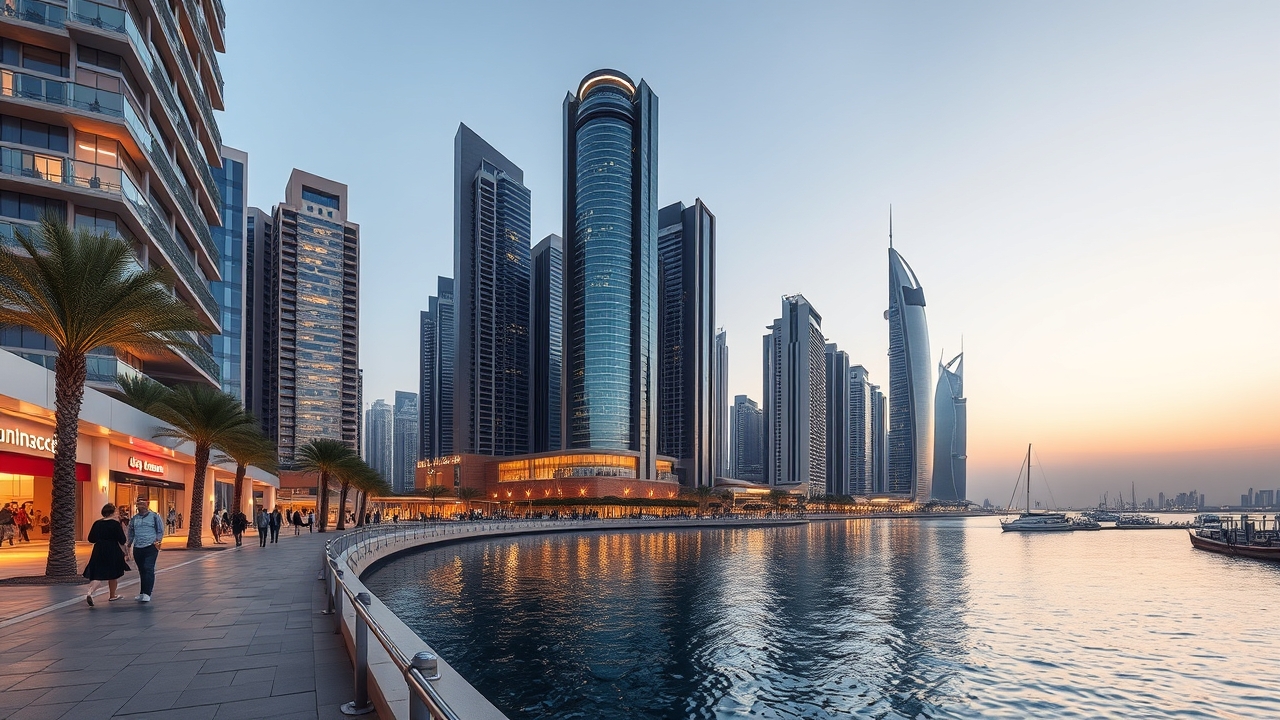
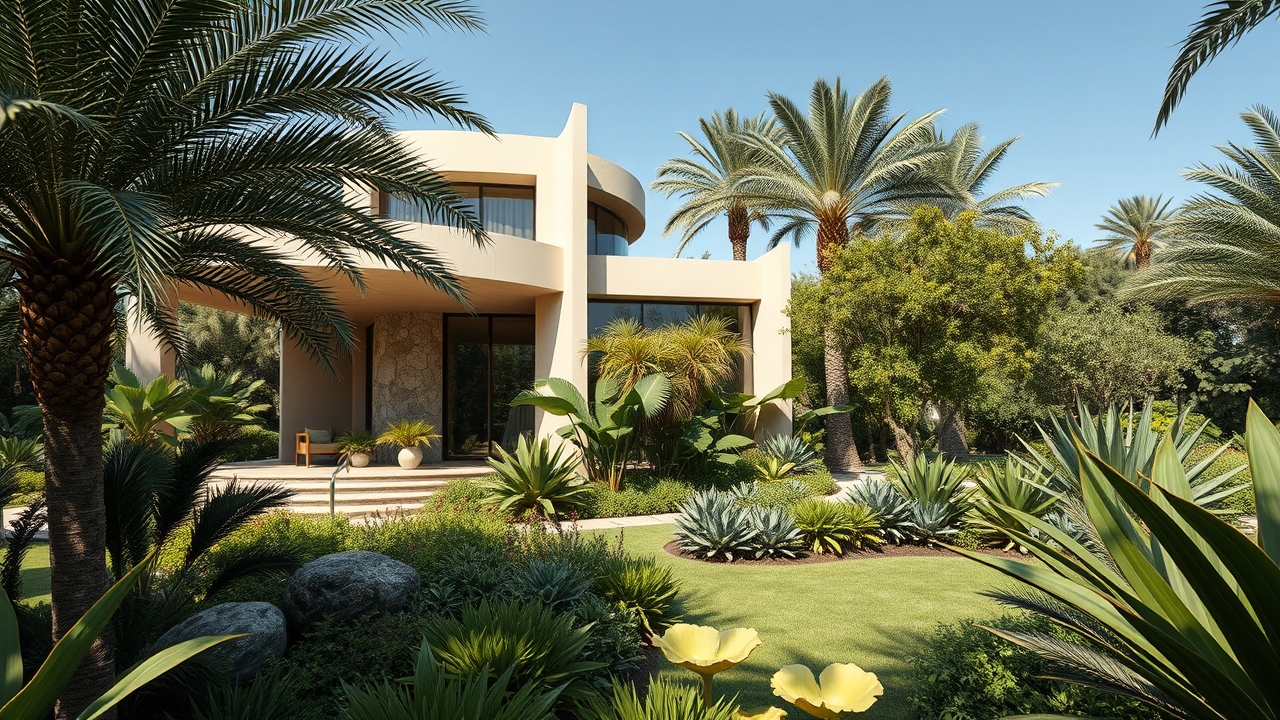
For those who find the city too loud and the desert too dry, Al Barari offers a lush, green alternative. Over 60% of this community is dedicated to green space, lakes, and landscaped gardens. It is widely considered the most eco-conscious development in the region.
Al Barari is unique because it caters to a niche market of ultra-high-net-worth individuals who prioritize privacy and botanical serenity. The villas here are architectural masterpieces, often coming with large plots that are rare in newer developments. It represents the pinnacle of sustainable luxury and remains a top choice for those looking for popular Dubai residential areas that offer a ‘hidden’ feel while remaining within 20 minutes of the city center.
A new frontier of residential excellence is being established along the Hessa Street and Umm Suqeim Road corridors. Damac Hills (formerly Akoya) has matured into a fully functional community with a Trump-branded golf course, a wave pool (Malibu Bay), and diverse housing options from studios to mansions.
Nearby, Tilal Al Ghaf by Majid Al Futtaim has become one of the most sought-after offplan launches in recent years. Its centerpiece, the Lagoon Al Ghaf, offers white sandy beaches in the middle of the desert. The demand for Tilal Al Ghaf has been so high that most phases sold out within hours of launch, highlighting the market’s hunger for lifestyle-centric, lagoon-based communities.
Why are people flocking to these areas? Several factors contribute to the rising profile of these neighborhoods:
Furthermore, the government’s proactive stance on long-term visas, such as the Golden Visa, has encouraged expatriates to view Dubai as a permanent home. As reported by global news agencies, this has led to a surge in end-user buyers, who are less likely to flip properties and more likely to invest in the quality and community aspects of their neighborhood.
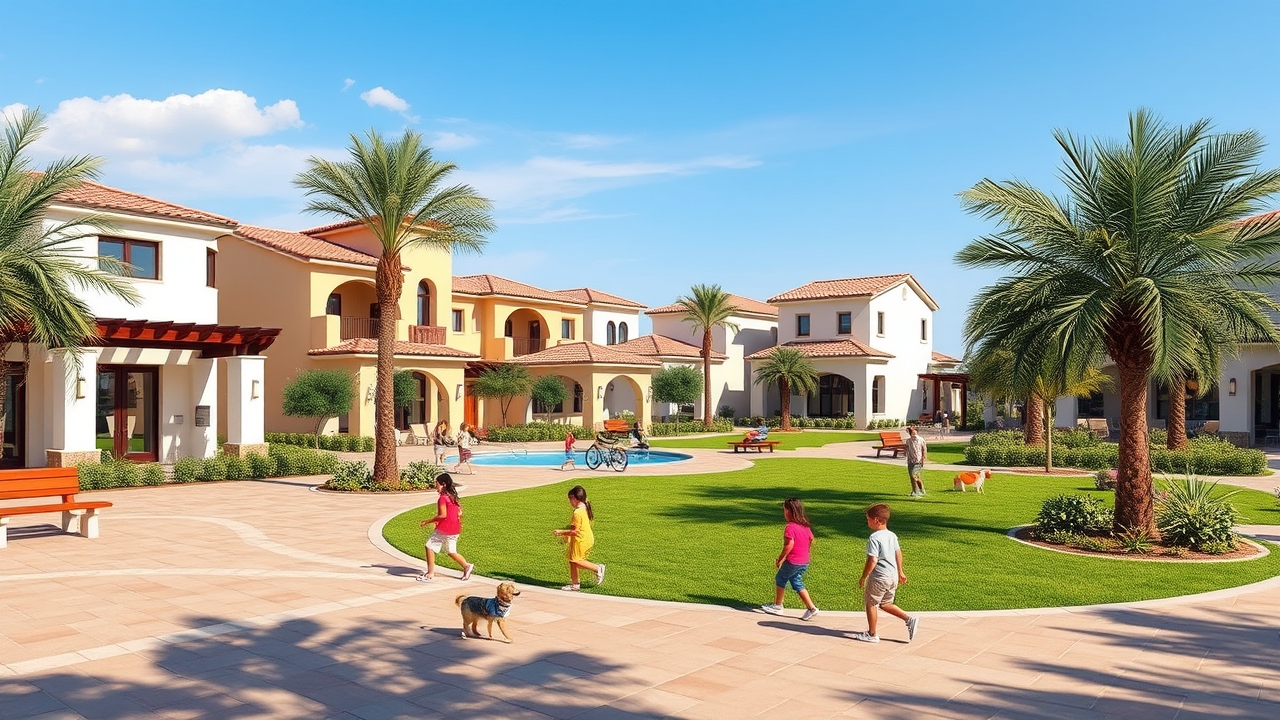
When looking at popular Dubai residential areas, investors should differentiate between ‘Yield Play’ and ‘Capital Growth Play’.
If your goal is monthly cash flow, JVC, Arjan, and Dubai Silicon Oasis are your targets. These areas have high occupancy rates and lower entry prices. The rental demand is driven by the vast middle-income workforce of Dubai. Because the purchase price is lower, the percentage of return (yield) is naturally higher, often reaching 8% or more net.
If your goal is to sell the property for a profit in 5–10 years, look toward Dubai Creek Harbour, Dubai Hills, and Emaar South. These areas are still developing their full infrastructure. As more malls, parks, and metro links open, the intrinsic value of the land increases. Buying offplan in the early phases of a master community is a classic strategy for capital appreciation.
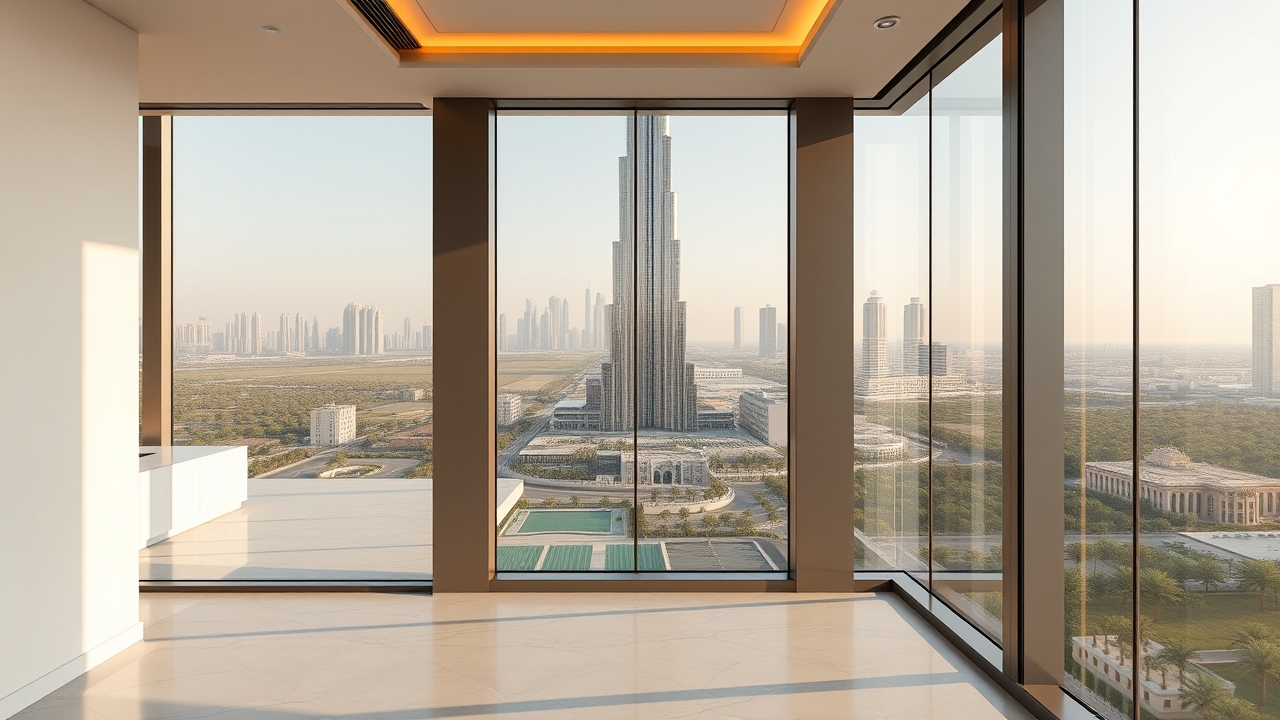
Dubai Hills Estate, Arabian Ranches, and Jumeirah Golf Estates are consistently ranked as the top areas for families due to their abundance of parks, international schools, and gated security.
It depends on your risk appetite. Established areas like the Marina or Ranches offer stability and predictable income. Emerging areas like Creek Harbour or Tilal Al Ghaf offer higher potential for capital gains but come with the risk of construction delays or changing market dynamics.
Generally, JVC offers higher gross rental yields (7-9%) compared to Downtown (5-6%). This is because the property prices in JVC are significantly lower, while the rental market remains strong due to its popularity with the city’s workforce.
Yes, all the areas mentioned—JVC, Dubai Hills, Creek Harbour, and Business Bay—are designated as ‘Freehold’ areas, meaning foreign investors can own the property and the land title outright.
The evolution of the Dubai real estate market has provided a wealth of options for those willing to look beyond the immediate glare of the Burj Khalifa and the Marina’s yachts. Whether it is the high-yield potential of JVC, the family-centric luxury of Dubai Hills, or the futuristic vision of Dubai Creek Harbour, the city’s diverse neighborhoods offer something for every strategy. By understanding the unique drivers of each district, investors can navigate the market with confidence. For personalized advice and to explore the latest listings, feel free to contact us today and start your journey in one of the world’s most dynamic property markets.