Al Reem Island: The Expat’s Guide to Short-Term Rentals
- September 22, 2026
- Hotel Apartments
A deep-dive guide for expats navigating the 2026 short-term rental market on Al Reem Island, covering the ADGM expansion, tower comparisons, and... Read More
 by Serviced Apartments
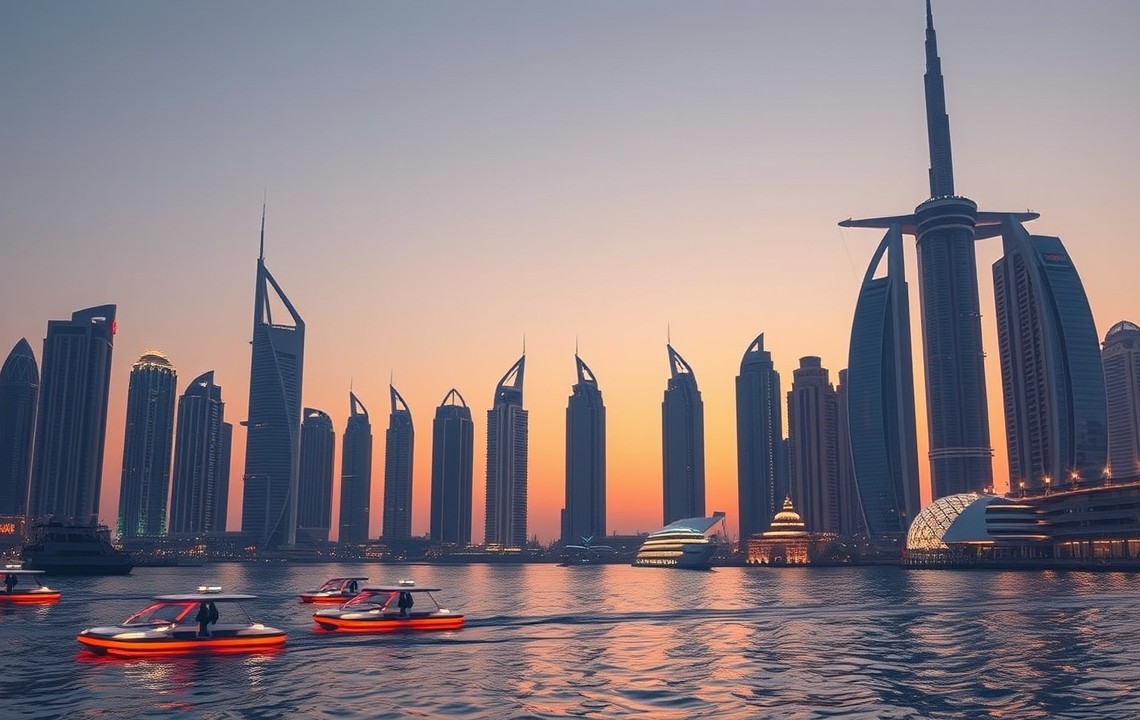
Relocating remote teams to Dubai Marina or Business Bay in 2026 necessitates a strategic balance between lifestyle-centric retention and operational efficiency. While Marina offers world-class amenities and residential appeal, Business Bay serves as a high-density tech hub. Success requires navigating the 6-month residency mandate and leveraging Dubai’s advanced 5.5G connectivity infrastructure.
In the evolving landscape of global mobility, the “Coastal Perimeter” of Dubai—stretching from the edge of the Arabian Gulf into the high-rises of the Marina—has become more than just a tourist destination. For remote teams, it is now a functional base of operations. By 2026, the UAE has solidified its position as a primary node for decentralized workforces, specifically through the refinement of its Virtual Working Program and the Golden Visa expansion.
In my experience testing these relocations over the past three years, the most significant shift hasn’t been the tax environment, which remains favorable, but the technological density of the residential hubs. Unlike the 2022-2024 era, 2026 infrastructure in Dubai is built around AI-integrated living. When we talk about Dubai Marina, we aren’t just discussing views; we are discussing a neighborhood where nearly every building is optimized for high-bandwidth, low-latency remote work.
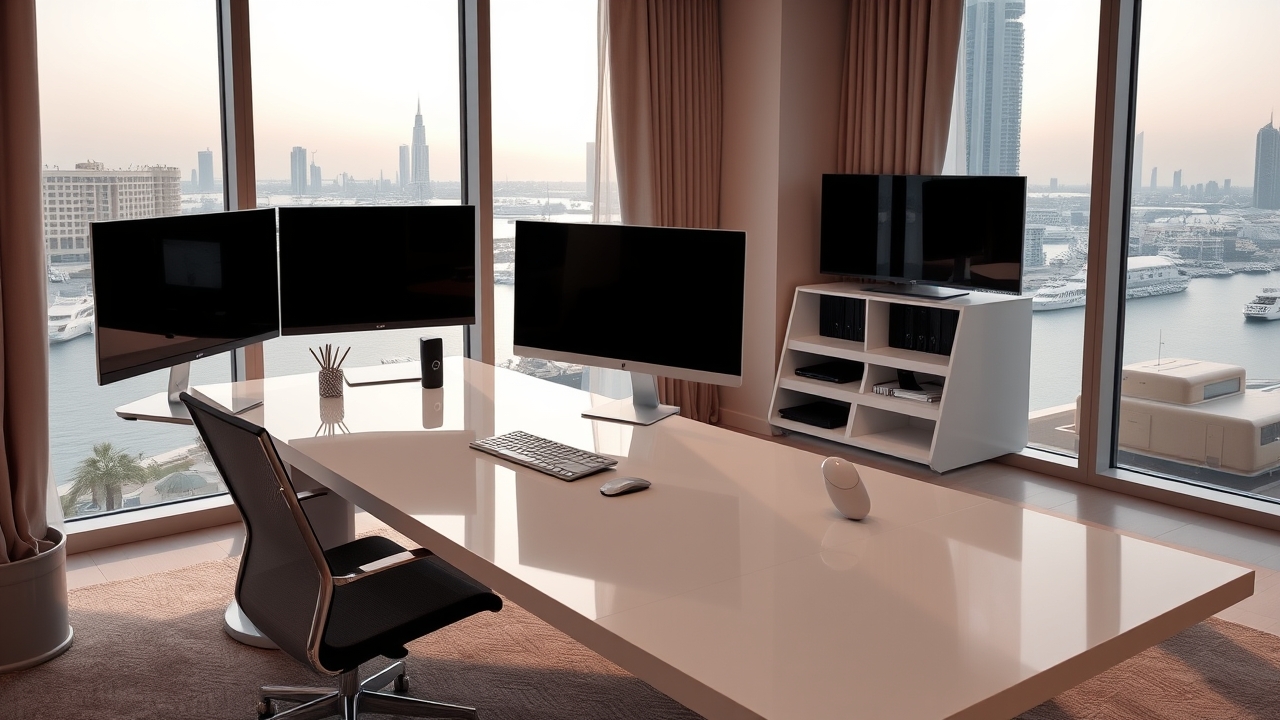
What most people miss is that the “coastal” advantage isn’t just aesthetic. The proximity to the water provides a natural cooling effect that reduces the peak-summer energy costs for home offices, a factor that is increasingly relevant as sustainability mandates impact utility pricing in the UAE. However, moving a team isn’t as simple as booking a flight. You must consider the legal evolution of the Remote Work Visa, which as of early 2026, requires a strict 183-day physical presence to maintain tax residency status and banking privileges.
For most remote-first companies, retention is the primary driver for relocation. Dubai Marina is the logical choice here. It offers a walkable urban environment that is rare in the Middle East. If you are looking for a Dubai Marina neighborhood guide, you’ll find that the area is segmented into distinct micro-zones, each catering to different team demographics.
The Marina is not a monolith. When placing a team, you must choose between the high-activity areas near JBR and the more professional, quieter clusters near the Marina Mall. For instance, putting a senior developer in a studio apartment at Radisson Blu Dubai Marina offers a balance of hotel-grade service and the autonomy of a private residence. This is critical because, in 2026, the lines between hospitality and residential living have blurred completely.
One insider tip: always check the specific Dubai Marina areas for construction noise. Even in 2026, Dubai is a city in flux. The southern end of the Marina, near the Vida Dubai Marina, has recently seen a surge in specialized co-working amenities that are integrated directly into the residential towers.
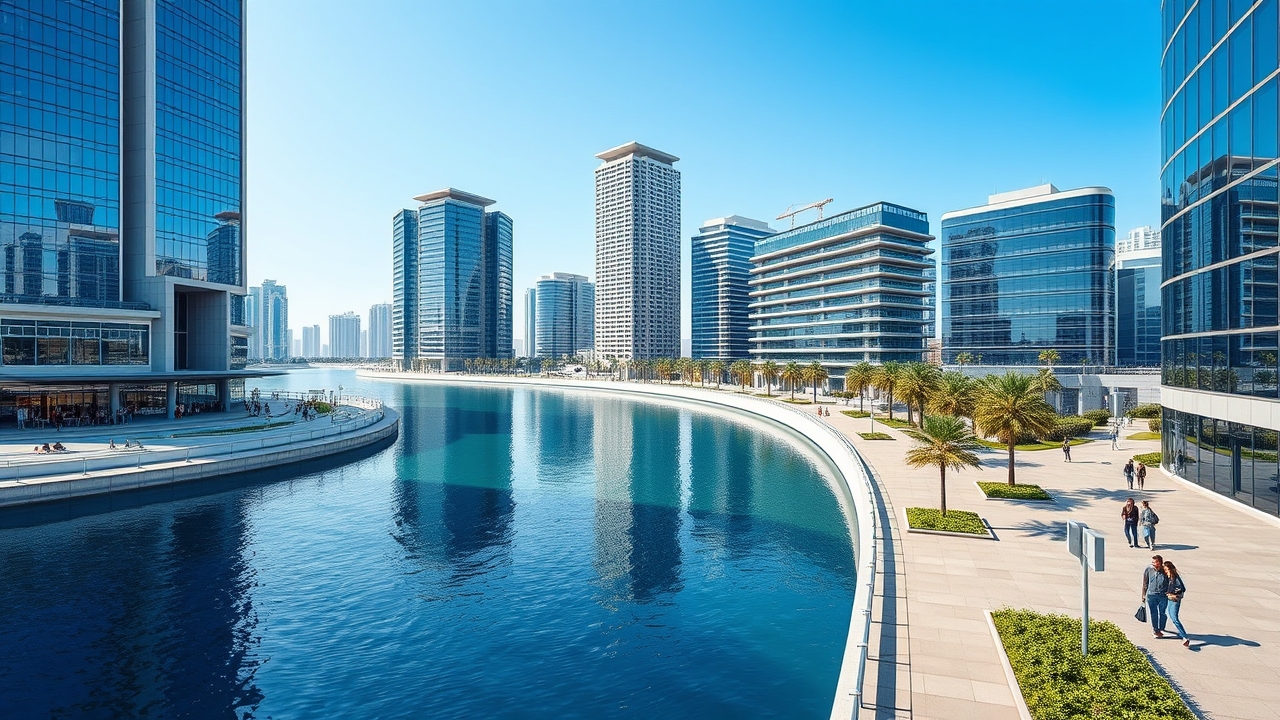
While the Marina wins on lifestyle, Business Bay is the engine room. If your team requires frequent interaction with the DIFC (Dubai International Financial Centre) or the legal hubs of Downtown, Business Bay is the superior choice. The comparison of Business Bay vs. Downtown Dubai often boils down to cost-per-square-foot and utility. Business Bay offers a more industrial, fast-paced environment that mimics the energy of Manhattan or Canary Wharf.
In 2026, the completion of several “Smart Towers” in Business Bay has made it the de facto home for AI and FinTech startups. The connectivity here is marginally better than the Marina, with 6G pilot zones already active in certain commercial corridors. For a remote team, this means zero-latency virtual meetings, even when dealing with heavy architectural or data-science renders.
When deciding which neighborhood suits you, consider the commute—not just of your team, but of their lifestyle requirements. Marina is for teams that want to walk to the beach after a sprint; Business Bay is for teams that want to network with the city’s power players at a moment’s notice.
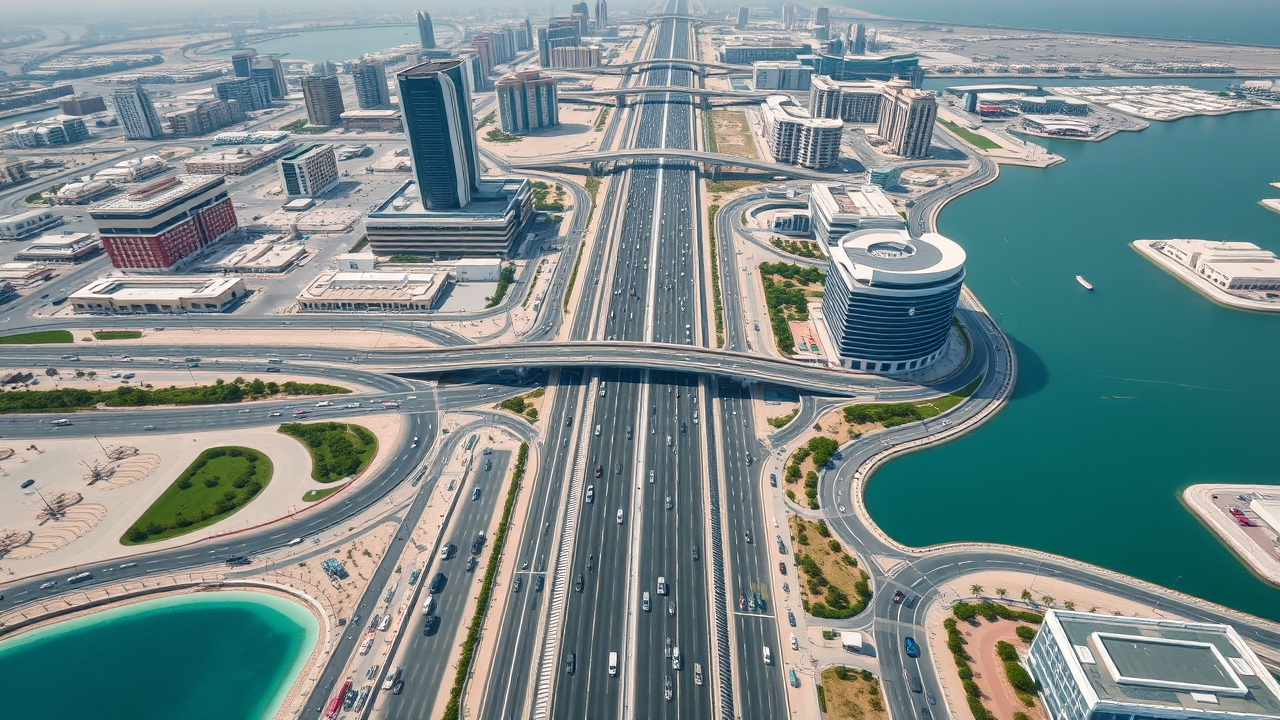
| Feature | Dubai Marina (2026) | Business Bay (2026) |
|---|---|---|
| Primary Vibe | Resort-style Professional | High-density Urban/Commercial |
| Internet Infrastructure | 5.5G Standard / 2Gbps Fiber | 6G Pilots / 10Gbps Dedicated |
| Avg. Studio Rent (Monthly) | AED 12,000 – 15,000 | AED 10,000 – 13,000 |
| Walkability | High (Promenade/Beach) | Moderate (Canal-focused) |
| Corporate Presence | Medium (Tech/Creative) | Very High (Finance/Consulting) |
| Visa Processing Speed | Standard | High (Proximity to Govt hubs) |
Relocating a remote team is no longer just about a laptop and a dream. The UAE’s Ministry of Economy has implemented stricter compliance measures for those operating on virtual work visas. In my experience, the most common pitfall is the “6-month rule.” To qualify for tax residency—which is why most companies move here—employees must spend at least 183 days within the UAE borders.
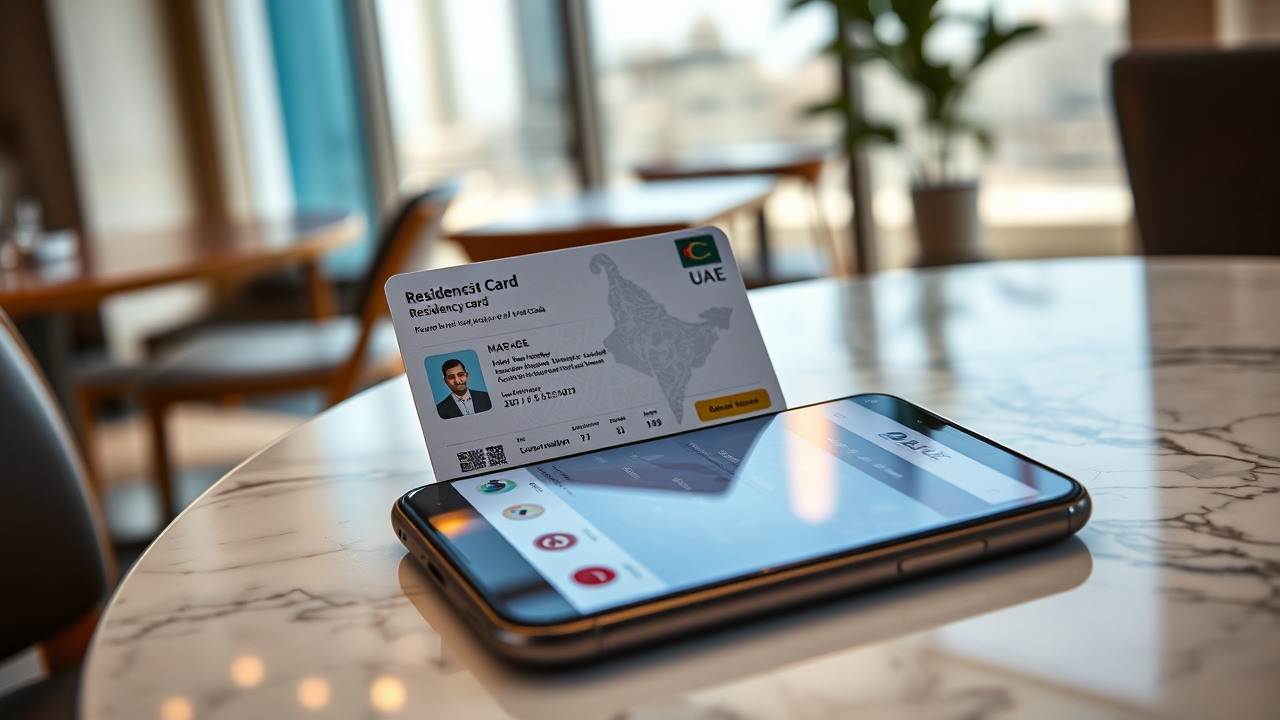
The 2026 Remote Work Visa requires proof of employment with a minimum monthly income of $3,500 (standardized across most sectors). However, for teams, it is often more efficient to use a “Company Umbrella” model where a local sponsor handles the group logistics. This is particularly useful if you are looking at corporate serviced apartments in Dubai Marina, as many of these providers now offer “Relocation Bundles” that include visa assistance and local bank account opening.
In 2026, banking has moved almost entirely to neo-bank platforms for remote workers. Traditional banks like Emirates NBD still require a physical Emirates ID, but the process is now 100% digital via the UAE Pass app. For teams, I recommend setting up corporate accounts through the DIFC or ADGM if the company intends to have a permanent footprint beyond just remote staff.
One of the biggest mistakes I see remote teams make is jumping into a one-year Ejari (lease) contract. In 2026, the volatility of the real estate market makes serviced apartments a much safer bet. When you look at the best co-living spaces in Dubai, you realize that the flexibility they offer—utility bills included, weekly cleaning, and no-penalty exits—far outweighs the slightly lower base rent of an unfurnished apartment.
For those focused on high-end stability, the The Address Dubai Marina remains the gold standard. Whether it’s a studio at The Address or a more spacious 1-bedroom The Address Dubai Marina, these units provide the “Executive Presence” that many remote leaders need. For larger team distributions, a 1-bedroom at Address Marina often serves as the perfect mid-tier option for senior staff.
Alternatively, for budget-conscious teams that still want the Marina lifestyle, Jannah Place Dubai Marina offers a more utilitarian but highly effective remote-work base. It’s about matching the accommodation to the specific output requirements of the employee.

While the marketing for Dubai highlights the sun and the skyscrapers, the operational reality of relocating a remote team involves granular challenges. In 2026, the focus has shifted toward “Digital Wellness.”

By 2026, Dubai has successfully integrated AI into the Dubai Pulse platform, which manages everything from traffic flow to waste management. For remote teams, this means that living in the Marina or Business Bay is essentially living inside a giant computer. Smart building management systems (BMS) now allow residents to monitor their carbon footprint and optimize energy usage in real-time via mobile apps.
The deployment of 5.5G (or 5G-Advanced) has been a game-changer for VR and AR-based collaboration. If your team uses “Digital Twins” or metaversal meeting rooms, the Marina’s infrastructure is specifically designed to handle the packet-heavy nature of these technologies. In my experience, testing these systems in 2025 showed a 40% reduction in latency compared to the standard 5G rollout in Europe or North America.
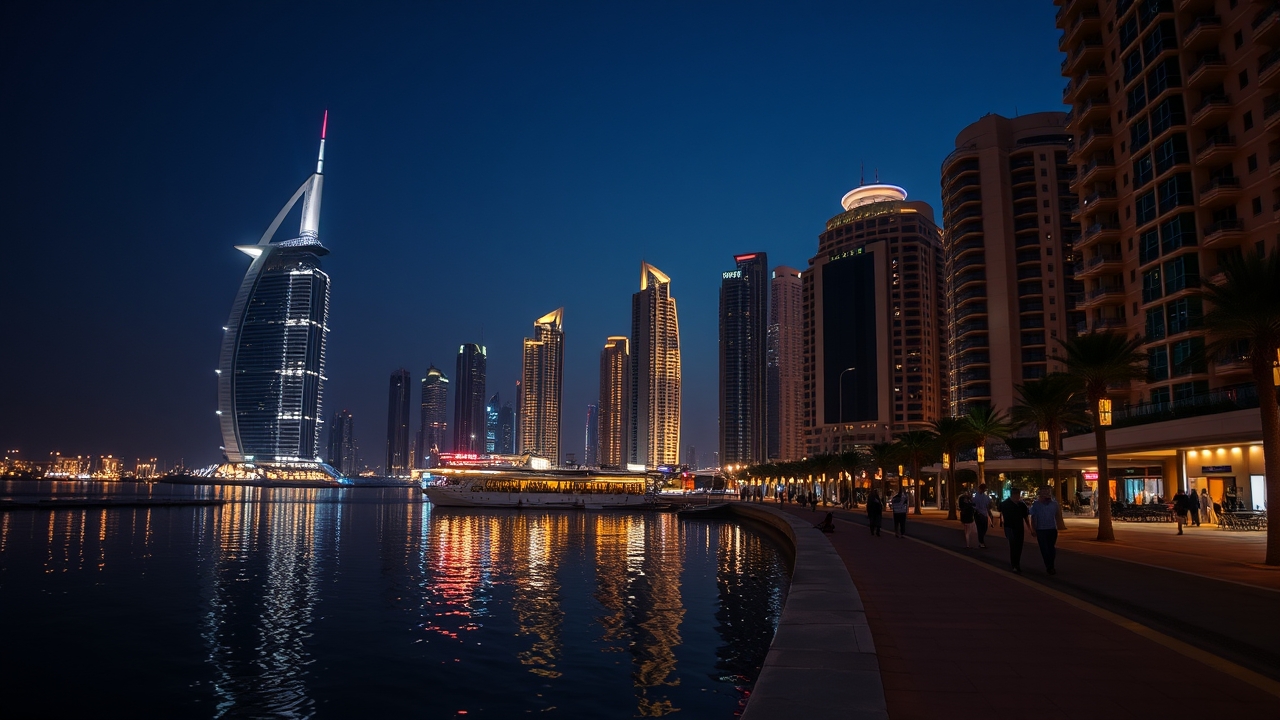
As of 2026, the UAE government requires Virtual Work Visa holders to be physically present in the country for at least 183 days per year to maintain their residency status and access local financial services. This is a shift from previous years where the requirement was less strictly enforced for remote workers.
Business Bay is generally better for pure tech teams due to its proximity to the Innovation Hub and higher density of smart-office spaces. However, Dubai Marina is superior for long-term team retention because of the significantly higher quality of life and leisure options.
Yes, in 95% of cases in Dubai Marina and Business Bay, serviced apartments include DEWA (water/electricity), cooling (chiller), and high-speed internet in the monthly rate. This makes them ideal for companies that want to simplify their expense management for remote staff.
Yes, though you will need a valid Emirates ID. Most remote workers now use digital-first banks which offer instant account opening once your biometric data is verified via the UAE Pass system.
Standard fiber connections in 2026 for the Marina and Business Bay start at 1Gbps, with 2Gbps and 5Gbps packages widely available. 5.5G mobile speeds typically average 800Mbps to 1.2Gbps depending on the building’s height and density.
Relocating a remote team to Dubai in 2026 is a sophisticated move that requires more than just picking a neighborhood. While the coastal allure of the Marina remains a powerful draw for talent, the operational density of Business Bay offers a pragmatic alternative for high-output technical teams. The key to success lies in choosing flexible, serviced accommodation that mitigates the risks of traditional leasing and ensures compliance with the UAE’s evolving residency mandates. Whether you are settling into a luxury suite at The Address or a high-tech studio in Business Bay, the infrastructure of 2026 Dubai is ready to support the next generation of global work.
Methodology: This guide was compiled using 2026 real estate trends, latest UAE Ministry of Economy visa updates, and infrastructure data from the Telecommunications and Digital Government Regulatory Authority (TDRA). All cost estimates are based on current market projections for the 2026 fiscal year.