Al Reem Island: The Expat’s Guide to Short-Term Rentals
- September 22, 2026
- Hotel Apartments
A deep-dive guide for expats navigating the 2026 short-term rental market on Al Reem Island, covering the ADGM expansion, tower comparisons, and... Read More
 by Serviced Apartments
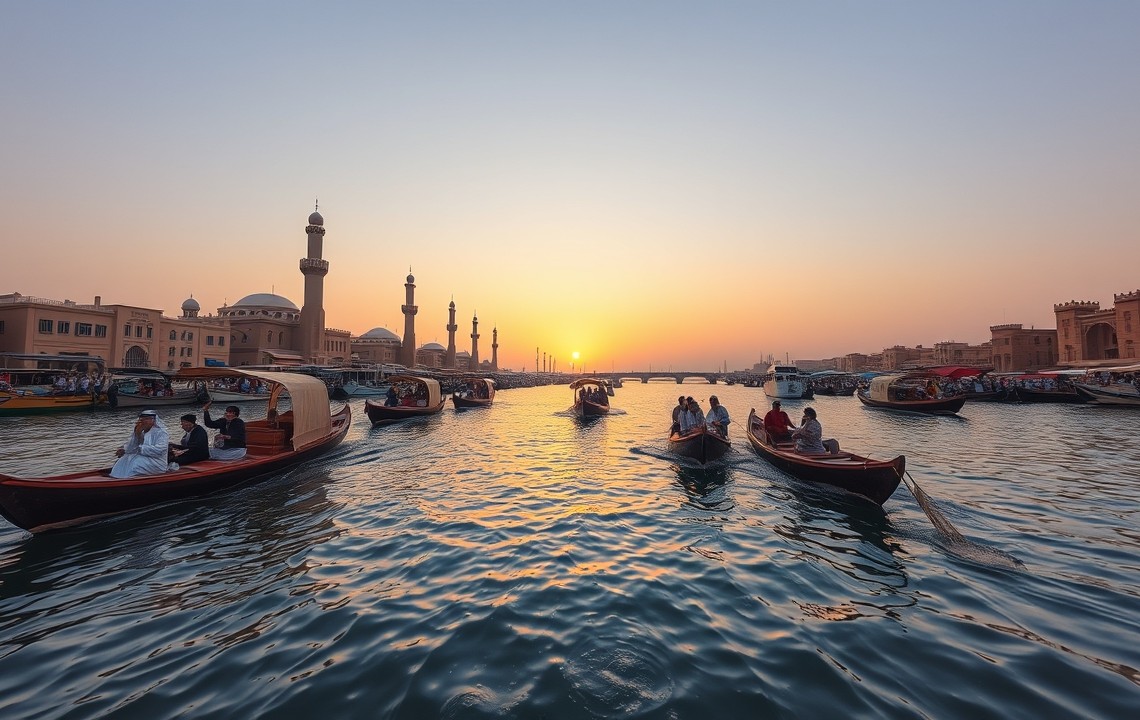
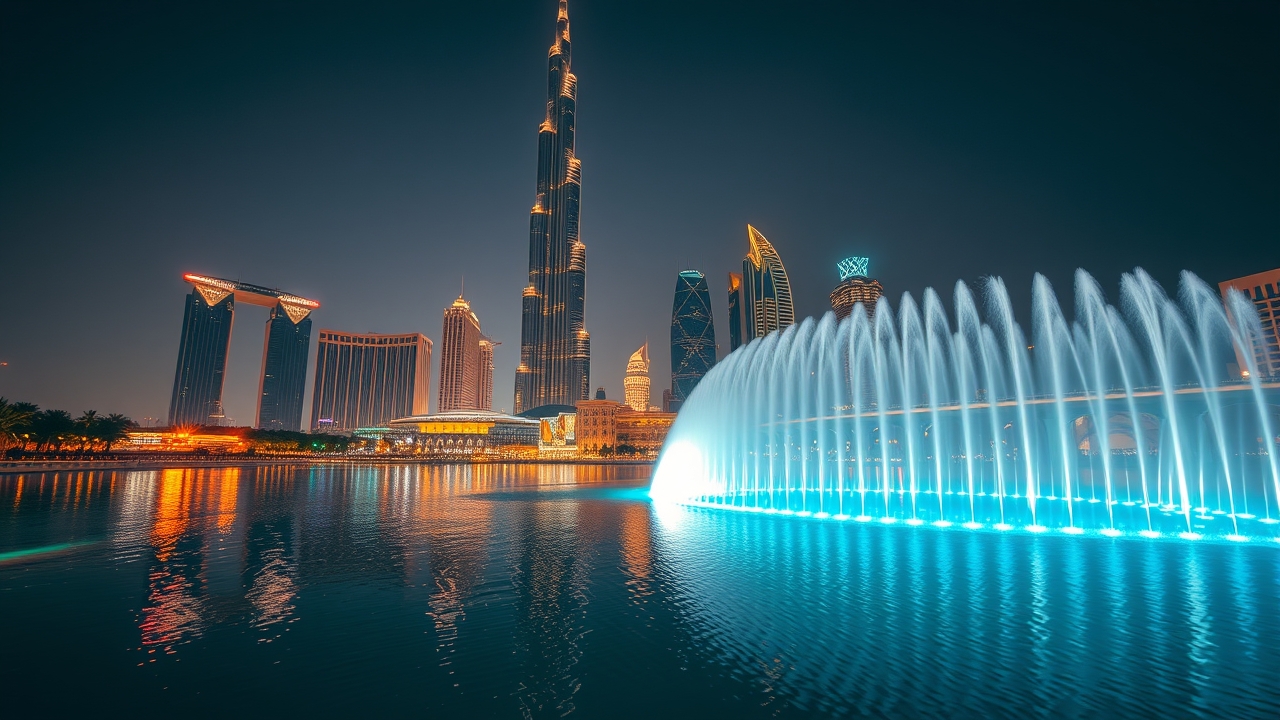
Dubai is a city of profound contrasts, often conceptually split between the historical roots of the north and the ambitious, futuristic developments extending south towards the border of Abu Dhabi. When evaluating Old Dubai vs. New Dubai, it is essential to recognize that these are not official administrative districts but rather cultural and chronological designations. Old Dubai is centered around the Dubai Creek, encompassing the districts of Deira and Bur Dubai. This is where the city’s history as a pearl-diving and trading hub began.
In contrast, New Dubai represents the explosive growth seen over the last three decades. This area includes Downtown Dubai, Business Bay, Dubai Marina, and Palm Jumeirah. These districts are characterized by high-rise residential towers, expansive shopping malls, and man-made islands. For a visitor, the choice of where to stay dictates the rhythm of their day, the cost of their meals, and the ease of access to specific types of attractions.
According to the official tourism portal, Visit Dubai, the city offers a diverse range of experiences that bridge these two worlds. Understanding the nuances of each side is the first step in planning a successful itinerary. Whether you are looking for the scent of saffron in a traditional market or the view of a skyline from a 50th-floor infinity pool, the location of your base will serve as the primary lens through which you see the city.
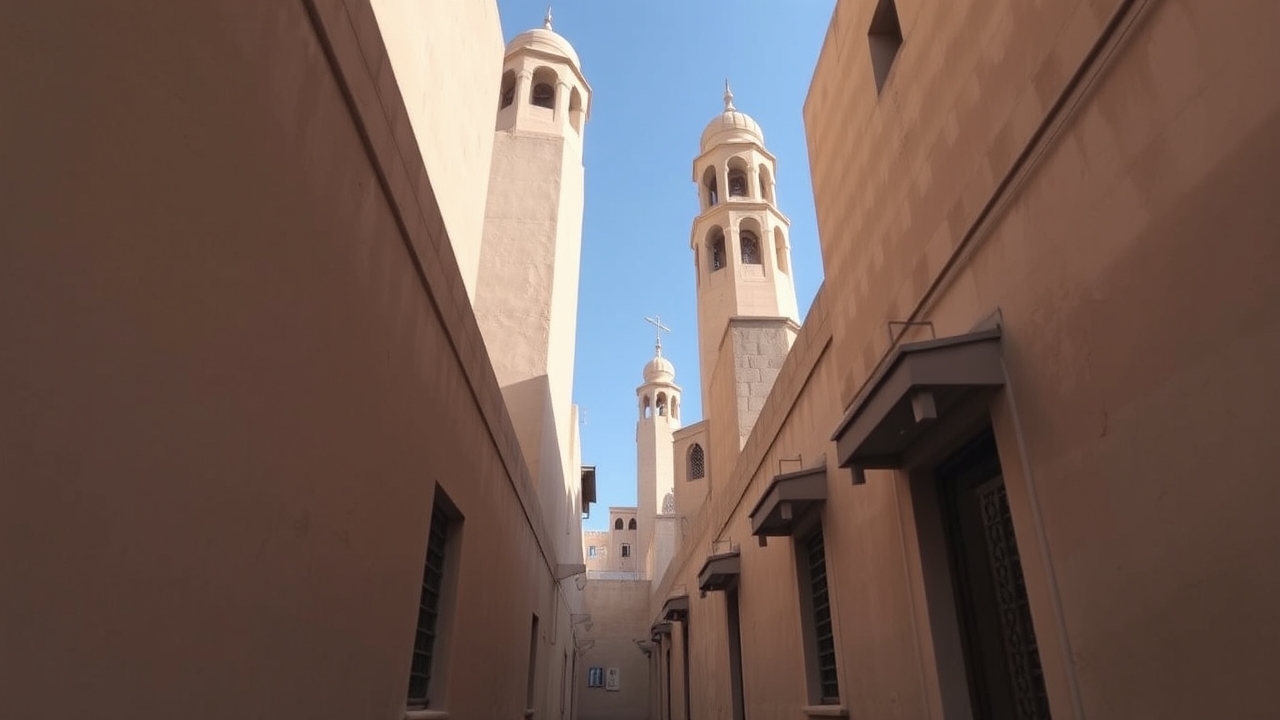
Old Dubai is where the narrative of the city began. Before the discovery of oil and the subsequent construction boom, the lifeblood of the community was the Dubai Creek. This natural saltwater inlet allowed for the flourishing of trade with neighboring regions. Today, the area retains a grit and charm that many find lacking in the more polished southern districts.
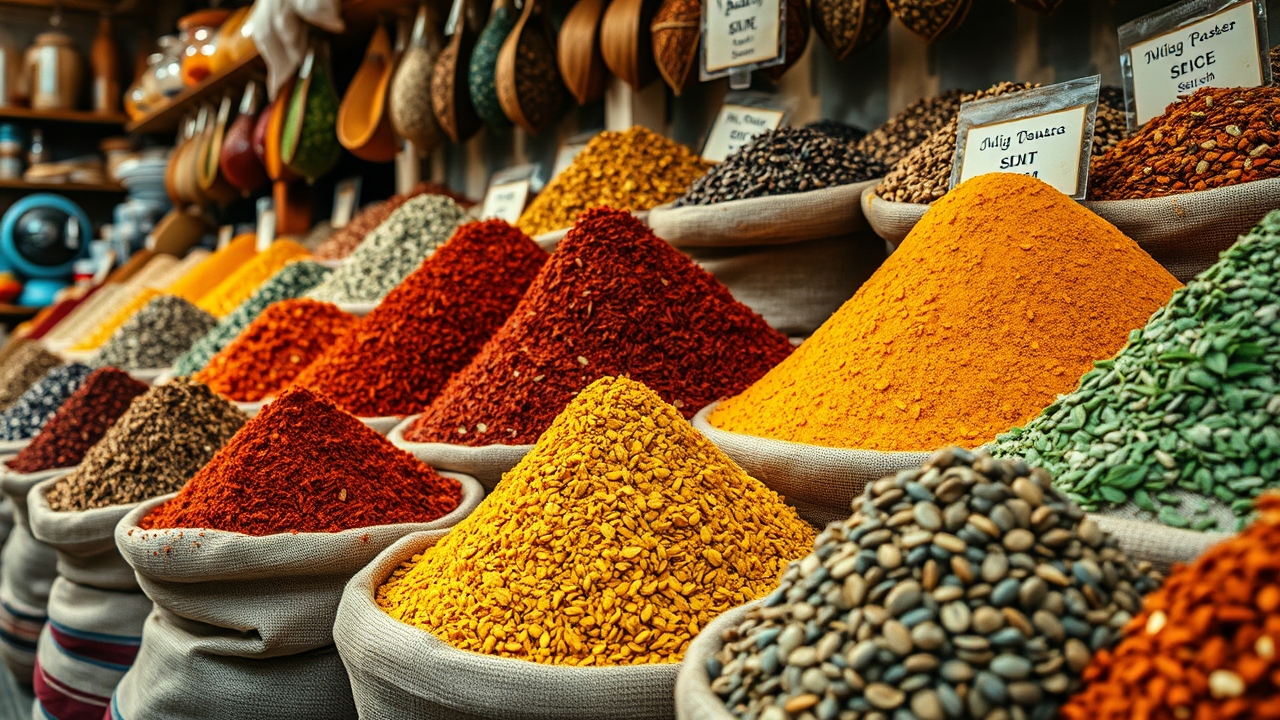
1. Deira: Historically the commercial center of Dubai, Deira is home to the famous Gold Souk and Spice Souk. It is a bustling labyrinth of narrow streets where traditional dhows are still loaded and unloaded by hand. The atmosphere is frantic, aromatic, and deeply immersive.
2. Bur Dubai: Located on the western side of the Creek, Bur Dubai houses the Al Fahidi Historical Neighborhood. This area features the oldest standing building in the city, the Al Fahidi Fort (housing the Dubai Museum). It is a quieter, more residential-feeling historical area compared to Deira.
3. Al Seef: A newer development that blends historical architecture with modern hospitality. It offers a charming boardwalk along the Creek, providing a sanitized but beautiful entry point into the aesthetics of Old Dubai.
Staying in these areas provides an immediate connection to the local way of life. The streets are walkable in a way that New Dubai is not. You will find small cafeterias serving Karak chai for a single Dirham and street vendors selling textiles from across the Indian Ocean.
Choosing Old Dubai offers significant financial advantages. Accommodation costs are generally lower, and the cost of dining is significantly cheaper than in the more tourist-heavy southern districts. Furthermore, the cultural depth is unparalleled. You are surrounded by museums, traditional architecture, and the daily hustle of a working port.
However, there are trade-offs. Traffic in Old Dubai can be incredibly congested, especially during peak hours. The buildings are older, and while many are well-maintained, you won’t find the same level of ultra-modern smart home features common in the Marina. Additionally, if your goal is to spend every day at the beach or at the top of the Burj Khalifa, the commute from Old Dubai can be time-consuming, even with the metro.
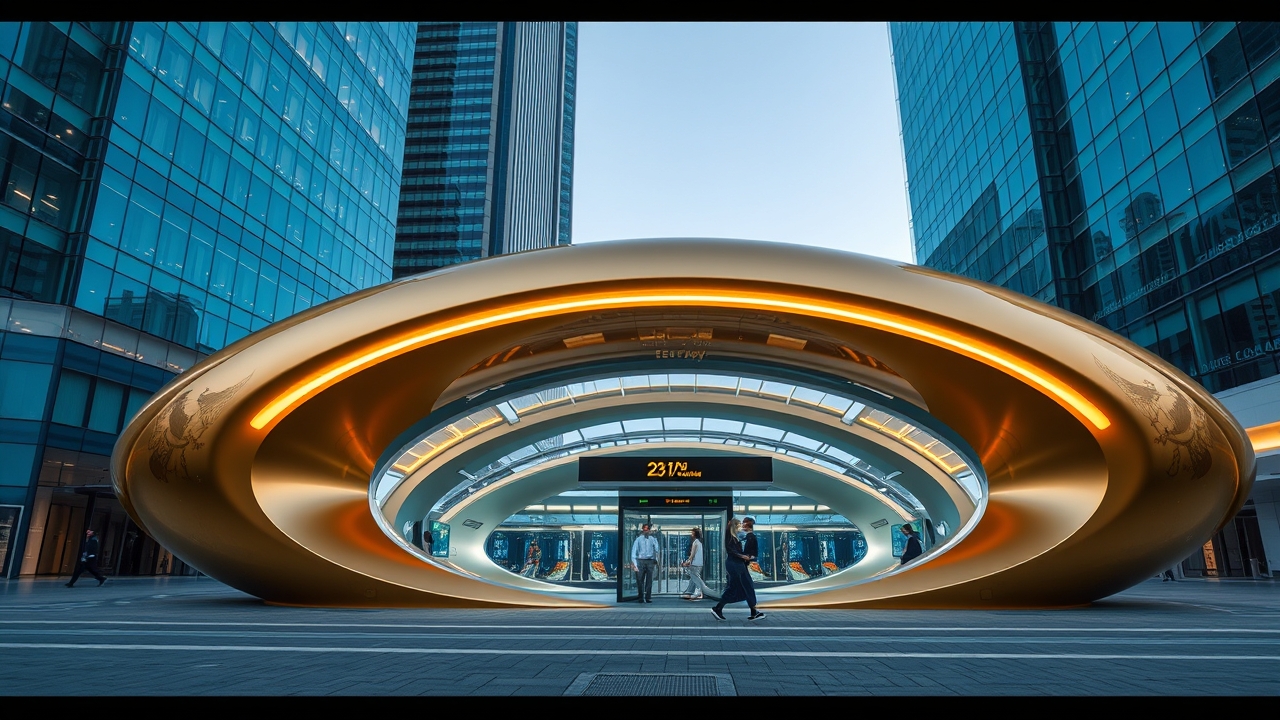
New Dubai is the image most people have when they think of the city today. It is a realm of superlatives—the tallest, the largest, the most expensive. This part of the city was designed with a focus on luxury, convenience, and modern aesthetics. For tourists who want to be in the heart of the action, New Dubai is often the preferred choice.
1. Downtown Dubai: The focal point of the city’s modernity. Home to the Burj Khalifa, the Dubai Mall, and the Dubai Fountain. It is the most prestigious address in the city and offers a high-octane environment.
2. Dubai Marina and JBR: This area is popular for its waterfront lifestyle. With a 7-kilometer pedestrian walkway and proximity to the beach, it is a favorite for those who enjoy outdoor dining and nightlife.
3. Palm Jumeirah: A man-made marvel that offers exclusive beach resorts and private villas. It is ideal for those seeking a secluded, resort-style holiday rather than an urban exploration.
4. Business Bay: Located adjacent to Downtown, it offers high-end residential towers and proximity to the canal, making it a growing hub for business travelers and tourists alike.
For those traveling with relatives, finding the right base is crucial. You might find it helpful to consult a guide on the best areas to stay in Dubai for families to ensure you have enough space and nearby amenities like parks and malls.
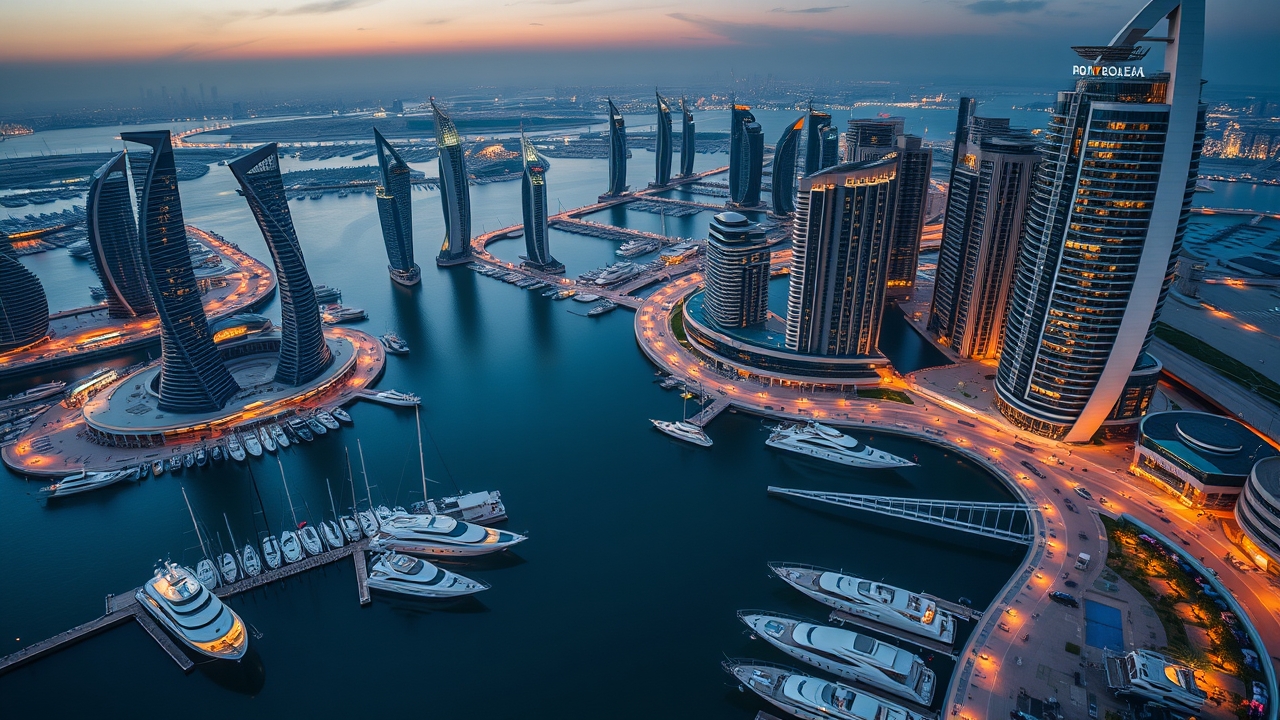
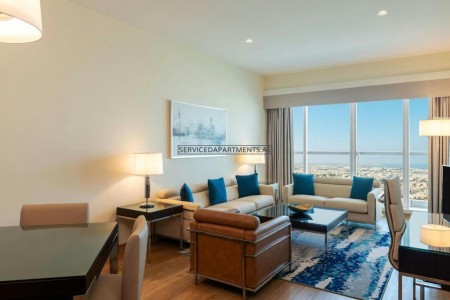
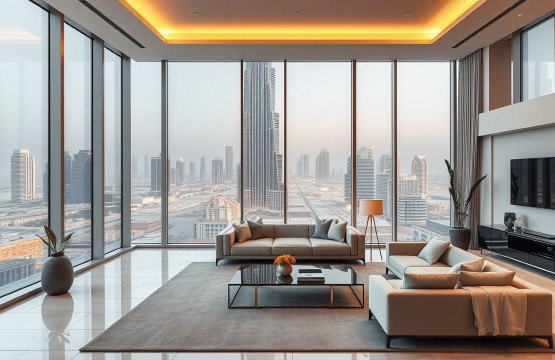
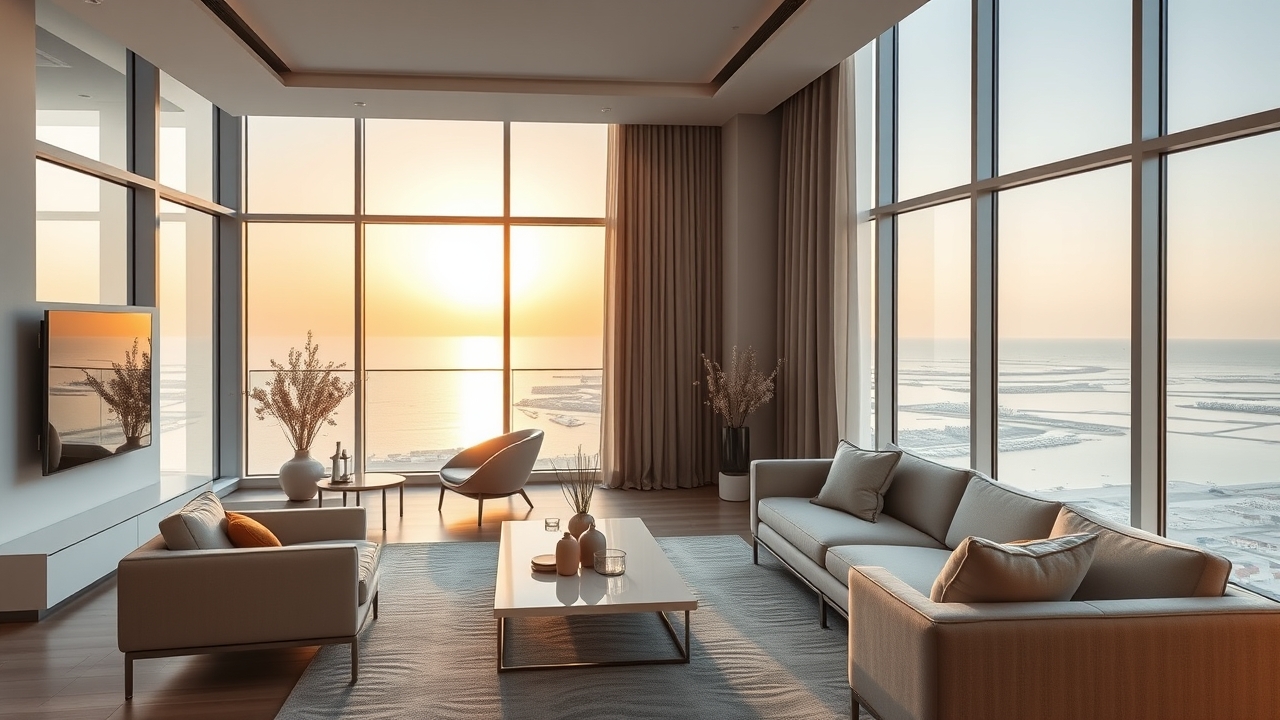
New Dubai excels in providing a seamless, high-end experience. The serviced apartments here are world-class, often featuring floor-to-ceiling windows, state-of-the-art gyms, and infinity pools overlooking the Arabian Gulf. It is also the epicenter of the city’s culinary scene, hosting Michelin-starred restaurants and trendy beach clubs.
The downside to New Dubai is the cost. Everything from a coffee to a taxi ride tends to be priced at a premium. Furthermore, the area can sometimes feel artificial or “sterile” compared to the vibrant, lived-in feel of the older districts. The scale is also much larger; while you can walk within a specific development like the Marina, moving between major areas usually requires a vehicle or the metro.
To help you decide which side of the city suits your needs, we have compared the key factors that influence a traveler’s experience.
| Feature | Old Dubai (Deira/Bur Dubai) | New Dubai (Downtown/Marina) |
|---|---|---|
| Vibe | Authentic, bustling, historic | Glamorous, futuristic, luxury-focused |
| Cost of Living | Budget-friendly to moderate | Premium to high-end luxury |
| Walkability | High within local neighborhoods | High within hubs (e.g., Marina Walk) |
| Dining Options | Traditional street food, ethnic cuisines | Fine dining, celebrity chefs, global chains |
| Transport | Abra boats, Metro (Green Line), Taxis | Metro (Red Line), Tram, Taxis, E-scooters |
| Accommodations | Traditional hotels, guest houses | Serviced apartments, luxury skyscrapers |
| Proximity to Beach | Requires travel (Mamzar Beach is closest) | Immediate access (JBR/Palm) |
Regardless of where you choose to stay, understanding the transportation network is vital. Dubai is a linear city, and while it looks compact on a map, the distances can be deceptive. The Dubai Metro is the backbone of the city’s public transit, connecting the airport in the north all the way to the Expo 2020 site in the south.
1. The Green Line: Primarily serves the Old Dubai area, looping around the Creek and connecting Deira and Bur Dubai.
2. The Red Line: The main artery that runs parallel to Sheikh Zayed Road, connecting the airport to Downtown, Dubai Marina, and beyond.
If you plan to use public transport extensively, it is highly recommended to stay in one of the best serviced apartments near metro stations. This will save you significant time and money on taxis. In Old Dubai, you also have the unique option of using an Abra. These traditional wooden boats cost only 1 AED and are the quickest way to cross the Creek between Deira and Bur Dubai, offering one of the most scenic and affordable experiences in the city.
In New Dubai, the transport options are more varied but can be more complex. The Dubai Tram serves the Marina and JBR area, and the Palm Monorail provides access to the various fronds and the Atlantis resort. Taxis are plentiful but can get stuck in the notorious traffic of the Marina during evening rush hours.
One of the biggest decisions for tourists in the Old Dubai vs. New Dubai debate is the type of lodging. While traditional hotels are common in both areas, the serviced apartment model has seen massive growth in New Dubai.
1. Space and Comfort: Serviced apartments offer separate living areas and kitchens, which is ideal for long-term visitors or families.
2. Flexibility: Having a kitchen allows you to save on dining costs, especially in expensive areas like Downtown.
3. Amenities: Most high-end apartments in New Dubai come with facilities that rival 5-star hotels, including housekeeping and 24-hour security.
In Old Dubai, you are more likely to find boutique heritage houses turned into hotels or traditional hotel chains. These offer a more intimate experience but often lack the expansive square footage found in the newer developments. However, if you are looking for things to do, staying central to these historical hubs puts you within walking distance of some truly unmissable attractions in Dubai.
Every traveler has different priorities. Here is how to decide based on your personal travel style:
If your primary goal is to see the city without breaking the bank, Old Dubai is the clear winner. You can find clean, comfortable, and well-located accommodation for a fraction of the price of a room in Downtown. Furthermore, the availability of affordable street food—from Pakistani curries to Lebanese manakish—means your daily spend will be significantly lower.
For those who want the quintessential “Dubai experience” involving floor-to-ceiling glass walls, infinity pools, and valet parking, New Dubai is the only option. Areas like the Palm Jumeirah and the DIFC (Dubai International Financial Centre) offer some of the most opulent accommodation in the world.
Families often find a middle ground. While New Dubai offers proximity to theme parks and beaches, Old Dubai offers a more educational and grounded experience for children. However, the spacious serviced apartments of Dubai Marina or Jumeirah Village Circle often provide the best value for larger groups needing multiple bedrooms.
If you are more interested in the evolution of civilizations than the evolution of skyscrapers, Old Dubai will be your paradise. The Al Fahidi district, the Coffee Museum, and the various heritage villages provide a deep dive into the Bedouin way of life and the city’s transformation into a global trade hub.
The culinary landscape of Dubai is as divided as its geography. In Old Dubai, the focus is on authenticity and regional specialties. You will find restaurants that have been serving the same recipes for forty years. Deira is particularly famous for its “hidden gems”—tiny eateries serving authentic Iranian, Indian, and Ethiopian food.
In New Dubai, the scene is dominated by “concept” restaurants and international brands. This is where you go for a brunch with a view of the Burj Khalifa or a late-night cocktail at a rooftop bar in the Marina. The nightlife is concentrated in the southern half of the city, where the hotels house various bars and clubs that cater to the expat and tourist populations.
Shopping also follows this pattern. Old Dubai offers the Souks, where haggling is expected and you can buy gold, spices, and textiles. New Dubai offers the mega-malls, where high-street and designer brands are sold in air-conditioned luxury. The Dubai Mall even features an indoor aquarium and a skating rink, making it a destination in its own right.
When you visit can also influence where you should stay. During the cooler months (November to March), both areas are equally pleasant. The walkability of Old Dubai becomes a major asset, and the outdoor dining of the Marina is at its peak. If you are visiting during the shoulder season, check out lists of activities like things to do in Dubai in November to see which area hosts the festivals or events you are interested in.
During the peak of summer (June to August), the heat makes walking almost impossible. In this scenario, New Dubai’s interconnected malls and climate-controlled environments might be more comfortable. Staying in a serviced apartment with a large indoor pool and easy access to a mall via a covered walkway can make the summer heat much more manageable.
1. Is it safe to stay in Old Dubai?
Yes, Dubai is one of the safest cities in the world. While Old Dubai is more crowded and has a more “urban” feel, crime rates are extremely low. Standard travel precautions apply, but tourists generally feel very safe walking around Deira and Bur Dubai at night.
2. How long does it take to travel between Old and New Dubai?
By taxi, it can take anywhere from 20 to 45 minutes depending on traffic. By Metro, the trip from Union Station (Old Dubai) to Dubai Marina (New Dubai) takes approximately 40 to 50 minutes. It is a straight line, but there are many stops in between.
3. Can I find alcohol in Old Dubai?
Alcohol in Dubai is generally served only in licensed venues, which are almost always attached to hotels. While New Dubai has a higher concentration of trendy bars, many hotels in Old Dubai (especially the larger ones) have licensed restaurants and pubs.
4. Which area is better for a short layover?
If you only have 24 hours, Downtown Dubai (New Dubai) is often recommended because it allows you to see the most iconic landmarks (Burj Khalifa, Dubai Mall) quickly. However, Old Dubai is closer to the airport, making it a very convenient base for a quick overnight stay.
5. Is Old Dubai vs. New Dubai better for shopping?
It depends on what you are looking for. For gold, spices, and traditional souvenirs at lower prices, Old Dubai is best. For fashion, electronics, and luxury brands, the malls in New Dubai are the world’s gold standard.
Choosing between Old Dubai vs. New Dubai is not about finding which area is objectively “better,” but rather which environment aligns with your travel objectives. If you crave the sensory richness of history, the vibrant energy of a trading port, and a budget-friendly experience, the heritage districts of Deira and Bur Dubai will not disappoint. On the other hand, if you seek the iconic glamour of the 21st century, world-class luxury amenities, and proximity to the beach, New Dubai is the definitive choice. By understanding the logistical differences and the unique character of each region, you can ensure that your stay in the City of Gold is perfectly tailored to your needs. Regardless of your choice, the seamless connection provided by the Dubai Metro ensures that you are never truly far from the “other” Dubai, allowing you to enjoy the best of both worlds during your visit.