
Al Reem Island: The Expat’s Guide to Short-Term Rentals
- September 22, 2026
- Hotel Apartments
A deep-dive guide for expats navigating the 2026 short-term rental market on Al Reem Island, covering the ADGM expansion, tower comparisons, and... Read More
 by Serviced Apartments
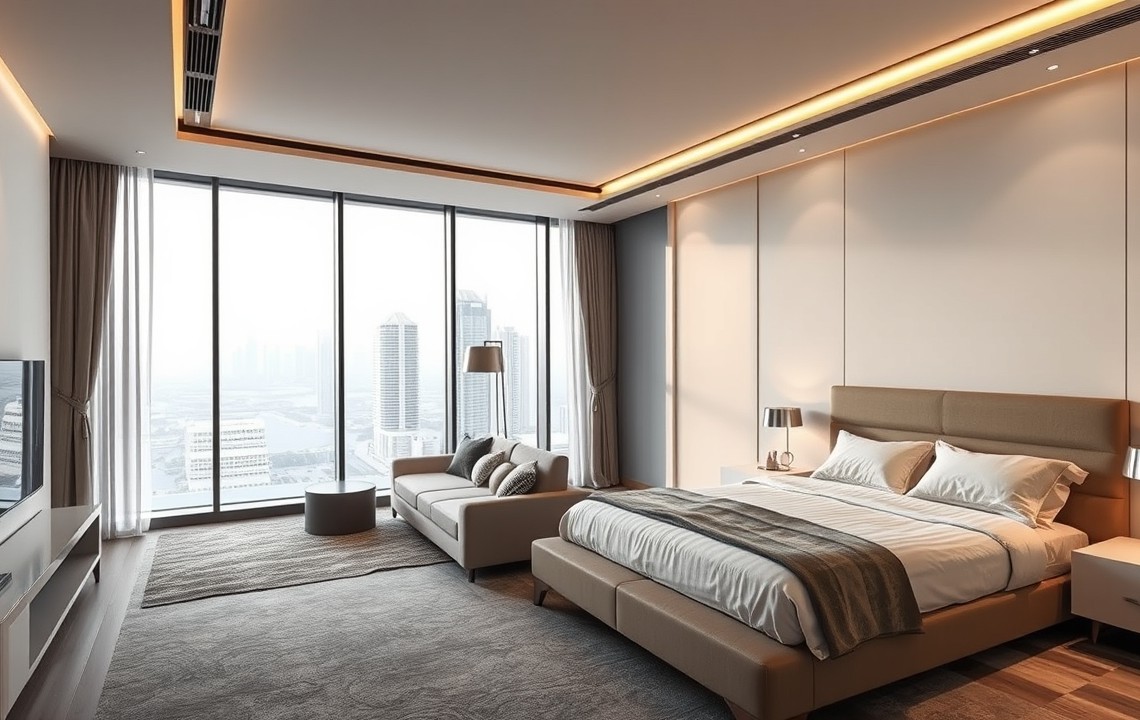
The global hospitality landscape has undergone a seismic shift over the last decade. Travelers, particularly professionals and families, are moving away from the traditional, often restrictive, hotel model in favor of flexible living spaces. When we analyze the financial metrics of a thirty-day stay, the studio apartment emerges as the clear winner. The 30% saving is not a theoretical figure; it is the result of cumulative efficiencies across several operational and personal spending categories.
To understand these savings, one must look at the fundamental difference between a hotel and hotel apartments. While a hotel is designed for high turnover and short-term occupancy, a studio apartment within a serviced complex is optimized for longer durations. This optimization translates into lower overhead for the provider, which is passed down to the guest in the form of lower base rates.

The most immediate and visible reduction in spending comes from the presence of a private kitchenette. In a standard hotel room, guests are essentially “food hostages.” Every meal, from the morning espresso to the late-night snack, must be purchased from the hotel’s outlets or ordered via room service. According to data from the World Travel & Tourism Council, food and beverage costs can account for up to 25% of a traveler’s daily budget when staying in traditional hotels.
1. Grocery Shopping vs. Menu Pricing: A studio apartment allows you to stock a full-sized or mid-sized refrigerator with items from local supermarkets. The cost of a home-cooked dinner is often one-quarter the price of a mid-tier hotel entree.
2. Beverage Savings: Hotel minibars are notorious for 500% markups. Having your own fridge means buying beverages at retail prices.
3. Health and Wellness: Beyond the financial aspect, controlling your own ingredients leads to healthier living, avoiding the high-sodium and high-calorie content common in restaurant meals.

Hotels typically operate on a Daily Expected Rate (DER) model. Their pricing is volatile, fluctuating with occupancy levels, local events, and seasonal demand. Studio apartments, especially those marketed as serviced apartments, often offer a “stepped” pricing structure. The longer you stay, the lower the nightly rate becomes. This is a primary driver of the 30% studio apartment savings mentioned earlier.
In cities like Dubai, where major events drive prices up, having a fixed monthly rate in a studio apartment protects the traveler from price surges. For instance, if you were looking at the 6 best hotels near the Expo 2020, you would find that those offering apartment-style units maintained more stable pricing for consultants and exhibitors compared to standard luxury hotels during peak weeks.
One of the most overlooked expenses in a hotel is the laundry service. Hotels charge per item, often at prices that make it cheaper to buy a new shirt than to wash an old one. A studio apartment typically includes an in-unit washing machine or access to a dedicated guest laundry room at no extra cost.
1. Per-Item Charges: A typical hotel might charge $5 to $10 for a single t-shirt. For a business traveler staying two weeks, this can add hundreds of dollars to the final bill.
2. Convenience: Being able to wash clothes at your convenience without waiting for a 24-hour turnaround service is a significant productivity booster.
3. Reduced Packing: With laundry facilities on-hand, travelers can pack lighter, potentially avoiding airline baggage fees, further contributing to the overall studio apartment savings.
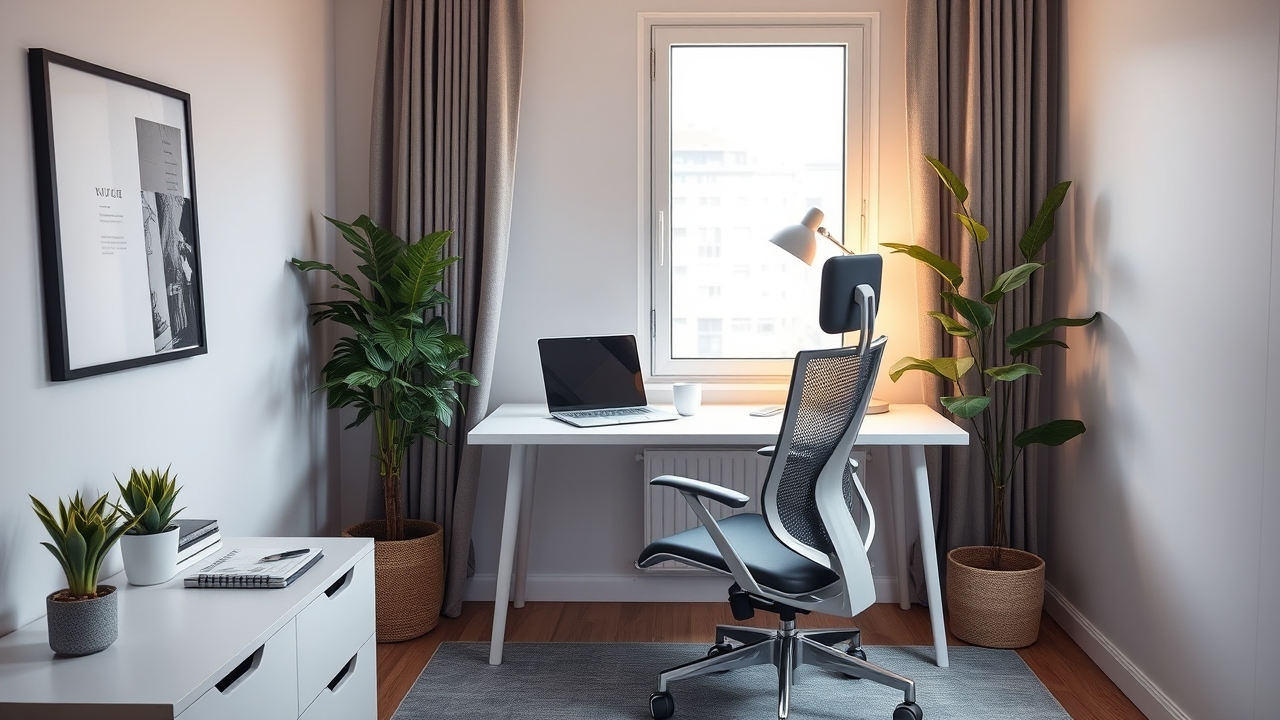
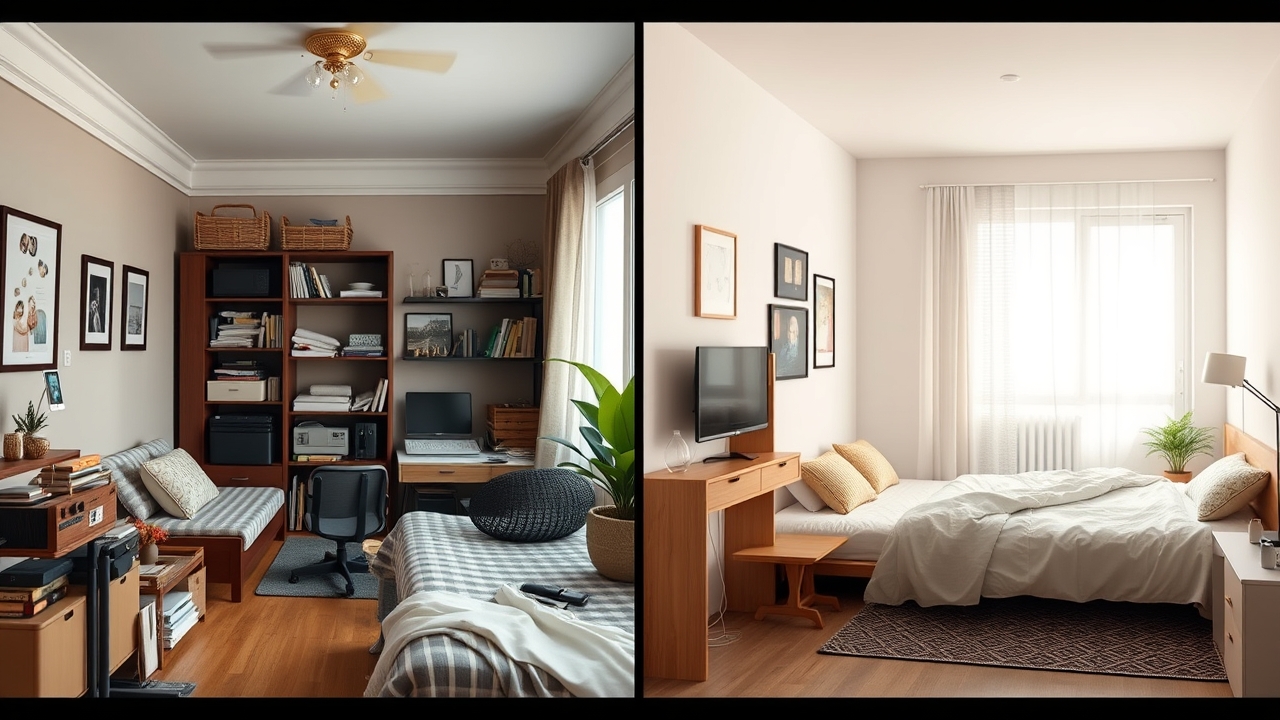
A standard hotel room averages about 250 to 300 square feet, dominated by the bed. A studio apartment usually offers 450 to 600 square feet, with clearly defined areas for sleeping, working, and lounging. This spatial difference is why why business travelers prefer serviced apartments over hotels.
The psychological impact of having more space cannot be understated. In a hotel room, the bed is the focal point, which can lead to “cabin fever” during extended stays. In a studio, the presence of a sofa and a dedicated desk allows for a separation of work and rest. This professional environment increases productivity, which has an indirect but substantial financial value for corporate travelers.

In many jurisdictions, the tax structure changes based on the length of stay and the type of property. Short-term hotel stays are often subject to high occupancy taxes, tourism dirhams, and VAT. However, once a stay exceeds 30 days in a serviced apartment, some of these fees may be waived or reduced, depending on local regulations. This regulatory arbitrage is a sophisticated way that savvy travelers secure their 30% savings.
Furthermore, hotels often add a “service charge” (typically 10%) on top of the room rate. Many serviced studio apartments operate on an all-inclusive monthly rate that covers utilities, Wi-Fi, and basic housekeeping without these percentage-based add-ons.

Hotels are public spaces with strict policies regarding visitors. Studio apartments offer a higher degree of privacy and a residential feel that allows you to host colleagues or friends in a more natural setting. This “home-away-from-home” atmosphere reduces the urge to seek entertainment outside the room, which usually involves spending money at bars or theaters.
Moreover, for those traveling with pets, the options are often better in the apartment sector. Utilizing pet-friendly hotel apartments in Dubai can save a traveler the massive costs of pet boarding in their home country, which can easily run into thousands of dollars for a month-long trip.
The following table illustrates the typical cost and amenity differences for a 30-day stay in a major metropolitan hub.
| Feature | Standard Hotel Room | Serviced Studio Apartment |
|---|---|---|
| Average Daily Rate (30 Days) | $200 (Total: $6,000) | $140 (Total: $4,200) |
| Kitchen Facilities | Mini-bar only | Full Kitchenette/Stove/Fridge |
| Laundry | Paid service per item | In-unit washer (Free) |
| Average Square Footage | 280 sq. ft. | 520 sq. ft. |
| Average Meal Cost | $60/day | $15/day (Grocery based) |
| Estimated 30-Day Total | $7,800+ | $4,650+ |
Many people assume that studio apartments are located in residential outskirts, but the rise of “aparthotels” has placed these units in the heart of business districts. Whether you are staying near a financial hub or looking for hotel apartments near Dubai Airport DXB, the availability of studio configurations is higher than ever.
This proximity to work and transport hubs reduces commuting costs. While a hotel might offer a shuttle, an apartment in a walkable residential/commercial mixed-use zone allows you to utilize local transport or simply walk, further padding the savings. According to a report by Bloomberg, corporate relocation trends are increasingly favoring these flexible units due to the 25-35% cost reduction for the employer.
There is also an environmental cost benefit. Hotels are high-waste environments with daily linen changes and single-use toiletries. Studio apartments encourage a more sustainable lifestyle. By washing your own dishes and using full-sized toiletries, you reduce waste. While this doesn’t always translate to direct cash savings for the guest, many apartment providers offer “green discounts” for guests who opt-out of daily housekeeping, providing another avenue to reach that 30% savings threshold.
To maximize the studio apartment savings, one must change their travel mindset. Here are the steps to ensure you get the most out of the switch:
For stays under three nights, a hotel might be cheaper due to lower cleaning fees and promotional daily rates. However, for any stay exceeding one week, the studio apartment almost always offers better value through lower nightly rates and reduced ancillary spending.
No. Most modern serviced apartments are located in buildings that offer full amenities including high-end gyms, swimming pools, and sometimes even concierge services that rival five-star hotels.
Yes, serviced apartments in reputable buildings have 24/7 security, CCTV, and electronic key card access, making them just as safe, if not safer, than traditional hotels.
Many major hotel brands (like Marriott, IHG, and Accor) now have specialized “Extended Stay” brands that allow you to earn and redeem points just like you would at a standard hotel.
The financial logic of choosing a studio apartment over a standard hotel room is undeniable. By addressing the primary areas of expenditure—base rent, food, and laundry—travelers can consistently achieve a 30% reduction in their total travel budget. Beyond the numbers, the increase in square footage and the sense of autonomy provide a superior quality of life that a cramped hotel room simply cannot match. For the modern traveler who values both their wallet and their well-being, the switch to a studio apartment is the most logical step in personal travel management. Choosing a studio is not just about saving money; it is about investing in a more sustainable, productive, and comfortable way of experiencing the world.