Al Reem Island: The Expat’s Guide to Short-Term Rentals
- September 22, 2026
- Hotel Apartments
A deep-dive guide for expats navigating the 2026 short-term rental market on Al Reem Island, covering the ADGM expansion, tower comparisons, and... Read More
 by Serviced Apartments

Dubai’s real estate landscape has undergone a tectonic shift over the last decade. What was once a market dominated by long-term tenancies has transitioned into a global hotspot for short-term rentals. The rise of platforms like Airbnb and the implementation of the Dubai Department of Economy and Tourism (DET) regulations have formalized this sector, making it a viable and highly lucrative alternative for property owners. Both Jumeirah Lake Towers (JLT) and Dubai Marina stand at the forefront of this trend, yet they serve different master plans and demographics.
The appeal of short-term rentals in Dubai is rooted in the city’s status as a premier global destination. With over 17 million international visitors annually, the demand for flexible, high-quality accommodation is relentless. Investors are no longer looking just for capital appreciation; they are seeking cash flow. In this context, the rivalry between JLT and the Marina is legendary. One offers the glitz of a man-made canal and high-rise luxury, while the other offers a community-centric, lake-filled urban environment that caters to a more budget-conscious yet sophisticated audience.
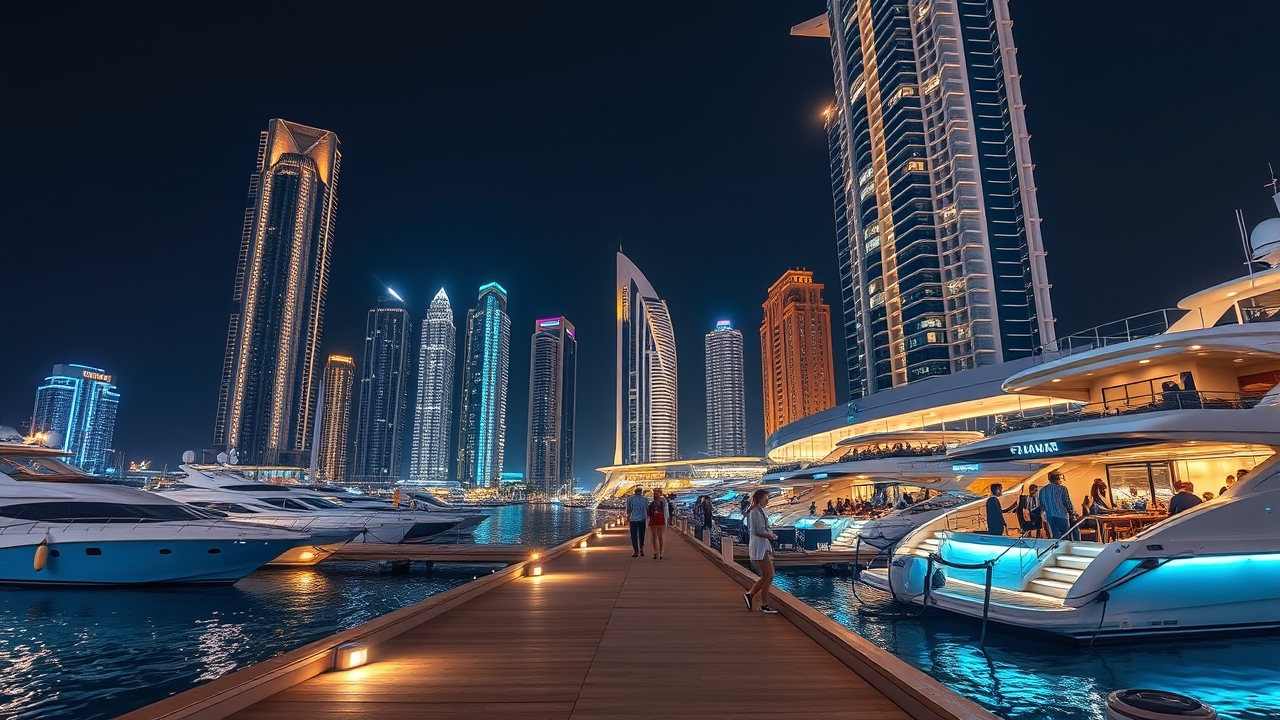
Dubai Marina is often the first place tourists look when searching for a holiday home. It is a neighborhood that defines the modern Dubai aesthetic—soaring skyscrapers, luxury yachts, and a vibrant promenade. For an investor focusing on short-term rentals, the Marina is the “safe bet” in terms of brand recognition. Everyone knows the Marina. This global fame translates into exceptionally high occupancy rates, especially during the peak winter months from October to April.
The primary reason the Marina commands premium prices for short-term rentals is its pedestrian-friendly infrastructure. The 7-kilometer Marina Walk is lined with hundreds of restaurants, cafes, and retail outlets. Guests staying here have direct access to JBR Beach and the Bluewaters Island bridge. For a family on vacation, being able to walk to the beach or take a water taxi to the mall is a massive selling point that justifies a higher nightly rate.
However, the Marina is not without its challenges. The area is notoriously congested, and traffic can be a deterrent for business travelers who need to move quickly between meetings. Furthermore, the service charges in the Marina are among the highest in the city. Investors must carefully calculate these costs, as they can significantly eat into the gross revenue generated by short-term rentals. If you are looking for newer stock with modern amenities to attract high-paying guests, you might want to explore the latest offplan opportunities in the surrounding areas to secure lower entry points.
Just across the Sheikh Zayed Road lies JLT, a community composed of 80 towers clustered around three man-made lakes and a central park. While it lacks the immediate beach access of the Marina, JLT has carved out a massive niche in the short-term rentals market. Its primary strength lies in its diverse ecosystem. JLT is home to the DMCC (Dubai Multi Commodities Centre), the world’s leading free zone, which houses over 20,000 companies. This creates a permanent, high-volume flow of corporate travelers.
For an investor, the math in JLT often looks better on paper than in the Marina. Property prices in JLT are generally 15% to 25% lower than those in the Marina. Because the nightly rates for short-term rentals do not drop as sharply as the property price does, the net ROI (Return on Investment) in JLT can often exceed 8%, whereas the Marina might hover around 6-7% after all expenses. JLT appeals to the “smart traveler”—the digital nomad or the corporate contractor who wants to be close to the action but doesn’t want to pay the “Marina premium.”
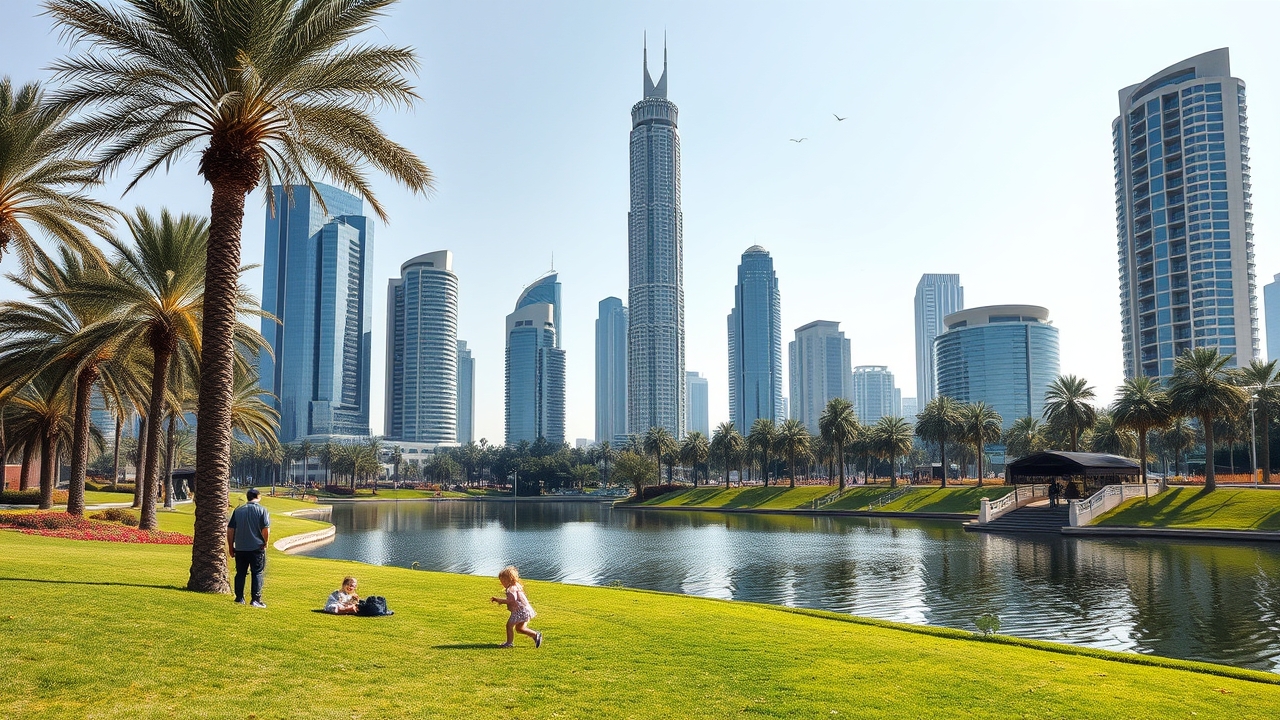
JLT’s community vibe is also a major draw. The clusters are organized around lakes, and the area has become a culinary hub for independent, high-quality eateries that often outshine the commercial chains found in the Marina. For many guests staying in short-term rentals, the ability to work from a local specialty coffee shop and then walk through a green park in the evening is more valuable than a view of the yacht club.
To truly understand which neighborhood wins, we must look at the data. Below is a detailed breakdown of how these two giants compare across key metrics for short-term rentals.
| Metric | Dubai Marina | Jumeirah Lake Towers (JLT) |
|---|---|---|
| Average Purchase Price (Studio/1BR) | AED 1.2M – 2.2M | AED 850k – 1.5M |
| Average Nightly Rate (Peak) | AED 800 – 1,500 | AED 500 – 900 |
| Average Nightly Rate (Off-Peak) | AED 400 – 600 | AED 300 – 450 |
| Average Annual Occupancy | 80% – 85% | 75% – 82% |
| Service Charges | High (AED 18-30 per sq.ft) | Moderate (AED 12-18 per sq.ft) |
| Primary Guest Type | Leisure, Families, Luxury Seekers | Corporate, Digital Nomads, Budget Travelers |
| Target ROI (Net) | 6% – 7.5% | 7.5% – 9% |
The table clearly illustrates that while Dubai Marina wins on nightly rates and occupancy, JLT wins on affordability and net ROI. Investors who are focused on capital preservation and potential appreciation often lean toward the Marina, while those focused on immediate monthly cash flow find JLT more attractive for their short-term rentals portfolio.
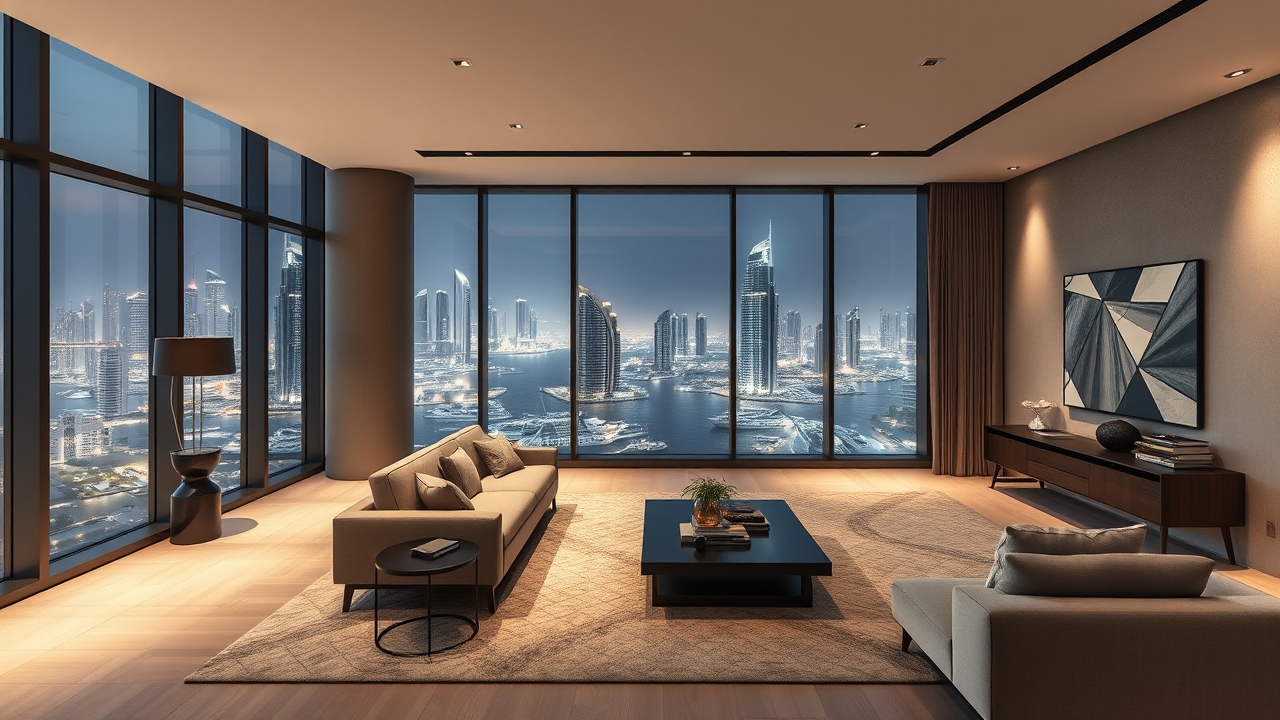
Understanding your guest is the first rule of successful property management. In Dubai Marina, your typical guest is a tourist from Europe, the CIS region, or the GCC. They are looking for the “Dubai Dream.” They want a balcony with a view of the Cayan Tower or the Ain Dubai. They are likely to spend money on excursions and fine dining. For these guests, the quality of the furniture and the “Instagrammability” of the apartment are paramount.
In JLT, the demographic is more varied. You will certainly find tourists, but you will also find a significant number of business professionals who are in Dubai for a month-long project at DMCC. There are also many “staycationers”—residents of other Emirates who want a weekend in the city. The requirements for short-term rentals in JLT focus more on high-speed internet, comfortable workspaces, and proximity to the Metro. For more information on how to position your property for these specific audiences, you can contact us to speak with a market expert.
Both neighborhoods fall under the jurisdiction of the Dubai Department of Economy and Tourism (DET). To operate short-term rentals, owners must obtain a holiday home permit. This process involves registering the unit, paying the relevant fees, and ensuring the property meets specific safety and quality standards. JLT, being part of the DMCC free zone, occasionally has specific community rules regarding signage and access, but for the most part, the holiday home regulations are uniform across the city.
One distinct advantage of JLT is the ease of parking for guests. Most towers in JLT have dedicated visitor parking or are surrounded by RTA parking lots. In the Marina, parking is a premium commodity. If your short-term rental does not come with a dedicated, easy-to-access parking spot, your guest reviews will suffer, which in turn lowers your ranking on booking platforms.

Dubai is a seasonal market, but the impact of seasonality hits these two neighborhoods differently. Dubai Marina experiences massive surges during the New Year and shopping festival periods. During these times, nightly rates for short-term rentals can triple. However, in the peak of summer (July and August), the lack of indoor connectivity to the beach can lead to a sharper decline in occupancy compared to JLT.
JLT remains slightly more stable during the summer months. Because a large portion of the demand is business-related, the corporate world doesn’t stop just because it’s 45 degrees outside. Meetings continue, and the DMCC remains active. This year-round stability is a key factor for investors who want to avoid the “feast or famine” cycle often associated with purely tourist-driven short-term rentals.

A common mistake investors make is underestimating the operational costs of short-term rentals. Unlike long-term leases where the tenant pays the utilities, in short-term setups, the owner covers DEWA (water and electricity), Chiller (cooling), internet, and gas. In the Marina, the Chiller fees can be exceptionally high depending on the developer (Emaar vs. others). JLT towers often have different cooling providers, and some clusters are more efficient than others.
When you choose to invest in offplan properties with the intent of converting them to short-term rentals, you have the advantage of modern, energy-efficient systems that can lower these monthly utility bills, thereby increasing your net profit.
Connectivity is the lifeblood of short-term rentals. Both neighborhoods are served by the Dubai Metro Red Line. Dubai Marina has two stations (Sobha Realty and DMCC), as does JLT. However, JLT’s layout makes it slightly easier to reach the metro from a wider variety of towers. The Marina’s density can make the walk to the station feel longer than it looks on a map.

Furthermore, the road access to JLT is often considered superior. With multiple entry and exit points onto Sheikh Zayed Road and First Al Khail Road, guests can avoid the internal bottlenecks that plague the Marina, especially during rush hour or weekend evenings. For guests who plan on exploring the wider city or commuting to Dubai South and Expo City, JLT is the more strategic base.
As we look toward 2030, both neighborhoods are evolving. Dubai Marina is seeing the completion of several ultra-luxury projects that will continue to push the upper limit of nightly rates for short-term rentals. The development of the Dubai Harbour has further cemented the Marina’s status as a maritime hub, attracting a wealthier class of tourists.
JLT, meanwhile, is undergoing a transformation of its own. The replacement of one of its lakes with a massive community park has significantly increased the desirability of the surrounding towers. The master developer, DMCC, continues to add world-class office space, which ensures that the base level of demand for short-term rentals will only grow. The upcoming “Uptown Dubai” district next to JLT will bring even more luxury hotel brands and commercial space to the area, further blurring the lines between the two neighborhoods.
Both are highly safe and established markets. Dubai Marina offers more brand security and higher resale value, while JLT offers a lower entry price and more resilient rental yields. Most first-time investors find JLT easier to enter due to the lower capital requirement.
While possible, it is difficult if you are not physically present in Dubai. You need a DET license and must be available 24/7 for guest issues. Most owners use professional management companies that charge between 15% and 20% of the revenue.
Studios and one-bedroom apartments are the workhorses of the short-term market. They have the highest occupancy rates and the lowest maintenance costs. Three-bedroom apartments are great for families in the Marina but have much lower occupancy during the week.
Service charges are the biggest “hidden” expense. In the Marina, they can take up to 20% of your gross income. Always check the specific service charge history of a building before buying for the purpose of short-term rentals.
Ultimately, the battle between JLT and Dubai Marina for short-term rentals comes down to a choice between high-yield stability and high-profile luxury. Dubai Marina remains the crown jewel for luxury travelers, offering unrivaled views and beach access that command premium nightly rates. However, JLT stands out as the pragmatic investor’s choice, delivering superior net ROI through lower purchase prices, lower operating costs, and a consistent stream of business and budget-conscious travelers. Whether you prefer the prestige of the Marina or the efficiency of JLT, both neighborhoods remain among the most profitable locations in the world for vacation rental investments. To find the perfect unit for your investment strategy, contact us today to explore the best available listings in both districts.