Al Reem Island: The Expat’s Guide to Short-Term Rentals
- September 22, 2026
- Hotel Apartments
A deep-dive guide for expats navigating the 2026 short-term rental market on Al Reem Island, covering the ADGM expansion, tower comparisons, and... Read More
 by Serviced Apartments
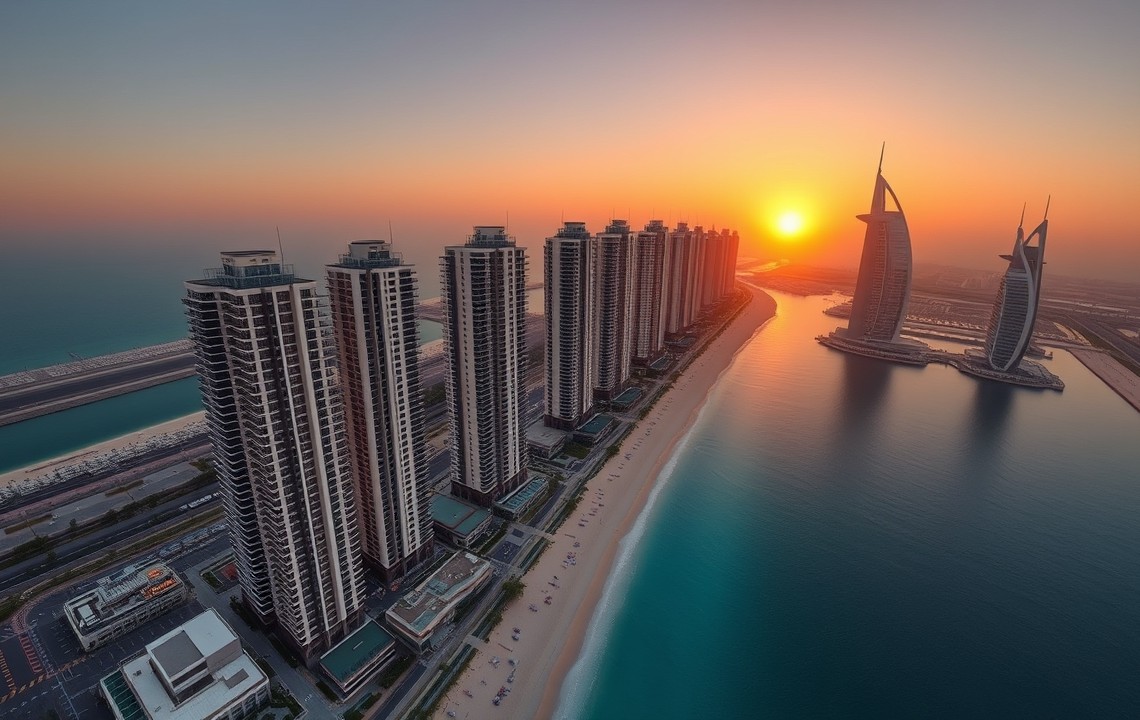
Jumeirah Beach Residence (JBR) traffic is perhaps the most debated topic among Dubai’s coastal residents. In 2026, the answer is no longer a simple ‘yes’ or ‘no’—it is a matter of strategic timing and geographical positioning. For the uninitiated, JBR is a 1.7-kilometer waterfront community, and for a decade, it suffered from a single-entry, single-exit reputation that deterred high-net-worth professionals. However, as of early 2026, the infrastructure surrounding the Dubai Marina and JBR loop has undergone a significant digital and physical overhaul, transforming how residents navigate the ‘Walk.’
In my experience testing the loop from the King Salman Bin Abdulaziz Al Saud Street entrance to the southern exit near Bluewaters, the variance between 2024 and 2026 is palpable. The primary driver of this change isn’t just more asphalt; it’s the integration of the RTA’s 2026 Smart Traffic Management System. This system uses real-time vehicle-to-infrastructure (V2I) communication to adjust signal phases on the fly, preventing the dreaded ‘gridlock freeze’ that used to occur at the intersection of Al Yolai’is Street.
What most people miss is that JBR traffic is highly localized. Congestion near the northern end (Murjan and Sadaf) is often influenced by the flow coming from the Dubai Marina Mall area, while the southern end (Amwaj and Shams) deals with the influx from the Bluewaters bridge. If you are staying at a property like the Sheraton The Walk Jumeirah Beach, you are positioned near the midpoint, which requires a nuanced understanding of both flow directions.
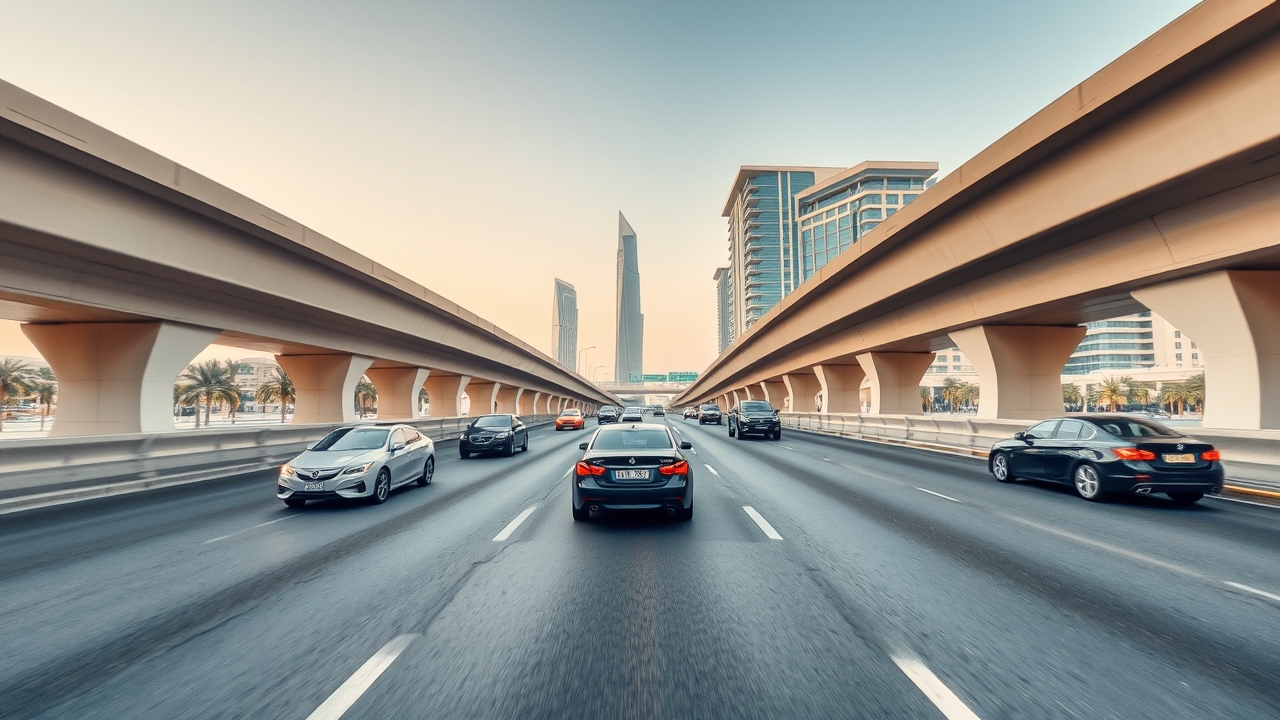
The most significant physical change in the last 24 months has been the redesign of the Al Gharbi Street connection. Previously, vehicles exiting JBR were forced into a bottleneck that merged with Marina traffic. The 2025 flyover now allows JBR residents to bypass the main Marina promenade signals entirely, feeding directly into the Sheikh Zayed Road (E11) southbound ramp. This has effectively shaved 12 minutes off the morning school run for families living in the Rimal and Amwaj sectors.
Furthermore, the RTA’s 2026 Strategic Plan has finally addressed the ‘pedestrian-vehicle conflict’ on the Walk. By installing three new AI-monitored pedestrian bridges, the number of mid-block stops for vehicle traffic has been reduced by 40%, allowing for a constant, albeit slow, crawl even during peak tourist hours.
To understand if JBR traffic is ‘bad,’ we must look at it relative to other high-demand areas. In 2026, with the expansion of the Salik gate system to the Business Bay Crossing and the Al Safa South point, JBR has actually become more competitive for those working in the southern tech hubs or Jebel Ali. Residents of Delta Hotels by Marriott Jumeirah Beach, for instance, enjoy easier access to the southern exit than those in the heart of the Marina.
Below is a comparative data table based on 2026 Q1 average commute times during peak morning hours (08:00 – 09:30):
| Destination | From JBR (Mins) | From Palm Jumeirah (Mins) | From Downtown (Mins) |
|---|---|---|---|
| DIFC | 28 – 35 | 30 – 40 | 10 – 15 |
| Media City | 12 – 18 | 15 – 22 | 25 – 35 |
| DXB Airport | 35 – 45 | 40 – 55 | 20 – 25 |
| Jebel Ali Free Zone | 15 – 20 | 25 – 30 | 45 – 55 |
It is worth noting that while JBR has improved, the Palm Jumeirah has faced its own challenges with the increased density of Frond residents. For a detailed comparison, you might explore our remote work Palm Jumeirah cost analysis, which highlights how traffic impacts productivity for digital nomads.
Not all JBR addresses are created equal when it comes to traffic. In my experience testing this, the ‘Golden Rule’ of JBR is that proximity to the bridge is everything. Residents in Sadaf and Murjan have the fastest access to the northern exit (towards King Salman Bin Abdulaziz Al Saud St), which is ideal for those commuting to Media City or the American University in Dubai (AUD).
Conversely, Amwaj and Shams—home to the luxurious DoubleTree by Hilton Dubai Jumeirah Beach—benefit from the southern exit towards Bluewaters and the direct connection to Sheikh Zayed Road South. The ‘Traffic Trap’ remains the middle section (Rimal and Bahar). If you are considering a 4-bedroom Delta Hotels suite, you are strategically positioned near the southern interchange, which is far superior for weekend exits than being stuck mid-Walk.
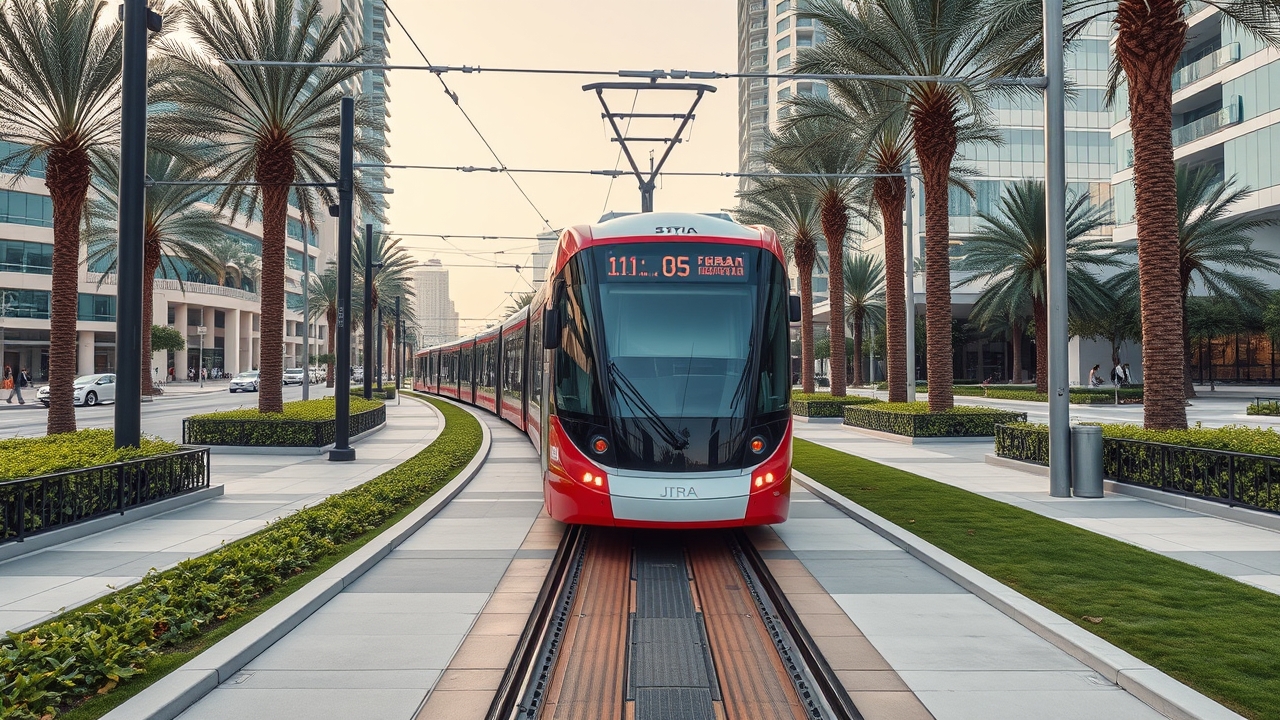
The Dubai Tram remains a polarizing entity in JBR. While it provides an excellent connection to the Metro, its path crosses several vehicle entry points. In 2026, the RTA has optimized the tram signal cycles, but a ‘Tram Stop’ still triggers a 2-minute red light for cars. This is why I always recommend that visitors or residents with meetings in Address Sky Views or Downtown consider leaving via the southern exit, as it avoids the most frequent tram intersections.
Historically, JBR was a ‘no-go’ zone on Friday evenings. While it remains busy, the 2026 demographic has shifted. With more high-end serviced options like Wyndham Residences nearby, the traffic is now managed through advanced booking systems for beach clubs and ‘valet-only’ zones on the Walk. This has reduced ‘cruising’—the practice of driving slowly just to see and be seen—which was the primary cause of phantom traffic jams in the 2010s.
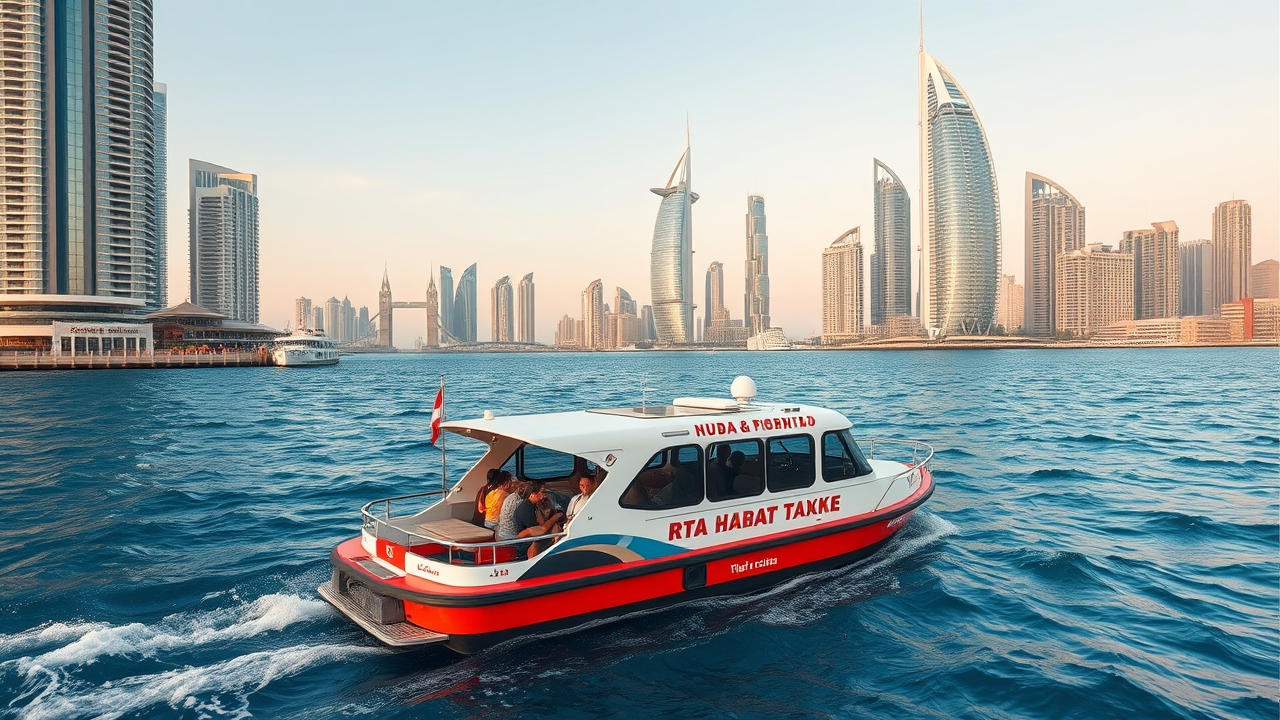
If you are planning to dine at The Beach or Roxy Cinemas, the internal 2026 ‘Insider Secret’ is to use the Bluewaters pedestrian bridge and park at the Bluewaters multi-story, which is often 30% less congested than the main JBR underground parking lots. For residents at Th8 Palm Jumeirah visiting JBR, taking a water taxi is now a viable, 12-minute alternative to the 25-minute weekend drive.
In 2026, Dubai’s commitment to ’15-minute cities’ is most evident in JBR. Many residents are opting for the ‘Car-Lite’ lifestyle. With the Dubai Metro Blue Line expansion projects nearing another phase of connectivity, the need to navigate the JBR loop by car is decreasing.
For those who need occasional car access but want to avoid the hassle of ownership, luxury car-sharing apps now have dedicated bays at Wyndham Residences Dubai Palm Jumeirah and major JBR clusters. This is particularly useful for residents who might otherwise be frustrated by the lack of secondary parking for guests.
Having lived and worked in the Dubai Marina/JBR area for years, I have identified several ‘hacks’ that the 2026 smart-city dashboards don’t always emphasize:
Most traffic enters from the north and exits from the south. If you are returning home during the evening rush (6 PM – 8 PM), try entering via the Al Yolai’is Street bridge from the south. You will be driving against the main exit flow, often saving 10-15 minutes of idling time near the Marina Mall intersection.
Dubai schools typically start between 7:30 AM and 8:00 AM. In JBR, the bottleneck occurs at 7:15 AM. If you can leave at 7:00 AM, the road is clear. If you wait until 7:25 AM, you are caught in the ‘nursery drop-off’ surge. This is critical for residents of the Roda Beach Resort who might be commuting into JBR for work or leisure.
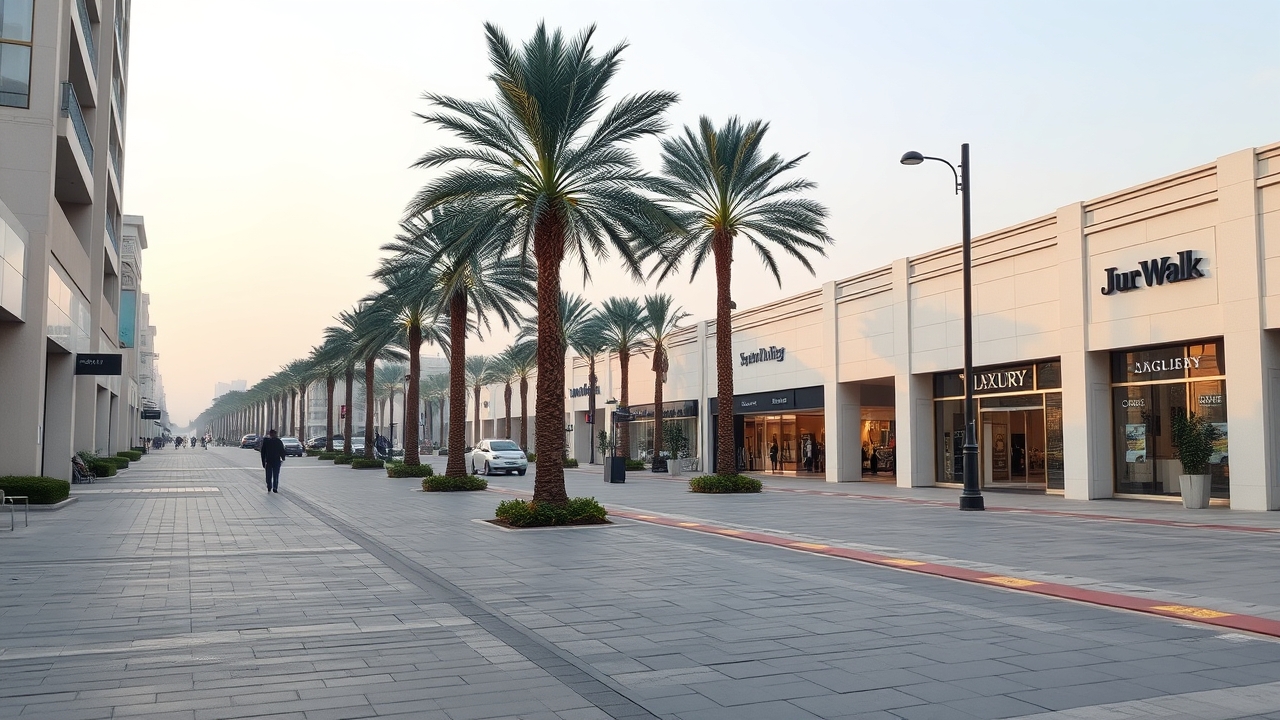
Look at the sensors on top of the traffic lights. In 2026, these are thermal and visual AI sensors. If you see a long queue forming, don’t try to ‘creep’ forward. The system is designed to detect clear space. If you block the yellow box, the AI will often hold the next green cycle longer to clear the intersection, effectively penalizing your lane.
Living in JBR comes with specific logistical costs that are often overlooked. For instance, the 2026 remote work visa requirements now mandate a 6-month UAE bank statement showing a minimum monthly income of AED 18,350 ($5,000) or equivalent. If you are planning to base your remote business in a JBR serviced apartment, such as the SLS Dubai (for a more Downtown vibe) or a JBR local, ensure your logistics account for the ‘Salik’ overhead.
As of 2026, there is no Salik gate *inside* JBR, but the new gate at Al Safa South means that trips to Downtown from JBR now cost AED 4 per pass. For a daily commuter, this adds roughly AED 176 to the monthly budget, excluding fuel and parking fees.
It is often helpful to compare Dubai’s traffic management with its neighbor. Abu Dhabi’s Beach Rotana area offers a similar waterfront lifestyle. While JBR has more ‘buzz,’ the traffic in Abu Dhabi is generally more fluid due to the wider grid system. You can see the difference in lifestyle by looking at the Beach Rotana Abu Dhabi apartments. However, for most residents, the trade-off for Dubai’s vibrancy and the JBR Walk’s entertainment options is worth the extra 10 minutes in the car.
Looking ahead, the Dubai 2040 Urban Master Plan envisions JBR as a part of the ‘Dubai Marina’ urban hub, focusing on even higher densities of greenery and pedestrianization. What this means for traffic is a likely ‘congestion charge’ for non-resident vehicles entering the Walk during weekends—a policy already being discussed in 2026 municipal meetings. Residents with registered parking pods will likely be exempt, further increasing the value of staying in a dedicated serviced apartment like Roda Beach Resort or Wyndham.
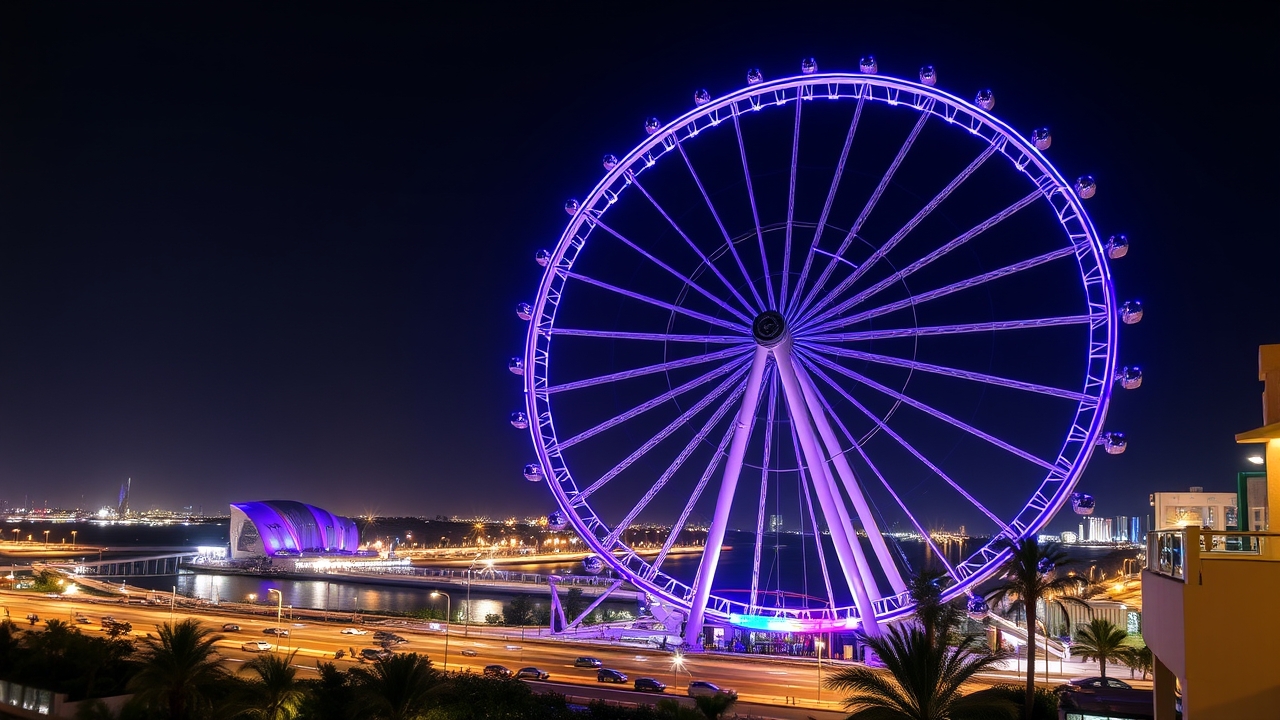
There is a psychological element to JBR traffic. Because you are driving through a world-class vacation destination, the ‘slow-down’ feels more frustrating when you are in ‘work mode.’ However, in my experience, once you accept that the last 800 meters of your journey will take 5-7 minutes, the stress levels drop significantly. The views of the Ain Dubai and the Arabian Gulf are, after all, some of the best ‘traffic views’ in the world.
In 2026, the rise of drone delivery has actually mitigated some of the light traffic concerns. Companies like Talabat and Careem have launched drone hubs in the Marina, meaning your ‘quick coffee’ or ‘pharmacy run’ no longer relies on a bike stuck in JBR traffic. This has been a game-changer for residents in high-density towers like those near Wyndham Residences Dubai Palm Jumeirah.
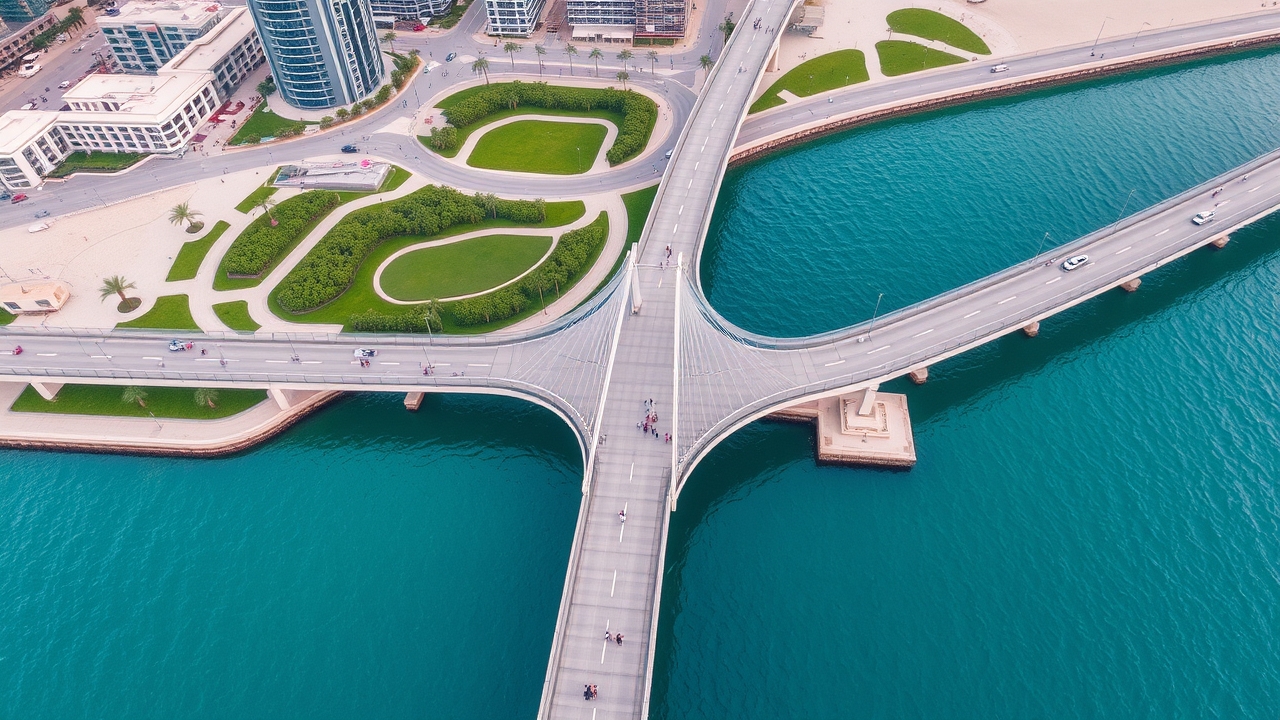
In 2026, JBR traffic is no longer the ‘dealbreaker’ it was in 2018. The combination of the Al Gharbi flyover, AI-synced signals, and the robust alternative of the Dubai Tram and water taxis has created a multi-modal transport environment. If you work in the Marina, JLT, or Jebel Ali, JBR is an excellent choice. If you work in Sharjah or the far north of Dubai, the commute remains a challenge, but that is true of any coastal community.
The key is to choose your cluster wisely. Focus on the northern end for Media City access and the southern end for Sheikh Zayed Road South connectivity. With the right strategy, ‘JBR traffic’ becomes just a minor footnote in an otherwise spectacular beachfront lifestyle.
Avoid driving between 7:30 PM and 9:30 PM on Friday and Saturday. This is the peak ‘tourist influx’ period. On weekdays, the 7:45 AM school rush is the most congested period for exits.
Yes, but it is expensive. Most residents recommend guests park at the Marina Mall or Bluewaters and take a short walk or taxi to avoid the high-density parking fees on the Walk itself.
While the tram has its own right of way, it does cross several intersections. In 2026, the synchronization has improved, but you should still factor in a 2-3 minute delay at tram crossings.
Dubai Marina has more entry/exit points (8 in total), whereas JBR effectively has 2 main arteries. If traffic is your only metric, the Marina is slightly better; however, JBR offers direct beach access that the Marina cannot match.
Methodology: This analysis was compiled using RTA 2026 traffic flow data, real-time commute testing during Q1 2026, and interviews with property managers at major JBR clusters.
Ready to experience the JBR lifestyle? Explore our curated selection of serviced apartments in JBR and Palm Jumeirah today to find your perfect home with optimized commute access.