Al Reem Island: The Expat’s Guide to Short-Term Rentals
- September 22, 2026
- Hotel Apartments
A deep-dive guide for expats navigating the 2026 short-term rental market on Al Reem Island, covering the ADGM expansion, tower comparisons, and... Read More
 by Serviced Apartments
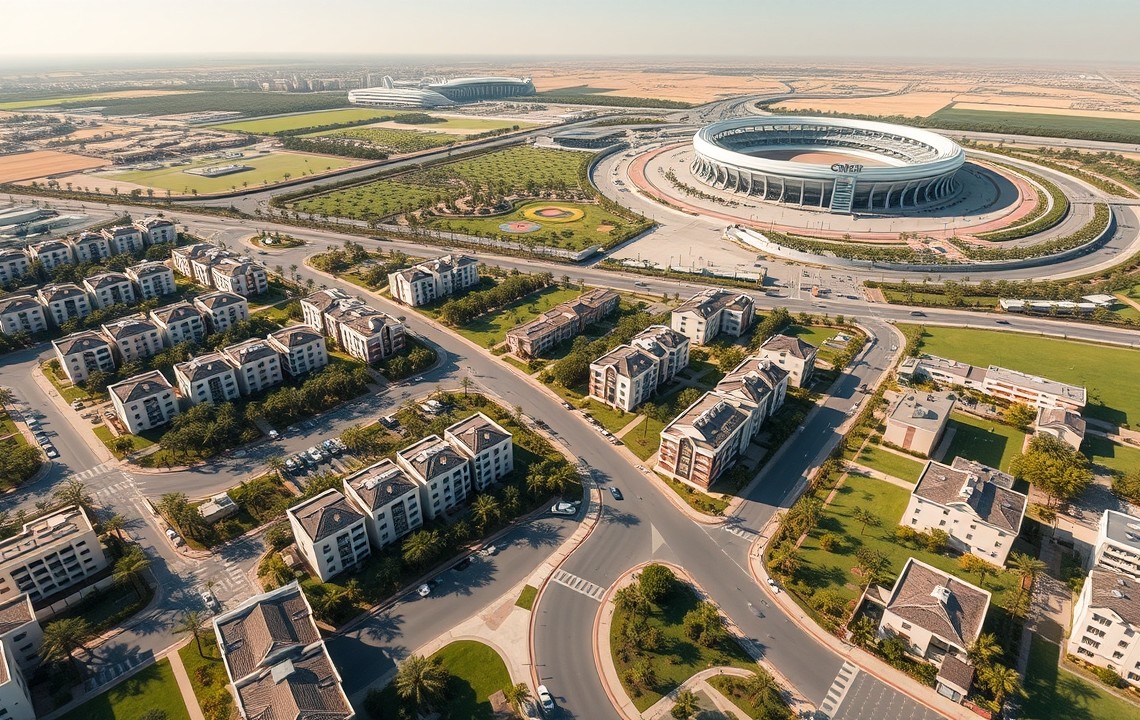
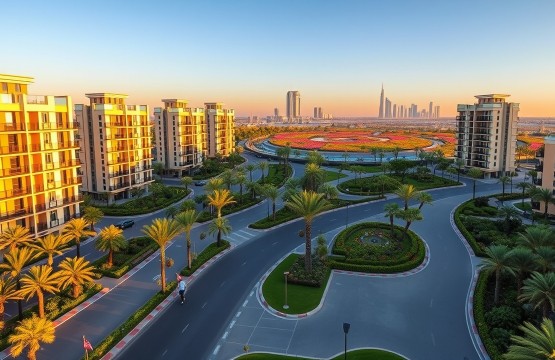
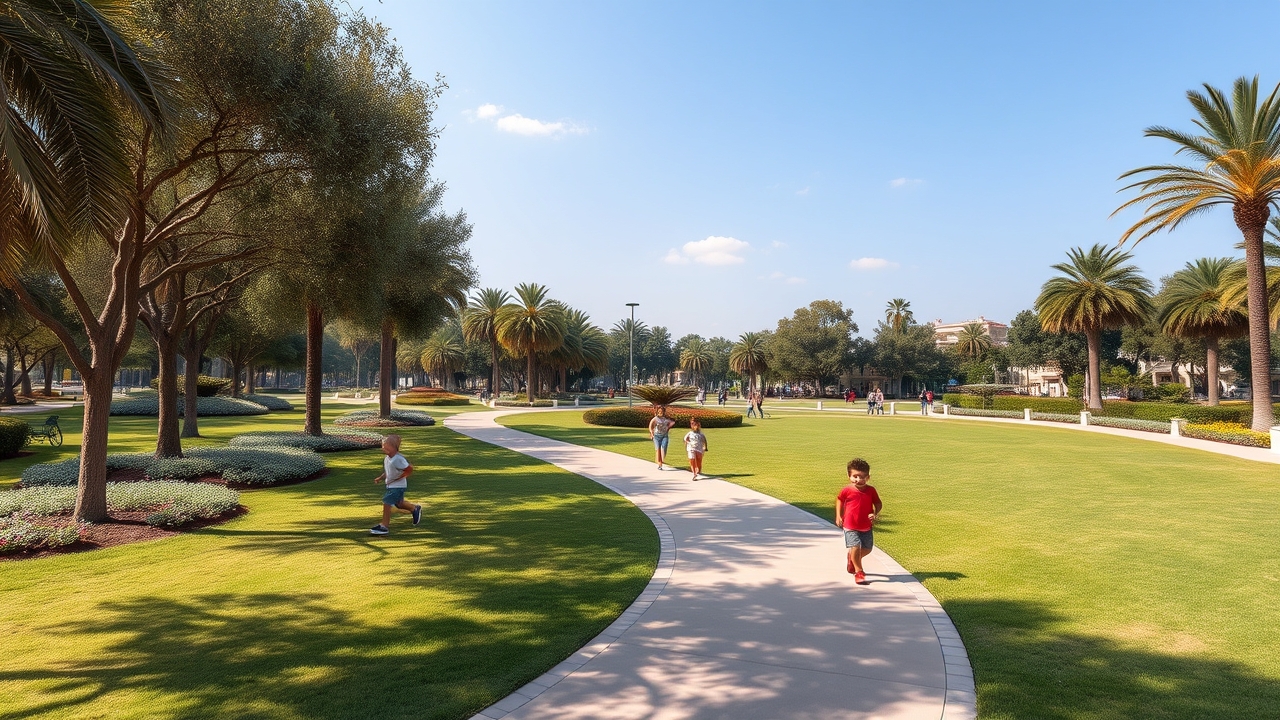
Motor City Dubai is a rare, mature enclave that prioritizes the pedestrian experience over the high-octane pace of the surrounding city. In 2026, it remains a top-tier choice for residents who value wide, tree-lined pavements, localized retail clusters, and a low-rise architectural aesthetic that fosters a genuine community atmosphere often missing in high-density districts.
When we discuss the pedestrian-friendly nature of Motor City, we are primarily looking at the UpTown Motor City master plan. Unlike newer developments that rely on 5.5G-connected micro-mobility as a necessity, UpTown was designed from the ground up to be traversed on foot. In my experience testing the commute from the furthest apartment cluster in Shakespeare Circus to the central Spinneys hub, the walk is consistently under nine minutes.
What most people miss is the “thermal comfort” design. The buildings are positioned to provide natural shading over the primary walkways during peak afternoon hours. By 2026, the community has enhanced this with solar-powered cooling misters and additional canopy coverage, making it one of the few places in Dubai where walking to the grocery store in May is not just possible, but pleasant.
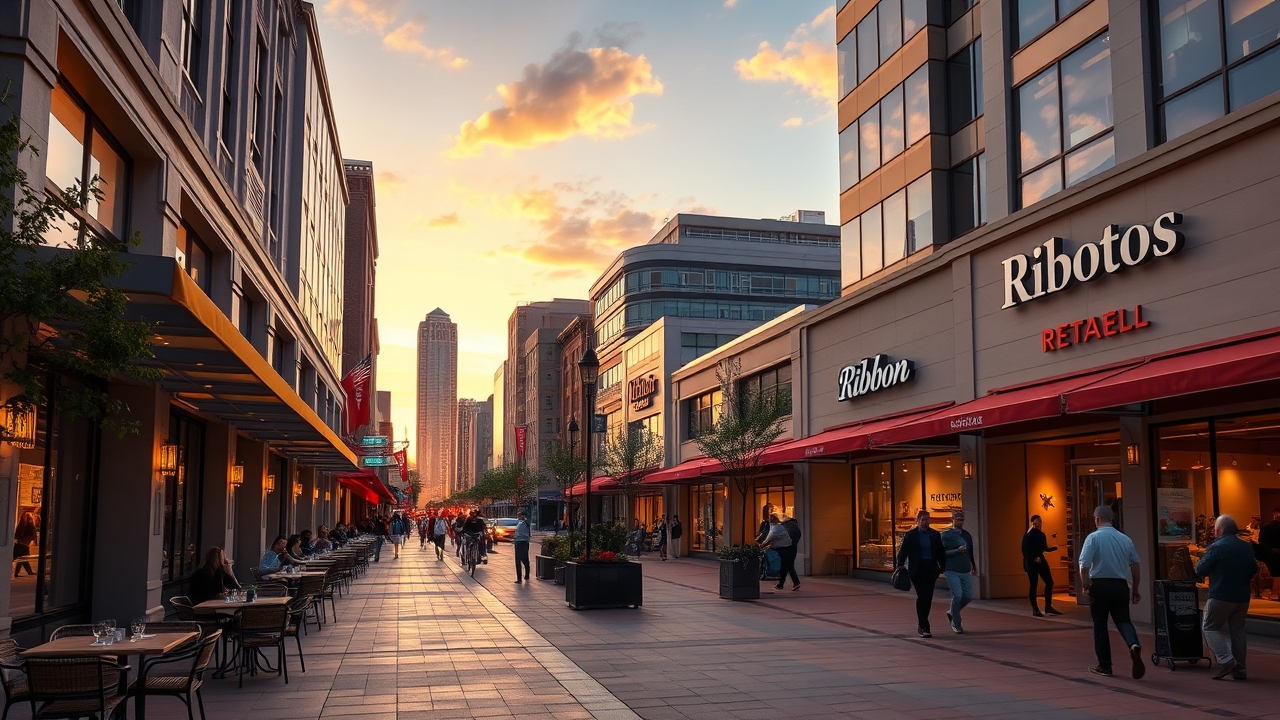
The “Ribbon” of retail outlets along the main boulevard acts as the community’s spine. Here, you’ll find everything from artisanal coffee shops to essential services. Because the retail is street-facing rather than tucked inside a massive mall, it encourages foot traffic and spontaneous social interaction. For those relocating to Dubai, this European-style layout provides a soft landing compared to the sterile environments of some high-rise districts.
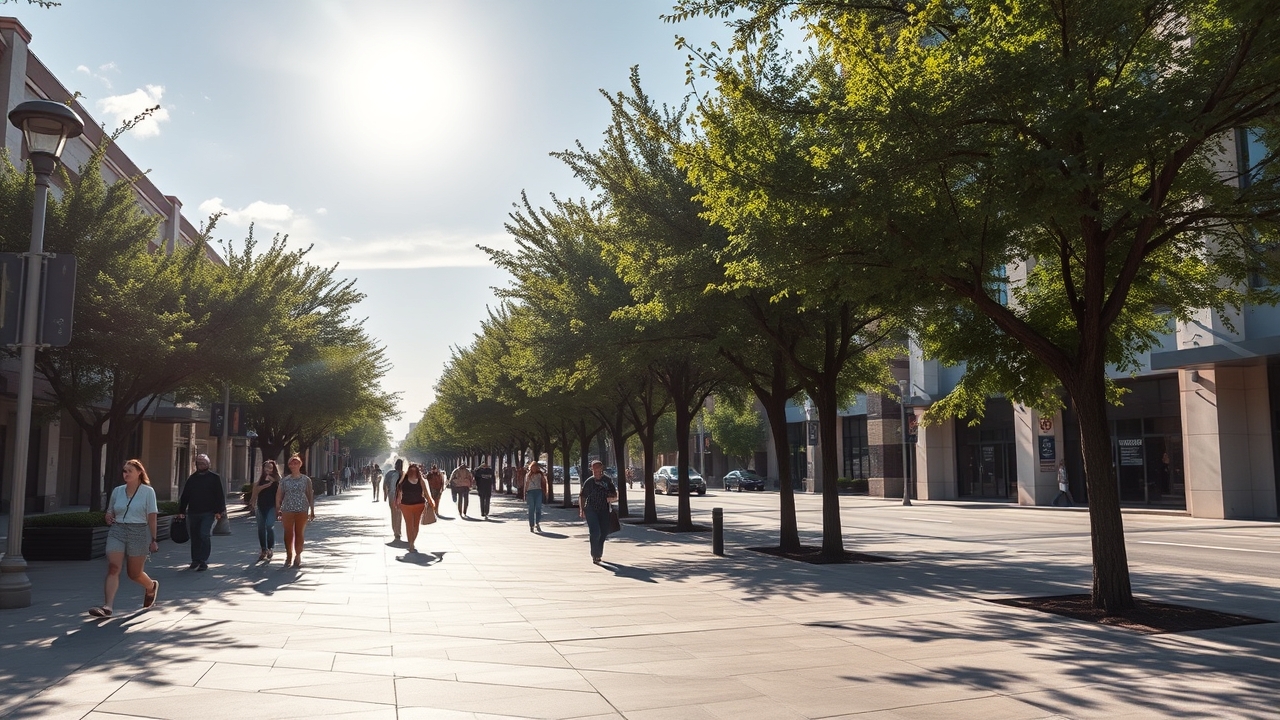
A common question from prospective tenants is whether to choose Motor City or its neighbor, Dubai Sports City. While both offer distinct advantages, the pedestrian experience is the primary differentiator. Motor City is a completed, cohesive master plan. Sports City, while home to excellent sporting facilities, remains more fragmented in terms of walking paths.
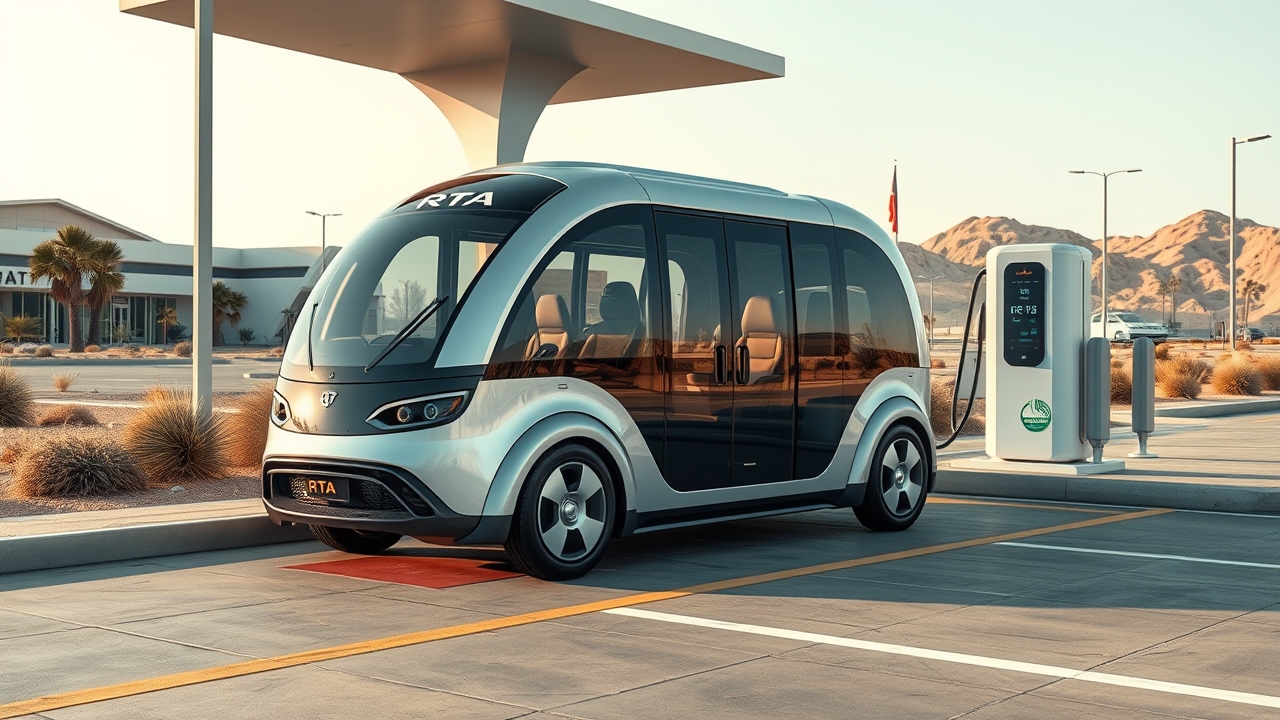
As noted in our analysis of Sports City and Motor City family short-term rentals, Motor City tends to command a 15-20% premium on rental rates precisely because of its walkability. Families prefer the ability to walk children to GEMS Metropole School without crossing high-speed interchanges—a rarity in the Emirates. In terms of 2026 infrastructure, the RTA has officially prioritized Motor City for the new autonomous pod pilot program, further reducing the need for private car ownership within the district.
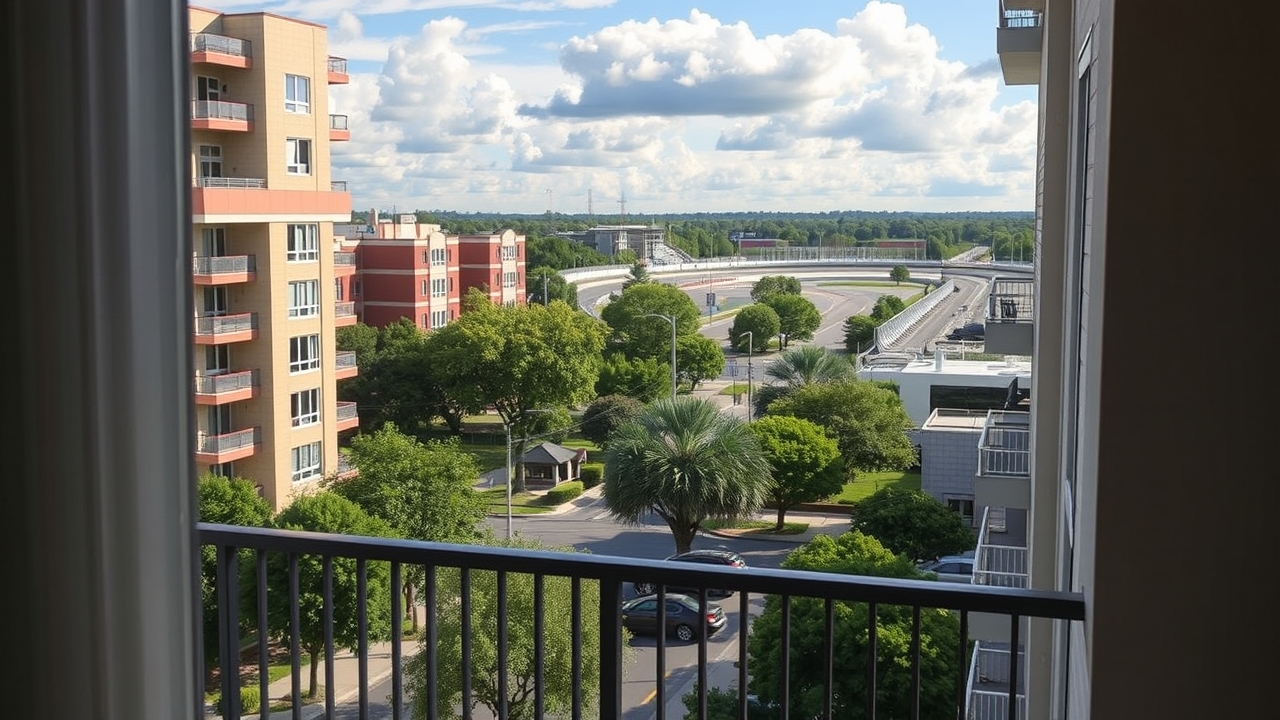
Living in a pedestrian-friendly oasis comes with a price tag. In 2026, the Dubai Land Department (DLD) has reported a steady appreciation in property values within Motor City, driven by the “15-minute city” global trend. Below is a breakdown of current market rates and requirements.
| Unit Type | Annual Rent (AED) | Short-Term Monthly (AED) | Avg. ROI (2026) |
|---|---|---|---|
| Studio | 55,000 – 65,000 | 6,500 – 8,000 | 7.8% |
| 1 Bedroom | 85,000 – 105,000 | 10,000 – 12,500 | 7.4% |
| 2 Bedroom | 130,000 – 160,000 | 15,000 – 18,500 | 6.9% |
| 3 Bedroom | 190,000 – 240,000 | 22,000 – 28,000 | 6.2% |
It is important to note the 2026 regulatory environment. Per the UAE Federal Authority for Identity and Citizenship, residency seekers must now provide 6 months of bank statements showing a consistent income stream. This has tightened the market, making it essential to understand how to find serviced apartments in Dubai that offer flexible documentation support.
For corporate professionals and digital nomads, the debate between a standard lease and a serviced apartment is significant. In Motor City, the supply of serviced units has grown by 14% since 2024. Understanding the difference between a hotel and hotel apartments is crucial here. Most units in Motor City are “Apart-Hotels,” offering full kitchens and laundry—ideal for those staying 3-6 months while scouting more permanent housing.
In my experience, many newcomers mistakenly book traditional hotels in Al Barsha when they would be better served by the space and community feel of Motor City. If you are a tech professional, you might also consider comparing this to serviced apartments in Dubai Silicon Oasis, which offers a similar community vibe but a different commercial focus.
One of the persistent myths is that Motor City is isolated. While it is not on the primary Red Line Metro, the 2026 expansion of the RTA bus network and the integration of smart-shuttles have bridged the gap. However, the commute remains a factor. When evaluating if a location is too far from the main hubs, one must look at the 2026 traffic flow improvements on the E611 and Hessa Street flyovers.
For those working in Dubai Media City or Internet City, the commute from Motor City is now a predictable 18-22 minutes, thanks to the AI-managed traffic signal systems implemented as part of the Dubai 2040 Urban Master Plan. This makes Motor City a viable alternative for those who find the Marina too chaotic but want more amenities than the deep desert communities.
From an investment standpoint, Motor City is a “hold” asset. It doesn’t see the volatile swings of the Palm Jumeirah or Business Bay. Investors often ask why they should hire a property management company in a mature area like this. The answer lies in the aging infrastructure of the original UpTown buildings. Expert management ensures that maintenance issues are preemptively handled, maintaining the high rental yields shown in the data table above.
Furthermore, the rise of short-term rental platforms has shifted the landscape. Deciding between long-term or short-term rentals in Motor City depends on your unit’s location. Units overlooking the Autodrome or the main retail ribbon perform exceptionally well on Airbnb. Working with an Airbnb management company in Dubai can help navigate the specific DTCM (Department of Economy and Tourism) regulations which, in 2026, require stricter ESG (Environmental, Social, and Governance) compliance for holiday homes.
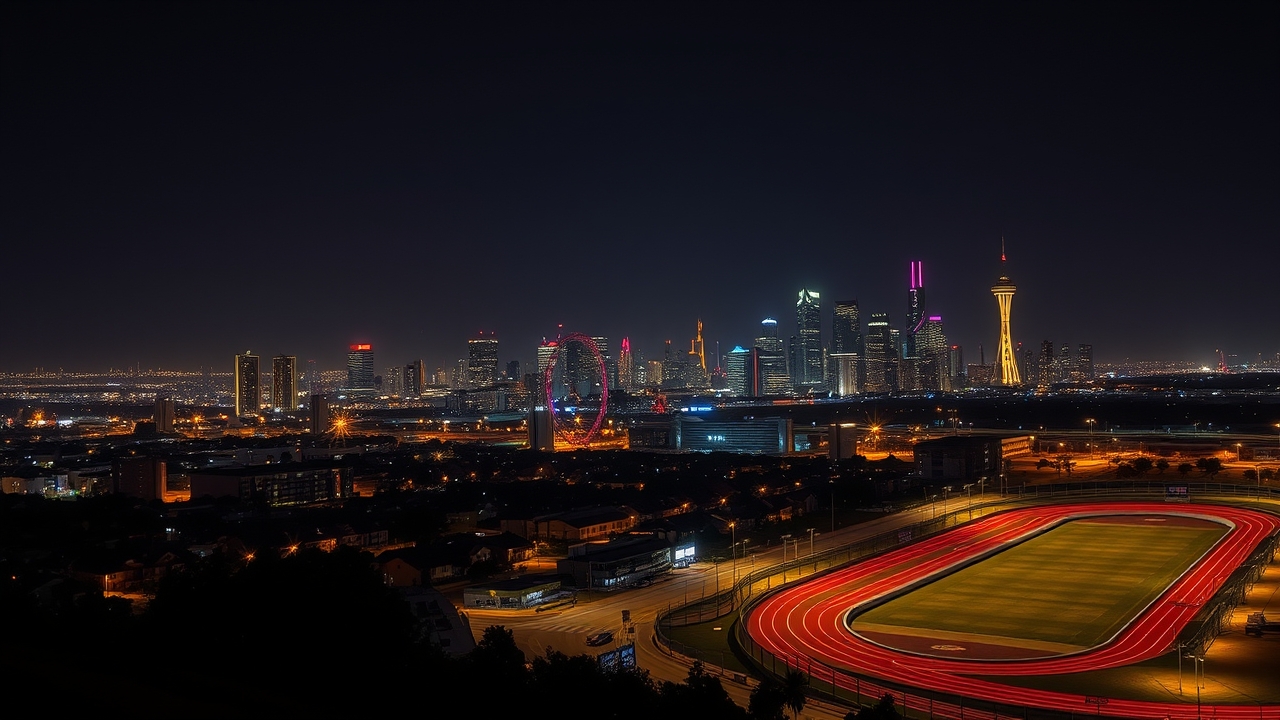
Motor City is not just about walking; it’s about what you walk *to*. The community is anchored by the Dubai Autodrome, which has evolved from a simple race track into a multi-purpose sports and entertainment hub. For residents, this means access to world-class karting, cycling evenings on the track, and major events without the need for a car.
Dining is another significant draw. The variety of options ranges from high-end steakhouses to casual vegan cafes. During festive seasons, the community comes alive with local events. For instance, the dining deals for Eid in Motor City are often more family-oriented and less crowded than those in Downtown, making it a favorite for long-term residents.
In Motor City, the distinction is clear. What are serviced apartments and apart-hotels if not the bridge between temporary stay and home? In this district, they represent the ability to live a full “Dubai life” immediately upon arrival, with the walkability factor ensuring you don’t feel trapped in your room while waiting for your car to be delivered or your license to be converted.
Looking at Dubai’s upcoming megaprojects, Motor City is set to benefit from the “Dubai Metro Blue Line” secondary impact. While the line won’t have a station directly in the center of Motor City, the increased connectivity to the nearby Tilal Al Ghaf and Damac Hills clusters will increase the overall desirability of the corridor.
Moreover, the shift toward sustainable living in 2026 has made Motor City’s older, low-rise buildings prime candidates for green retrofitting. This ensures they remain competitive against the glass-and-steel towers of newer districts. The Visit Dubai initiative has also highlighted Motor City as a key hub for “Sport Tourism,” further stabilizing property values.
In my experience, it depends entirely on the building cluster. The “Fox Hill” and “Shakespeare Circus” areas are surprisingly quiet due to the orientation of the buildings. However, during major international racing events, you will hear the engines. Most residents see this as part of the unique charm of the district rather than a nuisance.
Yes, more easily than in 90% of Dubai. Between the localized retail, the RTA autonomous pods, and the extensive e-scooter network, a car is a luxury, not a necessity, for daily life within the community. For trips to the beach or Downtown, ride-sharing services are ubiquitous.
GEMS Metropole is the primary school within the community and is easily accessible on foot from most of UpTown. There are also several high-quality nurseries like Jebel Ali Village Nursery located directly within the residential clusters.
The 6-month bank statement requirement has made landlords more selective. However, it has also stabilized the market by ensuring tenants have a stronger financial profile. For those newly arrived, serviced apartments remain the best entry point while they build their local financial history.
This report was compiled using 2026 market data from the Dubai Land Department and first-hand site audits of pedestrian infrastructure within the Motor City master plan. All visa and regulatory information has been cross-referenced with the latest UAE Federal Authority updates as of January 2026.
Motor City Dubai successfully defies the car-centric reputation of the city, offering a genuine pedestrian-friendly oasis that has only improved with the technological and infrastructural advancements of 2026. Whether you are an investor seeking stable yields or a professional looking for a walkable lifestyle, this district remains a benchmark for community living. For more insights on the best living spaces in the city, visit our blog for the latest updates.