
Al Reem Island: The Expat’s Guide to Short-Term Rentals
- September 22, 2026
- Hotel Apartments
A deep-dive guide for expats navigating the 2026 short-term rental market on Al Reem Island, covering the ADGM expansion, tower comparisons, and... Read More
 by Serviced Apartments
In 2026, choosing between Rove and standard hotel apartments depends on whether you value social connectivity or spatial utility. Rove defines the lifestyle segment with efficient, tech-integrated rooms, while standard apartments offer the square footage and full kitchens required for family living or long-term residency under the new 6-month bank statement regulations. This guide dissects the operational and lifestyle nuances of both.
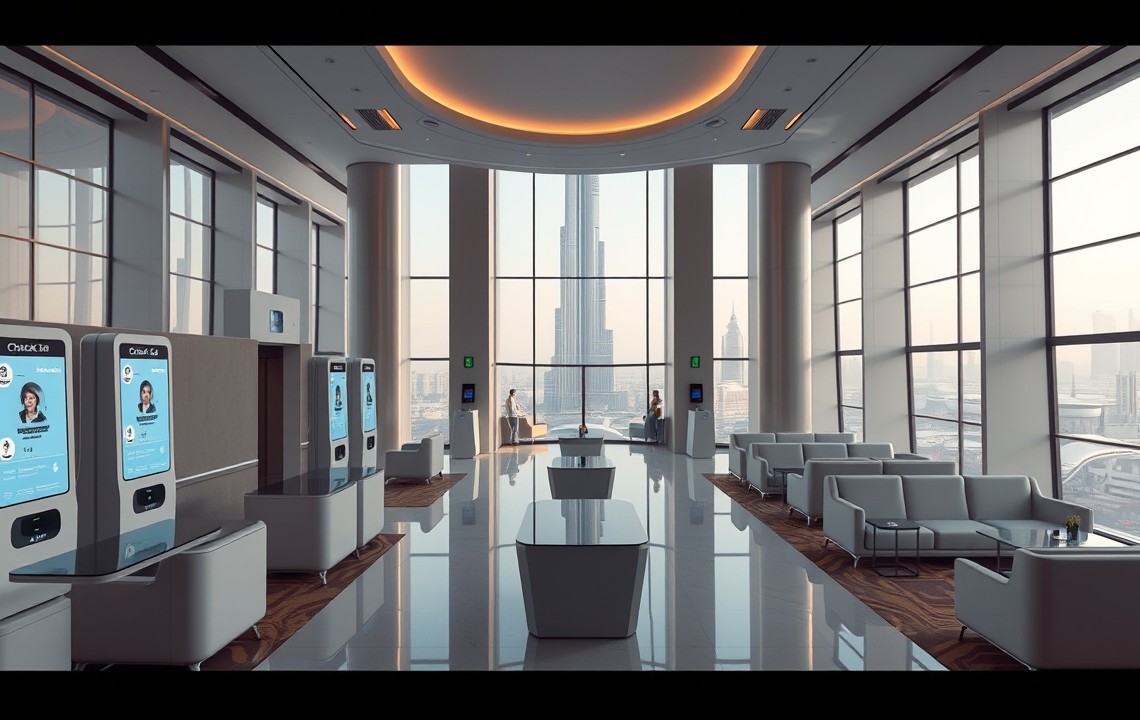
The Dubai hospitality market has undergone a fundamental bifurcation. On one side, we have the “Legacy” or standard hotel apartments, which have traditionally dominated areas like Deira and Al Barsha. On the other, the “Lifestyle” brand, pioneered by Rove, has reimagined the hotel as a social platform rather than just a place to sleep. In my experience testing these assets over the last decade, the shift isn’t just aesthetic; it’s operational. Most people miss the fact that lifestyle brands operate with a lean staffing model, utilizing AI-driven kiosks and self-service laundromats, whereas standard apartments still rely on a high-touch concierge approach.
Lifestyle brands like Rove have optimized for the “grab-and-go” culture. The design language is intentionally vibrant, featuring local art and industrial finishes. More importantly, the communal spaces are designed as co-working environments. With the 2026 push toward hybrid work, these hotels have integrated 5.5G connectivity throughout their lobbies, making them a magnet for the nomad crowd. If you are staying at the Rove JBR Hotel, you aren’t just paying for a room; you are paying for access to a high-speed ecosystem where networking is built into the architecture.
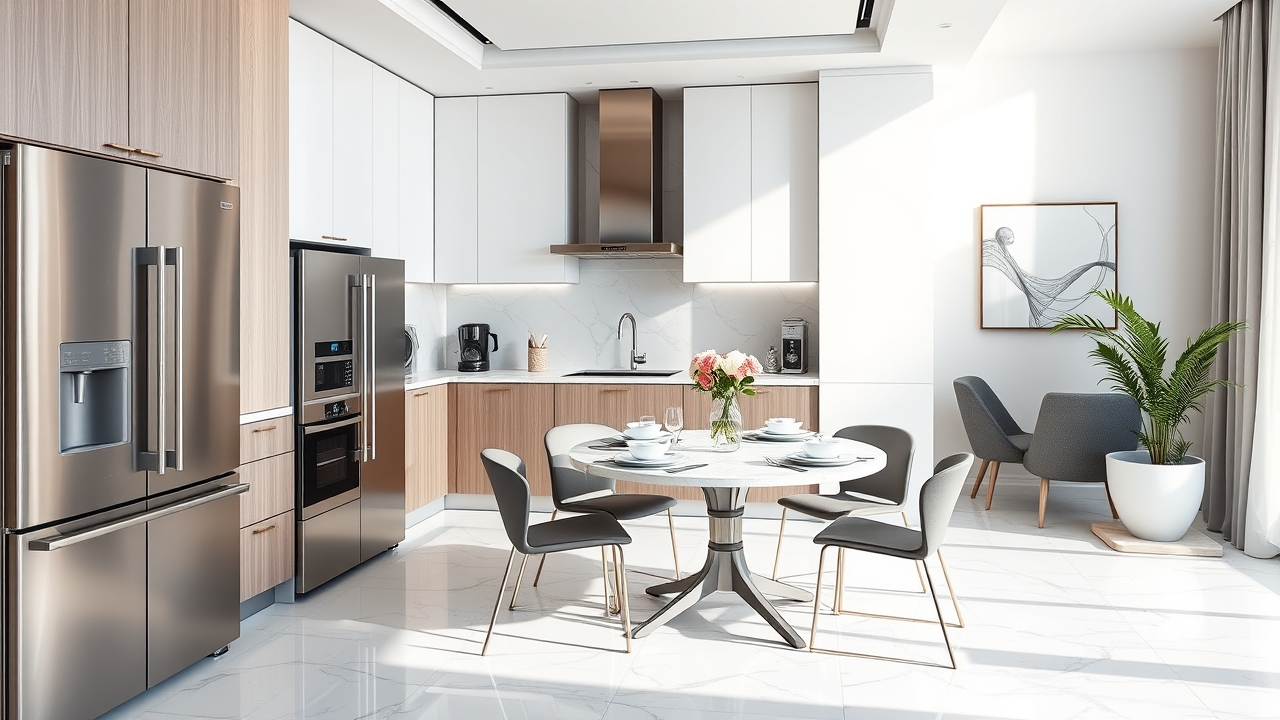
Despite the flashiness of lifestyle brands, standard hotel apartments remain the backbone of the extended-stay market. The reason is simple: space. A standard one-bedroom apartment, such as the one-bedroom at City Premier Marina, typically offers 25-40% more floor area than a Rove room. For residents transitioning to Dubai or families on holiday, the presence of a full kitchen, a separate washing machine, and a dining table is non-negotiable. Understanding the difference between a hotel and hotel apartments is critical before signing a yearly contract, especially as the latter functions more like a residential lease with hotel-style perks.
The technical requirements for a stay in 2026 have moved beyond just “free Wi-Fi.” We are now looking at the integration of IoT and sustainable energy management systems. Lifestyle brands are at the forefront of this integration, often featuring app-based room controls that manage HVAC and lighting based on real-time occupancy data. This is not just a gimmick; it contributes to the lower service fees passed on to the guest.
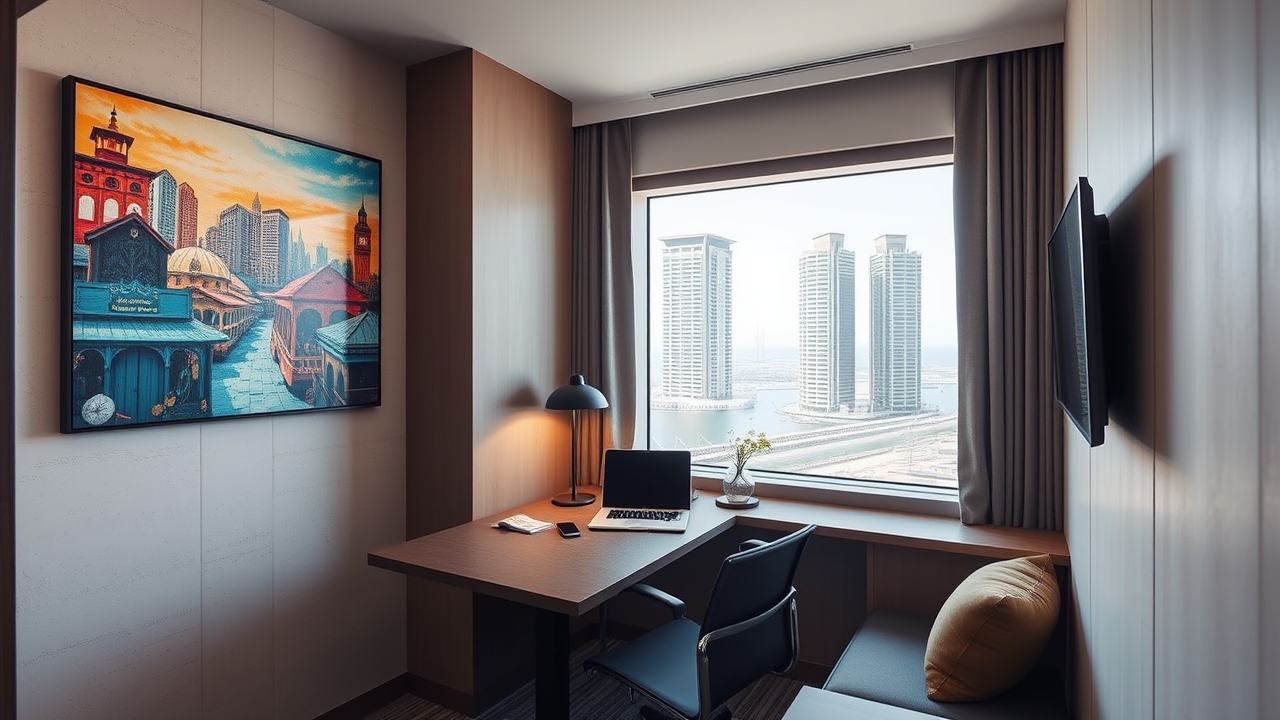
Standard hotel apartments have traditionally struggled with building-wide Wi-Fi consistency due to the thickness of concrete walls in older structures. In contrast, Rove properties are built with internal signal boosters for 5.5G. This is a crucial distinction for professionals. If your work involves heavy data transfer or VR conferencing—common in 2026 corporate environments—the infrastructure at a lifestyle hotel is generally more robust. However, many newer standard apartments, such as the Sheraton Grand Hotel Dubai, have retrofitted their units to meet these 2026 tech standards, bridging the gap between luxury and lifestyle.
In my experience, the amenity package is where these two brands diverge most sharply. Rove offers 24-hour self-service laundromats, salt-water pools, and 24-hour gyms that feel like boutique fitness studios. Standard hotel apartments tend to offer more traditional, private amenities. For instance, a long-stay guest in Deira or Bur Dubai long-stay hotel apartments will likely have a kitchen equipped with a four-burner stove and a full-sized refrigerator—utilities rarely found in lifestyle hotel rooms. According to the Dubai Department of Economy and Tourism, the demand for “self-contained” units remains high among the GCC family demographic.
The financial structure of these stays is the most misunderstood aspect of the Dubai hospitality market. Many guests assume that a smaller lifestyle room is always cheaper. However, when you factor in the “lifestyle tax”—the premium paid for location and social hubs—a larger, standard apartment in a residential neighborhood can often be more cost-effective for stays exceeding 30 days.
| Feature | Rove (Lifestyle) | Standard Hotel Apartments |
|---|---|---|
| Average Room Size | 26 sqm | 45 – 120 sqm |
| Kitchen Facilities | Mini-fridge, Coffee Station | Full Kitchen (Stove, Oven, DW) |
| Laundry | Self-Service (Lobby) | In-room Machine |
| Target Demographic | Solo, Nomads, Gen Z | Families, Corporate, Long-stay |
| Tech Stack | 5.5G, Smart Key, AI Concierge | Broadband, Legacy TV, Reception |
One of the most critical updates for 2026 is the legal requirement for long-stay residents. Under new UAE Federal Authority for Identity and Citizenship guidelines, those using a hotel apartment address for residency (such as the Remote Work Visa or Golden Visa) must now provide 6 months of bank statements showing a consistent income stream. Previously, 3 months were sufficient. This shift has led many to question: are serviced apartments cheaper than hotels in the long run? When you consider the inclusion of DEWA (water/electricity) and chiller fees in the hotel apartment rate, the answer is usually yes, especially given the increased scrutiny of private residential leases by the Dubai Land Department.
What most people miss is the “Tourism Dirham” fee structure. In a lifestyle hotel like Rove, which is categorized as a 3-star brand despite its 5-star vibe, the daily fee is significantly lower (AED 10-15) than in a 5-star standard hotel apartment (AED 20). Over a 90-day stay, this discrepancy alone can save a guest nearly AED 1,000. For those seeking even larger accommodations, looking at a 4-bedroom Delta Hotels by Marriott JBR reveals how these fees scale with room size, making lifestyle brands a more agile choice for budget-conscious solo travelers.
The location of a lifestyle brand vs. a standard apartment often dictates the type of experience you will have. Rove properties are strategically placed in “active” zones—Downtown, Dubai Marina, and Expo City. Standard hotel apartments are more widely distributed, providing better access to residential hubs like Al Qusais or the Roda Hotel Apartments in various districts.
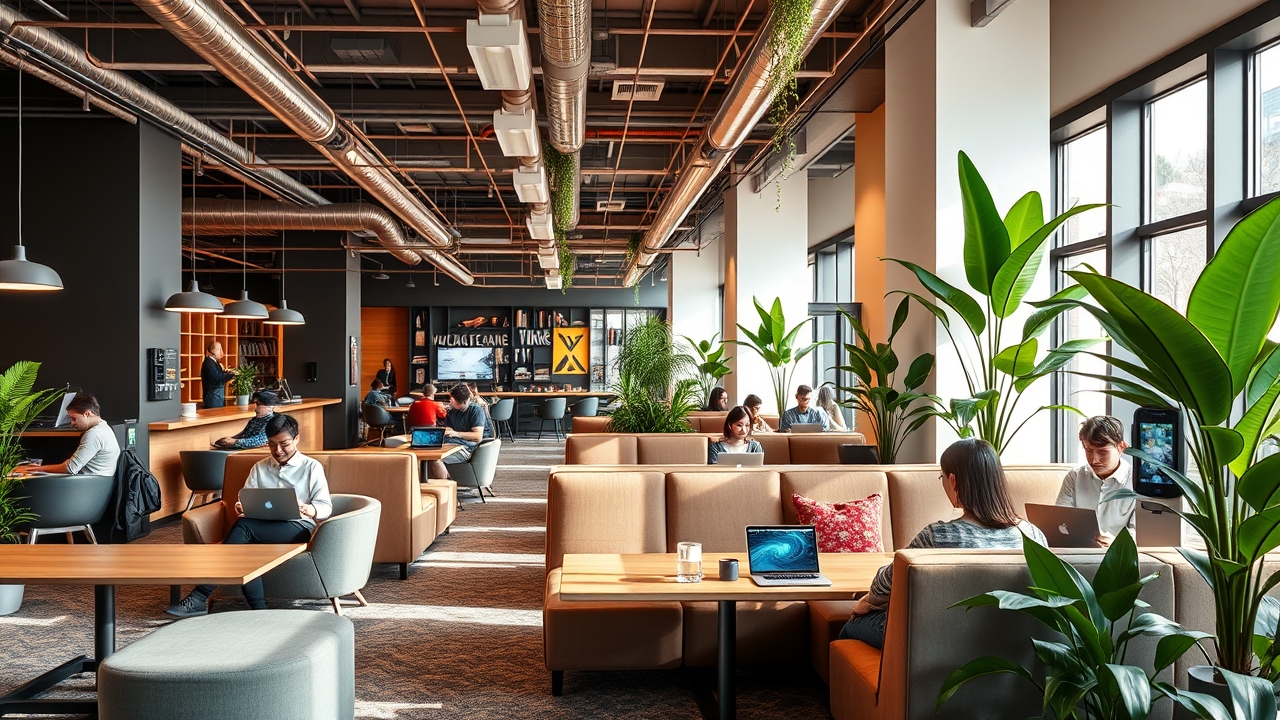
In 2026, the area around the former Expo site (now Expo City Dubai) has become a primary hub for green tech and AI firms. Finding hotels near the Expo 2020 site is no longer just for tourists. Professionals working in this district often prefer the Rove Expo 2020 for short bursts of work but migrate to hotel apartments near the Expo for monthly stays. The reason? The proximity to the metro and the need for a quiet, private workspace that lifestyle communal areas don’t always provide.
In high-density areas like JBR, the competition is fierce. Lifestyle brands thrive here because the external environment (the beach, the restaurants) acts as the guest’s “living room.” When the outside world is your amenity, you don’t need 100 sqm of space. This is a core philosophy of the lifestyle movement. Conversely, in the Marina, standard apartments remain king for the executive class who require a formal setting for in-room meetings or family dinners during the Diwali celebrations in Dubai or other festive periods.
Lifestyle brands are essentially “experience aggregators.” During my time analyzing guest sentiment, I’ve noticed that Rove guests are 40% more likely to use the hotel’s public spaces than guests in standard apartments. This is because standard apartments are designed to be self-contained; they encourage you to stay in your room. This leads to a debate of hotel apartments vs. residential living, where the standard hotel apartment often feels like a hybrid of both.
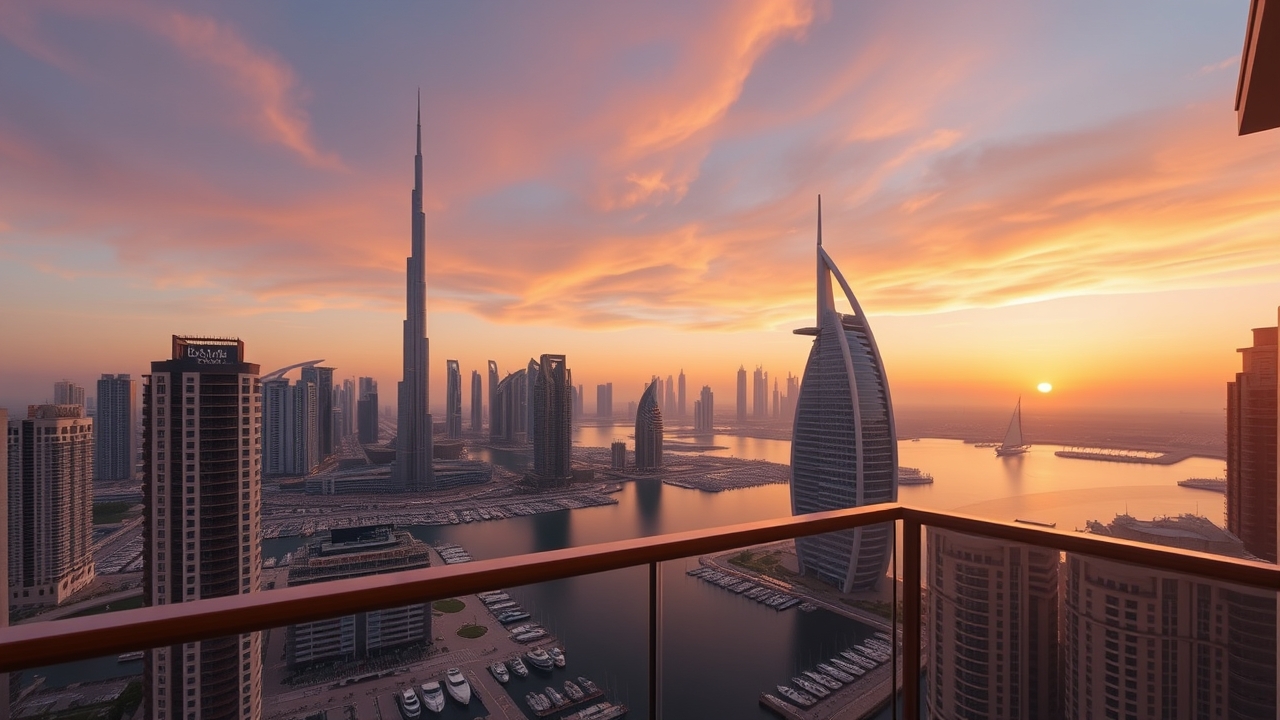
One area where lifestyle hotels shine is seasonal programming. Whether it is a Ramadan Iftar deal or Christmas and NYE dinner hosting, lifestyle brands curate these events to feel like community gatherings rather than corporate buffet lines. In 2026, we see this evolving into “Resident-Only” events, where long-stay guests in lifestyle hotels are given access to exclusive talks, workshops, and networking mixers, a feature largely absent in standard hotel apartment buildings like the Grand Millennium Al Wahda in Abu Dhabi.
From an investment standpoint, lifestyle hotels are significantly more efficient. The “RevPAR” (Revenue Per Available Room) in a Rove property is often higher than in a mid-scale standard hotel apartment because the operational overhead is minimized. According to data from Statista, lifestyle brands in the Middle East have seen a 12% year-on-year growth in occupancy rates compared to the 7% growth in traditional serviced apartments.
Standard hotel apartments typically offer daily housekeeping, which is a massive operational expense. In 2026, many lifestyle brands have moved to a “Clean on Demand” or “Weekly Deep Clean” model for long-stayers, reducing labor costs and lowering the carbon footprint. This aligns with the UAE’s sustainability goals as highlighted in recent local industry reports. For the guest, this means lower rates; for the operator, it means higher margins.
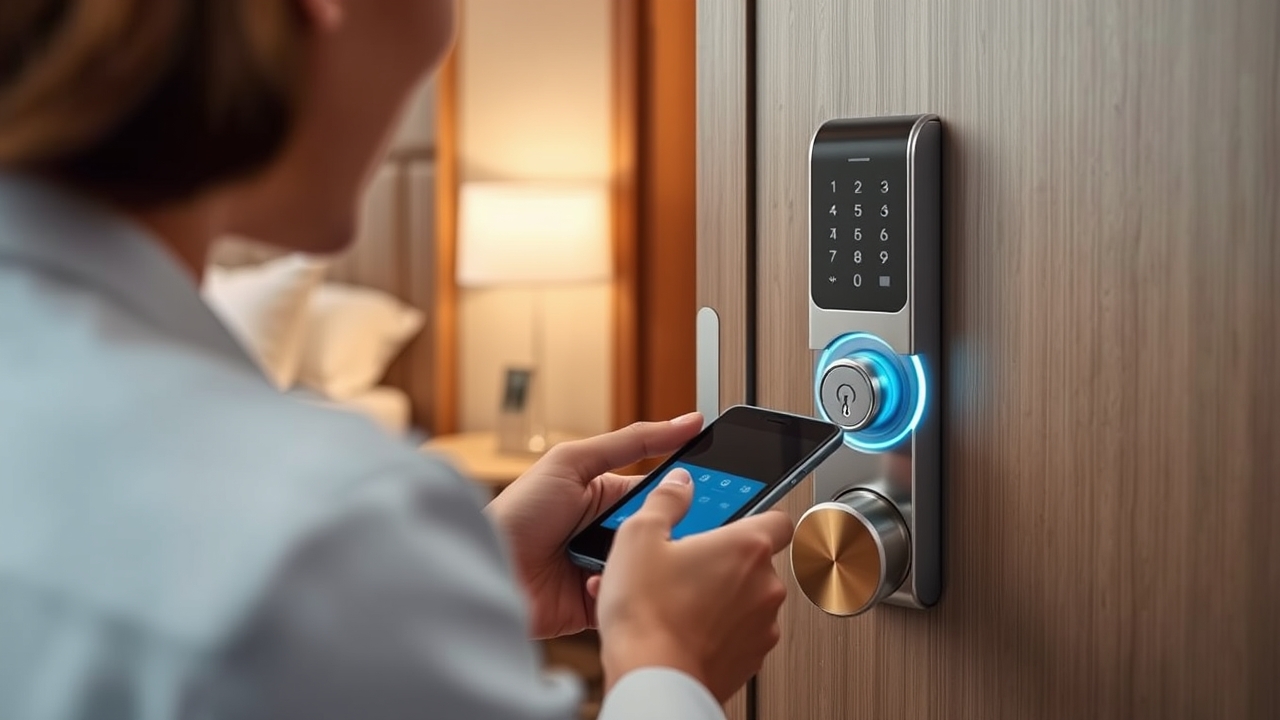
Let’s look at the actual experience of checking into these two formats in 2026. At a lifestyle hotel, you likely bypass the front desk entirely. Your mobile device, connected to the hotel’s 5.5G network, serves as your key and your check-in kiosk. You walk into a lobby that smells like artisan coffee and sounds like a lo-fi hip-hop playlist. You grab a healthy snack from a self-service pantry and head to a room that, while small, is masterfully designed for ergonomics.
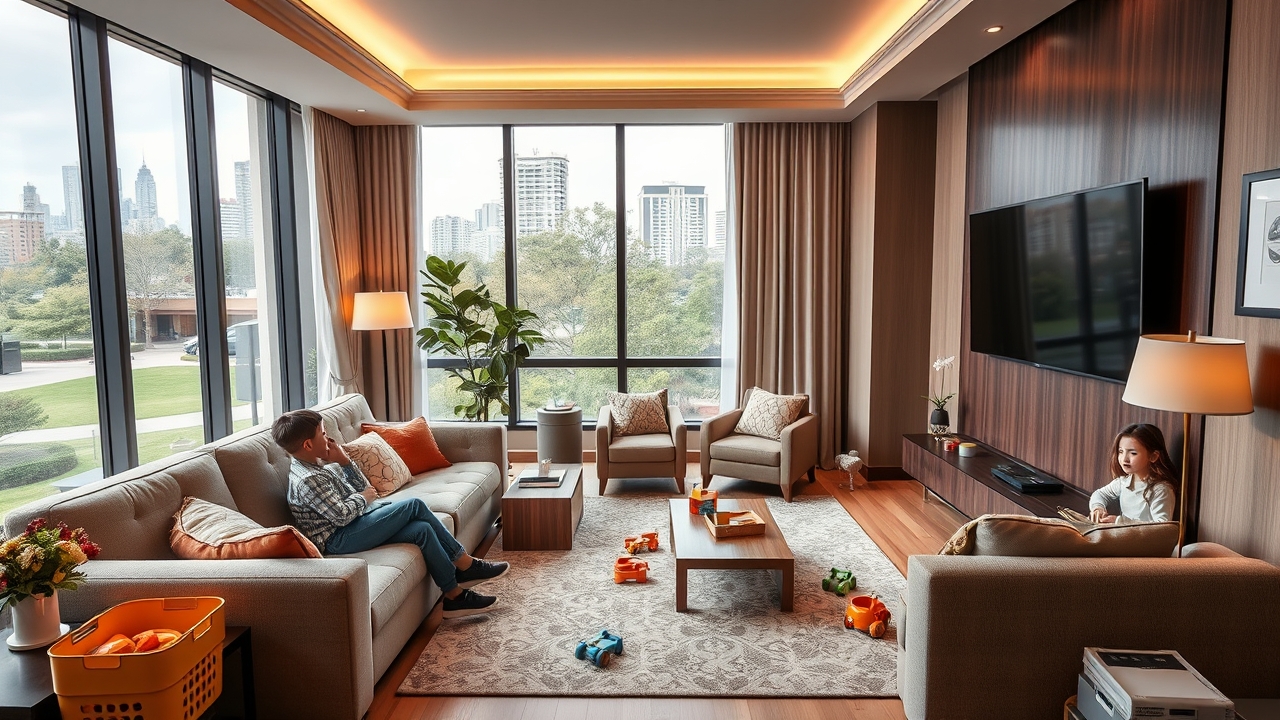
Now, consider the standard hotel apartment. You are greeted by a doorman. You check in at a marble desk. You are escorted to your room, which is likely double the size of the lifestyle room. You have a hallway, a separate kitchen, and perhaps a balcony. It is quiet. It is private. It is your home. For a professional looking to settle in for six months while navigating the 2026 visa requirements, this sense of permanence is often worth the lack of a social lobby.
In 2026, environmental, social, and governance (ESG) metrics are a primary driver for corporate bookings. Lifestyle brands, being newer, are often built to LEED Gold or Platinum standards. They feature greywater recycling for their landscaping and solar-heated pools. While older standard hotel apartments are retrofitting these features, the inherent efficiency of a smaller lifestyle room—requiring less energy for cooling—gives them a natural advantage in the 2026 market.
Both sectors are now using AI, but for different purposes. Standard apartments use AI for maintenance—predicting when an AC compressor will fail in a 40-story tower. Lifestyle hotels use AI to personalize the guest experience, suggesting local events based on your digital footprint. This further illustrates the “Efficiency vs. Experience” divide that defines the two categories.
Yes, provided you have a long-term contract (usually 6 months+) and can meet the 2026 requirement of providing 6 months of bank statements to the authorities. However, check if the specific property provides the necessary ‘To Whom It May Concern’ letter for the visa application.
Standard hotel apartments are almost always better for families. The availability of multiple bedrooms and full kitchen facilities makes managing family logistics much easier than in the compact rooms of lifestyle hotels.
By 2026, most lifestyle brands and 5-star standard apartments have integrated 5.5G infrastructure. Older 3-star or 4-star standard apartments may still rely on 5G or upgraded fiber broadband, which may be slower during peak hours.
Generally, no. Lifestyle brands pride themselves on transparency. However, remember that services like laundry or breakfast are often ‘pay-as-you-go’ rather than being bundled into a high room rate, which can add up if not managed.
This comparison was compiled by analyzing 2026 hospitality performance data, current UAE visa regulation updates, and on-site technical audits of 5.5G infrastructure across Dubai’s key districts. Insights were further verified through interviews with hospitality operations managers specializing in lifestyle and serviced apartment sectors.
The choice between Rove and standard hotel apartments in 2026 is a trade-off between the efficiency of a social-first lifestyle brand and the utility of a space-first apartment. If you are a solo traveler or digital nomad who thrives on community and modern tech, Rove is the undisputed leader. However, for those requiring a stable home base for residency, family comfort, or culinary independence, the standard hotel apartment remains the gold standard in Dubai’s hospitality landscape.