
Al Reem Island: The Expat’s Guide to Short-Term Rentals
- September 22, 2026
- Hotel Apartments
A deep-dive guide for expats navigating the 2026 short-term rental market on Al Reem Island, covering the ADGM expansion, tower comparisons, and... Read More
 by Serviced Apartments
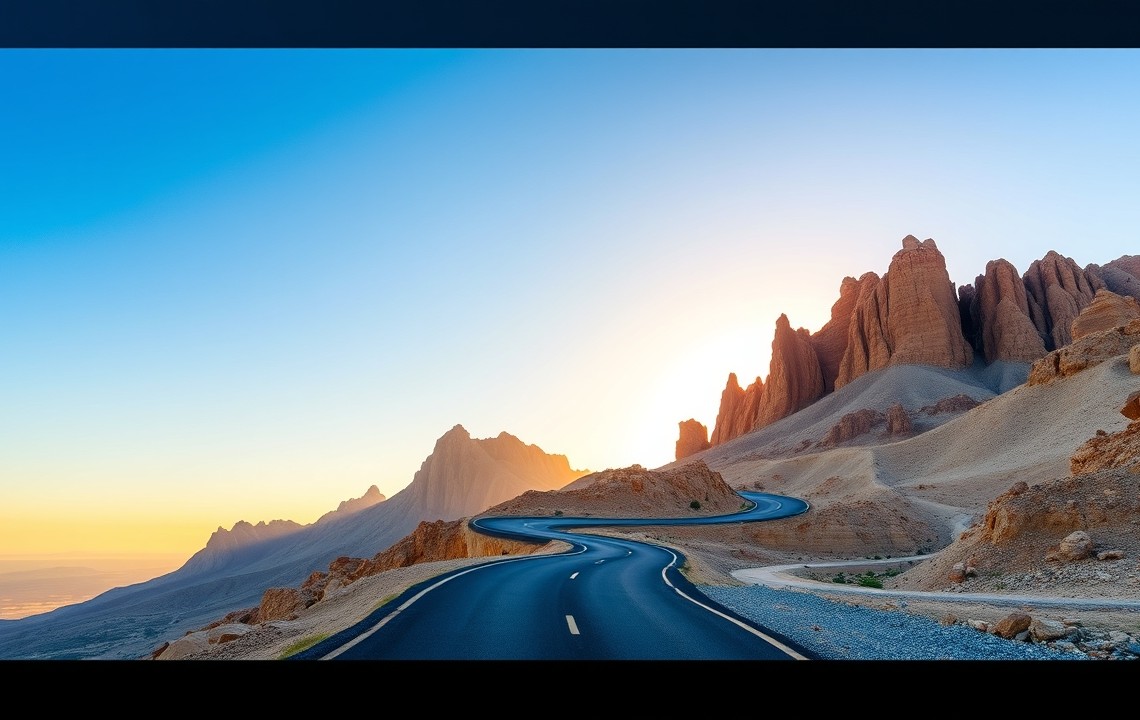
In recent years, the United Arab Emirates has transformed from a destination known primarily for its architectural marvels and luxury shopping into a hub for adventure tourism. The government has invested heavily in developing outdoor infrastructure, recognizing that the natural topography of the Northern Emirates offers world-class opportunities for trekking and mountain biking. This shift has encouraged both residents and tourists to venture beyond the urban sprawl of Dubai and Abu Dhabi to explore the limestone peaks of Ras Al Khaimah and the gravel plains of Fujairah.
The appeal of hiking in UAE lies in its seasonal accessibility. From October to April, the climate shifts from the intense heat of summer to a pleasant coolness, particularly in the higher elevations. This window of opportunity allows for extensive exploration of the ancient goat tracks and newly developed commercial trails that crisscross the Hajar range. As more people seek wellness and nature-based activities, the debate often centers on which location offers the superior experience: the high-altitude vistas of Jebel Jais or the rustic, water-carved landscapes of Wadi Showka.
Jebel Jais, standing at approximately 1,934 meters above sea level, is the undisputed crown jewel of the Hajar Mountains. Located in the emirate of Ras Al Khaimah, it is part of a mountain range that formed over 70 million years ago. The terrain here is largely composed of limestone and siltstone, creating a jagged, grey-toned landscape that feels almost lunar in its intensity.
For those pursuing hiking in UAE, Jebel Jais offers a unique advantage: temperature. It is often 10 to 15 degrees Celsius cooler at the summit than at sea level. This makes it a preferred destination even during the shoulder months of the hiking season. The infrastructure at Jebel Jais is highly developed, with well-paved roads leading almost to the summit, ample parking, and designated viewing decks. For visitors staying in urban centers like Dubai, choosing a strategic base such as 1-bedroom The Address Dubai Marina Residences allows for a comfortable early morning departure toward the northern peaks.
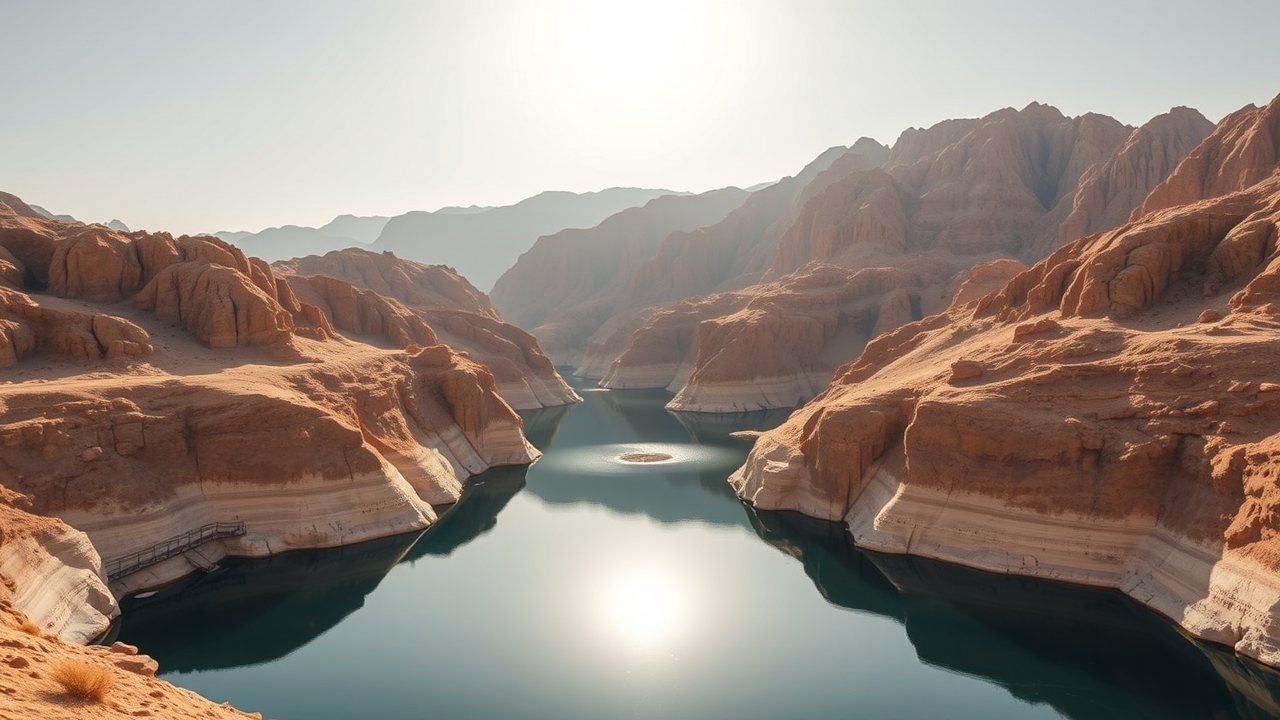
The trail system at Jebel Jais is divided into the Lower Trails and the Upper Trails, catering to different fitness levels and time constraints. These paths are well-marked, reducing the risk of getting lost, which is a significant factor for novice hikers.
The geological significance of Jebel Jais is documented by the Ras Al Khaimah Tourism Development Authority, which emphasizes the preservation of the mountain’s natural state while providing safe access for tourists. The presence of the world’s longest zipline and various via ferrata routes also means that Jebel Jais is not just for hikers, but for all-around adrenaline seekers.
Wadi Showka presents a completely different facet of hiking in UAE. Located in the emirate of Ras Al Khaimah but easily accessible via the Sharjah-Kalba Road, Showka is a valley system that has become a sanctuary for hikers, campers, and mountain bikers. Unlike the high-altitude exposure of Jais, Showka is about the intimacy of the wadi beds and the surrounding ridges.
The area is famous for the Showka Dam, which was built to collect rainwater from the mountains. Following a period of heavy rain, the wadi can transform into a lush green corridor with pools of water, attracting local wildlife such as dragonflies, toads, and various bird species. This ecological diversity is a major draw for those who find the dry heights of Jais too barren. Travelers coming from the city often find that staying in central locations like one-bedroom residence city view in Business Bay provides easy access to the E44 or E611 highways, which lead directly toward the Showka region.
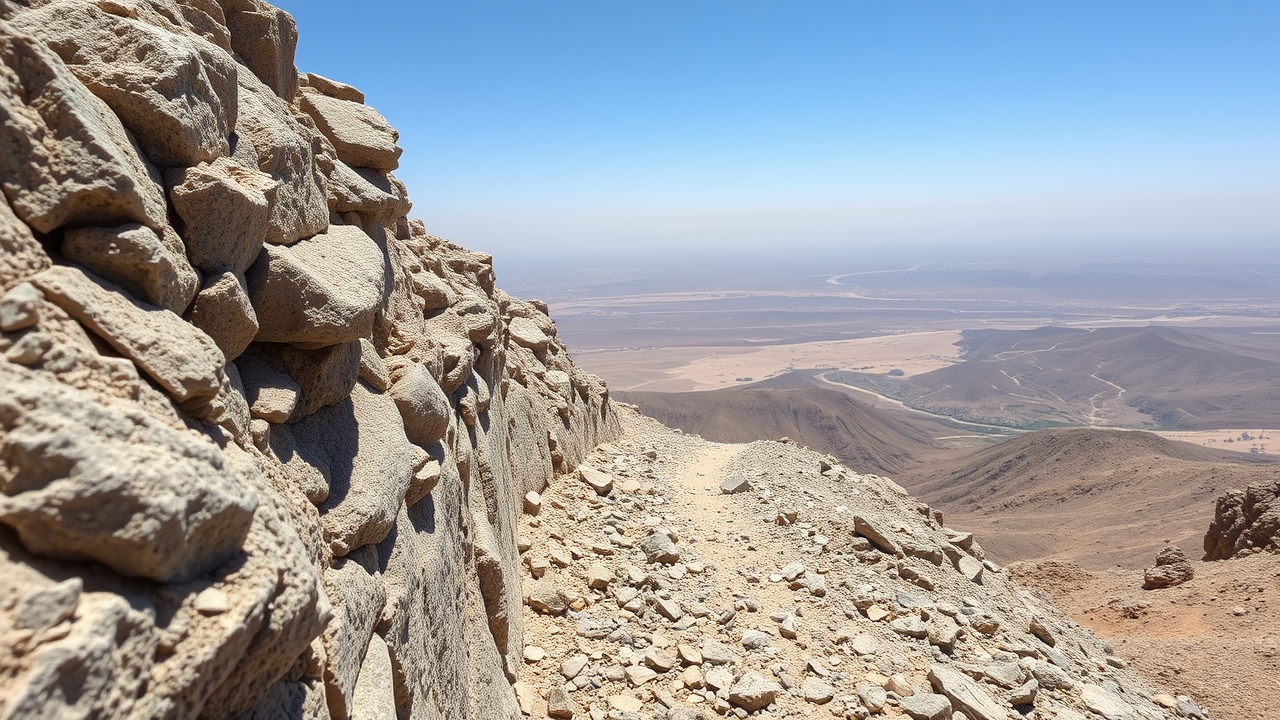
Wadi Showka is highly regarded for its loop trails. These allow hikers to start and finish at the same point without retracing their steps, which is often more engaging than linear paths. The terrain is a mix of loose gravel, large boulders, and established dirt tracks.
Safety is paramount in wadis. The Ministry of Climate Change and Environment often issues warnings regarding flash floods in wadi areas during the winter months. Hikers should always check the weather forecast via the National Center of Meteorology before heading out, as even a small amount of rain in the distance can cause water levels to rise rapidly in the valley.
Choosing between these two iconic locations for hiking in UAE depends on several factors, including the desired intensity, the preferred scenery, and the time of day. Jebel Jais is about the destination and the scale of the mountains, whereas Wadi Showka is about the journey through the landscape.

In terms of elevation, Jebel Jais is the clear winner. The psychological impact of standing at the highest point in the country is significant. However, Wadi Showka offers more technical variety at lower altitudes. If you are looking for a workout that involves different muscle groups through scrambling and navigating uneven wadi beds, Showka might be more appealing. Conversely, if you want long, steady inclines with consistent footing, Jais is the better option.
| Feature | Jebel Jais | Wadi Showka |
|---|---|---|
| Peak Elevation | ~1,934 Meters | ~300-500 Meters (Ridge peaks) |
| Trail Type | Structured, well-marked gravel paths | Natural wadi beds, gravel loops, dam stairs |
| Temperature | Significantly cooler (up to 15°C lower) | Standard desert/mountain climate |
| Difficulty Range | Easy to Intermediate | Beginner to Advanced (if scrambling) |
| Facilities | High (Toilets, Cafes, Parking, Viewing Deck) | Moderate (Basic toilets near dam, some parking) |
| Best For | Vistas, cooler air, families | Wadi exploration, nature, mountain biking |
To fully enjoy hiking in UAE, proper logistics are essential. Most hikers utilize private vehicles to reach these locations, as public transport options to remote mountain areas are limited. From Dubai, Jebel Jais is approximately a 2.5-hour drive, while Wadi Showka can be reached in about 1 to 1.5 hours. This makes Showka a more viable option for a half-day trip, whereas Jais often requires a full day or an overnight stay.
For those planning a weekend of exploration, staying in the Northern Emirates can reduce travel time. A studio apartment at Golden Sands Hotel Residences Sharjah provides a strategic midpoint between the urban amenities of Sharjah/Dubai and the rugged trails of the north. Alternatively, if you prefer to stay in the heart of the business district before heading out, the Sheraton Grand Hotel Dubai offers a luxury experience with quick access to the main arterial roads leading out of the city.

Despite the development of these areas, the mountains of the UAE remain a wild environment. GPS failure can occur, and mobile signals can be spotty in deep wadis. It is recommended to download offline maps using apps like Wikiloc or AllTrails, which have extensive databases of user-contributed routes for hiking in UAE. External resources such as Wikipedia’s overview of the Hajar Mountains provide context on the geography you will encounter.
1. Footwear: Sturdy hiking boots with ankle support are highly recommended for Jebel Jais to handle the sharp limestone. For Wadi Showka, breathable trail runners with good grip are often sufficient, especially if you expect to get your feet wet.
2. Hydration: The general rule is at least 3 liters of water per person for a moderate hike. Electrolyte powders are also useful to prevent cramping in the heat.
3. Sun Protection: Even in winter, the sun is intense. High-SPF sunscreen, a wide-brimmed hat, and polarized sunglasses are non-negotiable.
4. Communication: Always inform someone of your planned route and expected return time. Carrying a fully charged power bank is essential.
The window for comfortable hiking in UAE is strictly seasonal. While some experienced trekkers venture out in the summer months during the pre-dawn hours, it is generally discouraged for the average person due to the risk of heatstroke. The prime season begins in late October and lasts until early April.
During December and January, the weather at Jebel Jais can become surprisingly cold, occasionally reaching near-freezing temperatures at night. Snow has even been recorded on rare occasions, which is a phenomenon covered by major news outlets like The National and Khaleej Times. Wadi Showka is best visited after the first winter rains when the dust is settled and the plant life begins to bloom. For those visiting during the festive season, combining a hike with local celebrations can be a great idea; you might check out must-visit top 7 hotels venues hosting Diwali celebrations in Dubai to see how the city transforms during the autumn peak.
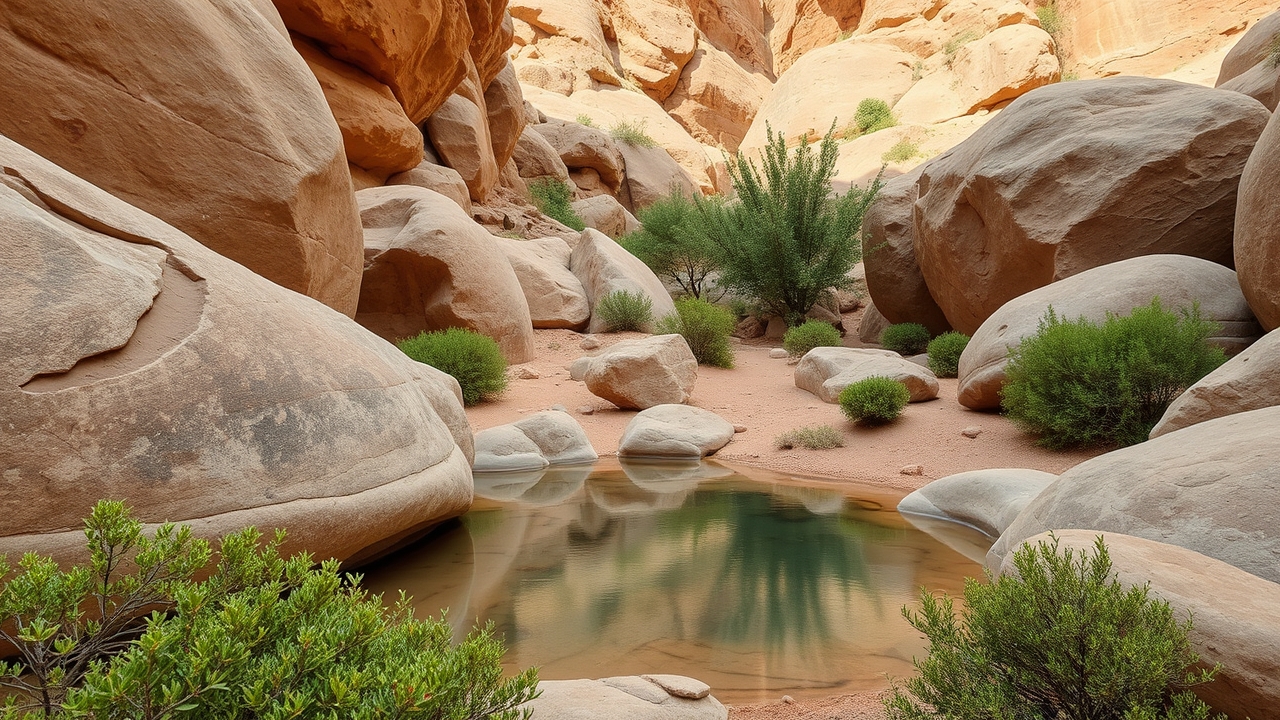
Many hikers prefer to treat their mountain excursions as part of a broader luxury experience. After a grueling day on the trails, returning to a fully serviced apartment can be far more restorative than a standard hotel room. For families or groups, Sports City & Motor City family short-term rentals offer spacious living areas and proximity to the highway networks.
If you are looking for high-end comfort with spectacular views of the coastline to contrast with your mountain vistas, the 1-bedroom Avani Palm View Dubai Hotel Suites is an excellent choice. Similarly, for those who want to be in the middle of the financial district, the 3br apartment at The Ritz-Carlton Executive Residences provides the space and luxury required for larger parties who are in the UAE for both business and adventure.
Both Jebel Jais and Wadi Showka offer more than just trekking. Jebel Jais is home to the “Jais Adventure Park,” which includes the Jais Flight (the world’s longest zipline), the Jais Sky Tour, and the Jais Sledder. These activities make Jebel Jais a more “commercial” destination where you can spend money on experiences beyond the trail.
Wadi Showka, on the other hand, is a prime location for mountain biking and off-roading. There are several dedicated MTB trails that offer a mix of technical descents and punishing climbs. It is also a very popular spot for wild camping, though hikers are reminded to follow “Leave No Trace” principles to preserve the environment. If your trip is focused on multiple sports, you might find that 1-bedroom Millennium Montrose in Science Park offers a quiet base away from the central city noise, making it easier to load and unload gear.
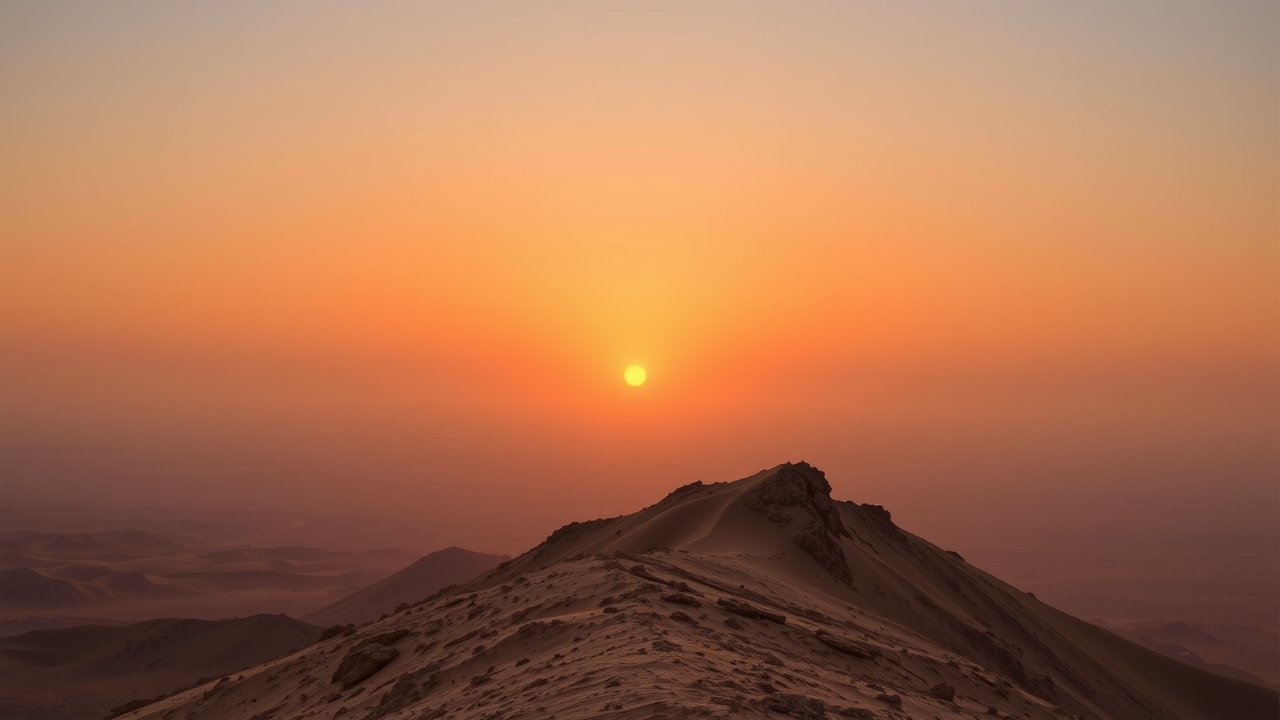
Hiking in UAE requires a high degree of environmental awareness. The desert ecosystem is fragile, and the increased foot traffic in areas like Wadi Showka has put pressure on the local flora and fauna. Hikers are encouraged to stay on established trails to prevent soil erosion and to avoid disturbing local livestock, such as goats and camels, which are often owned by local villagers.
Safety is the other major concern. The rocky terrain is prone to loose scree, which can lead to slips and falls. It is advisable to never hike alone in the more remote sections of the Hajar Mountains. For those staying in the city, such as at Time Hotel Apartments, it is easy to find local hiking groups via social media platforms that organize weekly excursions, providing safety in numbers and expert local knowledge.
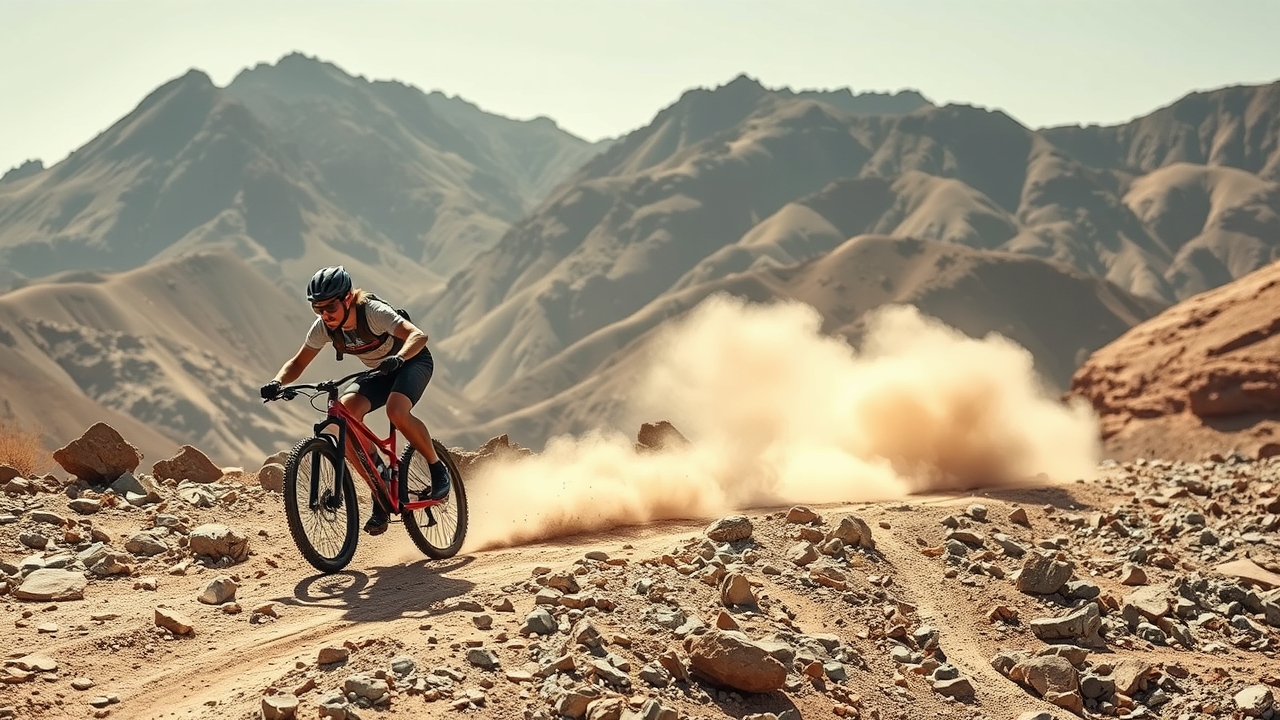
The contrast between the ruggedness of the mountains and the luxury of the city is what makes hiking in UAE so unique. You can spend the morning navigating a technical gorge in Showka and the evening dining at a world-class restaurant in Dubai Marina. For this lifestyle, the sleek 2br at InterContinental Dubai Marina or the deluxe one-bedroom at Millennium Place Barsha Heights Hotel provide the perfect balance of proximity to nature and urban sophistication.
For those who prefer a more relaxed atmosphere by the water, Bluewaters Island luxury short-term rentals offer a quiet retreat after a long weekend in the mountains. Even for those venturing further afield into the region, such as to Saudi Arabia, properties like the 1br Premiere at Ascott Corniche Al Khobar show how the standard of luxury accommodation is consistent across the GCC for the modern explorer.
Generally, no permits are required for day hikes in Jebel Jais or Wadi Showka. However, if you are planning a large organized event or commercial filming, you may need to contact the relevant municipal authorities in Ras Al Khaimah. Always respect private property signs, as some parts of the mountains are still used by local farmers.
It is highly discouraged to hike during the peak summer months (June to September) when temperatures can exceed 45°C. The risk of dehydration and heat exhaustion is extremely high. If you must go, limit your activity to very early mornings at Jebel Jais, where the altitude provides some relief, and always carry double the amount of water you think you need.
While the Hajar Mountains are home to the Arabian cobra and the saw-scaled viper, sightings are relatively rare as these animals usually avoid human contact. Hikers should be cautious when placing hands or feet in rock crevices. You may also encounter mountain goats, donkeys, and occasionally the Arabian tahr, which is a protected species.
The road to the Jebel Jais viewing deck is fully paved and accessible by any standard vehicle. For Wadi Showka, the main dam area is accessible by car, but if you want to drive deeper into the wadi beds to reach specific trailheads, a 4×4 vehicle is recommended to navigate the loose gravel and uneven terrain.
Whether you choose the soaring heights of Jebel Jais or the intricate valley paths of Wadi Showka, hiking in UAE provides a profound connection to a landscape that is often overlooked in favor of the country’s urban achievements. Jebel Jais offers a more structured, cooler, and panoramic experience, making it ideal for those who appreciate high-altitude vistas and modern amenities. In contrast, Wadi Showka provides a raw, authentic encounter with the desert’s hidden water-carved beauty, perfect for those who seek adventure and technical variety. By planning your trip during the cooler months and ensuring you have the right gear and accommodation—such as a 2-bedrooms InterContinental Residence DFC—you can experience the very best of the Emirates’ natural wonders. Ultimately, the choice between Jais and Showka isn’t about which is better, but which adventure your spirit currently craves; both are essential chapters in the story of the Arabian outdoors.