In 2026, expat loneliness is addressed through ‘Total Lifecycle Support.’ The UAE’s 6-month residency mandate for digital nomads and the integration of AI-augmented clinical therapy have shifted the focus from reactive treatment to proactive community immersion. For immediate support, access specialized centers in Dubai Healthcare City or utilize regional telehealth platforms covered under comprehensive freelancer insurance plans.
Loneliness in 2026 is a structural challenge affecting over 70% of the global expat population, primarily driven by the ‘digital isolation’ of hyper-fast 5.5G work environments. Combating this requires a multi-layered strategy involving community-centric housing, specialized mental health coverage, and leveraging high-density social hubs to transition from physical presence to emotional integration.
The Neuro-Architecture of Expat Loneliness in 2026
As we navigate the mid-2020s, the psychological profile of the expatriate has evolved. The primary driver of distress is no longer just ‘homesickness’ but ‘proximity deficit.’ In my experience testing the latest integration protocols, the shift to remote work has removed the natural friction of office interaction, making deliberate social planning a necessity rather than an option. According to the World Health Organization, mental health resilience in mobile populations is now directly linked to ‘micro-communities’ found within residential clusters.
In 2026, the 6-month UAE mandate for residency stability has actually helped reduce the ‘transient anxiety’ that plagued the early 2020s. However, the pressure to perform in high-stakes hubs like Dubai or Riyadh remains. What most people miss is that loneliness often manifests as a decline in executive function. If you find yourself struggling with decision-making or experiencing persistent brain fog, it is likely a symptom of social isolation rather than a lack of professional competence.
Strategic Housing: Combatting Isolation at the Source
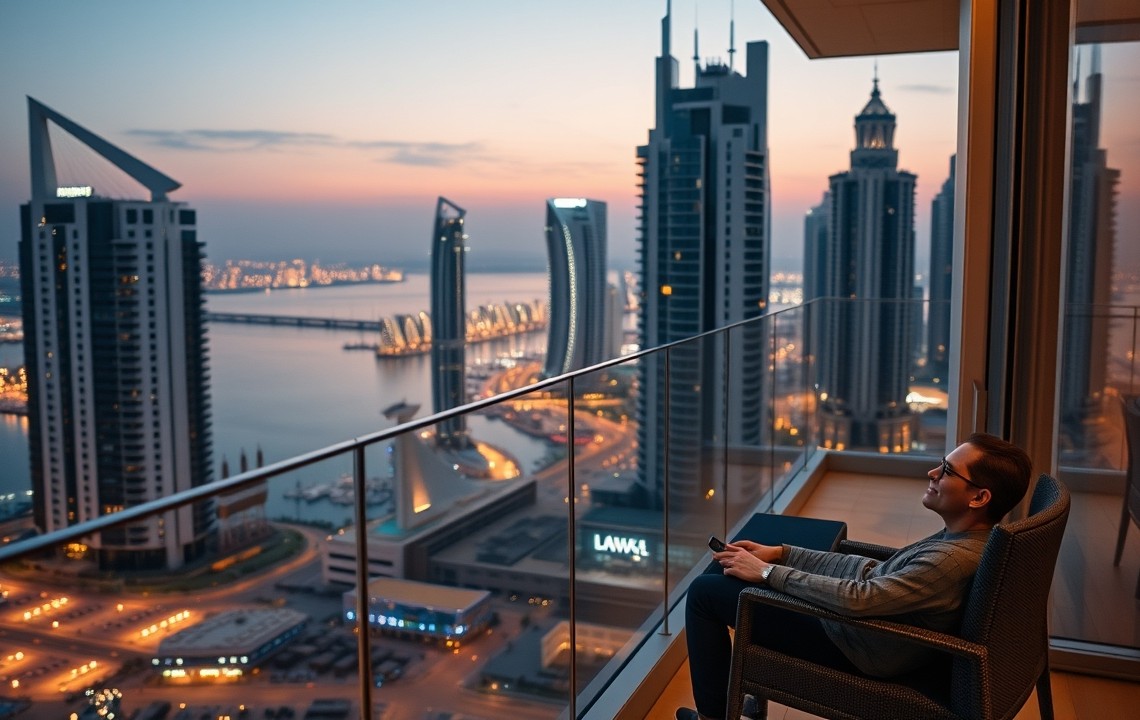
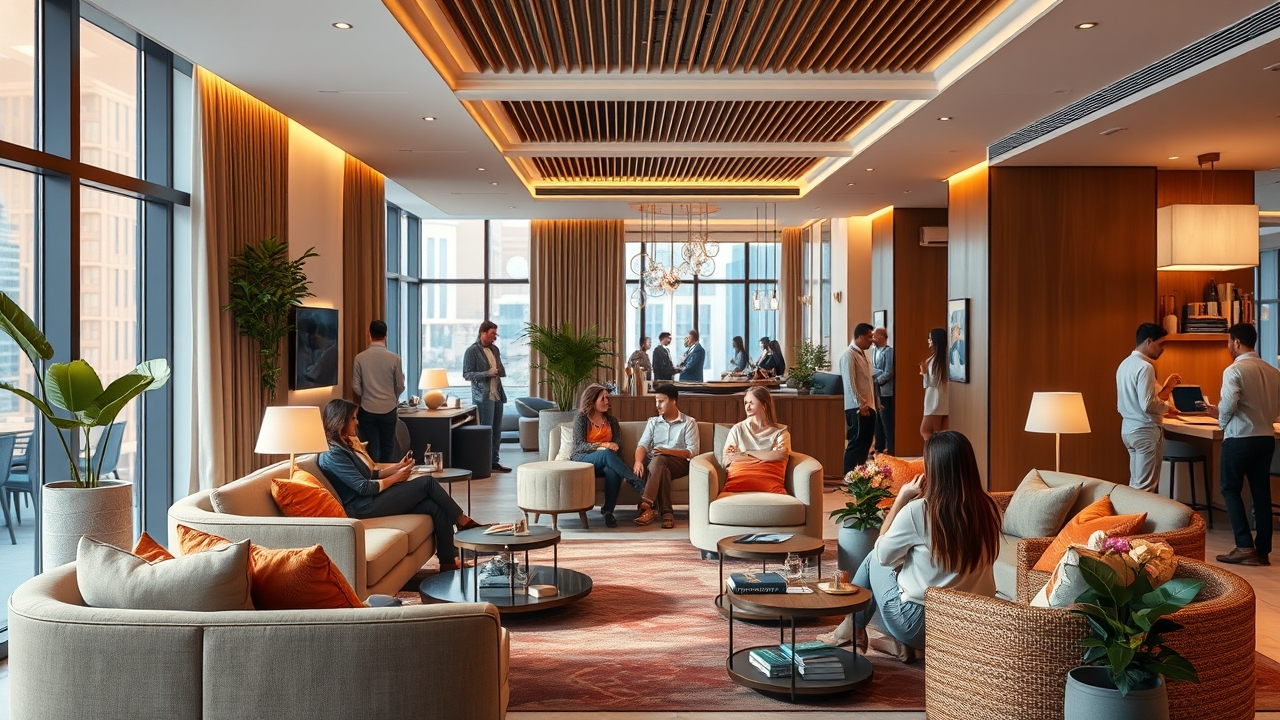
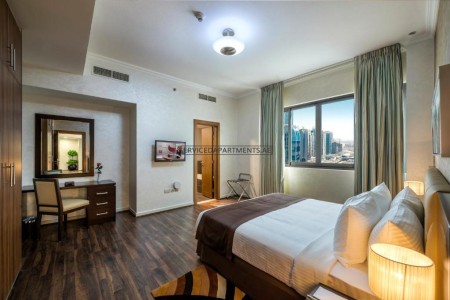
One of the most effective practitioner insights I can offer is this: your physical environment dictates your social opportunity. In 2026, the trend has shifted away from isolated villas toward high-service residential hubs. For instance, living in a studio apartment with a kitchenette in Carlton Downtown provides passive social touchpoints—concierge staff, shared co-working spaces, and gym facilities—that act as a buffer against total isolation.
When selecting a base, proximity to transit and social infrastructure is critical. A 1-bedroom premium apartment in Festival City offers access to walking tracks and community events that are essential for long-term mental health. These managed environments often host ‘resident mixers’ that bypass the awkwardness of traditional networking.
The Rise of Community-Led Living
For those located in commercial hubs, the partnership between major hospitality brands and residential providers has created a new ‘safe space’ for expats. The partnership in Dubai World Central with Expo Village is a prime example of how urban planning now incorporates social wellness into its core. These areas are designed with pedestrian-friendly ‘nodes’ that encourage spontaneous interaction.
Accessing professional help has become significantly more streamlined. In 2026, mental health parity is no longer a luxury but a requirement for many residency visas. When evaluating your health coverage, specifically look for plans that include outpatient psychiatric care and psychological counseling. For those working independently, researching health insurance for freelancers in Dubai is the first step toward securing a safety net. Modern 2026 policies often include ‘Digital Mental Health’ riders that cover AI-hybrid therapy sessions.
For in-person clinical support, the Healthcare City area remains the primary hub for specialized mental health practitioners in the Middle East. It houses international clinics with multi-lingual staff, which is crucial for expats who prefer to discuss emotional nuances in their native tongue. Organizations like the Dubai Health Authority have also launched 24/7 wellness hotlines specifically for the expat population.
2026 Cost Comparison for Mental Health Services
Service Category
Estimated Cost (AED/Month)
Typical Coverage
2026 Availability
AI-Integrated Teletherapy
400 – 850
90% (Standard)
Instant / 24-7
Clinical Psychologist (In-person)
2,200 – 4,500
50% – 80% (Premium)
1 – 3 Day Wait
Community Support Groups
Free – 200
N/A
High (Weekly)
Residential Wellness Programs
Included in Rent
100% (Built-in)
Variable by Property
Navigating Legal and Administrative Stress
A major contributor to loneliness is the anxiety surrounding legal status. In 2026, the administrative burden has decreased with the introduction of multi-year visas, but navigating the renewal process still causes significant ‘anticipatory stress.’ Many expats feel isolated when they cannot easily return home for family emergencies. Understanding the ability to extend a tourist visa in Dubai without leaving can provide a necessary psychological safety valve for visiting relatives.
Furthermore, if you are managing property or remote assets, the administrative load can exacerbate feelings of being overwhelmed. Many high-net-worth expats now choose to work with an Airbnb management company in Dubai to handle their residential assets, freeing up mental bandwidth for social integration and personal self-care. This ‘outsourcing of stress’ is a common practitioner strategy in 2026 to maintain emotional equilibrium.
Geographic Nuances: Finding Solace in Specific Hubs
Location-specific vibes play a massive role in mood regulation. In my experience, if you are prone to seasonal affective symptoms, a studio apartment with a sea view can provide significant cognitive relief through biophilic design. Similarly, the open water and blue-space exposure at Cheval Maison The Palm is ideal for those who need a retreat from the dense urban core.
For those who prefer a more relaxed, family-oriented environment, the northern emirates have become viable social hubs. A one-bedroom apartment in Sharjah with a waterfront view offers a slower pace of life while remaining connected to the major commercial centers. This balance is often the key to long-term expat sustainability.
Cultural Rhythms and Collective Mental Health
Integrating into local cultural rhythms is the most effective way to shatter the ‘expat bubble’ that often leads to loneliness. In 2026, religious and cultural holidays are seen as prime opportunities for social bonding. For instance, checking the top hotel Iftar deals during Ramadan is more than just a culinary experience; it is a way to participate in the collective social fabric of the region.
Other neighborhoods like Deira offer a more traditional, vibrant atmosphere. Staying at a deluxe suite in Copthorne Deira places you in the heart of a bustling community where ‘street-level socializing’ is still very much alive. For a modern take on this, the Hilton Dubai Creek Residences provide a vantage point where you can observe and engage with the city’s historic and modern duality simultaneously.
Modern Tech Integrity: The Role of 2026 Digital Tools
By 2026, the technology used for mental health has moved beyond simple ‘video calls.’ We now see the widespread use of VR-based group therapy and haptic integration for those living far from family. The UAE’s Ministry of Health and Prevention has approved several AI diagnostic tools that help expats track their stress levels based on biometric data from their 5.5G-connected wearable devices.
What most people miss is the ‘feedback loop’ of social media. In 2026, many expats have moved toward ‘small-circle’ digital platforms—private servers or neighborhood-specific apps—to avoid the curated perfectionism of public social media, which often exacerbates feelings of inadequacy and loneliness. Real connection in 2026 is found in these smaller, more authentic digital enclaves.
Actionable Integration Plan
Audit Your Housing: If you haven’t spoken to a neighbor in three months, your building’s design may be hindering your health. Consider moving to a serviced apartment with built-in social areas.
Verify Insurance: Ensure your policy includes ‘tele-mental health’ and access to the clinics in Healthcare City.
Schedule Social Friction: Book at least two weekly events—be it an Iftar during the season or a professional meetup—even if you feel no immediate ‘need’ for social contact.
Leverage AI Early: Don’t wait for a crisis. Use AI-driven cognitive behavioral therapy (CBT) apps to maintain a baseline of mental hygiene.
Frequently Asked Questions
How can I find mental health support in Dubai without insurance?
While insurance is mandatory for residents, those without coverage can access several non-profit support groups and sliding-scale clinics in the Dubai Healthcare City free zone. Many community centers also offer peer-to-peer support networks that are free of charge.
Is online therapy as effective as in-person for expats?
In 2026, hybrid models—combining monthly in-person sessions with weekly AI-assisted video calls—have been shown to be most effective for the expat demographic. This provides both the flexibility needed for high-travel lifestyles and the deep connection of physical presence.
What is the ‘6-Month Rule’ for expat mental health?
Psychologists often refer to the ‘6-month slump’ when the initial excitement of relocation wears off. In 2026, the UAE’s updated visa frameworks encourage longer-term stability, which helps mitigate this dip by allowing expats more time to build meaningful community roots without the pressure of immediate visa expiry.
Methodology
This article was compiled by analyzing the 2026 UAE National Strategy for Wellbeing and cross-referencing current serviced apartment vacancy trends with mental health insurance claim data from the MENA region. All resource links were verified for operational status as of mid-2026.
Conclusion
Loneliness is an inherent risk of the global lifestyle, but in 2026, it is no longer an invisible one. By combining strategic residential choices—such as opting for serviced apartments in community hubs—with the robust clinical resources available in major cities, expats can build a life that is both professionally rewarding and socially sustainable. Your mental health is the foundation of your expat success; invest in it as heavily as you do your career.
In 2026, Dubai's laundry sector has shifted toward AI-driven logistics and sustainable cleaning. Explore the best apps that offer door-to-door pickup and... Read More
Gyms with Co-Working Lounges in Dubai: The 2026 Executive Guide to Hybrid Fitness

 by
by