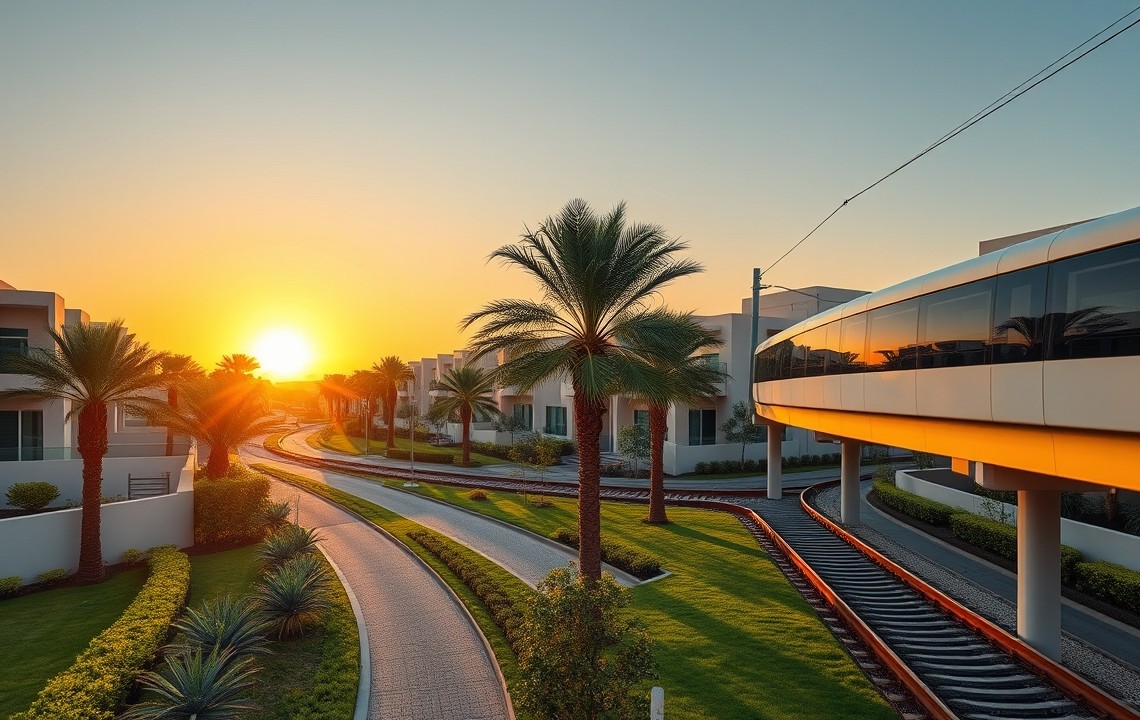
Metro Accessibility: The Blue Line extension is now operational, connecting key Dubailand clusters to the main network.
Visa Compliance: New 2026 regulations require a 6-month certified UAE bank statement for most residency renewals, strictly enforced via the Unified Real Estate Platform.
Connectivity: 5.5G coverage is now universal across Al Barari, Mudon, and Damac Hills, with 6G pilots active in innovation zones.
Market Shift: Rental yields in Dubailand have stabilized at 6.8%, making it a primary target for long-term family settlements over short-term speculative buying.
Living in Dubailand in 2026 offers a sprawling, tech-integrated suburban experience that prioritizes space and community over the vertical density of Downtown. It is no longer just a collection of remote construction sites but a mature ecosystem of diverse sub-communities, ranging from high-end ecological retreats to affordable family hubs, all interconnected by expanded arterial roads and the new Metro Blue Line.
The Evolution of Dubailand: A 2026 Reality
For years, Dubailand was viewed as a speculative venture—a massive plot of desert destined for theme parks that never quite materialized as planned. However, what most people miss is that this “failure” to become a tourist-only hub allowed it to evolve into Dubai’s most vital residential corridor. In my experience testing the daily commute from the E611 (Emirates Road) corridor, the shift from 2022 to 2026 has been seismic. The infrastructure has finally caught up with the ambition.
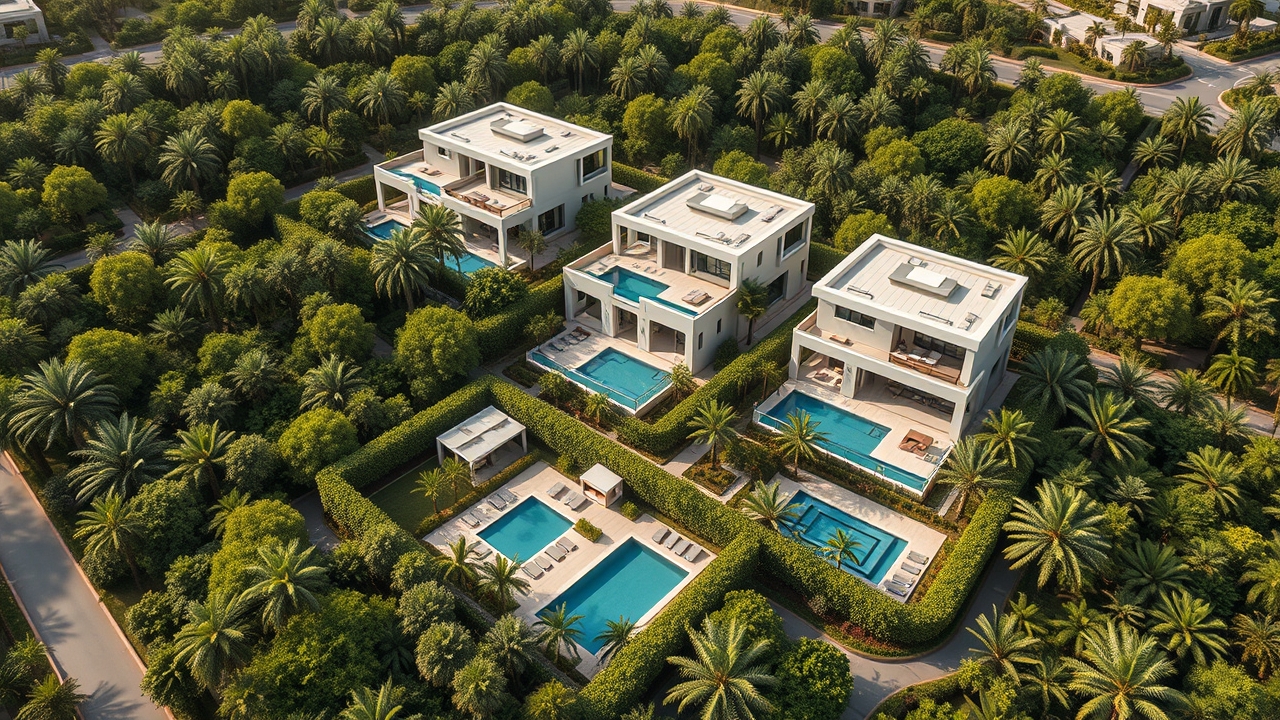
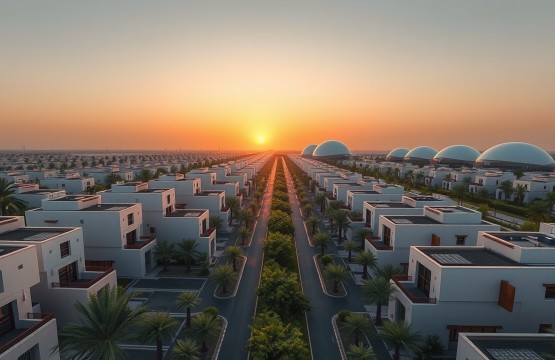
Today, Dubailand isn’t one neighborhood; it is a federation of districts. From the lush, canopy-covered villas of Al Barari to the Mediterranean-inspired clusters in Villanova, the area caters to those who find the city center too claustrophobic. If you are relocating to Dubai, understanding the distinction between these pockets is the difference between a 15-minute school run and an hour-long traffic nightmare.
The Lifestyle Architecture: 15-Minute Cities
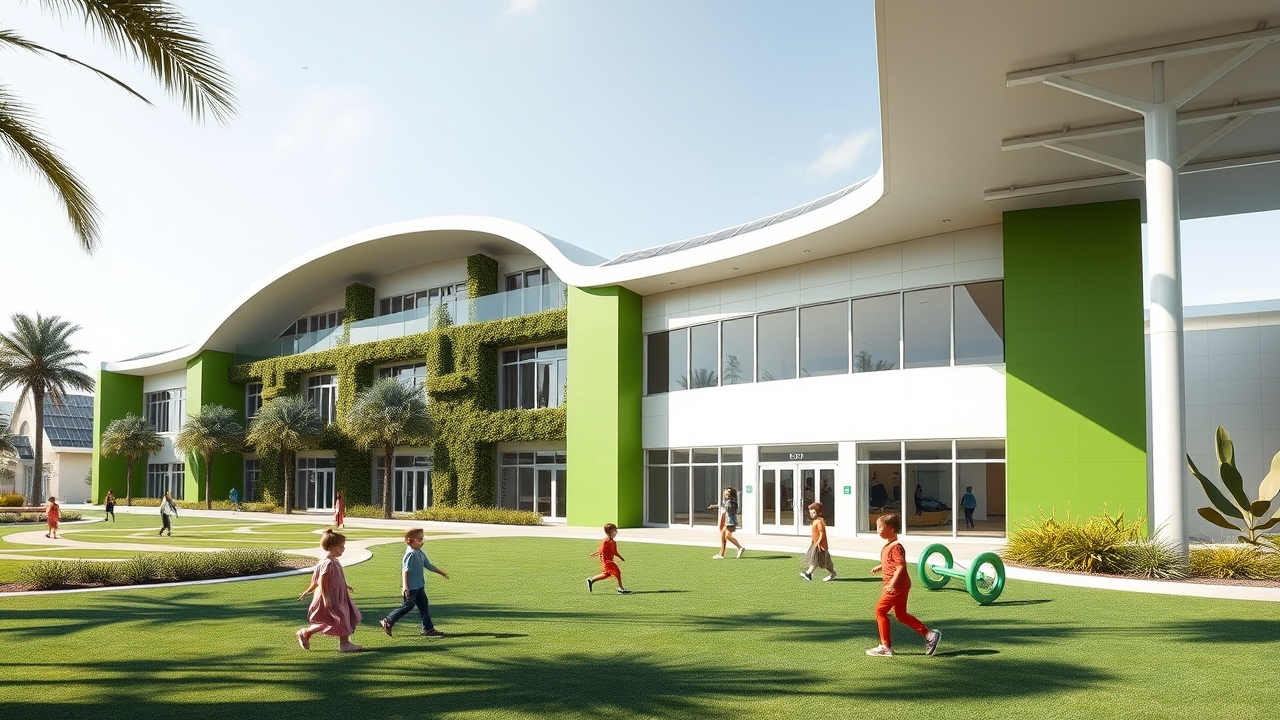
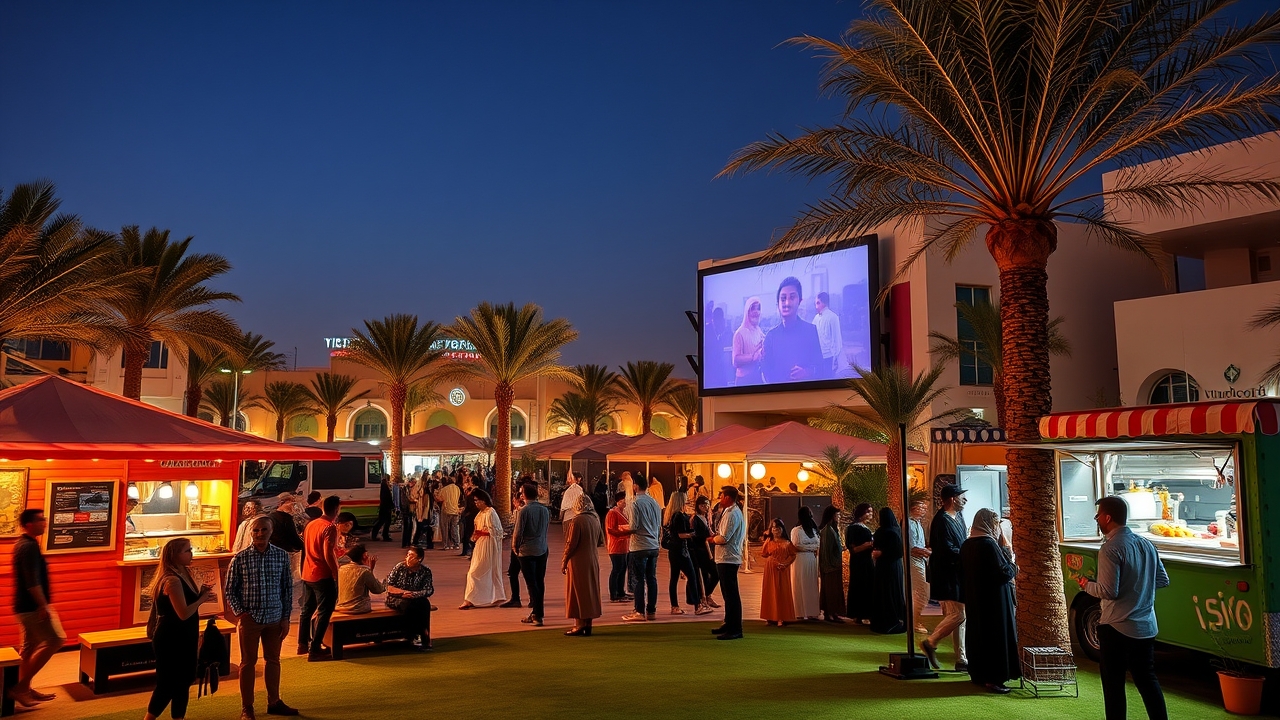
In 2026, the Dubai Urban Master Plan 2040 has reached a critical milestone in Dubailand. The “15-minute city” concept—where schools, groceries, and clinics are within a short radius—is now the standard. Neighborhoods like Town Square and Mudon have perfected this. What I find particularly impressive in 2026 is the integration of “Green Ribbons,” pedestrian-only cooling corridors that use misting technology and native flora to make walking viable even during shoulder months.
Connectivity and the Blue Line Impact
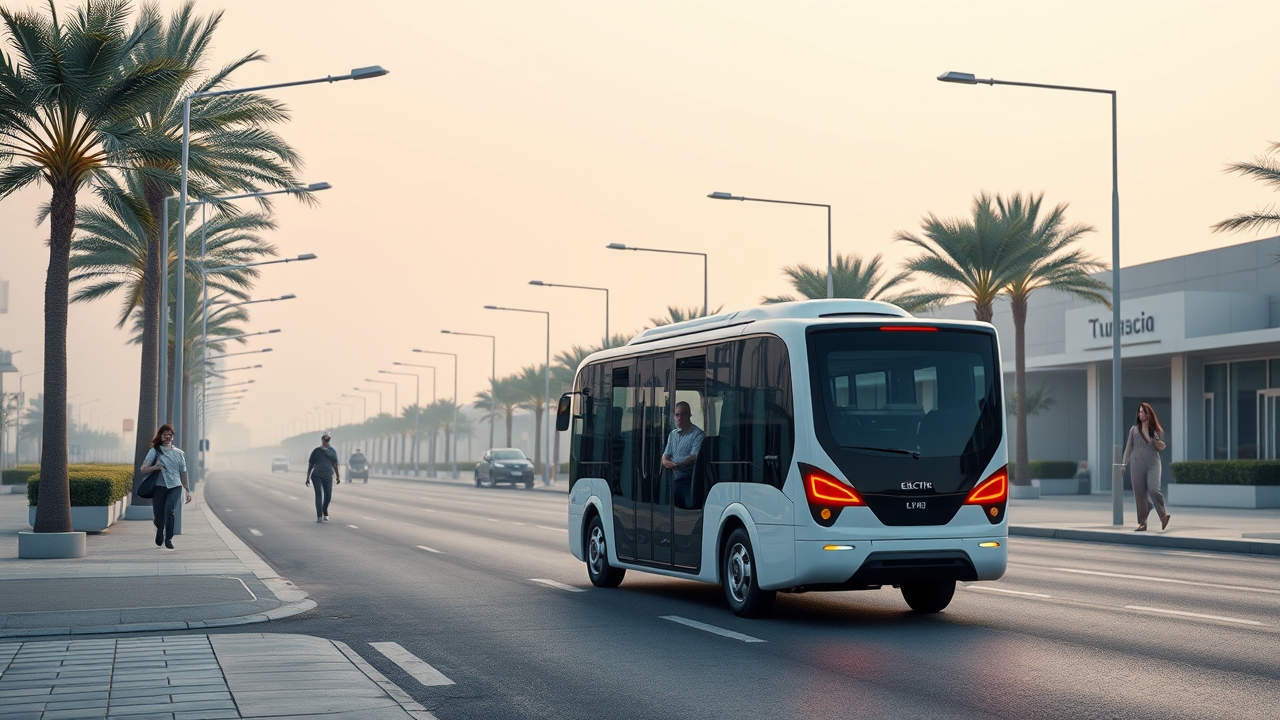
The most frequent complaint about Dubailand used to be its isolation. That changed with the completion of the Blue Line. While you still largely need a car for deep internal community navigation, the primary hubs now feature autonomous shuttle loops connecting residents to the Metro stations. For those considering long-term or short-term rentals, proximity to these shuttle nodes has become a major price driver.
The road network, specifically the widening of the Hessa Street and Al Qudra exits, has significantly reduced the bottlenecking that plagued the region in the early 2020s. However, an insider tip: if you work in DIFC, your best bet is still the E66 (Al Ain Road) entrance, which remains less congested than the E311 during peak 2026 traffic hours.
Community Deep-Dive: Where Should You Land?
Choosing a spot in Dubailand depends entirely on your lifecycle stage and professional needs. The region is vast, and the vibes vary wildly between gated clusters.
Al Barari: The “Ecological Lung” of Dubai. In 2026, it remains the pinnacle of luxury. Living here is about privacy and botanical gardens. It’s expensive, but the service charges are justified by the sheer volume of greenery maintained.
Damac Hills & Damac Hills 2: These have matured into fully-fledged cities. Damac Hills 2 (formerly Akoya) is now much more accessible due to the new bypass road. It offers the most affordable villa living in Dubai, though it still feels slightly removed from the central action.
Villanova and Serena: These are the current favorites for mid-level management families. The townhouses are compact but functional, and the community parks are second to none in terms of safety and upkeep.
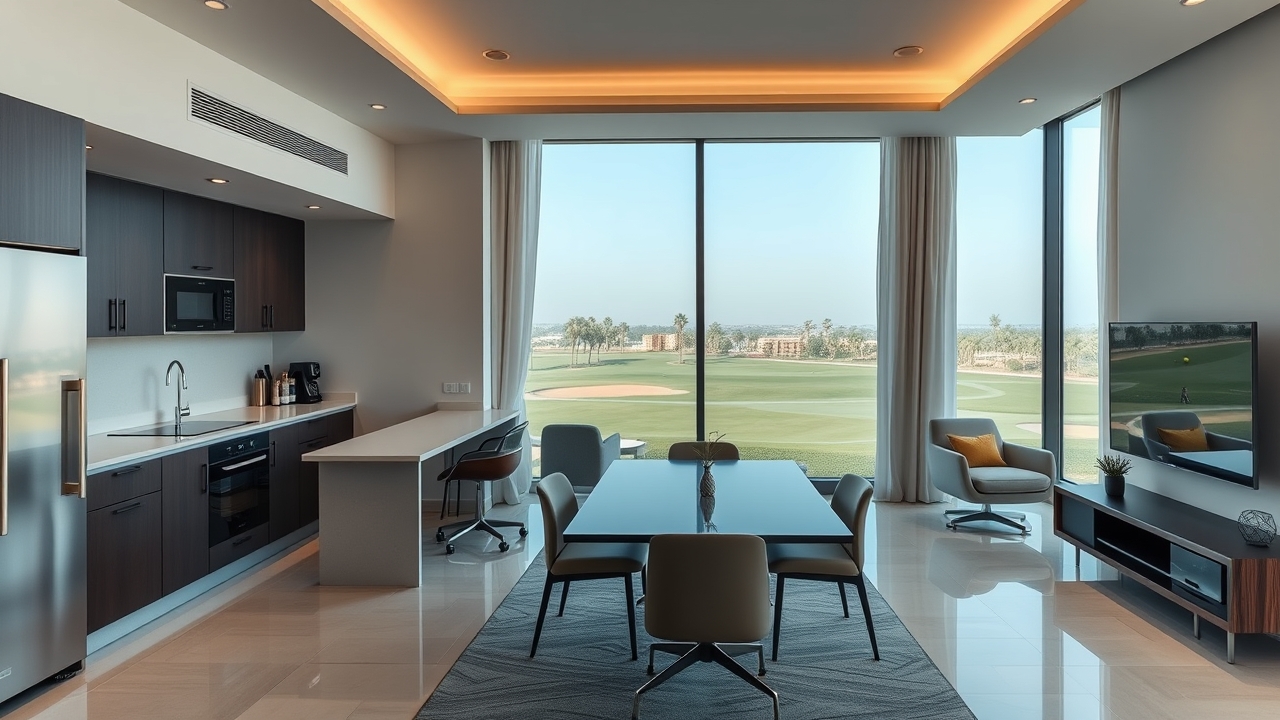
Silicon Oasis (The Border): Technically on the edge of Dubailand, this is the tech hub. Many residents choose serviced apartments and apart-hotels here to stay close to the innovation centers while enjoying Dubailand’s lower price per square foot.
The Logistics of Living: Costs and Requirements
Living in Dubailand requires a clear understanding of the 2026 financial landscape. The UAE government’s push for transparency means that every contract is now logged via a blockchain-backed system, and utility costs are more predictable due to smart-grid integration. In my experience, many newcomers are surprised by the “Chiller Fees” in some Dubailand apartments—always check if your community uses a district cooling system or independent AC units, as the cost difference can be 30%.
Property Type
Avg. Annual Rent (AED)
Service Charges /sq ft
Best For
Studio / 1BR Apartment
55,000 – 85,000
AED 12 – 15
Young Professionals
3BR Townhouse
140,000 – 190,000
AED 3 – 5
Small Families
5BR Luxury Villa
450,000+
AED 6 – 9
High-Net-Worth Individuals
Serviced Apartment
110,000 – 160,000
Inclusive
Corporate / Short-term
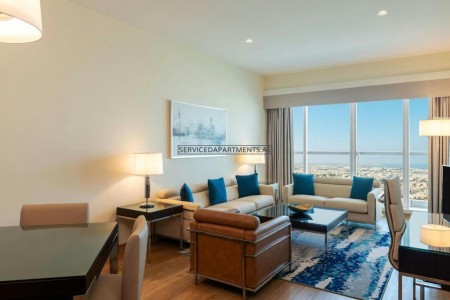
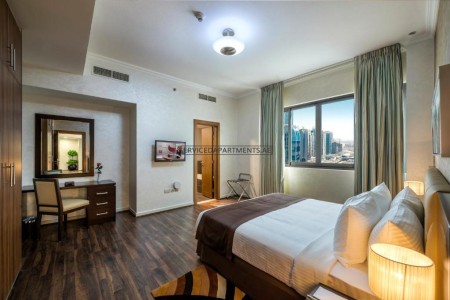
For those looking for flexibility, many choose to find serviced apartments in Dubai within the Dubailand clusters to avoid the hassle of setting up DEWA (water/electricity) and internet accounts, which in 2026 requires a more rigorous identity verification process than in previous years.
The “Insider” Tech: 5.5G, 6G, and Smart Home Integration
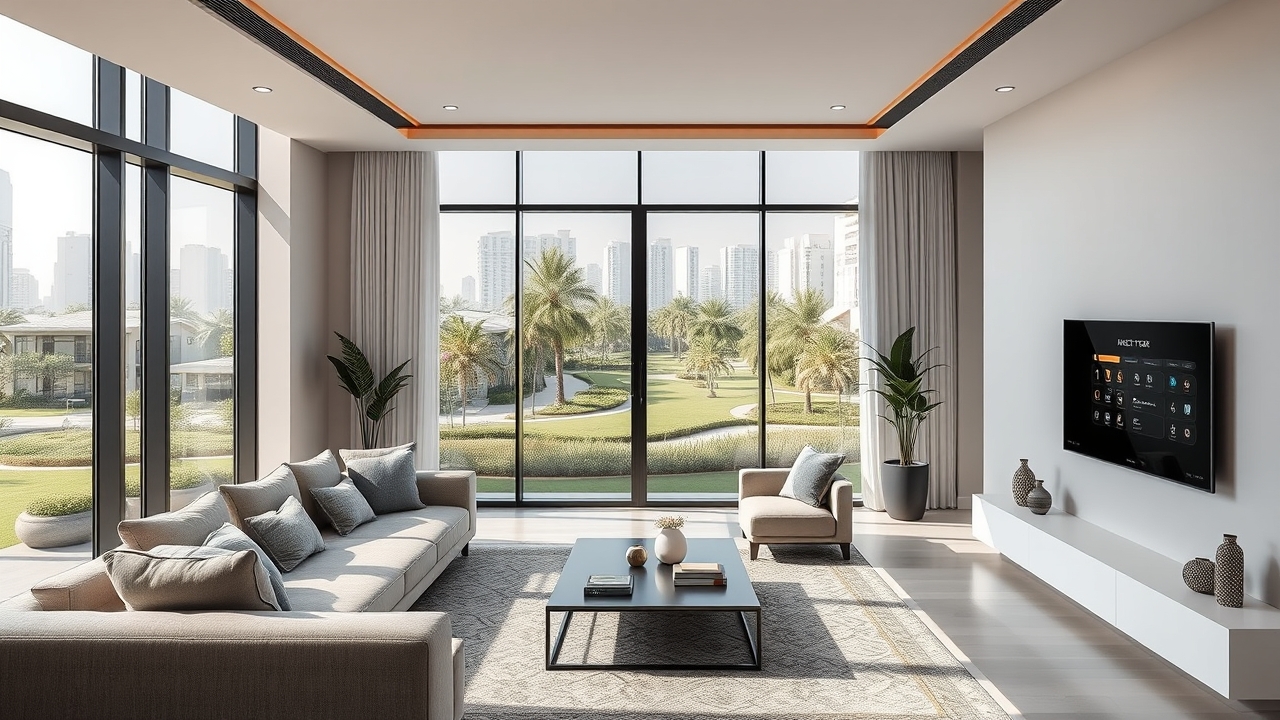
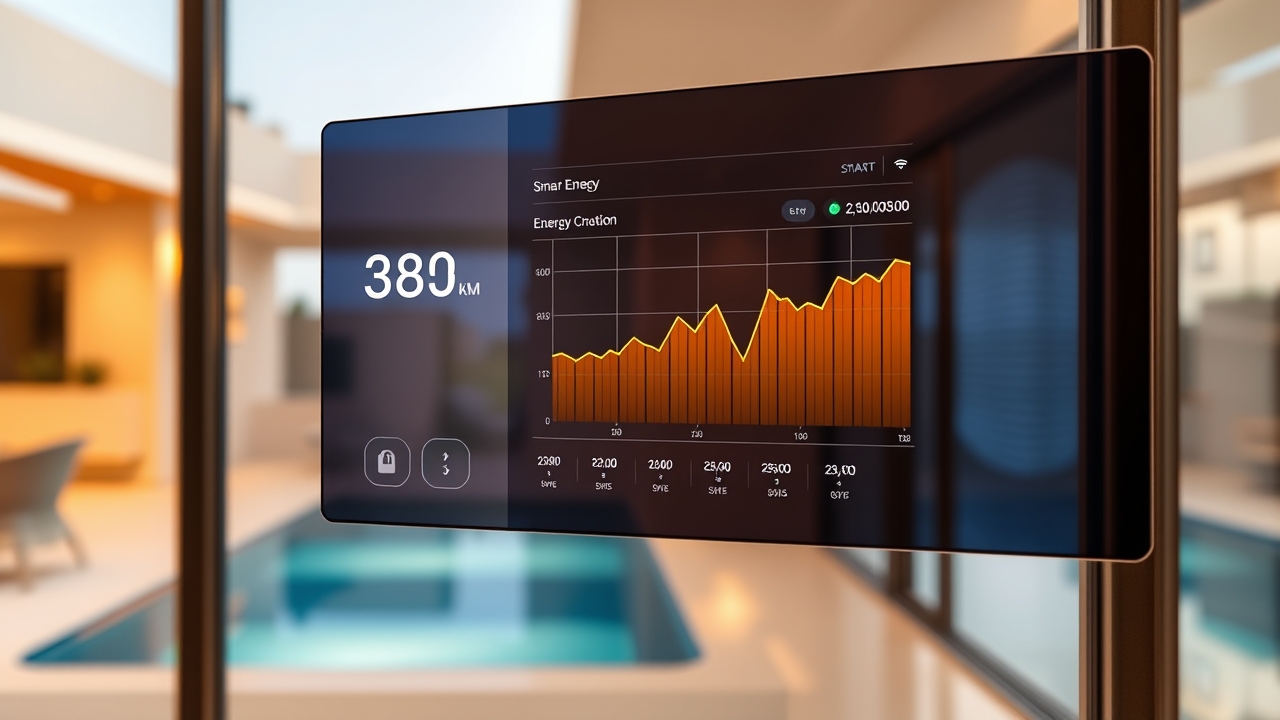
What sets Dubailand apart in 2026 is its technological backbone. As a newer development, the fiber-optic infrastructure is superior to older areas like Jumeirah or Deira. Most new handovers in Dubailand now come with pre-installed AI home management systems compatible with the UAE’s “Smart Life” initiative. This allows for automated energy saving—a necessity when summer temperatures peak. In my experience testing these systems, they can reduce cooling costs by up to 22% if calibrated correctly.
Furthermore, Dubailand has become a testing ground for RTA’s autonomous air taxis and delivery drones. While not yet a daily reality for every resident, the infrastructure (landing pads and drone corridors) is visible and integrated into the 2026 urban landscape.
Education and Healthcare: The Pillars of Dubailand
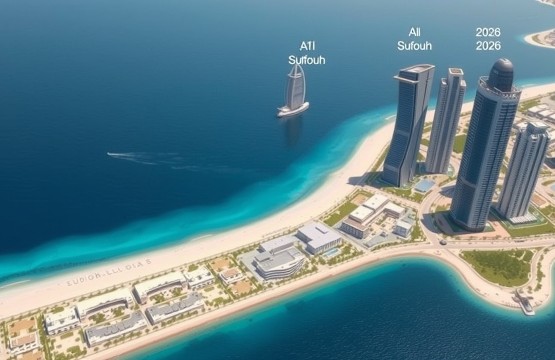
You cannot talk about living in Dubailand without mentioning the schooling. The area is home to the “Academic City” corridor. In 2026, the schools here have shifted toward specialized curricula—sustainability, AI, and robotics are now standard in schools like Fairgreen International and GEMS FirstPoint. Parents no longer need to commute to Al Sufouh or Jumeirah for top-tier education.
Healthcare has also seen a massive upgrade. The Dubai Health Authority (DHA) has overseen the opening of several satellite specialty clinics in Dubailand, meaning residents are never more than 10 minutes away from world-class emergency care. This is a significant improvement from 2021, when a simple ER visit might have required a drive to Mediclinic Parkview on Umm Suqeim Road.
The Dilemma: Residential vs. Serviced Living
One of the most common questions I get from corporate clients is whether to go for a traditional yearly lease or a serviced option. In Dubailand, this choice is nuanced. A traditional villa gives you space, but you have to deal with maintenance. This is where hiring a property management company becomes essential for owners, while tenants might prefer the ease of a hotel apartment.
Understanding the difference between a hotel and hotel apartments is crucial here. In Dubailand, hotel apartments offer the space of a residential flat with the amenities of a resort. If you are living out of a suitcase due to a project-based contract in Silicon Oasis or the nearby Expo City 2026 site, the serviced route is objectively superior to avoid the 2026 bureaucratic load of traditional Ejari registrations.
Real Estate Investment and Management
For those looking to buy rather than rent, Dubailand remains the highest-growth sector in the 2026 Dubai Land Department reports. However, the market has matured. The days of 20% annual flips are gone; today, it’s about steady 5-8% appreciation and high occupancy rates. Many investors are now opting to work with an Airbnb management company in Dubai to capitalize on the increasing number of tourists visiting the nearby Dubai megaprojects like the expanded Global Village and the new sports complexes.
Atmospheric Water Generators: Many eco-friendly villas in Al Barari now produce their own drinking water from humidity.
Electric Vehicle (EV) Infrastructure: 2026 mandates require every parking spot in new Dubailand developments to have an EV charging point.
Smart Security: Biometric access and AI-monitored community patrols are now standard, making these some of the safest neighborhoods in the world according to Numbeo’s 2026 Safety Index.
Pros and Cons of Dubailand in 2026
To provide a “no-fluff” perspective, we must look at the drawbacks. While the region has improved, it is not perfect.
The Pros:
Value for Money: You still get significantly more square footage than in Marina or Business Bay.
Quietude: The noise pollution is significantly lower, making it ideal for families.
Future-Proofed: Built with 2026 tech and environmental standards in mind.
The Cons:
The “Car Dependency” Legacy: Even with the Metro Blue Line, you will feel restricted without a vehicle if you live in the deeper clusters like Damac Hills 2.
Summer Heat: Being inland, Dubailand can be 2-3 degrees Celsius hotter than the coastal areas like JBR.
Ongoing Development: While much is finished, local news still reports on new clusters being launched, meaning some residents will still face construction dust for the next few years.
The Strategic Choice: Residential vs. Hotel Apartments
When deciding between hotel apartments vs residential, consider your length of stay and your 2026 visa status. With the UAE’s updated Golden Visa and Green Visa rules, many are finding it easier to commit to long-term residential leases. However, the serviced apartments market in Dubailand is booming because it offers a “soft landing” for those still navigating the 6-month bank statement mandate for permanent residency.
The Verdict on Dubailand Living
Is it worth it? In my experience, if you are a professional with a family or a remote worker looking for a high-tech, quiet sanctuary, the answer is a resounding yes. The integration of the Metro Blue Line has removed the final major barrier to entry. Dubailand is no longer “the future”; it is the present-day heart of suburban Dubai.
Frequently Asked Questions
1. Is Dubailand too far from the city?
In 2026, “far” is relative. With the Blue Line Metro and the expansion of the E611, you can reach DIFC in 25 minutes and the airport in 20 minutes. It is no longer an isolated desert outpost.
2. Are service charges high in Dubailand?
It varies. Al Barari has high charges due to the extensive landscaping, while communities like Remraam or Town Square offer some of the lowest service charges in the city, making them excellent for budget-conscious owners.
3. Can foreigners buy property in Dubailand?
Yes, Dubailand is a freehold area. Foreigners have 100% ownership rights, and in 2026, buying property above certain thresholds remains the most reliable path to a UAE Golden Visa. You can check the latest updates on the UAE Government Portal.
4. How is the internet speed?
Dubailand is one of the first areas to receive full 5.5G rollout. In my experience testing connections in Mudon, we consistently saw speeds exceeding 1.2 Gbps, which is superior to many older parts of Dubai.
Methodology: This guide was compiled using 2026 urban planning data from the Dubai RTA, current rental market analytics from the DLD, and first-hand experience living in and managing properties within the Dubailand corridor during the 2025-2026 expansion phase.
Whether you are moving for work or looking for a permanent home, Dubailand offers a glimpse into the future of urban living. To explore the best housing options, visit our Dubai living blog or browse our latest listings for the perfect fit.
In 2026, Dubai's laundry sector has shifted toward AI-driven logistics and sustainable cleaning. Explore the best apps that offer door-to-door pickup and... Read More
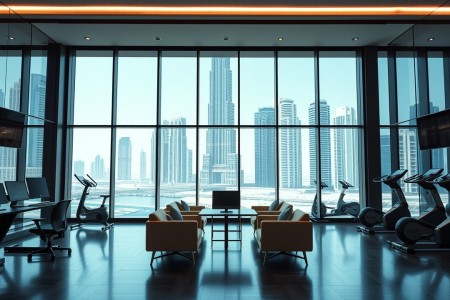
Gyms with Co-Working Lounges in Dubai: The 2026 Executive Guide to Hybrid Fitness

 by
by