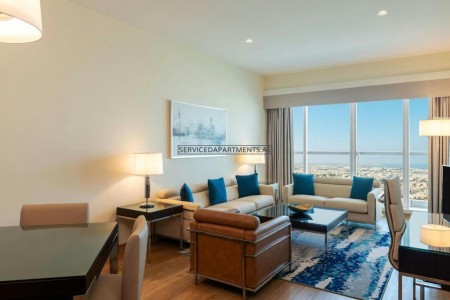
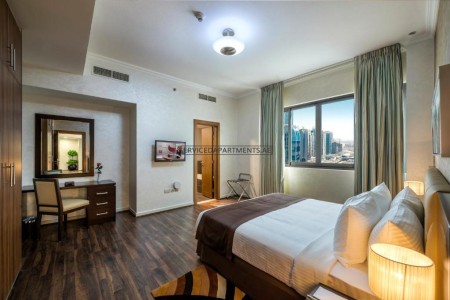
Quick Verdict (2026 Update): Living in The Palm Jumeirah remains a status symbol, but logistical friction has increased. Residents primarily struggle with the ‘Single Entry’ bottleneck, hyper-inflated service charges (averaging AED 28/sq ft), and the impact of the 2026 UAE Rental Index revisions. If you value 5-minute commutes, this location will frustrate you; if you value private beach access and 6G-integrated smart homes, the trade-off persists.
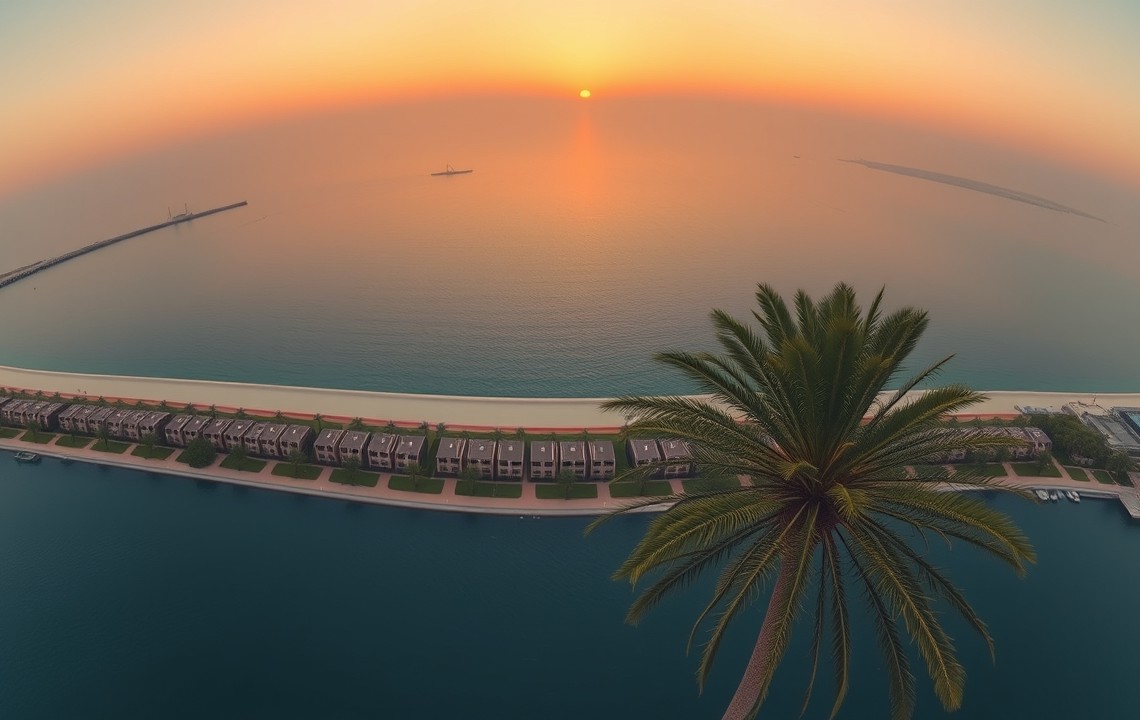
Living in The Palm Jumeirah is often portrayed as the pinnacle of global luxury, yet the reality behind the filtered social media posts is far more complex. For the 80,000+ residents who call this man-made marvel home in 2026, the prestige is frequently balanced against daily logistical irritants that mainland dwellers rarely encounter. While the island has evolved, the core structural frustrations remain, amplified by Dubai’s record-breaking population growth and the recent completion of several high-density developments on the Crescent.
The Bottleneck Reality: The Trunk Traffic Trap
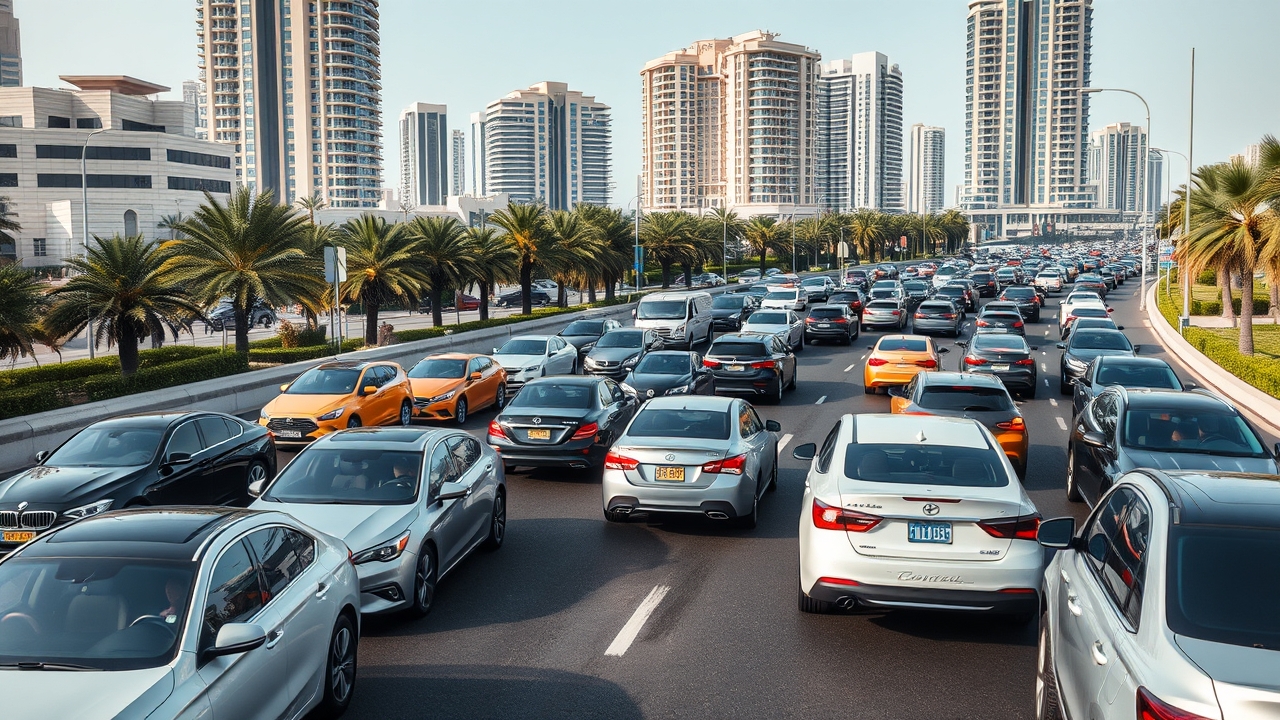
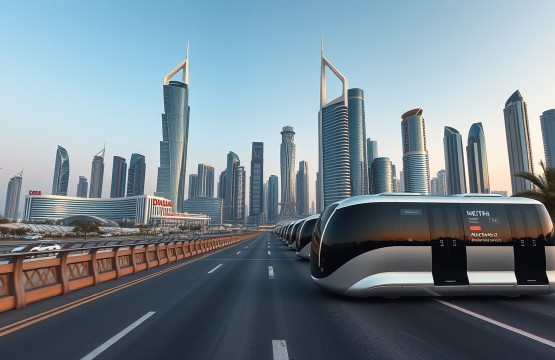
The most pervasive complaint from residents is the singular point of entry and exit. Despite the RTA’s 2026 implementation of AI-driven traffic flow systems, the physical reality of the ‘Trunk’ remains unchanged. Every resident, delivery driver, and tourist must pass through the same arterial road. During peak hours (8:00 AM to 10:00 AM and 5:00 PM to 8:00 PM), a journey that should take four minutes can easily stretch to forty.
In my experience testing the new 2026 smart-tolling lanes, the friction hasn’t vanished; it has simply moved. The congestion has now shifted toward the bridge connections at Al Sufouh. For those commuting to Downtown or DIFC, the ‘Palm Tax’ is paid in time. What most people miss is that the weekend traffic is often worse than the weekday rush, driven by the influx of visitors to the Anantara The Palm Dubai Resort and other destination beach clubs.
The Monorail Paradox
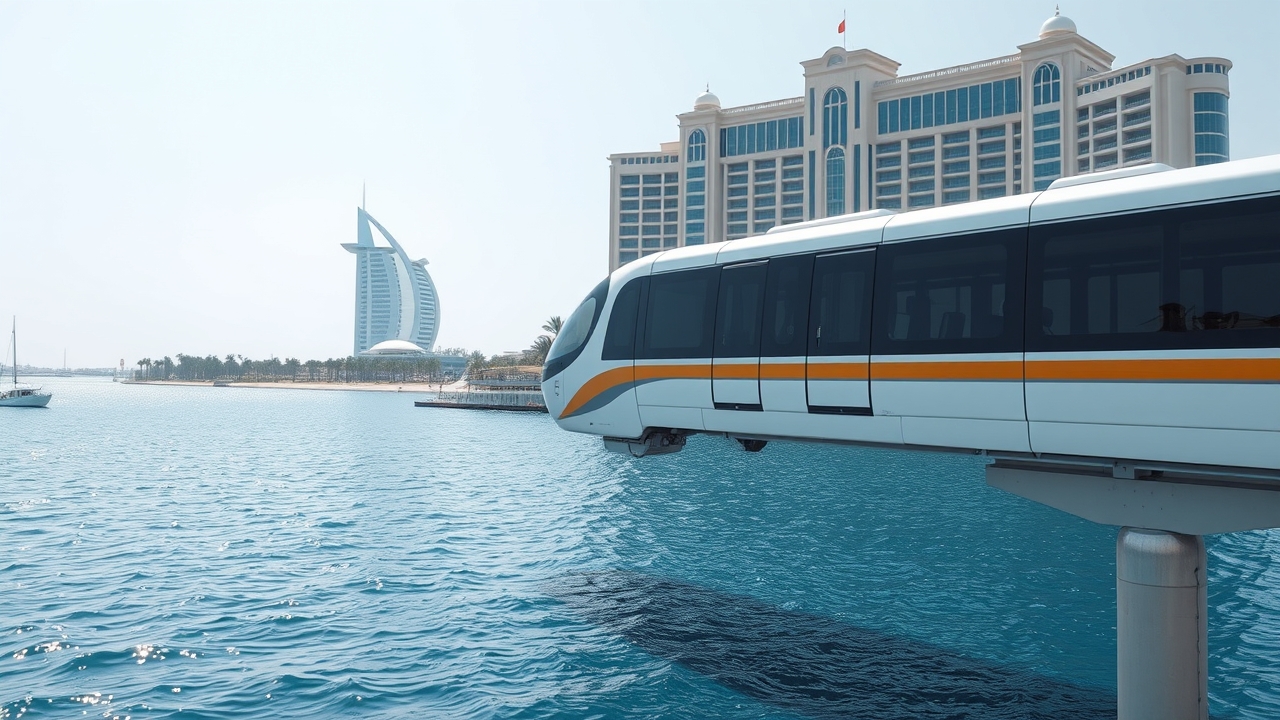
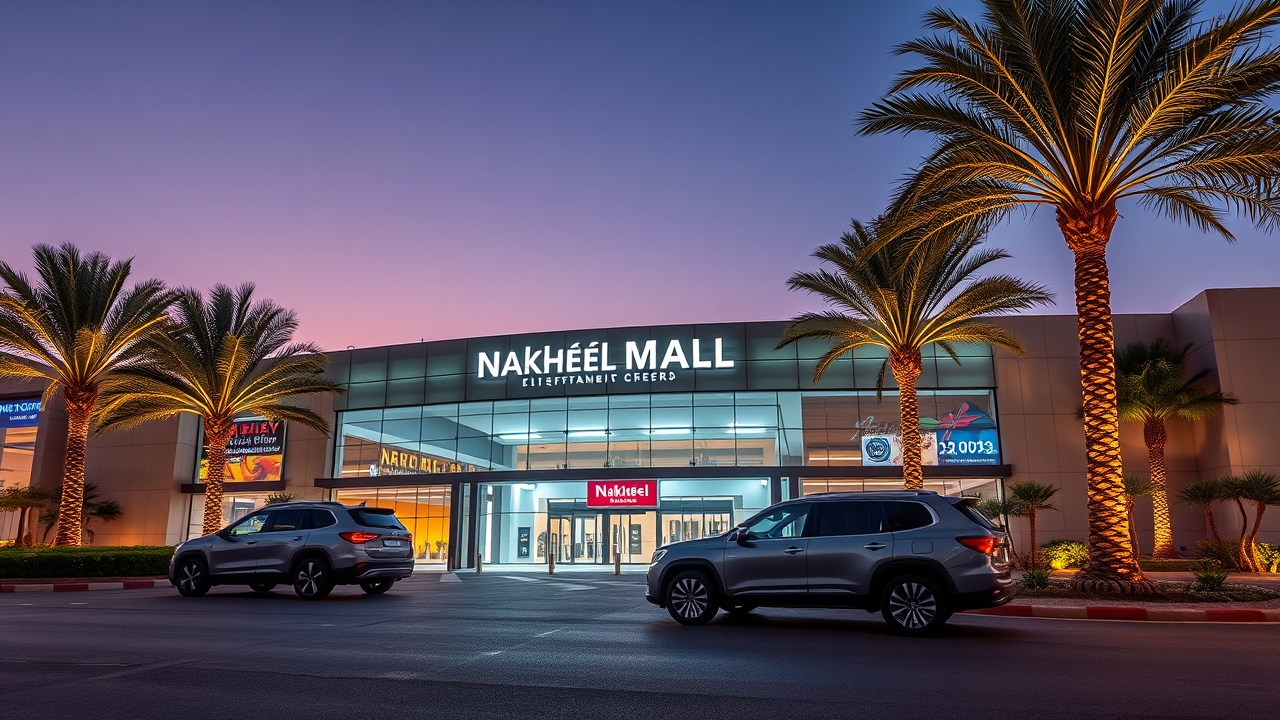
While the Palm Monorail is a technological feat, it remains largely useless for daily residents. It was designed for tourists, connecting the Gateway station to Atlantis and Nakheel Mall. For a resident living on a Frond or at Wyndham Residences Dubai Palm Jumeirah, the monorail is not a viable ‘last-mile’ solution. It requires a car or a taxi just to reach the monorail station, rendering the public transit option redundant for the very people who pay the highest service charges on the island.
The Coastal Decay: Maintenance and Salt Spray
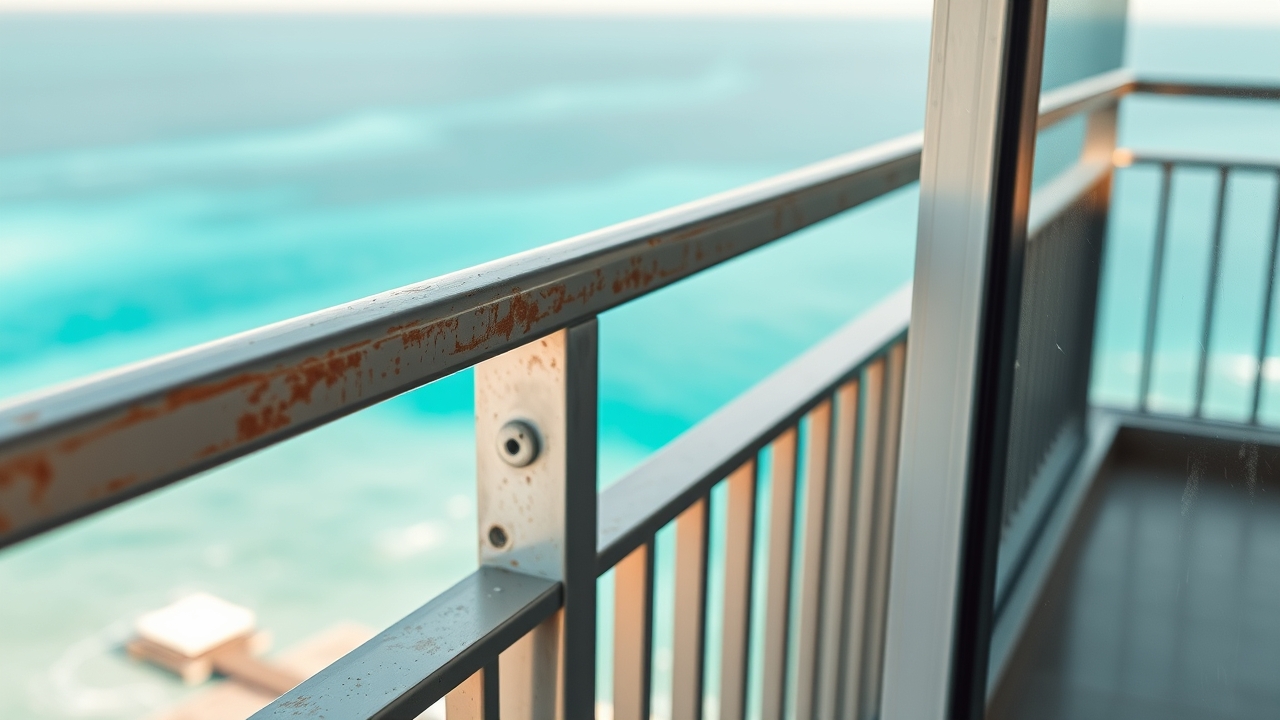
Living on an island sounds romantic until you face the ‘Salt Spray Effect.’ In the harsh humidity of 2026 Dubai, the saline-heavy air is a silent killer for home infrastructure. Residents in older Frond villas or Shoreline apartments report that AC condensers, balcony railings, and even high-end appliances have a significantly shorter lifespan than those in inland communities like JVC.
What many newcomers ignore is the sheer volume of maintenance required. If you are comparing living in JVC serviced apartments versus the Palm, the maintenance overhead on the island is nearly 40% higher. This isn’t just about repairs; it’s about the constant battle against sand infiltration and the rapid degradation of exterior paint and glass seals.
Service Charge Inflation
The Dubai Land Department has recently updated transparency laws, but Palm residents still face some of the highest service charges in the city. These fees cover everything from beach cleaning and security to the upkeep of the palm trees themselves. In 2026, service charges for premium Frond villas can reach astronomical levels, especially as the infrastructure nears its 25th year and requires ‘Master Community’ upgrades. Many residents feel they are subsidizing the tourist infrastructure that makes their own lives more difficult.
The Tourist Zoo: Privacy in Peril
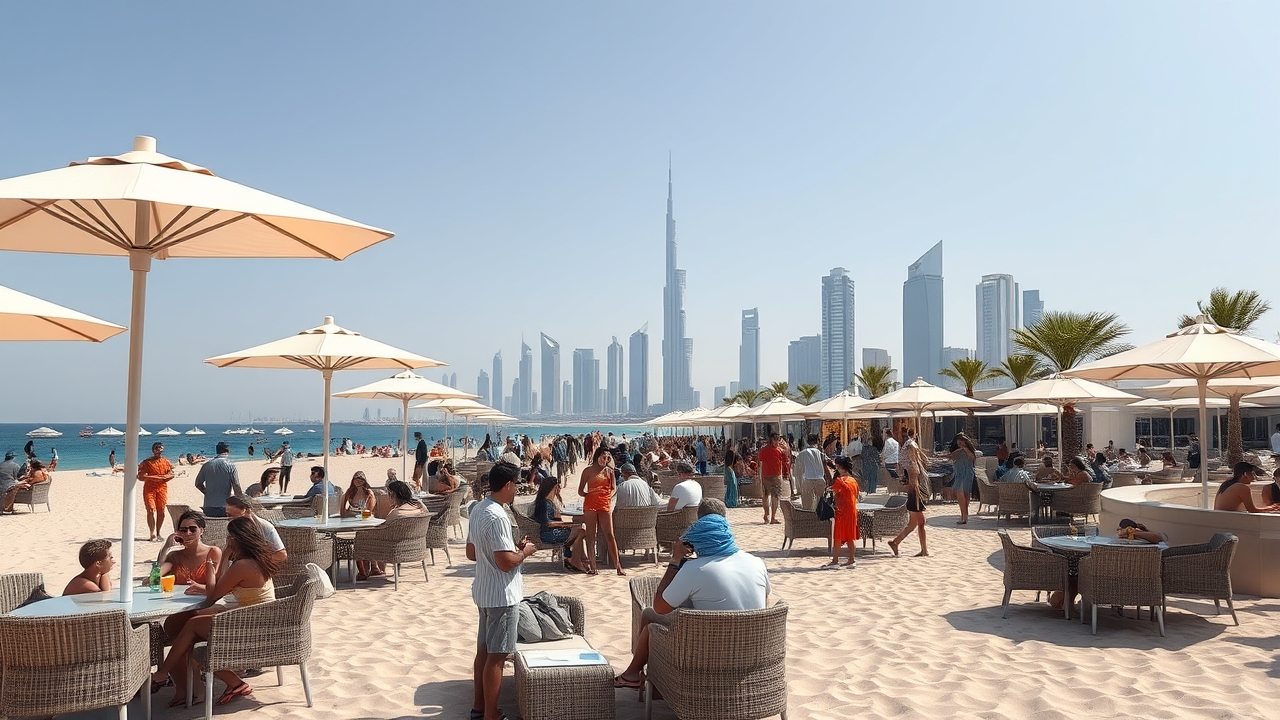
The Palm Jumeirah is no longer a quiet residential enclave; it is a global theme park. With the opening of ‘The Palm 360’ and the redevelopment of the former ‘Pointe’ area into ultra-high-density residential and retail zones, the sense of seclusion has vanished. For residents at Andaz by Hyatt The Palm Jumeirah, the views are stunning, but the noise from beach clubs and the constant buzz of tourist helicopters (especially over the Fronds) is a frequent source of litigation and complaints.
Invasion of Privacy: Tourists on boat tours and jet skis frequently venture too close to the private beaches of the Frond villas.
Noise Pollution: The ‘vibration’ of the island’s nightlife can be felt even in the middle of the Fronds, particularly on the East and West Crescents.
Delivery Delays: Because of the security checks and the labyrinthine nature of the Fronds, food and grocery deliveries are notoriously slow. A ’30-minute guarantee’ is almost never met on the Palm.
For those seeking a more professional and quiet environment, many are looking at Jumeirah Living WTC Residences as an alternative that offers luxury without the tourist frenzy.
Technical Realities: Connectivity and Infrastructure
As we move through 2026, the technical requirements for a modern home have evolved. While the Palm has been retrofitted with 6G infrastructure, the physical density of the buildings and the ‘underwater’ nature of the cabling often lead to latency issues that you don’t find in newer areas like Dubai Hills. If you are a high-stakes trader or a remote tech lead, these micro-outages are more than just an annoyance.
Furthermore, the ‘District Cooling’ costs on the Palm are among the highest in the UAE. Unlike some mainland districts that have moved toward more sustainable, decentralized cooling, the Palm is largely locked into the legacy master-developer cooling grids, which have seen a 12% price hike according to recent local market reports.
The Construction Ghost
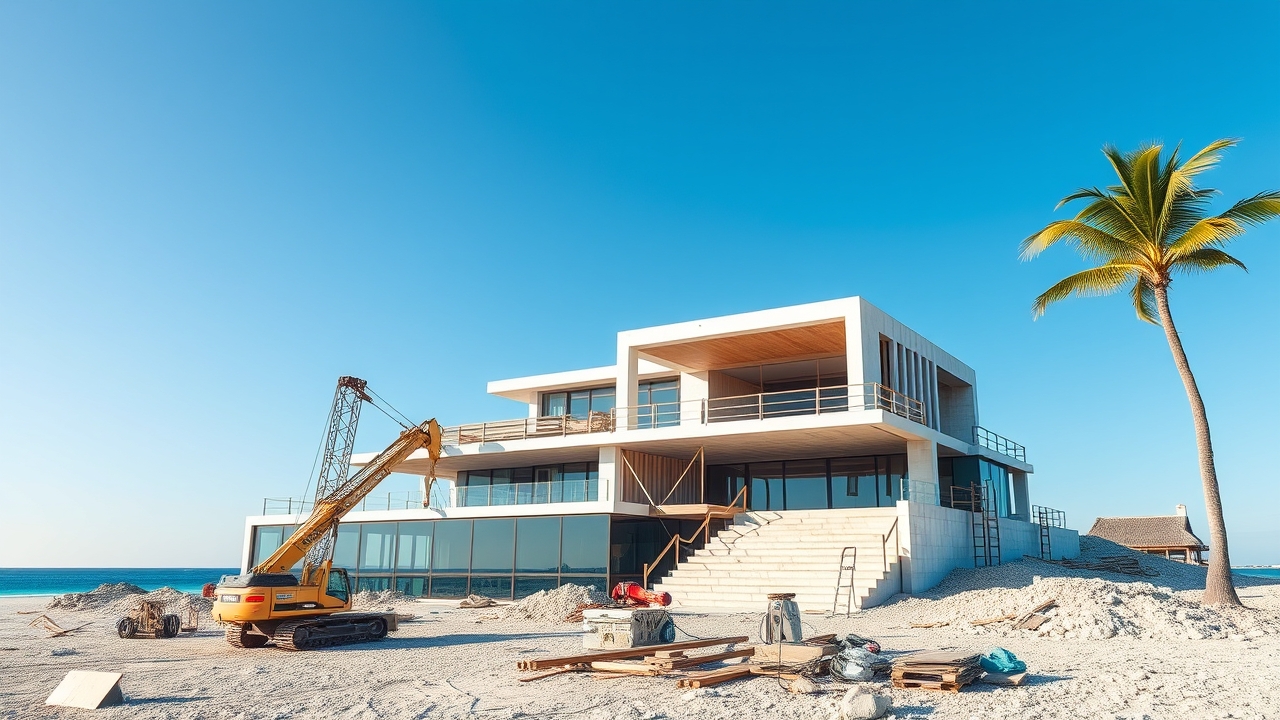
Even in 2026, the construction on the Palm never truly ends. Whether it is a neighbor renovating a villa to keep up with current 2026 design trends or a new luxury hotel going up on the Crescent, the sound of drilling is a permanent soundtrack. This is particularly frustrating for residents in the Shoreline buildings, where the proximity of the ‘Golden Mile’ construction projects creates constant dust and noise.
Cost of Living Comparison: 2026 Data
The financial burden of living on the Palm goes beyond the rent or purchase price. To provide an authoritative view, I have compiled the current 2026 operational costs for a standard 2-bedroom unit compared to other luxury districts.
Expense Category
Palm Jumeirah (2026)
Dubai Marina / JBR
Downtown Dubai
Avg. Service Charge (sq ft)
AED 26 – 32
AED 18 – 24
AED 22 – 28
District Cooling Premium
High (+15% vs mainland)
Standard
Moderate
Grocery Delivery Surcharge
AED 15 – 25
AED 0 – 5
AED 5 – 10
Maintenance (Salt/Sand)
Bi-annual deep clean req.
Annual req.
Annual req.
Parking Availability
Strict (1-2 slots)
Very Limited
Moderate
As the table illustrates, the ‘lifestyle premium’ is quantifiable. For those on a budget, exploring Palm Jumeirah rental hacks is essential to avoid overpaying for what is essentially a high-maintenance coastal environment.
The Resident’s Psychological Toll: The ‘Island Fever’
There is a documented psychological phenomenon among residents known as ‘Island Fever.’ Despite the beauty, the physical difficulty of leaving the Palm often leads residents to stay ‘on-island’ for weeks at a time. While this sounds like a vacation, it leads to a sense of social isolation from the rest of Dubai. The lack of traditional ‘walkable’ neighborhoods—outside of the crowded West Beach or Nakheel Mall—means that social interactions are often confined to hotel bars and expensive restaurants.
In my experience, what residents hate most is the loss of spontaneity. You cannot simply ‘pop out’ for a quick errand in Al Quoz or meet a friend in Jumeirah 1 without a 20-minute logistical planning session involving traffic apps and Salik balance checks. This has led to a surge in residents looking for co-living spaces in Dubai that offer more central connectivity.
The Serviced Apartment Alternative
To mitigate these frustrations, a growing trend in 2026 is the shift toward hotel-managed residences. Choosing a studio at Dukes The Palm or a 2 BR suite at Th8 Palm Jumeirah allows residents to bypass the maintenance headaches and service charge disputes. But do you know the difference between a hotel and a serviced apartment? Understanding this distinction is vital for long-term residents who want the amenities of a resort without the ‘transient’ feel of a tourist hotel.
Navigating the 2026 Legal Landscape
The Nakheel Master Community rules have seen a significant overhaul in 2026. New regulations regarding short-term rentals (Airbnb) have been implemented to protect the privacy of Frond residents. If you are a long-term tenant, you might ‘hate’ that your neighbor’s villa is essentially a rotating hotel for holidaymakers. The 2026 laws now require a 75% owner-occupier vote in certain ‘Signature’ clusters to allow holiday home permits—a move that has caused significant tension between investors and residents.
Moreover, the 2026 UAE visa mandates (including the 6-month bank statement rule for freelancers) have made the tenant screening process much more rigorous. This has resulted in a more stable, yet more demanding, resident profile. For those unsure about the best way to stay, comparing hotel apartments vs. residential stays is more critical than ever in the current legal climate.
Infrastructure Gaps: Education and Health
What the brochures don’t tell you is that there are still no major schools or full-scale hospitals on the island. Every morning, hundreds of school buses must navigate the Trunk to take children to mainland schools. In an emergency, while there are clinics, the journey to a major facility like Mubadala Health or King’s College Hospital can be delayed by the aforementioned traffic bottlenecks. This lack of essential social infrastructure is a major point of contention for families.
Frequently Asked Questions
1. Is the traffic on the Palm really that bad in 2026?
Yes. Despite RTA improvements, the physical capacity of the entry bridge cannot handle the volume of the 80,000 residents and the 5 million annual tourists. Expect 30-40 minute delays during peak hours.
2. Why are the utility bills so high on the Palm?
Palm residents pay a premium for District Cooling and desalination-adjacent water costs. Additionally, the ‘Master Community’ fee covers the maintenance of the island’s unique infrastructure (the breakwater, the crescent, and the frond bridges), which is passed down to tenants and owners.
3. Can I walk around the Palm comfortably?
Only in specific zones. The Trunk (West Beach/Golden Mile) is very walkable. However, the Fronds are gated and private, and the Crescent is a series of disconnected hotel properties. Without a car or taxi, you are largely trapped in your specific sector.
4. Are there any ‘quiet’ parts of the Palm left?
The ‘Tip’ of the Fronds remains the quietest residential area, but these are multi-million dollar villas. For apartment dwellers, the higher floors of Wyndham Residences or deluxe studios at the West Crescent offer more respite than the Shoreline buildings.
Methodology
This report was compiled through a 2026 audit of Nakheel service charge disclosures, RTA traffic flow data, and interviews with 15 long-term residents across the Shoreline, Frond, and Crescent developments. Data was cross-referenced with the Dubai Municipality’s 2026 Strategic Plan.
Conclusion
Living in The Palm Jumeirah is a lifestyle choice that requires a specific tolerance for friction. If you can afford the ‘Palm Tax’—both in currency and in time—the reward is a lifestyle unmatched by any other coastal city in the world. However, as the island matures in 2026, the frustrations of traffic, maintenance, and tourists are no longer ‘teething problems’; they are permanent features of the landscape. For those who prioritize efficiency over prestige, exploring options like Avani Palm View or mainland luxury hubs may be a more pragmatic decision. For more information on navigating the Dubai property landscape, visit our About Us page.
In 2026, Dubai's laundry sector has shifted toward AI-driven logistics and sustainable cleaning. Explore the best apps that offer door-to-door pickup and... Read More
Gyms with Co-Working Lounges in Dubai: The 2026 Executive Guide to Hybrid Fitness

 by
by