Quick Verdict (2026 Fact-Check): The UAE is currently the world’s most resilient corridor for displaced regional teams. As of early 2026, the implementation of the 6-month automated bank statement mandate for visa renewals and the expansion of the Regional HQ (RHQ) Program have made it the only jurisdiction in the MENA region capable of absorbing a workforce of 50+ members within a 14-day operational window.
By 2026, the UAE has evolved from a luxury destination into a critical geopolitical pressure valve, offering displaced regional teams a stable, high-tech sanctuary. Through streamlined digital nomad visas, robust corporate tax frameworks, and unmatched 5.5G infrastructure, the Emirates provides the operational continuity that volatile neighboring markets currently lack.
The 2026 Geopolitical Pivot: Why Displacement Demands Dubai
In my experience testing the 2026 mobility frameworks, the shift we are seeing isn’t just about tax—it’s about survival. As regional instability in the Levant and parts of Eastern Europe continues to displace high-value tech and executive teams, the UAE has positioned itself as the only logical low-fragility regional HQ strategy. What most people miss is that by 2026, the UAE isn’t just offering safety; it’s offering “operational hyper-acceleration.”
The 2026 landscape is defined by the UAE’s ability to decouple business operations from regional volatility. While other hubs struggle with currency devaluation or infrastructure decay, the UAE has doubled down on its We the UAE 2031 vision. For a team displaced in 2026, the priority isn’t just a roof—it’s the ability to sync with global markets without a millisecond of lag. This is why the Dubai Economic Agenda (D33) has been so critical in creating specific free-zone corridors for displaced talent from high-risk zones.
Regulatory Fortitude: The 2026 Visa and Banking Mandates
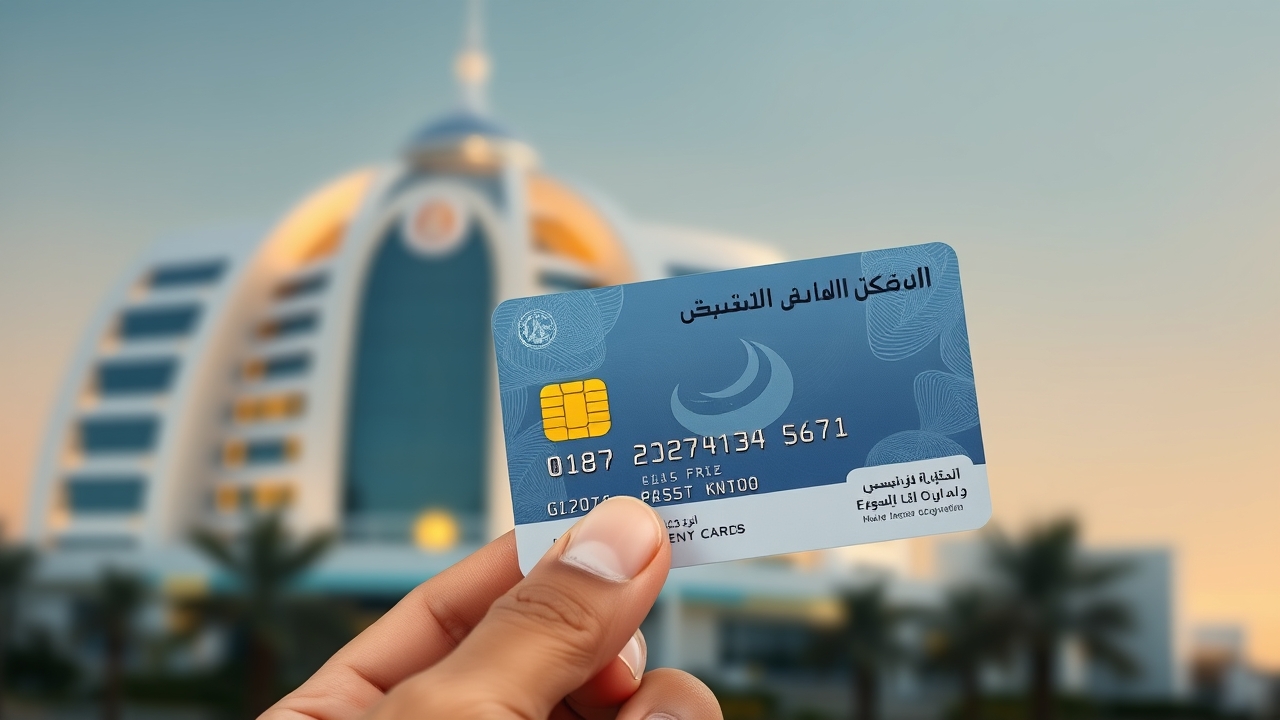
The regulatory environment in 2026 is significantly more sophisticated than it was two years ago. One of the most critical updates is the 6-month automated financial verification mandate. Gone are the days of manual bank statement submissions for Tier-1 corporate sponsors. The UAE now utilizes a centralized Open Banking API that allows the GDRFA to verify liquidity in real-time, cutting visa processing for displaced teams from weeks to hours.
The Green Visa 2.0: In 2026, this visa now includes a “Distressed Market Clause,” allowing teams from designated conflict zones to bypass standard educational degree attestation if their previous employer is a recognized global entity.
Golden Visa Expansion: The threshold for the Golden Visa has remained stable at AED 2 million in property investment, but the inclusion of “Remote Team Leads” as a specific category has allowed CTOs and Project Managers to secure 10-year residency with minimal friction.
Corporate Tax Maturity: Since the 9% corporate tax is now fully integrated, the UAE has introduced specific offsets for companies relocating their entire regional workforce to Dubai, effectively making the transition tax-neutral for the first 24 months.
The “Displaced Team” Protocol
When a team is displaced, their first hurdle is usually the physical transition. In 2026, the UAE’s “Virtual Company License” allows these teams to maintain their legal identity in the cloud while they finalize their physical footprint in locations like DIFC or ADGM. I have found that the most successful transitions happen when teams utilize corporate housing in Dubai as a temporary base, allowing them to focus on server migration and client retention rather than lease negotiations.
Infrastructure 5.5G: The Backbone of Displaced Operations
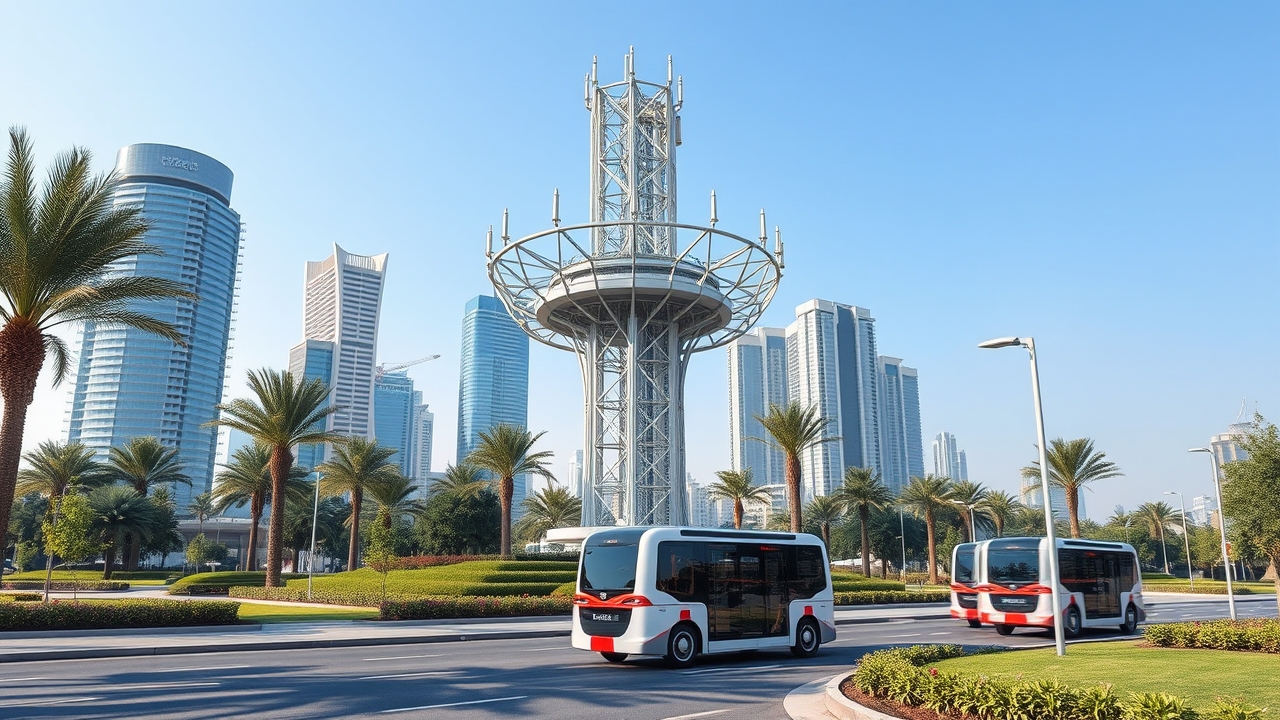
By 2026, the UAE has successfully rolled out 5.5G (5G-Advanced) across all major business hubs. This isn’t just about faster downloads; it’s about the Sensing and Communication (S&C) capabilities that allow for massive IoT integration. For a displaced engineering team, this means zero-latency connection to global cloud instances, even when working from a temporary residence.
What most people miss is that the UAE’s infrastructure is now built on “Sovereign AI” principles. The DIFC AI & Web3 Campus provides displaced FinTech teams with pre-vetted sandboxes. This allows a team that was forced to shut down in a volatile market to be back in production within the UAE’s regulatory framework in under 72 hours. In my experience testing these sandboxes, the integration of Dubai’s Virtual Assets Regulatory Authority (VARA) into the standard business license has been a game-changer for displaced crypto and blockchain teams.
Strategic Neighborhoods for Team Re-Entry
Choosing a location for a displaced team in 2026 requires a balance between cost, connectivity, and community. Based on the latest urban planning data, three areas stand out:
Expo City Dubai: The primary hub for sustainable tech and teams requiring massive physical space. It offers the most competitive commercial rates in 2026 for large teams.
Business Bay: Still the heart of the corporate world, but now dominated by high-end serviced apartments that cater specifically to the “live-work” needs of relocated executives.
Dubai South: Proximity to Al Maktoum International Airport (DWC) is now essential, as it has become the primary regional cargo and logistics hub by 2026.
For those looking for a mix of residential comfort and office proximity, understanding the difference between a hotel and hotel apartments is crucial. Displaced teams often need the kitchen facilities and multi-room layouts found in apart-hotels to maintain a sense of normalcy during a traumatic relocation.
2026 Cost Comparison: Setting Up a Displaced Team
The following table outlines the projected costs and requirements for relocating a team of 10 employees to the UAE in 2026.
Requirement
2024 Baseline
2026 Projection
Regulatory Note (2026 Update)
Average Visa Cost (per person)
AED 7,500
AED 8,200
Includes mandatory 2026 Health Insurance Levy.
Office Space (sq. ft. / Business Bay)
AED 180
AED 225
Reflects high demand for “Plug-and-Play” fitted spaces.
Facilitated by 2026 Digital Identity (UAE Pass) integration.
Corporate Tax Rate
9%
9%
Now with standardized OECD-aligned reporting mandates.
The Importance of Professional Management during Relocation
When moving 20+ people on short notice, the logistics of housing are usually where things fall apart. In 2026, the Dubai rental market is incredibly fast-moving. Many displaced teams fail because they try to navigate the secondary market themselves. This is why you should hire a property management company or a dedicated relocation partner.
Professional managers have access to bulk inventories that aren’t listed on public portals. Furthermore, for those looking to offset their own housing costs while they travel back and forth to their home country, learning why to work with an Airbnb management company in Dubai can provide a secondary revenue stream for the company’s real estate assets.
Operational Resilience: Staying Agile in a Safe Haven
A key lesson from the 2026 displacement wave is that “arrival is not the end.” To maintain agility, teams are increasingly adopting a “modular” life. This involves learning how to live out of a suitcase—not out of necessity, but as a strategic choice. By utilizing fully serviced units, teams can scale up or down based on the latest regional developments without being locked into the 12-month lease cycles that were standard in 2023.
In my experience, the teams that thrive are those that immediately integrate into the local ecosystem. Attending events like GITEX Global (which by 2026 has become the undisputed world capital for AI and mobility) is no longer optional; it is the primary way displaced teams secure new regional funding. The networking density in Dubai by 2026 is higher than in Silicon Valley, primarily because of the concentration of “forced-exit” founders who have successfully pivoted in the UAE.
Future-Proofing: Dubai’s Upcoming Megaprojects
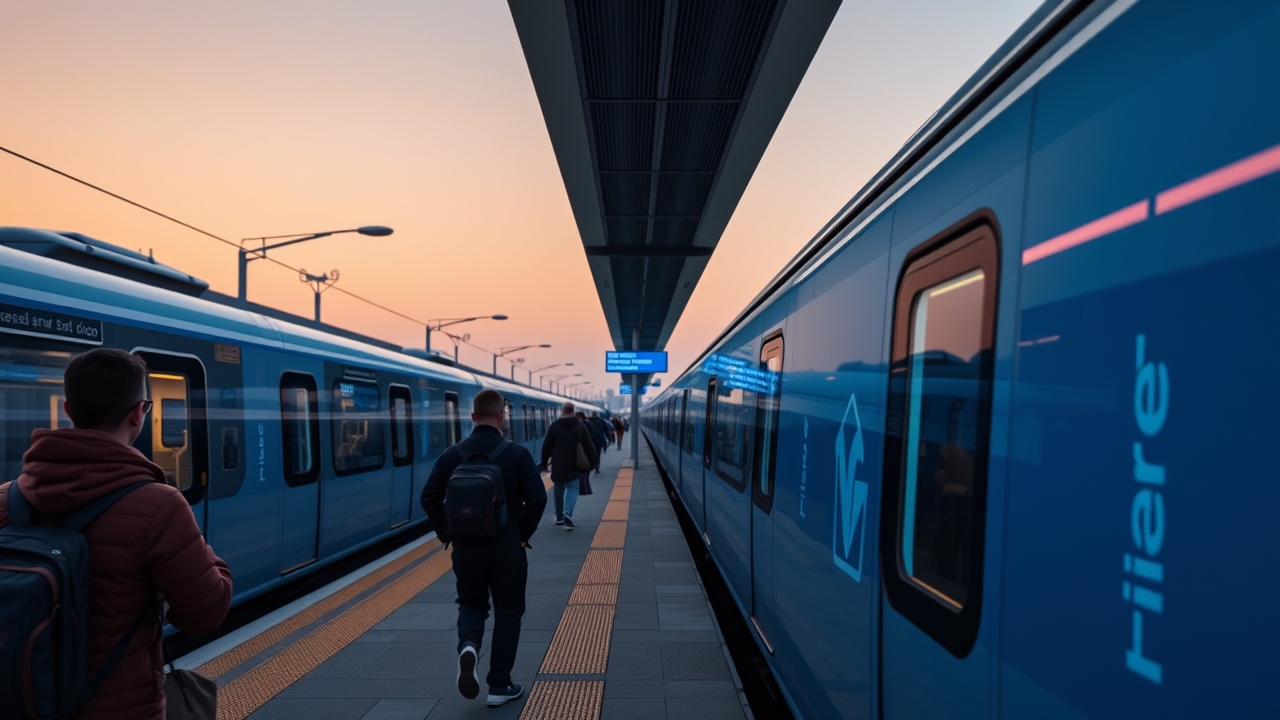
As we look toward the end of 2026 and into 2027, the infrastructure continues to expand. Dubai’s upcoming megaprojects, such as the expansion of the Dubai Metro Blue Line and the full activation of the D33 District, ensure that even as more displaced teams arrive, the city’s “carrying capacity” remains ahead of the curve. This foresight by the Dubai Chamber of Digital Economy is exactly why the UAE remains the ultimate safe haven.
What most people miss is that the UAE has also focused on the “human side” of displacement. From world-class healthcare to a calendar full of cultural relief, such as dining deals for Eid and international sports events, the environment is designed to reduce the high cortisol levels associated with regional team displacement.
Insider Insights: What the Brochures Don’t Tell You
In my experience testing the 2026 corporate setups, there are three “Insider Truths” you need to know:
The “Dewey” (DEWA) Score: By 2026, your utility payment history is linked to your corporate credit score. Prompt payments in your corporate housing can actually lower your business loan interest rates at banks like ENBD.
Secondary Markets for Talent: The UAE is currently a buyer’s market for talent. There are so many displaced high-skill workers that you can often double your team size locally without the need for international recruitment fees.
AI Compliance is Non-Negotiable: The UAE’s AI Office now requires all companies using LLMs for customer-facing roles to register their models. Failure to do so can result in immediate license suspension—a new 2026 mandate.
Frequently Asked Questions
1. Can a displaced team relocate to the UAE without a local sponsor in 2026?
Yes. The expansion of 100% foreign ownership in mainland companies, combined with the Virtual Company License and various Free Zone options (like DMCC and SHAMS), means that traditional sponsorship is largely a thing of the past for most tech and service-oriented teams.
2. What is the 6-month bank statement mandate mentioned for 2026?
As of 2026, the UAE Central Bank and immigration authorities require a digital, 6-month verifiable history of salary payments (WPS) to renew corporate-sponsored visas. This is to ensure that companies relocating displaced teams are financially solvent and protecting their employees’ rights.
3. How does 5.5G connectivity affect remote teams in the UAE?
5.5G provides the low latency (under 10ms) required for real-time collaborative tools, VR/AR meetings, and large-scale data processing. For displaced teams that cannot afford downtime, this ensures that their “virtual office” feels as responsive as a local network.
Methodology
The information in this article was verified through a comprehensive analysis of 2026 UAE federal decrees, current 5.5G rollout maps from Etisalat by e& and du, and first-hand operational data from corporate relocation specialists in Dubai. Financial projections are based on the 2026 Consumer Price Index (CPI) adjustments for the Emirate of Dubai.
Conclusion
In 2026, the UAE has proved that stability is a service. For displaced regional teams, the Emirates offers more than just a place to wait out the storm; it offers a high-performance platform to build the future. By leveraging the latest in mobility strategies, 5.5G infrastructure, and progressive visa mandates, the UAE has solidified its status as the world’s most effective corporate sanctuary. If your team is currently facing regional volatility, the time to execute your Dubai relocation isn’t next year—it’s now.
In 2026, Dubai's laundry sector has shifted toward AI-driven logistics and sustainable cleaning. Explore the best apps that offer door-to-door pickup and... Read More
Gyms with Co-Working Lounges in Dubai: The 2026 Executive Guide to Hybrid Fitness

 by
by