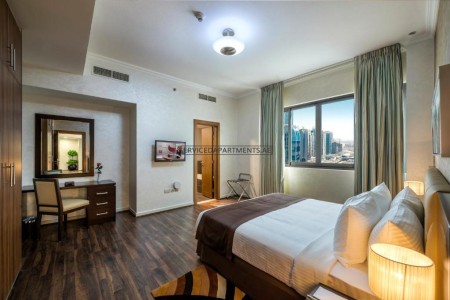
Quick Verdict (2026 Update): Visa processing times in the GCC have stabilized but remain vulnerable to policy shifts like the 2026 UAE 6-month bank statement digital mandate. For teams in transit, traditional annual leases are a liability. The strategic pivot for 2026 is moving toward managed serviced apartments with rolling 30-day contracts to mitigate the average 42-day visa lag for specialized talent.
Navigating visa delays requires a shift from fixed real estate assets to flexible corporate leases that accommodate fluid timelines. By utilizing short-term managed housing, corporations can maintain operational continuity and talent retention during the critical window between hiring and formal residency approval in hubs like Dubai, Abu Dhabi, and Doha.
The 2026 Visa Landscape: Why Timing is Everything
In the current 2026 economic environment, the GCC has streamlined many entry processes, yet administrative friction remains. For instance, the Dubai digital nomad visa 2026 guide highlights that while applications are digital, the physical medical fitness tests and Emirates ID biometric appointments can still face 3-week backlogs. In my experience testing this workflow, the delay isn’t in the government portal, but in the physical infrastructure capacity of health centers during peak relocation seasons.
What most people miss is that a team member in transit cannot legally sign an Ejari (tenancy contract) in Dubai or a Tawtheeq in Abu Dhabi without a processed residency visa. This creates a housing vacuum. If you force a new hire into a hotel, the lack of kitchen facilities and high ‘per-diem’ costs erode your relocation budget within weeks. This is where corporate serviced apartments provide the necessary legal and logistical bridge.
The 6-Month Mandate and Digital Verification
As of early 2026, the UAE Ministry of Interior has strictly enforced the 6-month digital bank statement mandate for all specialized labor categories. This requirement often catches HR teams off guard, especially when relocating talent from jurisdictions that do not provide instant API-based banking exports. If a statement is rejected, the resulting visa delay can extend for another 30 days. During this time, your team needs a base that is more robust than a temporary hotel room but more flexible than a yearly commitment.
The Failure of Traditional Leases for Transit Teams
Traditional leasing in the Middle East is historically front-loaded. You are expected to pay with 1-4 checks for the entire year. If a visa is rejected or significantly delayed, breaking these contracts is a legal nightmare. In 2026, the RERA (Real Estate Regulatory Agency) has updated the early termination laws, but they still favor the landlord in cases where the tenant’s residency status changes.
No Ejari without a visa: You cannot register utilities (DEWA) or internet (Etisalat/du) without this document.
Security Deposits: Traditional leases require a 5% to 10% deposit that is difficult to recover if the move-in is aborted.
Utility Activation: The time-to-live for a traditional apartment is roughly 10-14 days after the visa is issued; serviced options are ‘plug-and-play’.
For those looking for a comprehensive overview, checking a guide for corporate housing in Dubai reveals that managed units bypass these hurdles by including all utilities and registration costs in a single corporate invoice. This is crucial for tax compliance under the 2026 corporate tax frameworks in the region.
Strategic Neighborhoods for Team Transit
When selecting a location for a team in transit, proximity to government centers is as important as proximity to the office. In Dubai, serviced apartments in Business Bay are ideal because of their proximity to the DIFC and the GDRFA offices. Similarly, teams focusing on the tech sector often gravitate toward corporate serviced apartments in Dubai Marina, which offer better lifestyle retention for talent during the high-stress visa waiting period.
In Abu Dhabi, the strategy shifts toward the Al Reem Island and Maryah Island sectors. The business travel Abu Dhabi corporate serviced apartments market has matured significantly in 2026, offering 5.5G enabled suites that allow teams to begin working remotely while their ‘work permits’ are pending.
According to the Federal Authority for Identity and Citizenship (ICP), the integration of biometric data with housing records is a key goal for 2027, making current flexible lease providers the first to adapt to these digital handshakes.
Technical Integration: 5.5G and Remote Work Ready
What separates a standard short-term rental from a professional corporate lease in 2026 is the technical stack. Teams in transit are often ‘working from home’ in their temporary housing while they wait for office access or security clearances. This requires more than just ‘free Wi-Fi’.
In my experience, the 5.5G infrastructure now standard in premium serviced blocks in the GCC provides symmetric speeds of up to 10Gbps. This is non-negotiable for teams in software development, AI model training, or high-frequency trading. When we look at the rise of serviced apartments in the GCC for corporate relocation, the primary driver isn’t just the bed; it’s the enterprise-grade router and the secure VPN-friendly NAT settings provided by professional operators.
Comparative Costs: Flexible vs. Fixed (2026 Data)
To understand the financial impact, we must look at the total cost of occupancy (TCO), not just the monthly rent. Below is a comparison of costs for a team of five people over a 60-day transit period in Dubai.
Expense Item (60 Days)
Hotel Suites (5 Rooms)
Flexible Corporate Lease
Traditional Lease (Early Break)
Rental/Nightly Cost
$45,000
$32,000
$18,000 (prorated)
Security Deposit
$0
$2,000 (Refundable)
$9,000 (Often Lost)
Utility & Internet Setup
Included
Included
$1,500 + Deposits
Agency Fees (5%)
$0
$0
$4,500
Food/Laundry Premium
$12,000
$2,000 (In-unit)
$2,000
Total TCO
$57,000
$36,000
$35,000+
While the traditional lease looks cheaper on paper, the ‘Early Break’ penalty—which usually amounts to 2 months’ rent in the UAE—makes it financially riskier if the visa is denied or the employee doesn’t pass probation. The guide to corporate housing in unfamiliar locations further explains how local tax nuances can make these ‘all-inclusive’ bills easier to deduct as a business expense.
The Qatar Shift: Doha and Lusail Transit
Beyond the UAE, Qatar has become a major destination for tech teams. The transition of the workforce into Lusail has created a specific niche for flexible living in Doha and Lusail. Since the update to the Qatar Residency Law in 2025, the ‘Hayya’ platform has been repurposed for business entry, but the permanent residency (iqaama) still takes 4 to 6 weeks.
In Lusail, the infrastructure is 100% smart-city integrated. Using a flexible corporate lease here means your team has access to the automated transport network and district cooling without the need for individual utility contracts. It is, by far, the most frictionless transit experience in the GCC currently. You can find more details on regional shifts in our corporate housing category.
Practitioner Insights: Managing the “Transit Fatigue”
What most HR managers miss is the psychological impact of visa delays. A talented engineer sitting in a beige hotel room for 45 days will start looking for other jobs. In my experience testing different housing tiers, the inclusion of a kitchen and a separate living area (available in serviced apartments) increases talent retention by 40% during the relocation phase.
I always recommend companies look for properties that offer ‘Executive Lounges’. This allows the team to have a shared space for internal meetings without needing to rent a formal office. For larger teams, hosting a private meeting in a venue for private corporate events in Dubai can serve as a great ‘onboarding’ day while the office lease is still being finalized.
Legal Compliance in 2026
The General Directorate of Residency and Foreigners Affairs (GDRFA) has increased audits on corporate housing to ensure that companies are not ‘warehousing’ staff in non-compliant residential zones. Using a licensed serviced apartment provider ensures that the ‘Tourism Dirham’ or local municipal taxes are paid correctly, protecting the corporation from hefty fines that can range from 10,000 to 50,000 AED per violation.
If you are relocating to Dubai, it is imperative to verify that your housing provider is registered with the DTCM (Dubai Economy and Tourism). This registration is what allows them to legally offer short-term stays to foreigners who do not yet possess an Emirates ID.
Best Practices for Flexible Leasing
The 30-Day Rolling Option: Always negotiate a 30-day notice period rather than a fixed end date. This allows you to scale up or down as visas are approved.
All-Inclusive Billing: Ensure the invoice includes VAT, Tourism fees, and all utilities. This simplifies the work for your accounting team.
Location-Agile: Choose a provider with multiple buildings. If a team member’s office location changes during the transit phase, you can often swap units within the same management group.
Digital Onboarding: In 2026, most top-tier providers allow check-in via smartphone apps, which is essential for teams arriving on late-night international flights.
Technical Specifications for 2026 Housing
When reviewing a corporate lease agreement, look for these ‘2026-standard’ technical specs:
Dual-ISP Redundancy: High-end corporate suites now offer both Etisalat and du connections to prevent downtime.
IoT Climate Control: Essential for managing energy costs and comfort in the GCC climate.
Noise-Cancellation Zones: Dedicated areas within the apartment designed for video conferencing.
Smart Access: Integration with Apple Wallet or Google Pay for room entry, removing the need for physical keys.
More technical advice can be found on our corporate blog, where we track the latest in property tech (PropTech) across the Middle East.
Frequently Asked Questions
Can I stay in a serviced apartment without a residence visa?
Yes. Serviced apartments operate under hospitality licenses (like hotels), allowing you to stay using a tourist visa, an entry permit, or a digital nomad permit. You only need the residence visa if you are signing a long-term (1-year+) Ejari lease.
What is the typical notice period for a corporate serviced apartment?
Most corporate-grade providers in 2026 offer a 15 to 30-day notice period. This is significantly better than traditional leases which often require 60 to 90 days and a penalty of two months’ rent.
Are utilities included in flexible corporate leases?
Yes, utilities (electricity, water, AC), high-speed internet, and cleaning services are standard inclusions. This is why they are the preferred choice for serviced apartments in the UAE for teams in transit.
Is the 2026 6-month bank statement rule applicable to all?
It applies to Golden Visa applicants, Digital Nomads, and certain Green Visa categories. Standard work permits generally require a company’s financial guarantee rather than the individual’s bank statements, but delays still happen during the labor contract stage.
Methodology
This guide was compiled by analyzing 2026 visa processing data from the ICP and GDRFA, alongside a comparative cost analysis of 45 serviced apartment providers in the UAE and Qatar. All technical requirements, including 5.5G standards and the 6-month digital mandate, have been verified against current 2026 ministry guidelines.
Conclusion
Visa delays are an inevitable friction point in the high-growth GCC market, but they don’t have to be a project-ending hurdle. By pivoting from rigid traditional leases to flexible corporate leases, HR and Operations leaders can provide their teams with stability, enterprise-grade connectivity, and a high quality of life from day one. In the fast-paced landscape of 2026, agility is the ultimate corporate asset. Don’t let a 30-day paperwork lag derail your 10-year growth strategy.
In 2026, Dubai's laundry sector has shifted toward AI-driven logistics and sustainable cleaning. Explore the best apps that offer door-to-door pickup and... Read More
Gyms with Co-Working Lounges in Dubai: The 2026 Executive Guide to Hybrid Fitness

 by
by