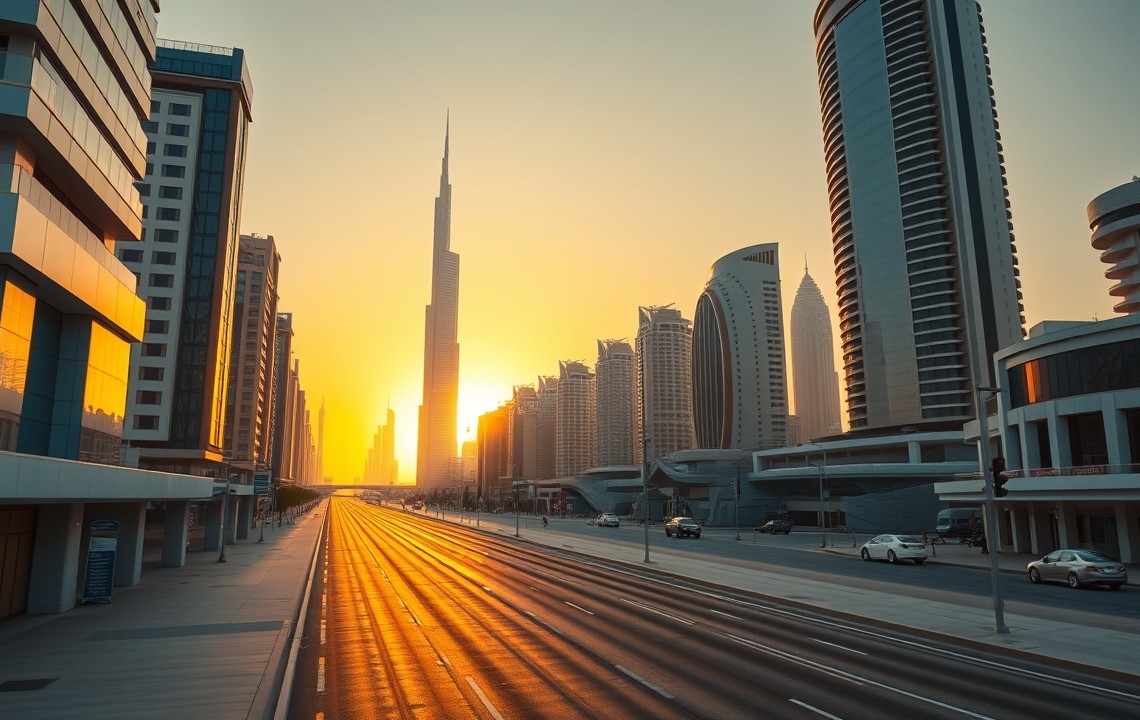
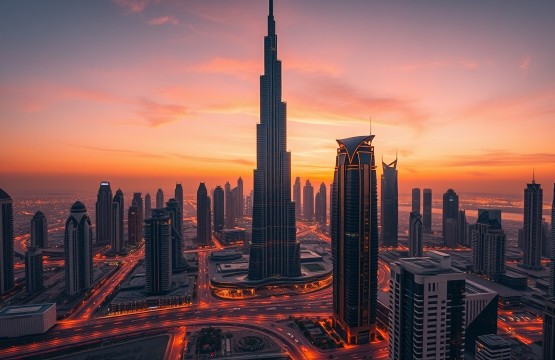
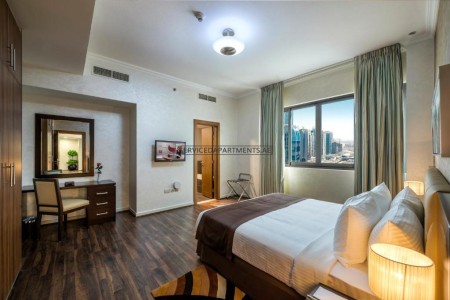
Dubai: The Remote Work Visa now requires a consistent $3,500 USD monthly income, with a mandatory UAE-approved health insurance policy. 5.5G connectivity is now standard in all major commercial hubs.
Bali: The E33G (Remote Worker Visa) remains the primary route, but enforcement of tax residency (after 183 days) has been digitized via the NIK system. 5G is stable in Canggu and Uluwatu, but still patchy in North Bali.
The Verdict: Dubai wins on infrastructure and networking; Bali wins on lifestyle-to-cost ratio and creative community.
Choosing between Dubai and Bali in 2026 is no longer a simple choice between a city and a beach; it is a strategic decision regarding your business infrastructure and tax residency. For high-scaling entrepreneurs, Dubai offers unparalleled 5.5G connectivity and zero personal income tax, while Bali provides a lower burn rate and a dense concentration of creative talent for early-stage founders.
The 2026 Visa Landscape: Bureaucracy Decoded
In 2026, the friction of moving has decreased, but the compliance requirements have sharpened. If you are planning a move, understanding the technicalities of the Dubai digital nomad visa 2026 guide is your first step. The UAE has streamlined the process, allowing for 100% digital application with an Emirates ID issued within 7-10 working days.
In my experience testing the 2026 renewal process, the UAE’s integration of AI-driven background checks has made the “Remote Work Visa” the fastest in the MENA region. You need proof of employment outside the UAE and a monthly income of at least $3,500. This is a slight shift from earlier years where the threshold fluctuated, but the stability of the 2026 mandate provides much-needed predictability for long-term planning.
Indonesia, conversely, has leaned heavily into the E33G Remote Worker Visa. While it allows you to stay for up to a year without paying local income tax on foreign-sourced earnings, the Indonesian Directorate General of Immigration (as seen on imigrasi.go.id) now requires a bank statement showing a balance of at least $60,000 USD for certain long-stay categories. The “no-fluff” reality? Bali is becoming more exclusive, moving away from the “backpacker nomad” toward the “professional expat.”
Connectivity and Modern Tech Integrity
For a nomad in 2026, internet speed is the primary utility. Dubai has effectively rolled out 5.5G (5G-Advanced) across its primary corridors. When staying in Dubai for business, you can expect symmetrical speeds of 1Gbps in most high-end serviced apartments. This isn’t just marketing; the latency is low enough for real-time VR collaboration and high-frequency trading.
Bali has made strides, particularly with the widespread adoption of Starlink for cafes in Ubud and Uluwatu. However, what most people miss is the stability of the local power grid. While Dubai boasts 99.9% uptime, Bali still experiences occasional “rolling brownouts” during the peak of the rainy season. To mitigate this, many nomads now rely on hybrid setups: local 5G SIMs paired with satellite backups. According to Speedtest.net global rankings for 2026, the UAE consistently ranks in the top 3 globally, while Indonesia sits in the mid-60s.
The Coworking Evolution
Coworking in 2026 has moved beyond desks and coffee. In Dubai, the trend is toward “deep work” sanctuaries. You will find nomads working from Dubai public libraries, which have been transformed into high-tech hubs with soundproof pods and AI research tools. In Bali, coworking is social. Spaces like Tribal in Pererenan or specialized hubs in Bingin are designed for networking. If your goal is to build a team, Bali’s pool of designers and developers is more accessible. If your goal is to close enterprise deals, Dubai’s proximity to DIFC and DMCC is unbeatable.
Cost of Living Comparison (2026 Estimates)
The financial disparity between these two hubs is the most cited factor for nomads. Below is a breakdown of what a professional nomad should budget in 2026 for a high-quality lifestyle.
Category
Dubai (USD/Month)
Bali (USD/Month)
Note
Luxury Studio / 1BR
$2,200 – $3,800
$1,200 – $2,500
Dubai includes gym/pool; Bali includes private pool.
Dubai Metro is world-class; Bali traffic is intense.
Visa Amortization
$80
$120
Includes mandatory 2026 health insurance fees.
Where to Live: Neighborhood Semantic Optimization
In 2026, neighborhood selection defines your productivity. In Dubai, the “20-minute city” concept has matured. If you want the quintessential nomad experience, look at whether Dubai Marina is a good place to stay. It offers the best walking-to-working ratio in the city. For those seeking a quieter, more upscale environment, the furnished apartments in Dubai Hills Estate provide a sanctuary away from the tourist bustle, complete with high-speed infrastructure and green spaces.
Bali’s geography has shifted. Canggu is now the high-density commercial heart. Pererenan and Seseh are the current “it” spots for those avoiding the noise. Uluwatu has become the luxury nomad enclave, while Ubud remains the capital for wellness and deep-focus work. The completion of the North Bali infrastructure projects has opened up areas like Lovina, but for most digital nomads, the South remains the only viable option due to the “network effect” of meeting other founders.
The “lifestyle” debate often centers on hedonism vs. productivity. Bali is the world capital of “Quiet Luxury” in a tropical setting. You can finish a coding sprint and be in the ocean in five minutes. However, Bali’s infrastructure is struggling under its own popularity. The World Bank reports on Indonesia’s infrastructure suggest that while urban planning is improving, the traffic in 2026 remains a significant hurdle for those with back-to-back meetings.
Dubai is an efficiency machine. Everything from groceries to government paperwork is handled via apps. For nomads who value their time above all else, Dubai is the winner. The city also offers a surprising amount of cultural depth if you know where to look. From the Diwali celebrations in Dubai to the historic vibes of Deira and Bur Dubai, the city is a melting pot of over 200 nationalities.
A key practitioner insight: If you are an active listener and learner, you should tune into these 7 podcasts for digital nomads. They frequently feature interviews with expats who have navigated the specific 2026 tax treaty changes between the UAE and Southeast Asia.
Networking and Community ROI
Why do you travel? If it is for networking, Dubai’s 2026 calendar is packed with tier-one global events. Staying at Expo Village places you at the center of the Dubai World Central ecosystem, where many of the world’s AI and renewable energy startups are headquartered. This is where the big money moves.
Bali offers a different ROI: “Vibe-checking.” The community in Bali is more accessible. In Dubai, you might need a LinkedIn intro to meet a founder. In Bali, you just need to be at the same sunset surf spot in Uluwatu or the same sauna in Ubud. For early-stage brainstorming and finding a co-founder who is willing to grind for equity, Bali is superior.
Logistics: Accommodations and Short-Term Stays
The rental market in both locations has evolved. In Dubai, the move toward luxury hotel apartments has solved the historical issue of requiring a one-year lease paid upfront. You can now book high-end stays with monthly flexibility, often finding staycation deals that make long-term residency more affordable. Areas like Bluewaters Island offer a resort-like feel while being minutes away from the business hubs of JLT and Media City.
In Bali, the “Villas with Fiber” market is saturated, leading to better price negotiations for nomads who stay 3+ months. However, be wary of the “nomad tax”—prices quoted in USD are often 20-30% higher than local rates. Always negotiate in IDR to ensure you are getting the 2026 market value.
The Tax Residency Question
This is where the “no-fluff” advice becomes critical. As of 2026, the OECD’s BEPS 2.0 initiatives have made it harder to be a “tax ghost.” If you stay in Bali for more than 183 days, you are technically an Indonesian tax resident. Indonesia has become more aggressive in tracking this through digital arrival cards. You may be liable for global income tax unless you carefully structure your stay under the E33G visa parameters.
Dubai remains one of the few places where you can legitimately achieve a 0% personal income tax rate, provided you meet the residency requirements (usually 183 days in the UAE, or 90 days if you can prove it is your primary center of interest). For high-earners making over $150,000 USD annually, the tax savings in Dubai often cover the higher cost of living entirely.
Summary: Which One Should You Choose?
The choice depends on your current business phase:
Choose Dubai if: You are scaling a company, need 5.5G for heavy data/AI work, want 0% tax legally, and value world-class logistics and safety. Check out the unmissable attractions in Dubai to see what life looks like outside of the office.
Choose Bali if: You are in the “building” phase, want to keep your burn rate under $2,500/month, prioritize wellness and nature, and want a creative, social community.
Frequently Asked Questions
1. Can I live in Dubai on a Bali budget?
No. While you can save money by staying in areas like Deira, the cost of transport, health insurance, and dining in Dubai will always be 2-3x higher than Bali. However, the time saved through Dubai’s efficiency can often be reinvested into your business.
2. Is the internet in Bali good enough for Zoom?
In 2026, yes. With 5G and Starlink, video calls are stable in the main hubs. However, if you are doing heavy video editing or large cloud uploads, Dubai’s 5.5G infrastructure is significantly more reliable.
3. Do I need a car in either location?
In Bali, a scooter is almost mandatory due to traffic. In Dubai, you can live entirely via the Metro and Uber, though having a car is convenient for exploring the desert or neighboring emirates.
Methodology
This comparison was compiled by analyzing 2026 visa data from the UAE Federal Authority for Identity and Citizenship and the Indonesian Directorate General of Immigration. Cost of living data was cross-referenced with Numbeo 2026 projections and first-hand practitioner reports from the nomad community in both Dubai and Bali.
Ultimately, the Dubai vs Bali digital nomad debate in 2026 isn’t about which place is better, but which place fits your current operational needs. If you require a high-performance environment with zero tax friction, Dubai is your headquarters. If you require a creative sanctuary to find your next big idea, Bali remains the world’s premier choice. Make your move based on data, not just the view from your laptop.
In 2026, Dubai's laundry sector has shifted toward AI-driven logistics and sustainable cleaning. Explore the best apps that offer door-to-door pickup and... Read More
Gyms with Co-Working Lounges in Dubai: The 2026 Executive Guide to Hybrid Fitness

 by
by