Al Reem Island: The Expat’s Guide to Short-Term Rentals
- September 22, 2026
- Hotel Apartments
A deep-dive guide for expats navigating the 2026 short-term rental market on Al Reem Island, covering the ADGM expansion, tower comparisons, and... Read More
 by Serviced Apartments
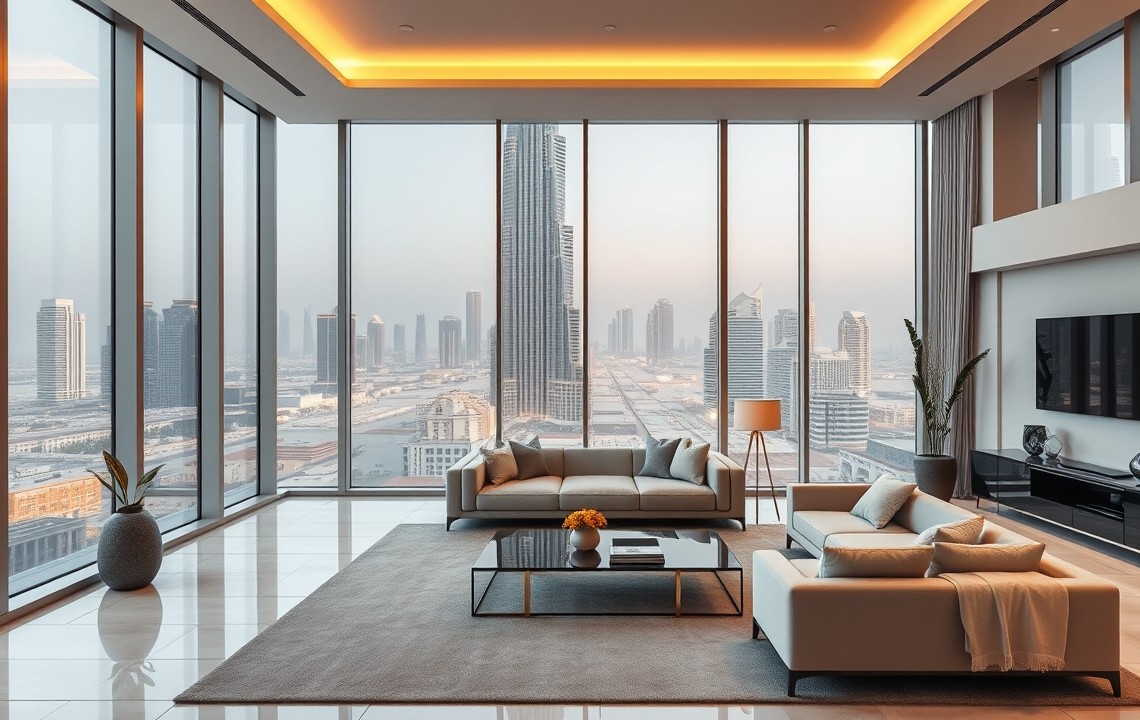
Dubai has transformed into a global hub for tourism and business, leading to a sophisticated hospitality market. In this landscape, two primary contenders dominate the short-term stay sector: serviced apartments and Airbnb (holiday homes). While both provide a residential feel, they operate under different management structures and safety frameworks. To understand which is safer, one must first look at how the Dubai government oversees these entities.
The Dubai Department of Economy and Tourism (DET), formerly known as DTCM, is the primary regulator for all types of lodging. Every Airbnb listing in the city must be registered as a “Holiday Home,” and every serviced apartment must hold a specific hotel-apartment license. This level of oversight is significantly higher than in many European or American cities, where the short-term rental market can sometimes operate in a legal gray area. In Dubai, the strict legal framework provides a foundation of safety for all guests.
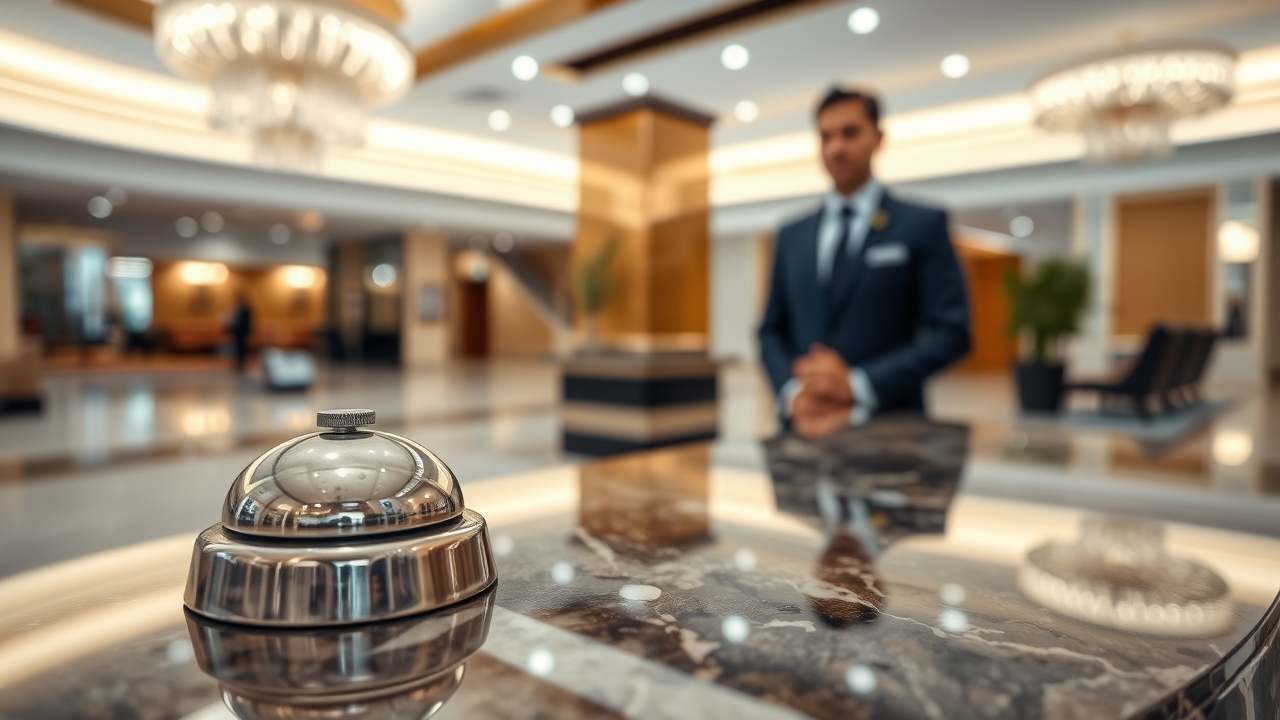
One of the most immediate differences between a serviced apartment and a private Airbnb rental lies in physical security. In Dubai, most residential buildings and hotels are equipped with advanced security measures, but the implementation varies.
Serviced apartments typically operate like hotels. This means there is a manned reception desk, concierge, and dedicated security personnel on-site 24 hours a day. For a traveler, this provides a layer of protection that is hard to replicate in a standard residential building. If an unauthorized individual attempts to enter the premises, the security team is there to intervene. You can learn more about these standards by reviewing our check-list for booking serviced apartments to ensure the property meets high security expectations.
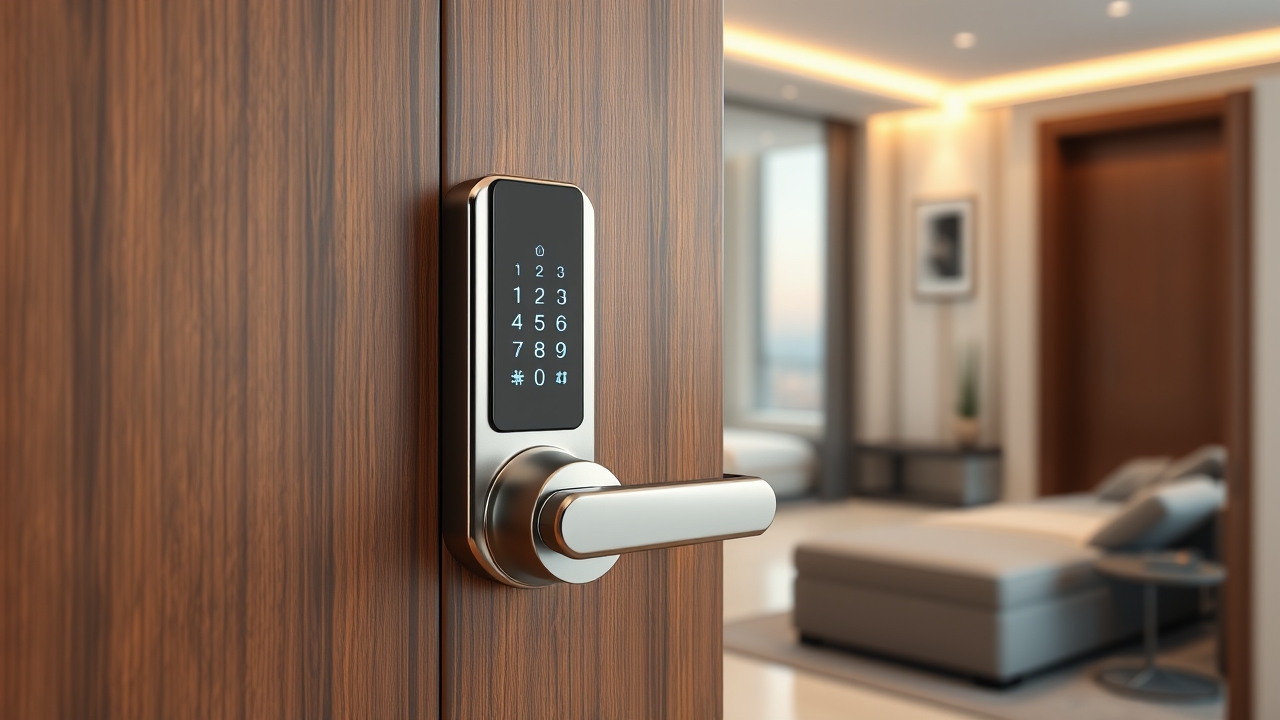
Most modern buildings in Dubai, whether they house Airbnbs or serviced apartments, utilize key card or biometric access for elevators and common areas. However, serviced apartments often have stricter protocols regarding visitor registration. In many Airbnb properties, guests might use a lockbox for self-check-in. While convenient, this can occasionally lead to security vulnerabilities if the lockbox codes are not changed regularly or if the building’s main entrance is less strictly monitored than a dedicated hotel entrance.
Safety is not just about locks and guards; it is also about legal recourse and consumer protection. Dubai’s legal system is very protective of its tourism reputation, which benefits the consumer. According to the Dubai Department of Economy and Tourism (DET), all short-term rental properties must be linked to a licensed operator or a registered homeowner.
Both serviced apartments and Airbnb hosts are required by law to register guest passport details on the DET portal. This is a security measure that allows the local authorities to keep track of who is staying in the city. While it may feel like a bureaucratic hurdle, it ensures that only authorized individuals are occupying residential spaces, contributing to the overall safety of the neighborhood.
Serviced apartments are generally required to carry comprehensive commercial insurance. This covers everything from fire damage to personal injury. For Airbnb rentals, the situation is slightly different. While Airbnb provides its own “AirCover” for hosts, the underlying property insurance might not always cover commercial guest activities unless specifically stated. When travelers evaluate serviced apartments vs hotels or holiday homes, the clarity of insurance coverage is often a deciding factor for risk-averse guests.
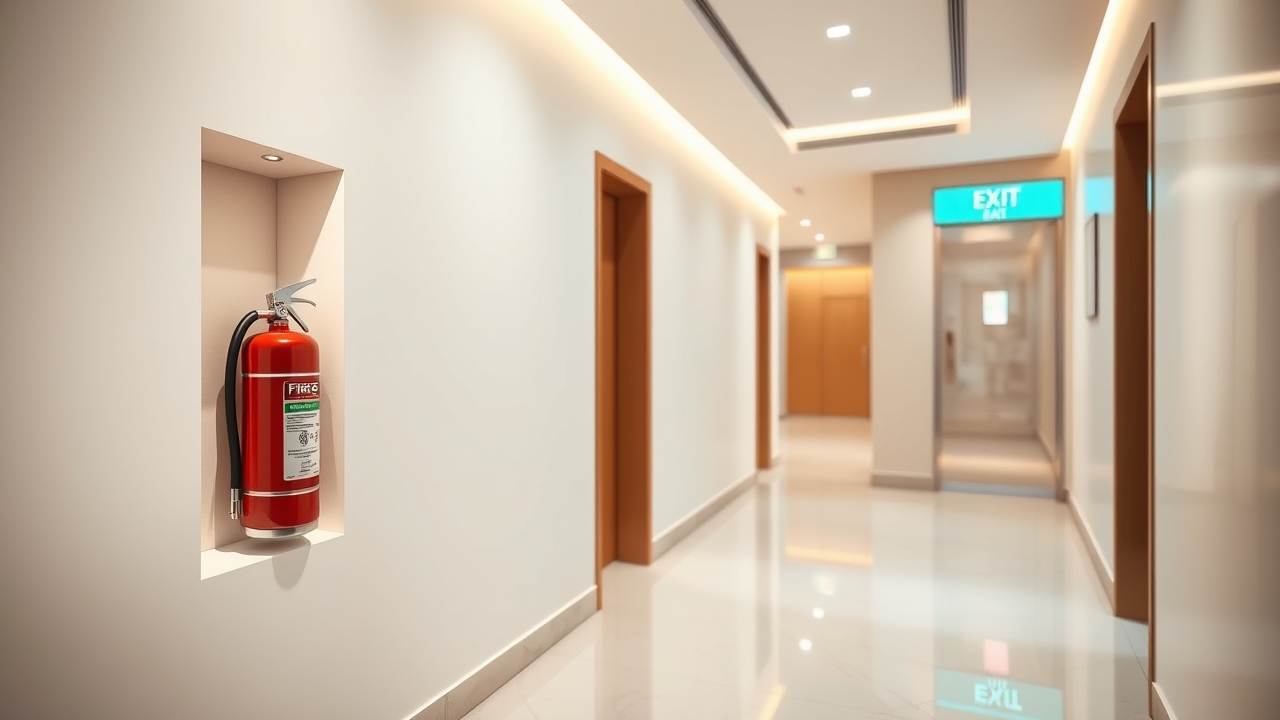
Dubai is known for its impressive skyline, but it is also known for its rigorous fire safety codes, specifically the UAE Fire and Life Safety Code of Practice. Compliance with these codes is mandatory for all buildings, but the maintenance of these systems can differ between a corporate-managed apartment and an individual-owned unit.
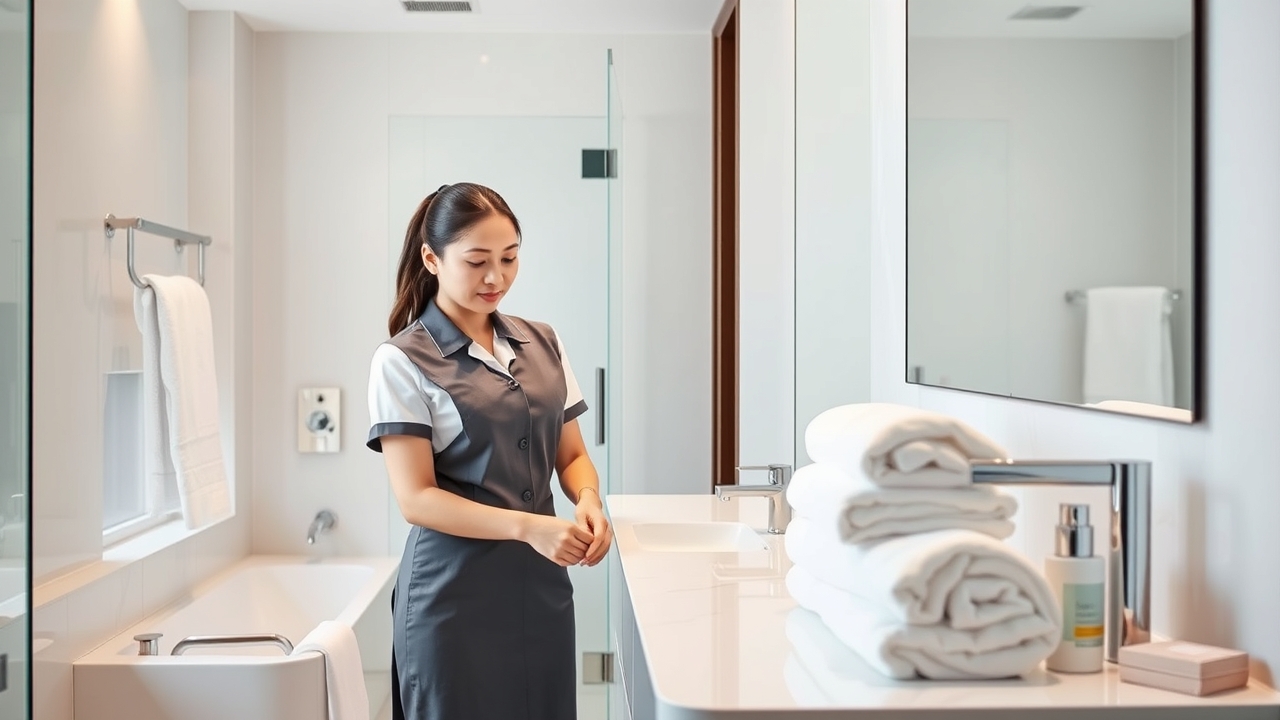
In the post-pandemic era, health safety has become a subset of general travel safety. The level of cleanliness can vary greatly between these two options. Serviced apartments employ professional housekeeping teams trained in hospital-grade sanitation protocols. These teams follow a checklist that ensures every surface is disinfected between guests.
Airbnb properties, on the other hand, rely on the host’s choice of cleaning service. While many hosts hire professional companies, some may choose to manage it themselves or hire independent cleaners. This leads to a lack of standardization. However, many owners in Dubai choose to work with an airbnb management company to ensure their properties meet the high hygiene standards expected in the UAE market.
To help you decide which option aligns better with your safety needs, the following table compares key features of serviced apartments and Airbnb rentals in Dubai.
| Feature | Serviced Apartments | Airbnb (Holiday Homes) | Safety Advantage |
|---|---|---|---|
| On-site Security | 24/7 Professional Guarding | Building Security Only | Serviced Apartments |
| Guest Verification | Passport Scan at Desk | Digital Passport Submission | Equal (Both DET Mandated) |
| Fire Safety | Hotel-Grade Maintenance | Building Standard Compliance | Serviced Apartments |
| Cleaning Protocols | Professional Daily Service | Per-Stay or Weekly Service | Serviced Apartments |
| Emergency Assistance | Instant via Reception | Via Host/App Communication | Serviced Apartments |
| Payment Security | Secure Bank/Hotel Portals | Airbnb Platform Escrow | Equal |
The digital safety of your booking is just as important as physical safety. Scams are a global reality in the travel industry, and Dubai is not immune. However, the centralized systems in the UAE offer significant protection.
When booking a serviced apartment through an official website or a reputable aggregator, the risk of a “ghost listing” is virtually zero. These are established businesses with physical storefronts and corporate registrations. Airbnb also has a robust verification system, but travelers should always look for “Superhosts” or listings with a high number of verified reviews to avoid potential scams. According to Dubai Police, travelers should always use official payment channels and avoid transferring money directly to individuals outside of regulated platforms.
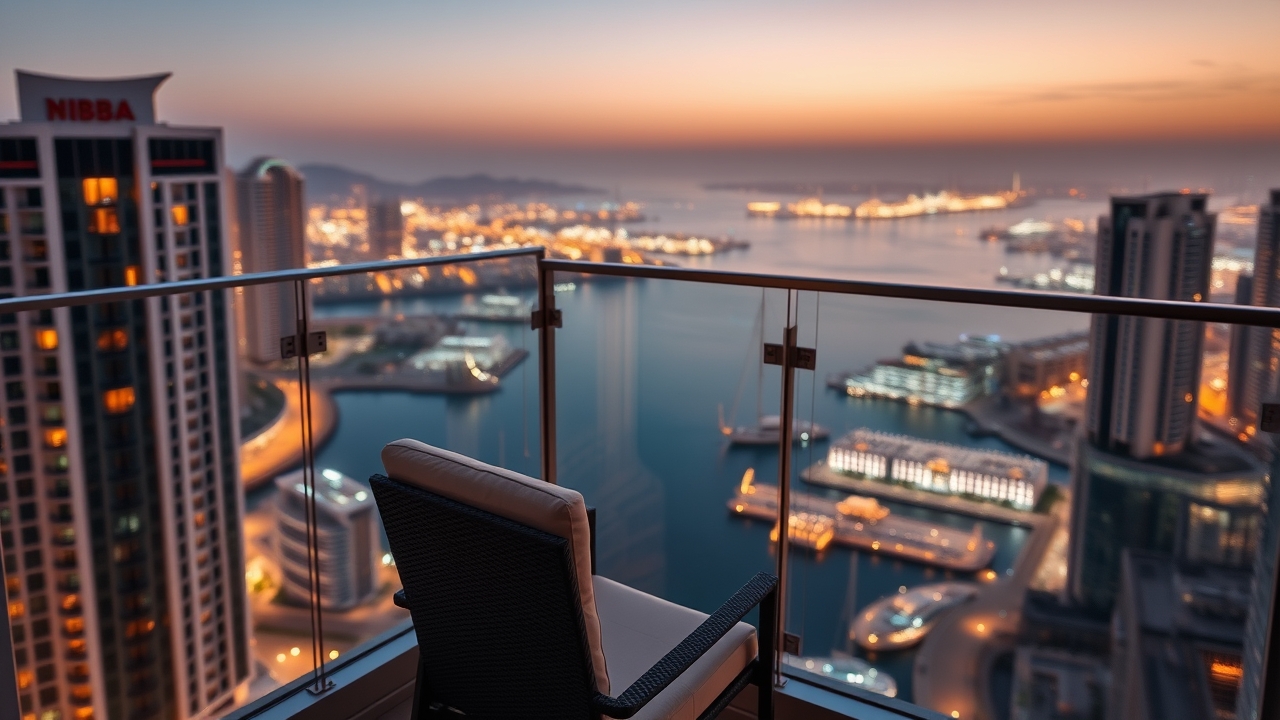
Dubai is consistently ranked as one of the safest cities in the world. Whether you choose an Airbnb in Jumeirah Village Circle (JVC) or a serviced apartment in Downtown Dubai, the risk of street crime is exceptionally low. However, the type of safety you experience can change based on the area.
Regardless of the neighborhood, the presence of smart city technology, including widespread CCTV and rapid response times from emergency services, makes the entire city a secure zone for travelers.
In the event of a technical failure—such as a water leak, electrical fault, or lock malfunction—the speed of resolution is a safety factor. In a serviced apartment, there is usually an on-site maintenance team that can respond within minutes. If your air conditioning fails in the middle of a Dubai summer, this is not just a convenience issue; it is a health and safety issue.
For Airbnb guests, the response time depends entirely on the host’s availability. While many professional management companies offer 24/7 support, individual hosts may not be as responsive. This is why many travelers prefer the reliability of a professionally managed building where a technician is always on standby.
If we define safety by the presence of immediate assistance, standardized fire safety protocols, and 24/7 physical guarding, then serviced apartments hold a slight edge. They are designed for hospitality from the ground up, meaning every square inch of the property is managed with guest safety as the priority.
However, Airbnb rentals in Dubai are by no means “unsafe.” Thanks to the stringent rules set by the DET, an Airbnb in Dubai is likely safer than a similar rental in almost any other major global city. For families who want more space and a kitchen, or for those staying long-term, the safety trade-off is minimal, provided they book through verified channels and choose well-reviewed properties.
Yes, Airbnbs are completely legal in Dubai, provided the host has a permit from the Department of Economy and Tourism. They are considered very safe because they must adhere to specific building and safety codes set by the government.
In a serviced apartment, you can simply call the front desk or use the in-room telephone to reach the 24/7 concierge or security team. They are trained to handle medical emergencies, fire protocols, and security concerns immediately.
Yes, it is a legal requirement in the UAE for all holiday home guests to provide their passport copies to the host. The host must then register these details with the DET. This is a standard security procedure across the country.
Many solo female travelers prefer serviced apartments because of the 24/7 staff presence and the extra layer of security at the entrance. Having a visible team of employees can provide a greater sense of peace of mind than staying in a private apartment.
Airbnb reviews are generally reliable because they can only be left by guests who have actually stayed in the property. However, it is always wise to look for recent reviews and check if the property is managed by a professional company, which often ensures higher safety standards.
Choosing between an Airbnb and a serviced apartment in Dubai ultimately comes down to your personal risk tolerance and the level of service you require. Serviced apartments provide a controlled, hotel-like environment with round-the-clock security and maintenance, making them the gold standard for travel safety. On the other hand, Dubai’s rigorous regulatory environment ensures that Airbnb rentals remain a secure and viable alternative. Whichever you choose, you are staying in one of the most secure cities in the world, where government oversight and modern infrastructure work together to protect every visitor.