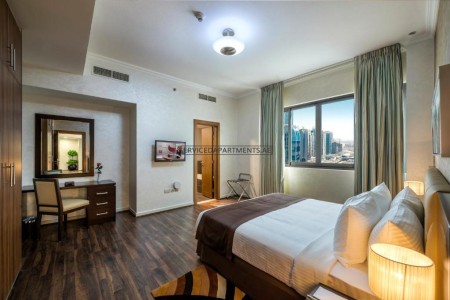

Al Reem Island: The Expat’s Guide to Short-Term Rentals
- September 22, 2026
- Hotel Apartments
A deep-dive guide for expats navigating the 2026 short-term rental market on Al Reem Island, covering the ADGM expansion, tower comparisons, and... Read More
 by Serviced Apartments
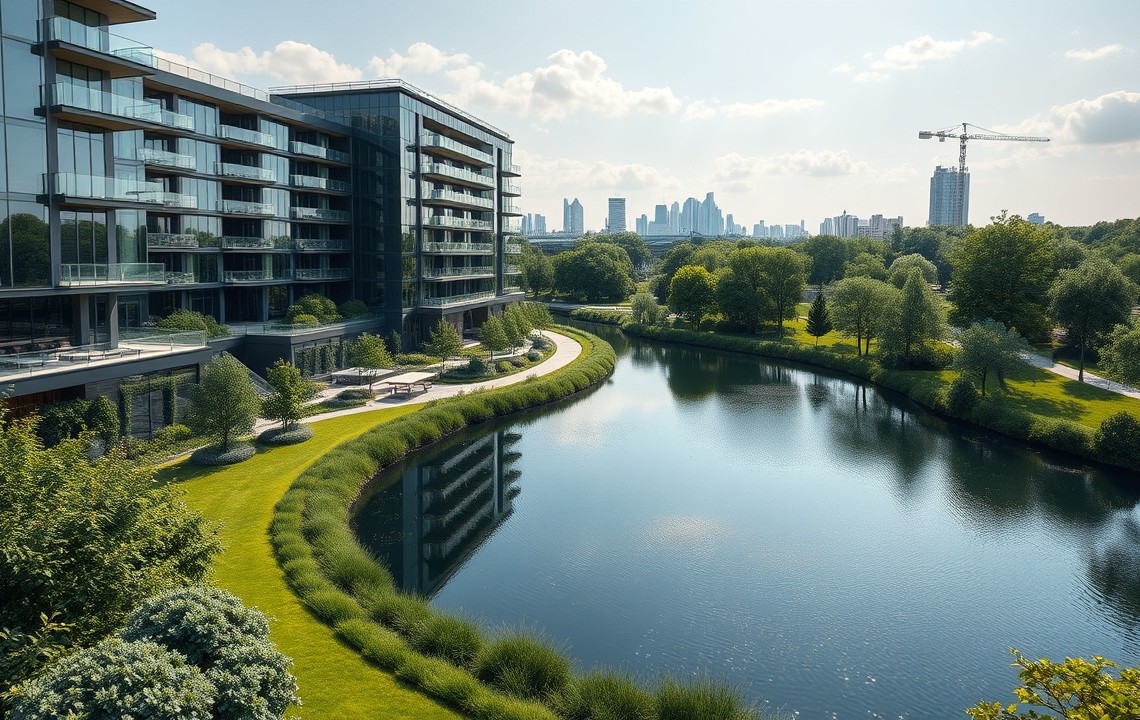
In the modern digital landscape, the search for a new home or investment property rarely begins with a broad city name. Instead, it starts with a lifestyle requirement. Users are not just looking for a roof over their heads; they are looking for a lifestyle that is facilitated by their surroundings. This shift in behavior has made facility-based targeting one of the most effective ways to reach audiences who are further down the sales funnel.
When a user searches for “apartments near King’s College London” or “villas close to Dubai Metro stations,” they are signaling a high level of intent. They have already cleared the hurdle of location preference and are now focused on utility. Understanding this psychology allows real estate professionals to tailor their messaging to solve specific logistical problems for the consumer.
Historically, real estate marketing relied on the mantra of “location, location, location.” While still true, the definition of location has evolved. Today, it is more about accessibility. A property located ten miles away from a city center but next to a high-speed rail link is often more valuable than a property five miles away with no transit access. This is why targeting users based on their need for specific facilities is so vital.
Not all facilities are created equal in the eyes of a searcher. Certain infrastructures carry significantly more weight in the decision-making process. By categorizing these, marketers can create hyper-targeted campaigns.
For families, proximity to top-tier schools is often the single most important factor in a property search. In many regions, being within a specific school catchment area can increase property prices by 10% to 15%. Targeting users searching for these schools allows developers to present relevant housing options immediately.
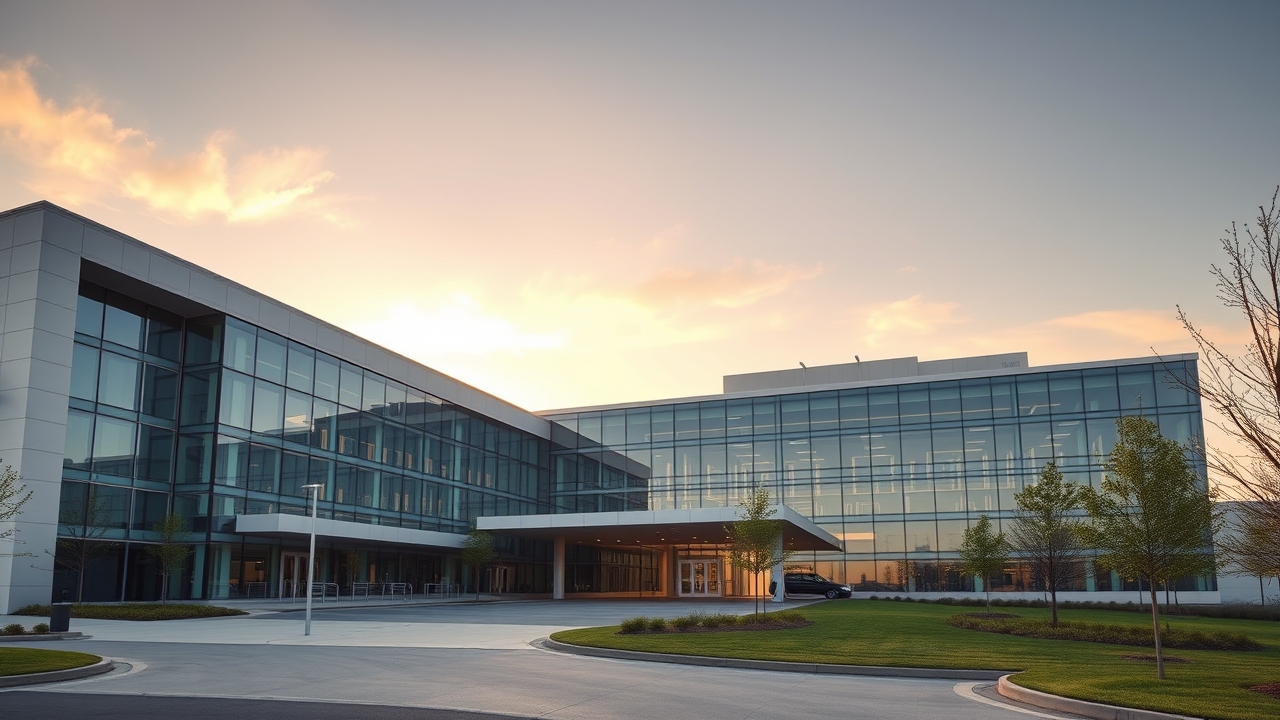
Proximity to hospitals and specialized clinics is a major draw for retirees, healthcare professionals, and families. Large medical hubs also generate thousands of jobs, creating a constant demand for rental properties in the immediate vicinity. According to the Urban Land Institute, the integration of healthcare facilities into residential planning is a growing trend in resilient urban design.
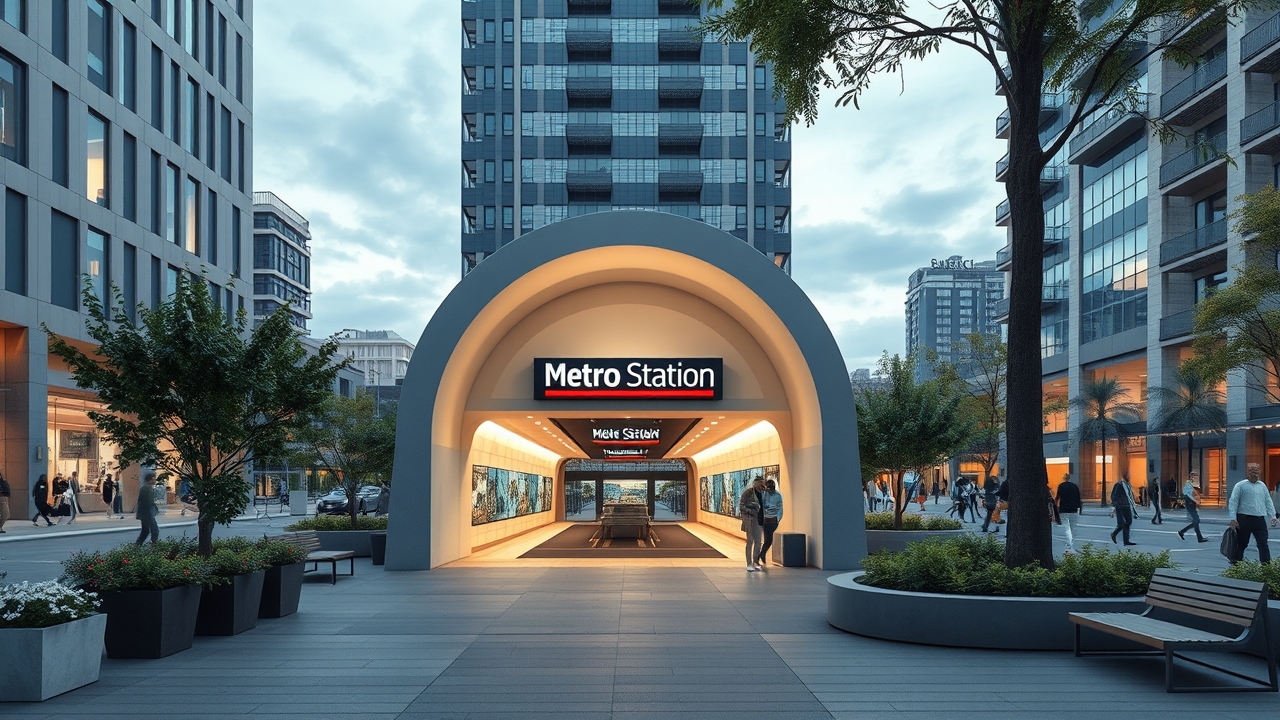
Transit-oriented development (TOD) is a cornerstone of modern urban planning. Users searching for metro stations, international airports, or major highway interchanges are usually looking for convenience and reduced commute times. Real estate projects that highlight their proximity to these hubs often see faster absorption rates.
To successfully execute this strategy, one must go beyond basic keyword research. It requires a multi-layered approach involving SEO, local search optimization, and data analytics.
For real estate firms, optimizing for “near me” searches is essential. If a user searches for “new developments near Central Park,” your project should appear not just in the search results but on the map itself. This is achieved through:
Instead of competing for broad terms like “luxury apartments,” target long-tail phrases such as “luxury apartments within walking distance of Dubai Mall.” These terms have lower search volume but significantly higher conversion rates because they match a specific user requirement.
For those looking for early-entry opportunities in developing areas, exploring offplan properties near planned infrastructure is a proven wealth-building strategy. By identifying where future schools and hospitals will be built, investors can get ahead of the market curve.

Modern marketing tools allow us to visualize where facility-based searches are originating. By using heatmaps and search trend data, companies can identify “demand clusters.” For example, if there is a surge in searches for “private clinics in District 7,” but a lack of residential marketing in that area, there is a clear gap in the market.
GIS technology allows marketers to map out facility locations and overlay them with demographic data. This enables the creation of custom audiences based on their proximity to specific points of interest. You can serve ads to people who frequently visit high-end fitness centers or specific corporate headquarters, ensuring your property message reaches a relevant audience.
The off-plan market relies heavily on the promise of future facilities. When a master developer announces a new community, they sell the vision of the parks, schools, and retail centers that will eventually exist. Targeting users who are searching for existing successful versions of these facilities can help bridge the gap. For instance, someone searching for “living in a walkable community like JBR” might be the perfect target for a new, similar offplan project elsewhere.

One challenge in targeting users based on future facilities is the timeline. Marketers must provide clear, documented evidence of planned infrastructure. Referring to Wikipedia’s definition of Transit-Oriented Development can help explain the long-term value of these investments to potential buyers.
The following table illustrates how different types of facility proximity impact property desirability and typical price premiums in major metropolitan areas.
| Facility Type | Primary Audience | Typical Price Premium | Search Intent Level |
|---|---|---|---|
| Top-Rated Schools | Young Families | 10% – 20% | Very High |
| Metro/Train Station | Commuters / Professionals | 15% – 25% | High |
| Major Retail Malls | Lifestyle Seekers / Tourists | 5% – 12% | Medium |
| Public Parks/Greenery | Pet Owners / Wellness Conscious | 8% – 15% | High |
| Medical Hubs | Seniors / Medical Workers | 5% – 10% | Medium-High |
As the table demonstrates, transportation and education remain the most significant drivers of price premiums. Marketers focusing on these facilities should prioritize their budget accordingly.
To rank for facility-based searches, your website needs to be a resource for the local area. This involves creating landing pages and blog posts that provide value beyond just property listings.
Content such as “The Top 5 Private Schools in Downtown” or “A Guide to Healthcare in District 11” helps capture users at the awareness stage. Once they land on your site to learn about the facility, you can introduce them to your property portfolio. This builds authority and trust.
Incorporate interactive maps on your property pages that allow users to toggle various facilities. Showing the exact walking distance to a metro station or the driving time to the nearest airport provides the concrete data that high-intent searchers crave.

Platforms like Meta and LinkedIn allow for incredible precision in facility-based targeting. You can drop a pin on a specific facility and set a radius as small as one mile. This is particularly effective for:
By tailoring the ad creative to mention the specific facility nearby, you create a sense of relevance that generic ads lack. For example, an ad could read: “Tired of the commute to the Financial Center? Live just 5 minutes away at our newest residence.”
In cities where metro lines are expanding, facility-based targeting becomes a race against time. Investors look for properties that are currently undervalued but sit on the route of a future station. Marketing these properties requires a dual approach: targeting those currently using existing stations and those searching for news on the expansion. If you are interested in how these market shifts can affect your portfolio, you can contact us for a detailed consultation.
While facility-based targeting is powerful, it is not without risks. Marketers must ensure their data is accurate and their messaging is ethical.
Traditional geo-fencing targets a user based on their current physical location. Facility-based targeting is broader and more intent-focused, targeting users based on their search history, interests, and stated needs regarding specific types of infrastructure, regardless of where they are currently located.
Generally, proximity to major employment hubs and transit links provides the highest rental yields. This is because these facilities are essential for the daily lives of a large demographic of renters, ensuring consistent demand and low vacancy rates.
Absolutely. In commercial real estate, targeting is often based on proximity to logistics hubs, ports, fiber-optic internet infrastructure, or complementary businesses. A law firm, for example, would be targeted with properties near the central courts.
Yes, but the facilities change. Instead of focusing on public transit, the focus shifts to private golf clubs, yacht marinas, high-end retail districts, and prestigious private schools.
Targeting users searching for specific facilities is the most effective way to align your real estate offerings with the actual lived experience of your customers. By focusing on the infrastructure that defines a neighborhood—schools, hospitals, and transit—you move beyond selling simple square footage and begin selling a lifestyle of convenience and strategic investment. As urban environments continue to densify, the value of being near essential services will only increase, making this strategy a cornerstone of any successful digital marketing portfolio.