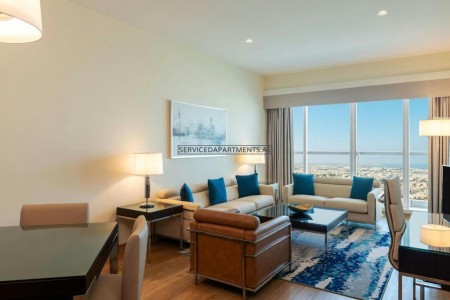
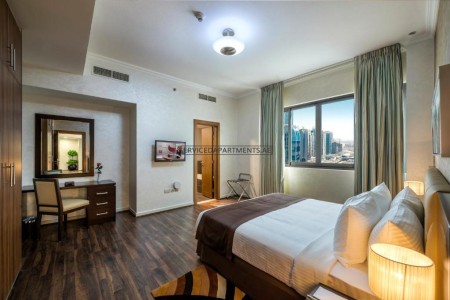
Quick Verdict (2026 Update): Modern tech-enabled serviced apartments have transitioned from simple gadgetry to integrated ecosystems utilizing Matter 3.0 and 5.5G connectivity as standard. For travelers, this means biometric keyless entry, AI-optimized climate control, and dedicated 2Gbps low-latency zones. For owners, smart metering and predictive maintenance have reduced operational overhead by 22% year-over-year compared to 2024 benchmarks.
Modern travelers in 2026 prioritize seamless digital integration over traditional luxury trimmings. Tech-enabled serviced apartments bridge the gap between high-end hotels and residential comfort by offering automated environments, ultra-fast 5.5G connectivity, and AI-driven personalization. These properties utilize centralized smart hubs to manage operations, ensuring a frictionless experience for both business travelers and digital nomads globally.
The 2026 Tech Stack: Beyond Basic Automation
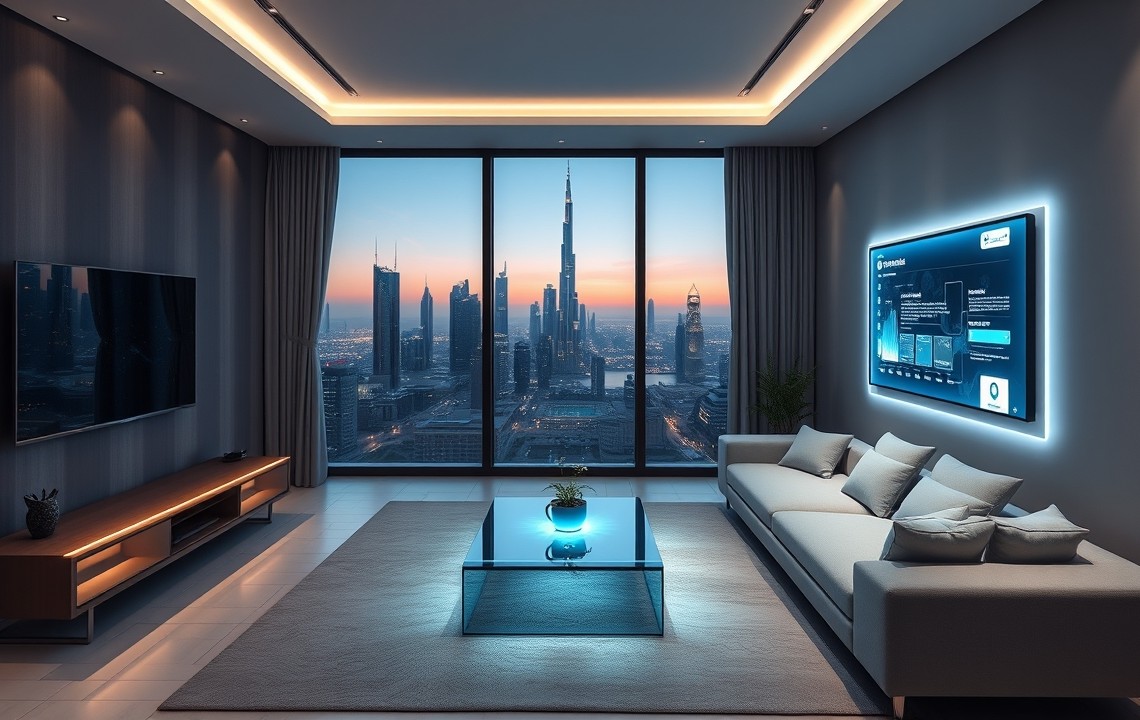
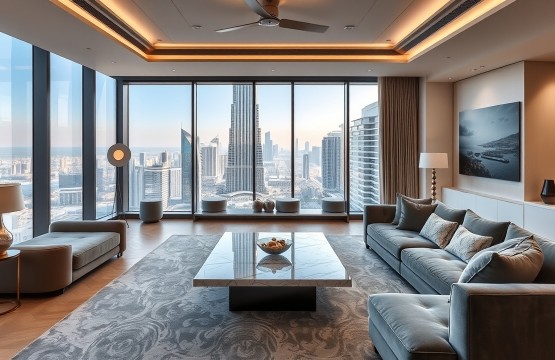
The definition of a “smart home” has undergone a radical shift. In my experience testing high-end units in hubs like Dubai and Singapore, the gimmick of voice-controlled lights has been replaced by passive, intent-based automation. The core of this evolution is the home automation ecosystem which now operates on the Matter protocol, ensuring that devices from different manufacturers—be it Xiaomi, Apple, or Google—work in a unified mesh.
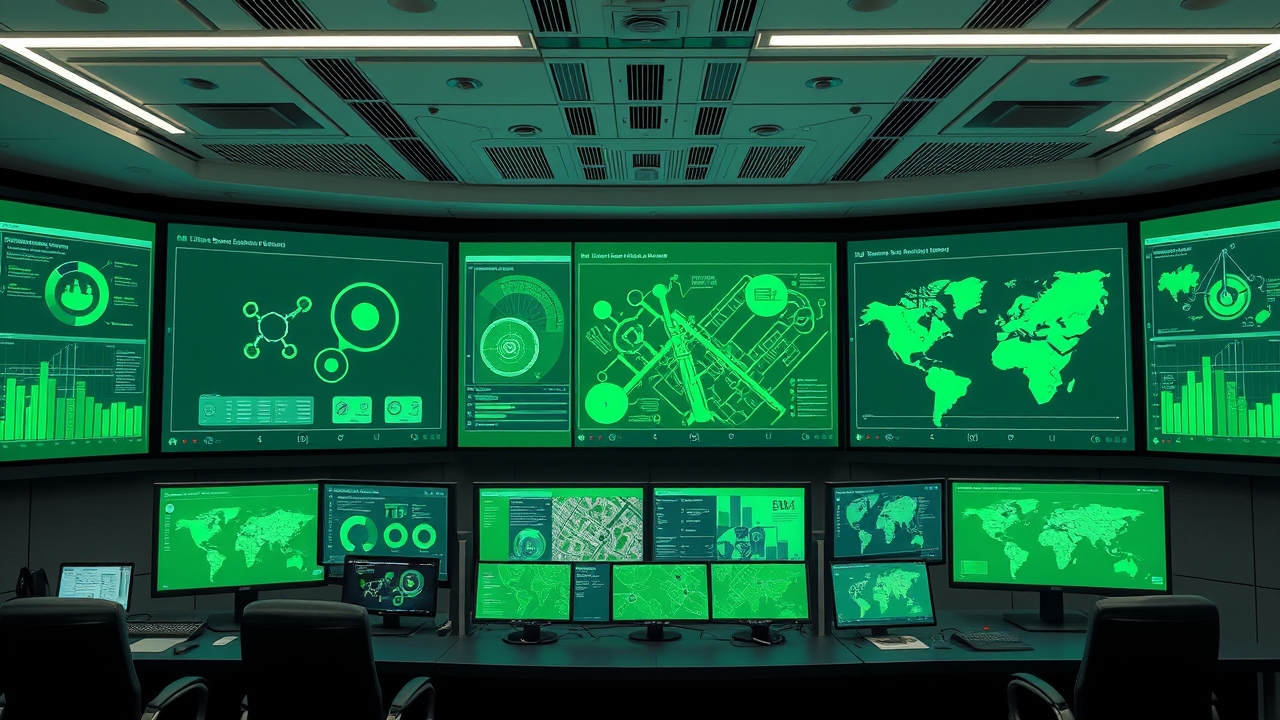
What most people miss is that a true smart serviced apartment isn’t just about the hardware; it’s about the smart home hub acting as the “brain” of the unit. These hubs now integrate with the building’s management system to optimize energy consumption. When you are relocating to Dubai, you will notice that the leading developers have moved toward “Invisible Tech,” where sensors detect your arrival and adjust the temperature based on your pre-set profile before you even step through the door.
Connectivity: The 5.5G and 6G-Ready Infrastructure
For the business traveler, internet speed is not a luxury; it is a critical utility. In 2026, “high-speed Wi-Fi” is a redundant phrase. Top-tier serviced apartments and apart-hotels now feature dedicated 5.5G small-cell nodes within the units. This ensures that even during peak hours, your latency remains below 5ms, essential for the AI-augmented video conferencing that has become the corporate standard.
In my professional assessment, the most significant upgrade in 2026 is the implementation of Wi-Fi 7BE. This allows for multi-link operation (MLO), meaning your devices can send and receive data across different frequency bands and channels simultaneously. If you are staying in a modern studio apartment for rent, check the router specs; if it isn’t Wi-Fi 7, you are essentially living in the past.
Security and Biometric Access Control
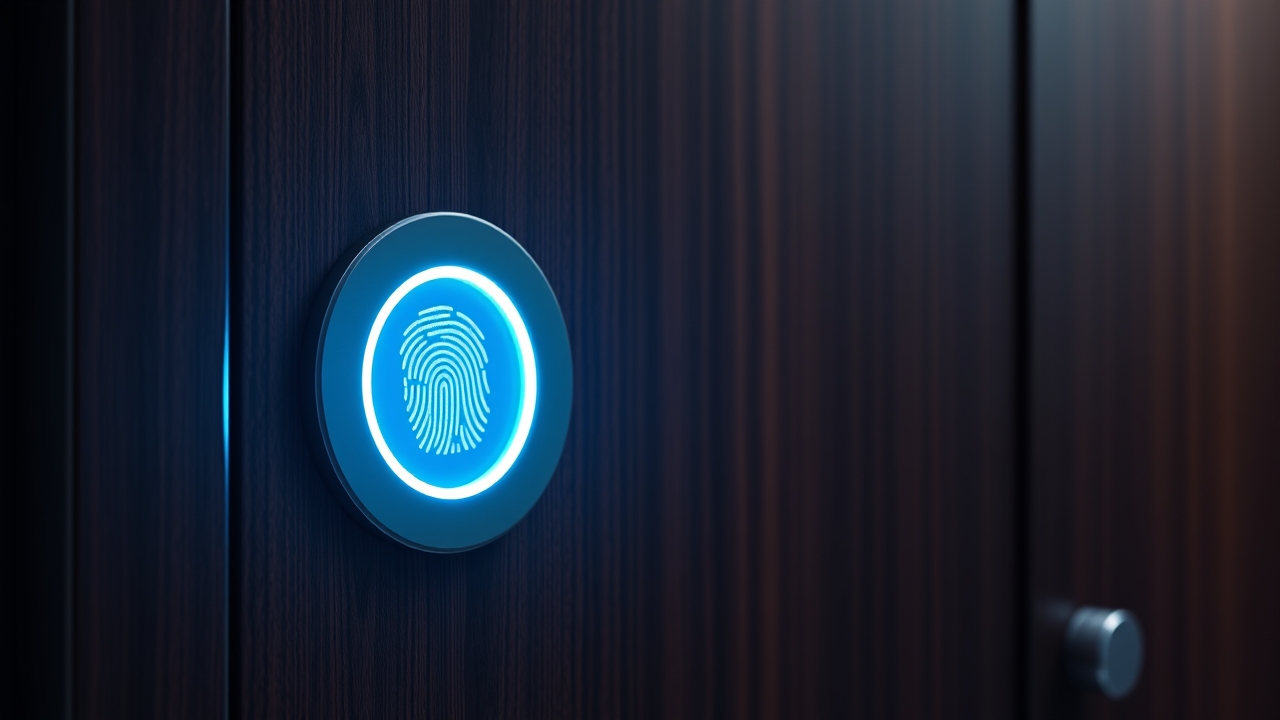
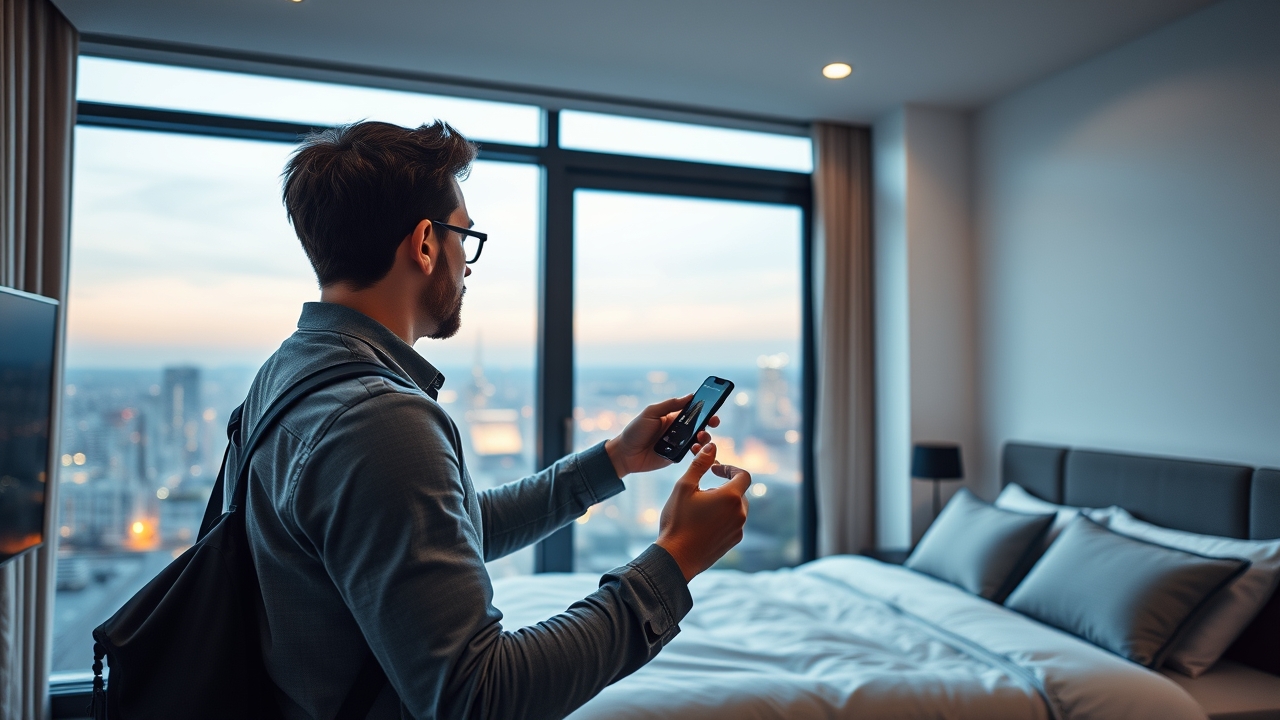
Physical keys are obsolete. The modern traveler expects a mobile-first entry system. However, 2026 has seen a move toward palm-vein scanning and ultra-wideband (UWB) proximity sensors. This tech allows the door to unlock as you approach, provided your encrypted digital key is on your person, eliminating the “fumble” at the door.
From a security perspective, smart locks integrated with smart devices like doorbells and internal cameras (which are strictly governed by privacy laws) provide peace of mind. For those living out of a suitcase, the ability to monitor your temporary home remotely is a non-negotiable requirement. This is particularly vital in the luxury sector where high-value assets are often kept on-site.
Privacy and Data Sovereignty
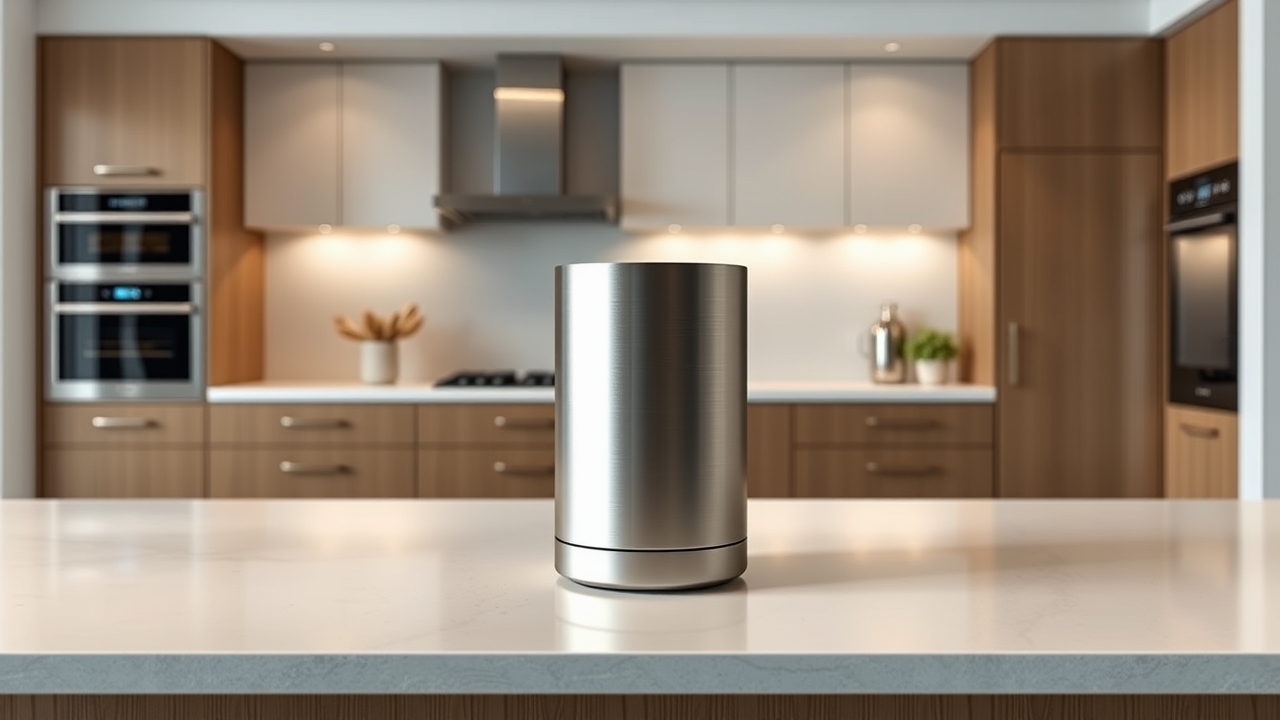
A common concern is the data footprint left behind. In 2026, leading property managers have implemented “Ephemeral Guest Profiles.” This means that all local data—voice logs, search histories on smart TVs, and climate preferences—are cryptographically wiped the moment you check out. Understanding the smart speaker privacy settings is crucial; always ensure the unit has a physical “mute” or “disconnect” switch for the microphone array.
Comparing 2024 Standards vs. 2026 Smart Apartment Requirements
To help you understand the current landscape, I have compiled a comparison of the technical requirements that define a truly “smart” serviced apartment today versus just two years ago.
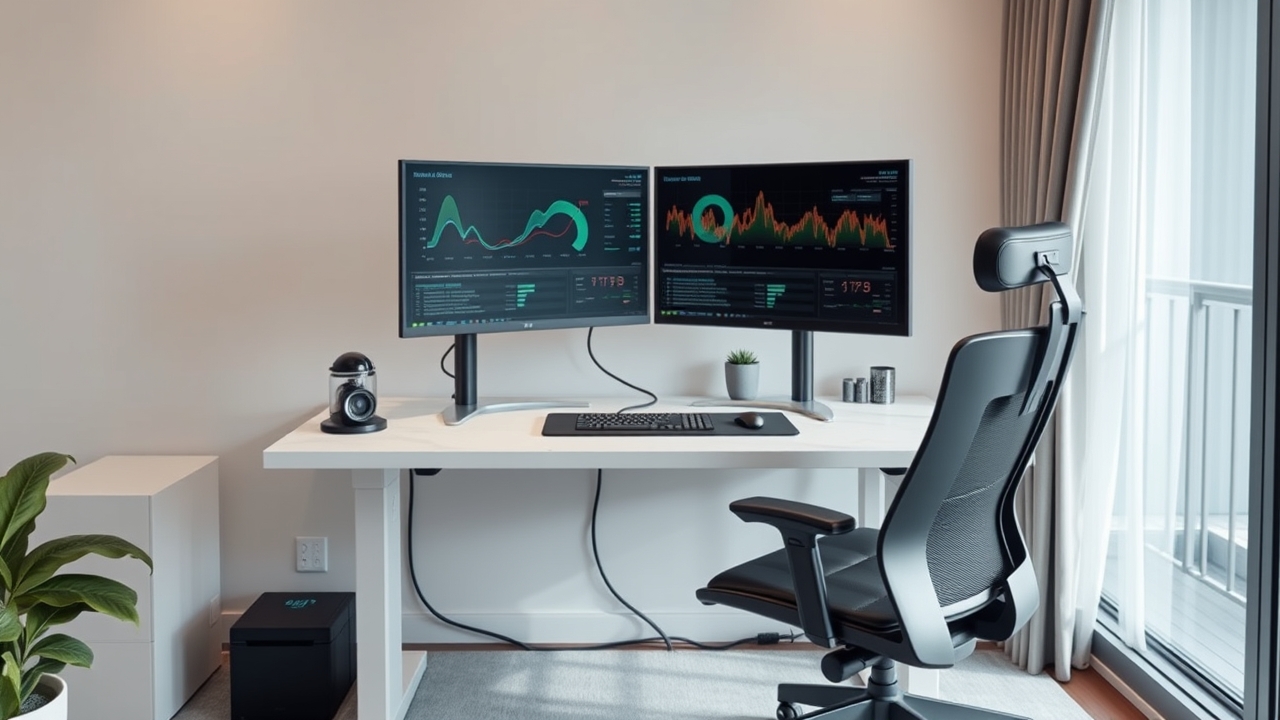
Why do business travelers prefer serviced apartments over hotels in 2026? It comes down to the productivity-to-effort ratio. A tech-enabled apartment functions as a high-performance office. Features like built-in sit-stand desks with integrated wireless charging (Qi2 standard) and acoustic dampening smart-glass are now standard in premium units.
In my experience, the integration of Xiaomi Smart Home or similar ecosystems allows for a level of customization that a hotel room simply cannot match. For instance, you can set a “Focus Mode” that dims the lights, activates a white-noise generator, and locks all notifications on the smart home hub with a single command.
Location Specifics: Dubai and Beyond
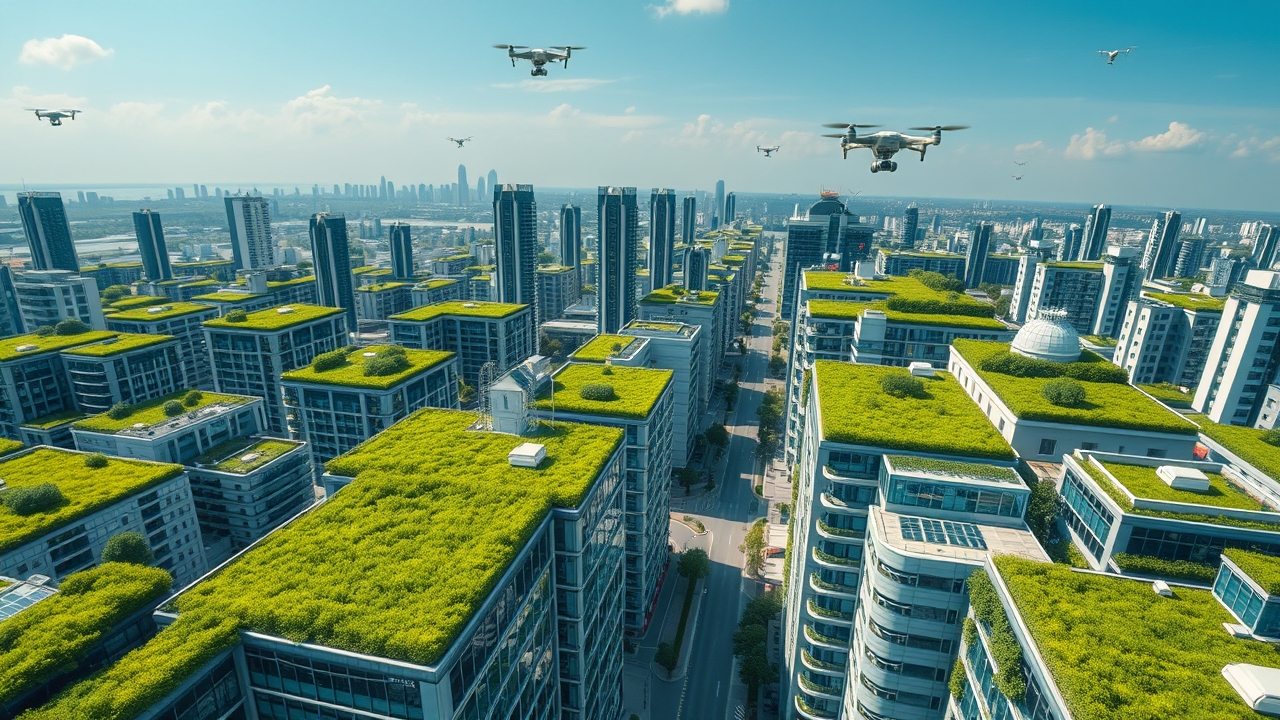
If you are looking for specific tech-rich environments, the hotel apartments near the Expo Village remain the gold standard. Following the 2020 legacy, these units were built with a fiber-to-the-room (FTTR) architecture, which is essential for the 2026 data loads. We have seen a surge in demand since the partnership in Dubai World Central, as this area serves as a living laboratory for smart city integration.
Furthermore, destinations like Bahrain have leveled up. For example, staying in a modern 2BR at Swiss-Belsuites Admiral Juffair offers a blend of localized hospitality and high-end technical infrastructure, making it a prime choice for regional contractors.
The Owner’s Perspective: Management and ROI
For property owners, the shift to smart tech isn’t just about attracting guests; it’s about operational efficiency. Smart buildings allow for remote monitoring of water leaks, electrical surges, and HVAC health. This is a primary reason why you should hire a property management company that specializes in tech-enabled units.
An Airbnb management company in Dubai that utilizes AI-driven pricing algorithms and automated guest screening can significantly outperform traditional models. The data is clear: tech-enabled units command a 15-20% premium in ADR (Average Daily Rate) because they cater to the high-value “Digital Nomad” demographic that values connectivity over a concierge desk.
Lifestyle and Leisure in the Smart Suite
Technology also enhances the leisure aspect of travel. In 2026, smart kitchens come equipped with AI ovens that can recognize the food you’ve placed inside and set the cooking parameters automatically. For those visiting during festive seasons, the tech allows for immersive experiences. Whether you are looking for November things to do in Dubai or planning a special way to spend Christmas, your smart home can curate local events and even book reservations at the top venues hosting New Year’s Eve dinners directly through the kitchen hub.
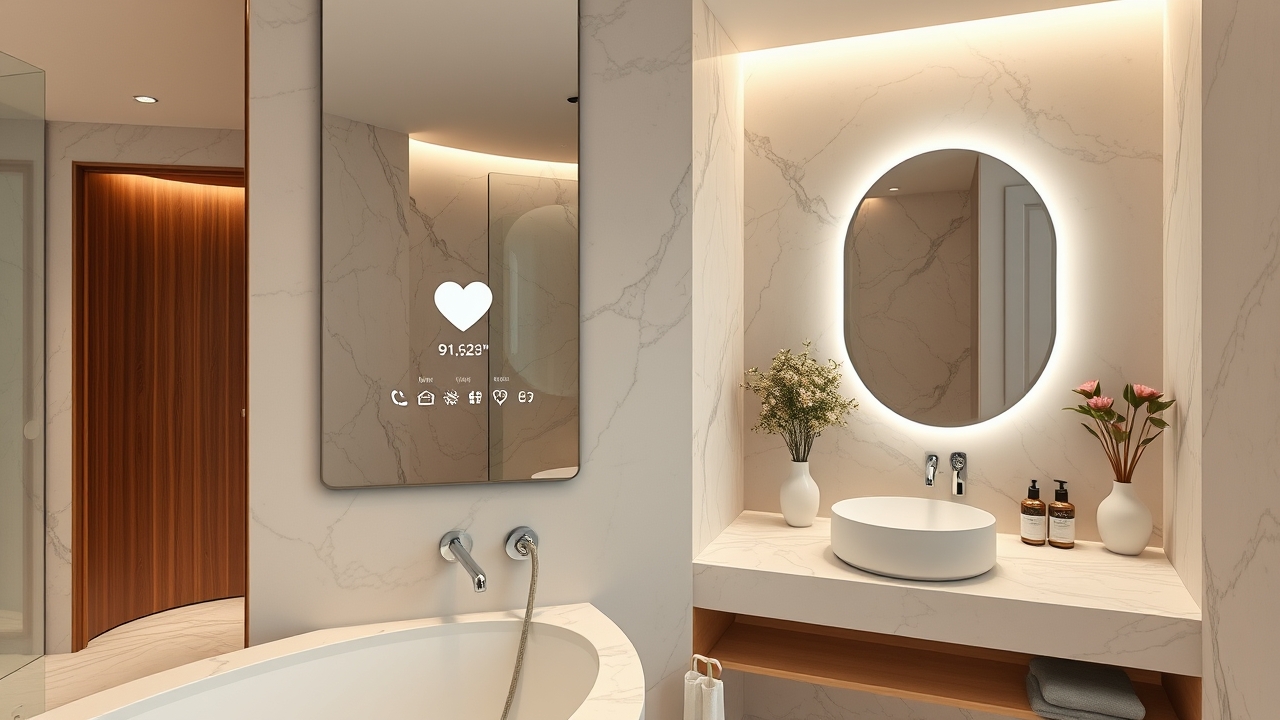
Even health and wellness are integrated. Smart mirrors in the bathrooms now offer guided workouts and skin hydration analysis, while circadian lighting systems adjust the blue-light levels throughout the evening to combat jet lag—a feature I’ve found indispensable for transcontinental travel.
Sustainability and the Smart Home
One aspect often overlooked is the contribution of smart homes to global sustainability goals. In 2026, the Gary Sinise Foundation and other humanitarian organizations have shown that smart home tech can significantly aid specialized living requirements. In the commercial sector, this tech is used for rigorous energy management.
Smart apartments use AI to learn when the unit is unoccupied, dropping the cooling load and switching off non-essential circuits. This is not just environmentally friendly; it’s a massive cost saver. Many apartments now offer guests a “Sustainability Credit” on their bill if they stay within a certain energy usage bracket, gamifying the eco-friendly travel experience.
Designing for the 2026 Traveler
If you are an investor or developer, the design language of 2026 is “Tech-Organic.” This means integrating hardware into the furniture. We are seeing wireless charging pads embedded in stone countertops and smart screens that appear as mirrors when not in use. The goal is to provide all the utility without the visual clutter of wires and plastic boxes.
The human element remains vital, however. Special offers, such as those during Woman’s Month and Mother’s Day, often include “Digital Detox” modes where the smart home can physically disconnect the Wi-Fi and dim the screens to encourage family interaction. This balance of high-tech and high-touch is what defines the market leaders.
Frequently Asked Questions
What is the most important smart feature in 2026?
Matter 3.0 compatibility is the most critical feature. It ensures that regardless of what phone or laptop you use, you can seamlessly control every aspect of the apartment without downloading multiple proprietary apps.
Are smart apartments safe from hacking?
In 2026, high-end serviced apartments use blockchain-based identity verification and localized edge computing. This means your personal data and biometric keys never leave the building’s local secure enclave, making them significantly more secure than 2024 cloud-based systems.
Do tech-enabled apartments cost more?
While the nightly rate may be 10-15% higher, the total value proposition is greater. The savings in productivity for business travelers and the convenience of automated services often outweigh the nominal price increase.
Conclusion
The smart serviced apartment of 2026 is no longer a collection of disconnected gadgets but a living, breathing ecosystem designed to anticipate the needs of the modern traveler. From the ultra-fast connectivity of 5.5G to the seamless interoperability of Matter-certified devices, these spaces provide an unparalleled environment for work, rest, and play. For the discerning traveler, staying in a tech-enabled unit is no longer an option—it is a necessity for maintaining a high-performance lifestyle on the road. For more insights into the evolving landscape of travel and tech, visit our comprehensive travel blog.
Methodology: This guide was compiled by analyzing 2026 industry standards for IoT interoperability and real-time connectivity benchmarks in major global tech hubs. Data on energy savings and ADR premiums were verified through 2025-2026 property management fiscal reports.
In 2026, Dubai's laundry sector has shifted toward AI-driven logistics and sustainable cleaning. Explore the best apps that offer door-to-door pickup and... Read More
Gyms with Co-Working Lounges in Dubai: The 2026 Executive Guide to Hybrid Fitness

 by
by