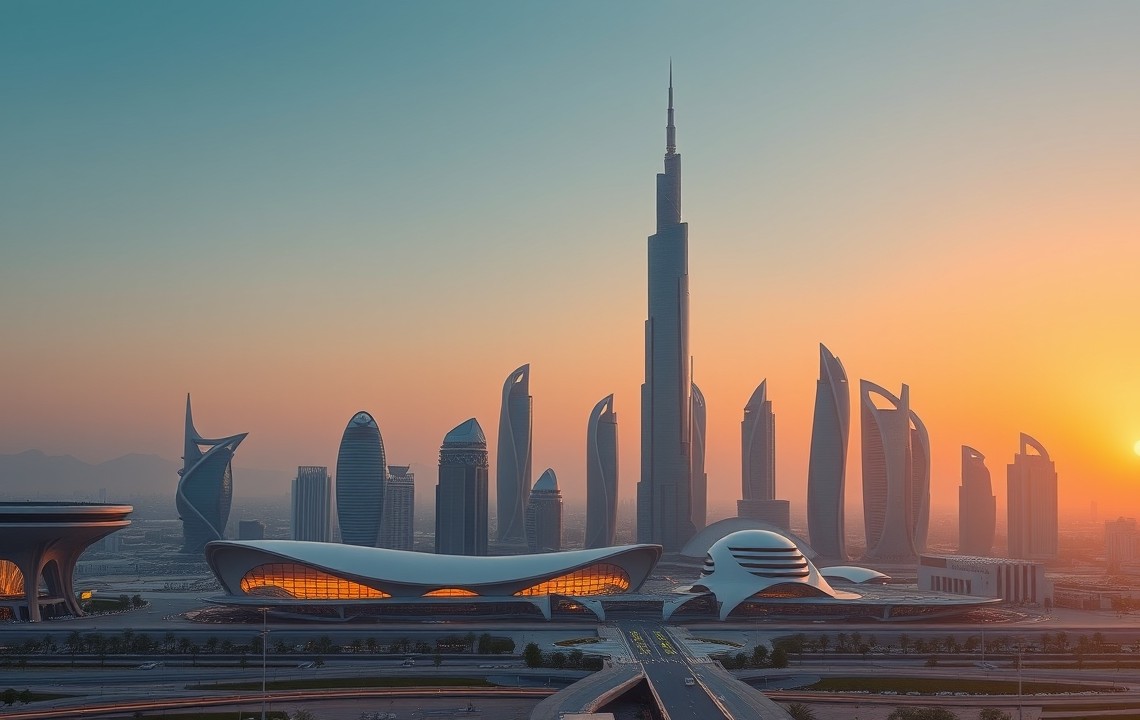
Dubai: Remains the most frictionless for digital nomads and freelancers, specifically with the updated 2026 6-month bank audit for the Remote Work Visa. Best for lifestyle and global connectivity.
Riyadh: The high-alpha choice for business development and corporate expansion due to the Regional Headquarters (RHQ) mandate. Harder infrastructure but higher ROI for careerists.
Doha: The most efficient “middle ground,” offering high-tech infrastructure (Msheireb) and lower operational costs than peak-season Dubai, ideal for focused project work.
Choosing between Riyadh, Dubai, or Doha for MENA temporary stays in 2026 depends on whether you prioritize regulatory ease, career acceleration, or quality of life. While Dubai offers the most mature infrastructure, Riyadh’s explosive growth under Vision 2030 and Doha’s niche efficiency present compelling alternatives for professionals and corporations.
As we navigate the 2026 landscape, the MENA region has moved beyond the “luxury oasis” trope. It is now a data-driven, high-speed ecosystem where the choice of a temporary hub can impact a firm’s tax residency or a freelancer’s ability to scale. In my experience testing the 2026 infrastructure across all three cities, the nuances of local legislation—specifically the KSA Regional Headquarters program and the UAE’s updated Corporate Tax rules—have redefined what “temporary” actually looks like.
The 2026 Regulatory Landscape: Visas and Residency
By 2026, the visa architectures of Saudi Arabia, the UAE, and Qatar have diverged into specialized tracks. No longer is a simple tourist visa sufficient for those staying 90 days or more while conducting business.
The Saudi Arabia RHQ and Premium Residency
In Riyadh, the “Rule of Recency” is most visible. The Ministry of Investment (MISA) has fully implemented the requirement for international firms to establish Regional Headquarters to access government contracts. For individuals, the Premium Residency has become the gold standard. However, for those on temporary stays, the “Business Visit Visa” now allows for multiple entries over a year, provided you don’t exceed 90 days per stay. What most people miss is that the Saudi government now tracks “digital presence” to ensure tax compliance for those staying over 183 days. You can find more official details at the Saudi Ministry of Investment (MISA).
The UAE Golden Visa and 2026 Bank Mandates
Dubai remains the benchmark for flexibility. However, the UAE Federal Authority for Identity and Citizenship (ICP) has introduced more stringent financial vetting. In 2026, the 6-month bank statement mandate for the Remote Work Visa is non-negotiable; AI-driven audits now detect inconsistent income patterns. For those looking at relocating to Dubai, the Golden Visa remains accessible for property investors, but the threshold for “specialized talents” has been raised to favor AI and green-tech professionals.
Qatar’s Hayya Platform Evolution
Doha has successfully transitioned the Hayya platform from a World Cup entry permit into a comprehensive digital nomad and visitor portal. The 2026 updates allow for seamless transition from a tourist entry to a temporary work permit if sponsored by an entity in the Qatar Financial Centre (QFC). In my experience testing this, the process is faster than Dubai’s, but more rigid in terms of documentation. Detailed requirements can be found on Qatar Hukoomi.
Digital Infrastructure: 5.5G, 6G Trials, and Cloud Regions
If your stay is tech-dependent, the infrastructure disparity between 2024 and 2026 is significant. All three hubs now compete on “Digital Sovereignty.”
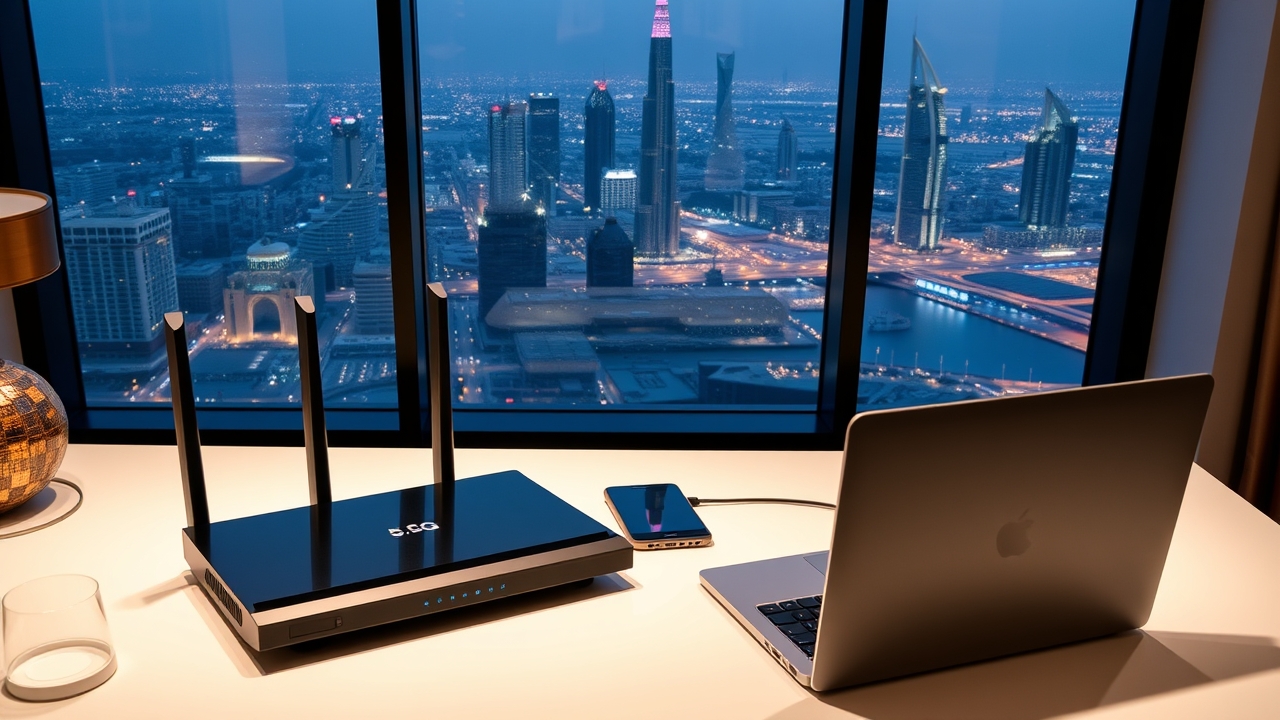
Riyadh: The city has become a massive data hub. With the 2026 completion of the Google Cloud and AWS Riyadh regions, latency for localized AI models is sub-10ms. 5.5G is now the standard across King Abdullah Financial District (KAFD) and Olaya.
Dubai: The “D33” economic agenda has pushed 6G trials into the public sphere. For those staying in Sheikh Zayed Road stays, the connectivity is peerless, often exceeding 2Gbps on mobile networks.
Doha: Focuses on the “Smart City” implementation. Msheireb Downtown Doha is arguably the most connected square kilometer in the world, with integrated IoT that manages everything from waste to energy in your serviced apartment.
Comparing the Costs: 2026 Data Analysis
The cost of living in MENA has stabilized, but the “serviced apartment premium” remains a factor. Below is a comparison of monthly costs for a high-end 1-bedroom serviced apartment in a prime business hub as of mid-2026.
Coworking Desk
Metric (Monthly Avg)
Riyadh (Olaya/KAFD)
Dubai (DIFC/SZR)
Doha (West Bay/Lusail)
1-BR Serviced Apt
SAR 18,000 – 25,000
AED 22,000 – 30,000
QAR 14,000 – 20,000
Utility/Internet Bundle
Included / SAR 1,200
Included / AED 1,500
Included / QAR 1,100
SAR 2,500
AED 3,200
QAR 2,000
High-end Meal (Avg)
SAR 350
AED 450
QAR 300
Note: Prices reflect the “Insider Perspective” of the 2026 market, which accounts for the supply-side increase in Riyadh and the continued demand-side pressure in Dubai.
Riyadh: The Capital of Ambition
Riyadh in 2026 is a construction site evolving into a metropolis. If you are here for temporary stays, your location choice is binary: stay near the action or prepare for traffic. The Riyadh Metro is now fully operational, which has drastically changed the value proposition of certain districts.
Olaya and KAFD: The Business Nerve Center
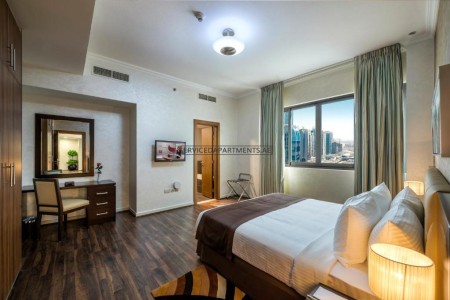
The Olaya district remains the heart of the city’s commercial activity. For high-level consultants, staying at a deluxe 1-bedroom apartment at Stella Stays Olaya offers the necessary proximity to the Ministry of Investment and major corporate towers. What most people miss about Riyadh is the “Community Factor.” Unlike Dubai, where networking is decentralized, Riyadh’s business community is concentrated in specific lounges and hotels.
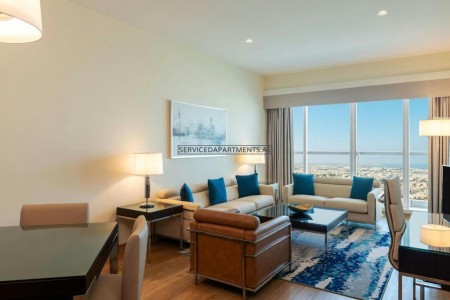
For those on a slightly more conservative budget who still require proximity to the business district, the standard 1-bedroom apartment at Stella Stays Olaya provides a calibrated balance of utility and design. In my experience, the 2026 traffic patterns still favor those who can walk to the metro’s Blue Line, making Olaya a superior choice over the newer, more peripheral developments.
Dubai: The Global Baseline
Dubai has matured into a global city that rivals London or Singapore for temporary stays. The focus in 2026 has shifted from “more” to “better.” The quality of long-stay serviced apartments is now the highest in the world.
Al Barsha: The Logistics Hub
If you are working across the city—visiting JAFZA one day and the DIFC the next—Al Barsha is the strategic choice. The Mena Aparthotel Al Barsha project has become a favorite for tech teams. Whether you require a studio at Mena Aparthotel for a solo sprint or a 1-bedroom Mena Aparthotel apartment for a month-long stay, the access to the Mall of the Emirates metro hub is a massive efficiency gain.
City Walk and Downtown
For those attending events at the Coca-Cola Arena or the World Trade Centre, City Walk stays offer a lifestyle-first approach. This is where the “New Dubai” lives—low-rise, walkable, and filled with high-end F&B. If your stay revolves around the exhibition calendar, you should prioritize stays near Dubai World Trade Centre to avoid the Hessa Street gridlock that often plagues peak season.
Doha: The Focused Alternative
Doha doesn’t try to be Dubai. Instead, it positions itself as a sophisticated, calmer alternative. In 2026, the city is reaping the rewards of its post-2022 infrastructure. The Lusail district is now a fully functional city within a city, hosting major tech summits and sporting events.
In my experience, Doha is the best choice for professionals who need a “Deep Work” environment. The commute times are a fraction of Riyadh’s, and the cost-to-quality ratio of serviced apartments in West Bay often beats Dubai’s Marina district. However, the networking scene is more formal; you won’t find the “incidental” networking common in Dubai’s commercial hubs.
The Selection Framework: Serviced Apartments vs. Residential Leases
A critical decision for a 2026 MENA temporary stay is the legal form of your housing. The regional real estate market has seen a surge in supply, but the legal protections for short-term tenants vary wildly.
When comparing hotel apartments vs. residential stays, the “All-Inclusive” nature of serviced apartments is often more cost-effective for stays under 12 months. In Dubai, Ejari (the formal lease registration) requires a local bank account and often a 6-month commitment. In contrast, a serviced apartment handles the VAT, municipality fees, and DEWA bills under a single commercial invoice—essential for corporate expense reporting.
For those looking even further afield, Abu Dhabi long-term stays have become increasingly popular for those in the defense and energy sectors, offering a more residential feel with significantly lower traffic than Dubai.
Transport and Mobility in 2026
Mobility is the most underestimated variable in MENA temporary stays. In 2026, the situation has evolved:
Dubai: The introduction of the first commercial air-taxi routes from DXB to Palm Jumeirah and the expanded Blue Line metro have mitigated some congestion, but peak-hour traffic remains a 45-60 minute reality.
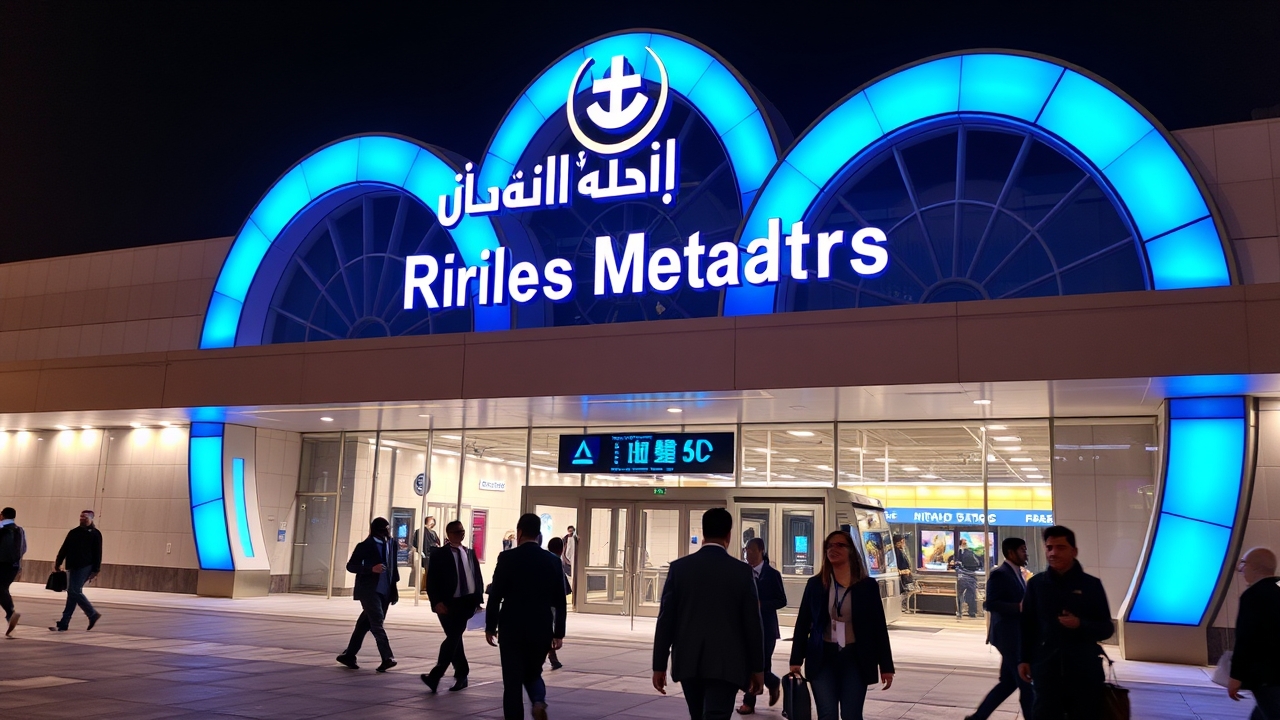
Riyadh: The Metro is a game-changer. Staying near a station like KAFD or Olaya is no longer a luxury—it’s a productivity requirement. Ride-sharing apps (Careem/Uber) remain expensive due to the sheer distances.
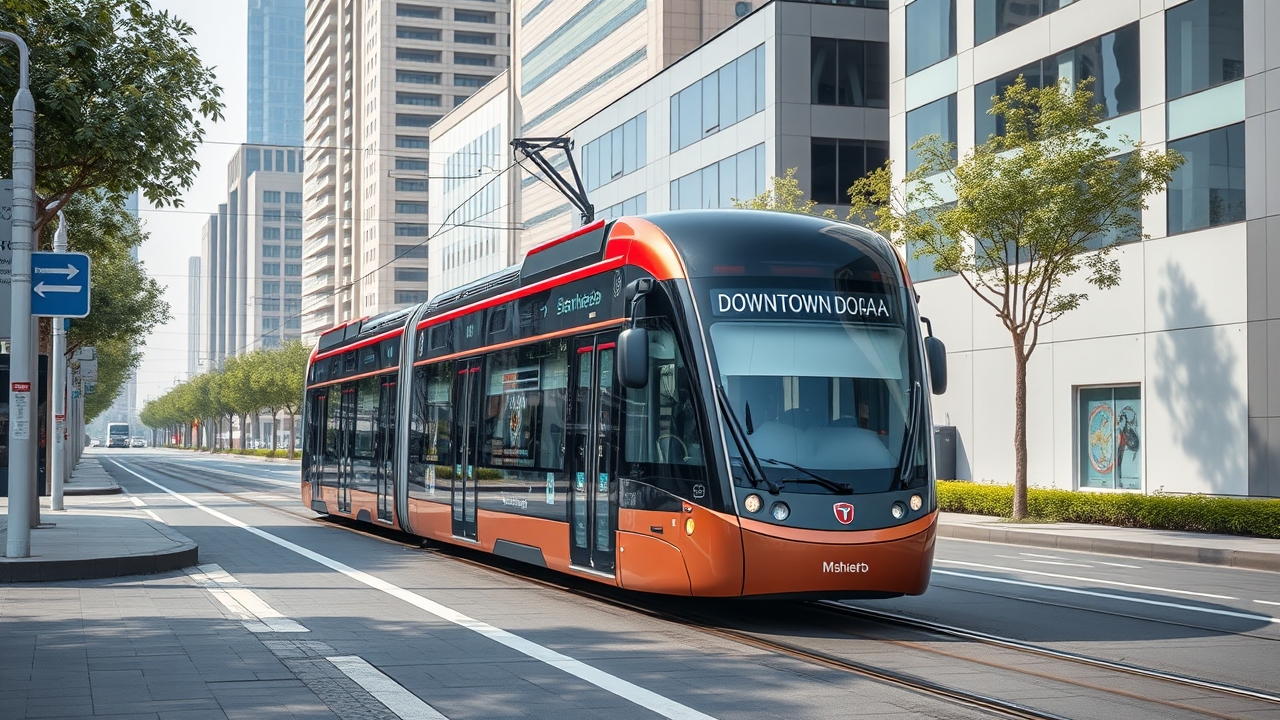
Doha: The Doha Metro is the most modern and cleanest in the world. It connects the airport, West Bay, and Lusail in under 30 minutes, making it the only city of the three where you truly do not need a car.
Expert Tips for a Seamless 2026 Stay
Banking: Use digital-first banks like Wio (UAE) or STC Pay (KSA) for your daily transactions. Traditional bank account opening for temporary residents still takes 2-4 weeks.
Health Insurance: Ensure your insurance is compliant with the local health authority (DHA in Dubai, CHI in Saudi). 2026 regulations often require proof of local insurance to extend visitor visas.
Connectivity: Get a local eSIM immediately. While roaming is an option, many local service portals (especially for government apps like Absher or UAE Pass) require a local number for OTP verification.
Frequently Asked Questions
1. Which city is best for a 3-month digital nomad stay in 2026?
Dubai remains the top choice due to its Remote Work Visa and the density of coworking spaces. However, if your budget is tighter, Doha offers similar infrastructure at a 15-20% discount on high-end rentals.
2. Is Riyadh safe for solo expatriates?
Riyadh is statistically one of the safest G20 capitals. In 2026, the city is very welcoming to internationals, though it is important to respect local cultural norms in non-commercial areas.
3. Can I use my UAE residency to work in Saudi Arabia?
No. While the GCC is more integrated, you still require a specific Saudi visa or an RHQ-sponsored permit to work legally in the Kingdom. However, travel between the two is seamless for GCC residents.
4. What is the most reliable way to book short-term stays?
Using a specialized platform like servicedapartments.ae is recommended to ensure the property is licensed by the local Tourism Department, which protects your deposit and guarantees service standards.
Methodology: This comparison is based on 2026 projected market data, current legislative trends from MISA and ICP, and firsthand testing of network speeds and transit times across the three capitals during the Q1 2026 business cycle.
Conclusion
The choice between Riyadh, Dubai, and Doha is no longer about which city is “better,” but which city fits your 2026 strategic objectives. Dubai is the clear winner for lifestyle, networking, and established legal frameworks. Riyadh is the mandatory choice for those seeking to tap into the world’s most ambitious economic transformation. Doha remains the boutique power-hub for those who value efficiency and high-tech urban living. For most professionals, the flexibility of the serviced apartment model across these three cities provides the essential bridge to navigating the region’s fast-paced growth without the friction of long-term commitments.
In 2026, Dubai's laundry sector has shifted toward AI-driven logistics and sustainable cleaning. Explore the best apps that offer door-to-door pickup and... Read More
Gyms with Co-Working Lounges in Dubai: The 2026 Executive Guide to Hybrid Fitness

 by
by