Al Reem Island: The Expat’s Guide to Short-Term Rentals
- September 22, 2026
- Hotel Apartments
A deep-dive guide for expats navigating the 2026 short-term rental market on Al Reem Island, covering the ADGM expansion, tower comparisons, and... Read More
 by Serviced Apartments
While the skyline of Downtown Dubai is dominated by steel and glass, the area surrounding the Dubai Creek remains the cultural soul of the emirate. This region, often referred to as Old Dubai, encompasses Bur Dubai, Deira, and the newly developed Al Seef district. For those seeking to understand the roots of the city beyond the luxury malls, this area provides a sensory experience unlike any other. The scent of frankincense in the air, the calls to prayer echoing across the water, and the gentle creaking of wooden dhows create an atmosphere that feels worlds away from the hustle of the Marina.
According to the UNESCO World Heritage Tentative List, Dubai Creek has played a pivotal role in the region’s trade and development for centuries. Staying in this area is not just about tourism; it is about living within a narrative that spans generations. Choosing the right accommodation is essential for this experience. While many visitors opt for standard hotels, seasoned travelers often look for a difference between a hotel and serviced apartment to ensure they have the space and flexibility to truly settle in.
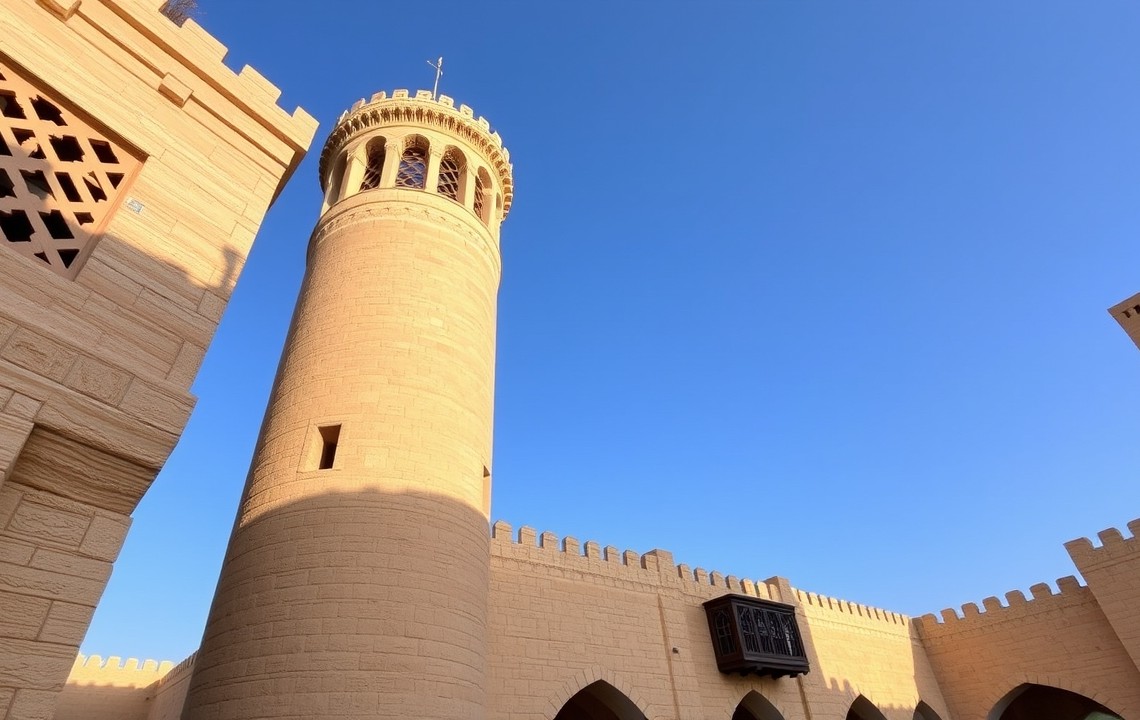
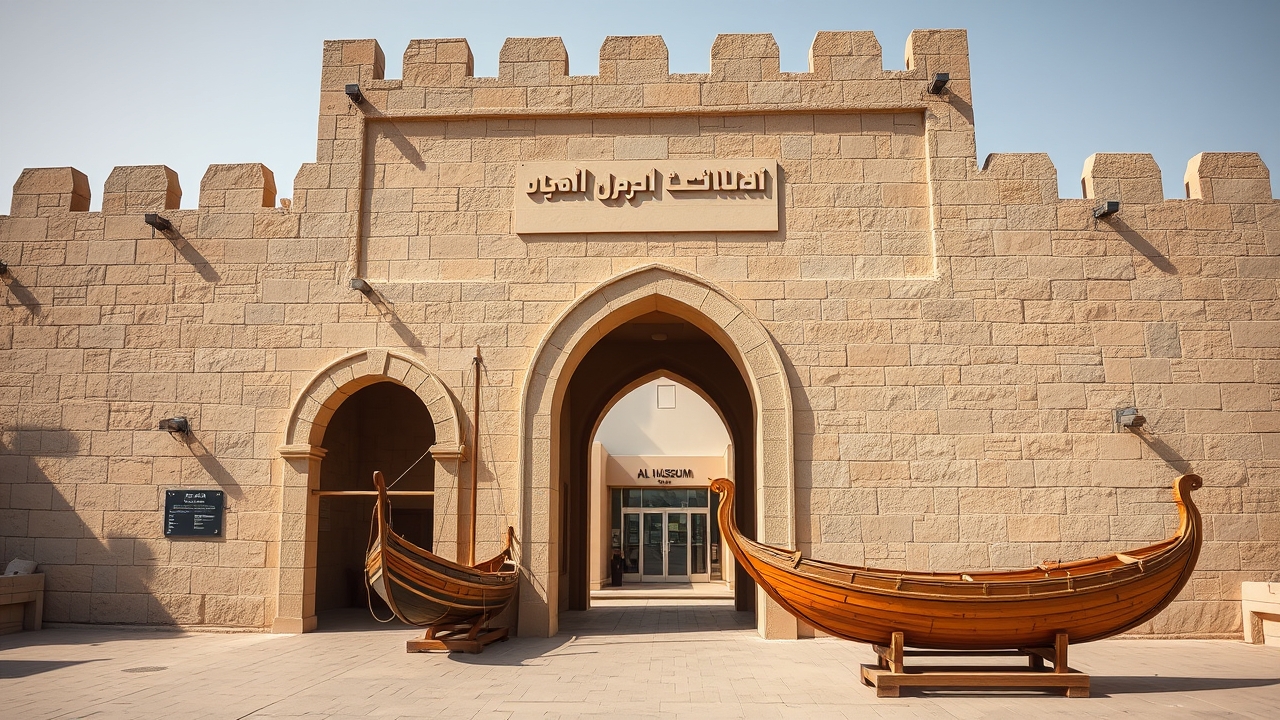
Al Seef is a 1.8-kilometer long destination that stretches along the banks of Dubai Creek. It is a masterful blend of the old and the new, featuring two distinct sections: one that mimics the heritage architecture of the mid-20th century and another that embraces sleek, modern aesthetics. The heritage section, with its weathered-look sandstone walls and windtower-inspired structures, offers a romanticized version of the past that is both educational and aesthetically pleasing.
The architecture of Al Seef is designed to tell a story. In the heritage zone, the buildings feature “sikka” (narrow alleyways) and barasti (palm frond) elements that reflect the ingenious ways early residents dealt with the desert heat.
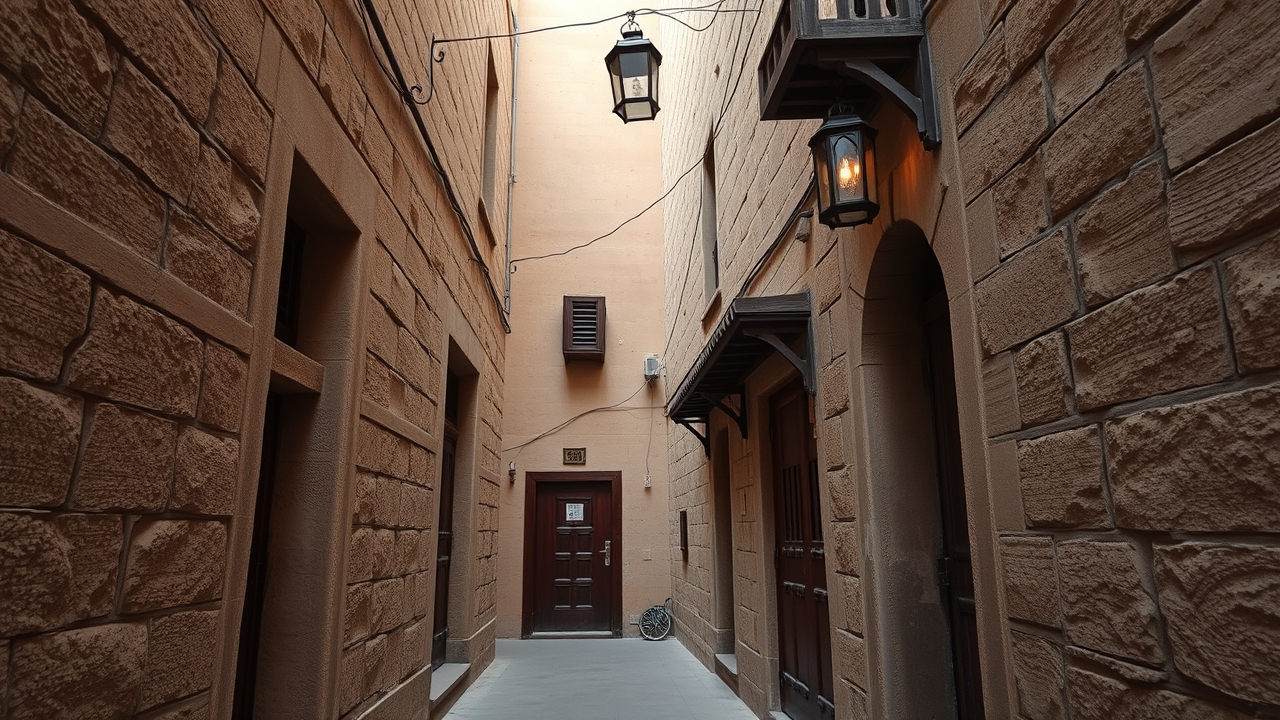
These designs are more than just decorative; they represent a deep respect for the architectural vernacular of the Gulf. Living in a serviced apartment here means waking up to views of traditional architecture while having all the modern amenities of a high-end residence.
For those planning a long-term stay, understanding the local landscape is vital. If you are a professional moving to the region, reviewing a guide to corporate housing in unfamiliar locations can help you navigate the nuances of the Dubai Creek area. The district is perfectly positioned for those who want to be close to the diplomatic enclave and the city’s financial centers while remaining connected to its roots.
The choice of accommodation defines the quality of a stay, especially in a city as diverse as Dubai. Many travelers are moving away from traditional hotel rooms in favor of more comprehensive living solutions. Here are several reasons why a serviced apartment is the superior choice for experiencing Old Dubai Heritage:
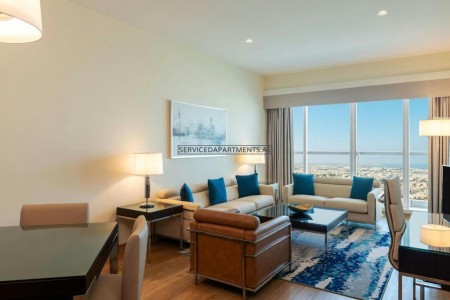
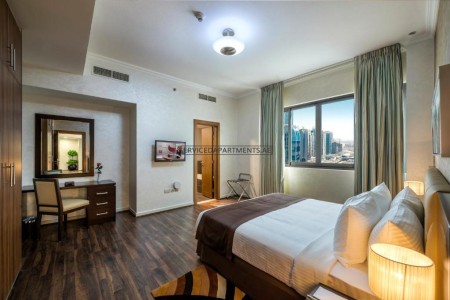
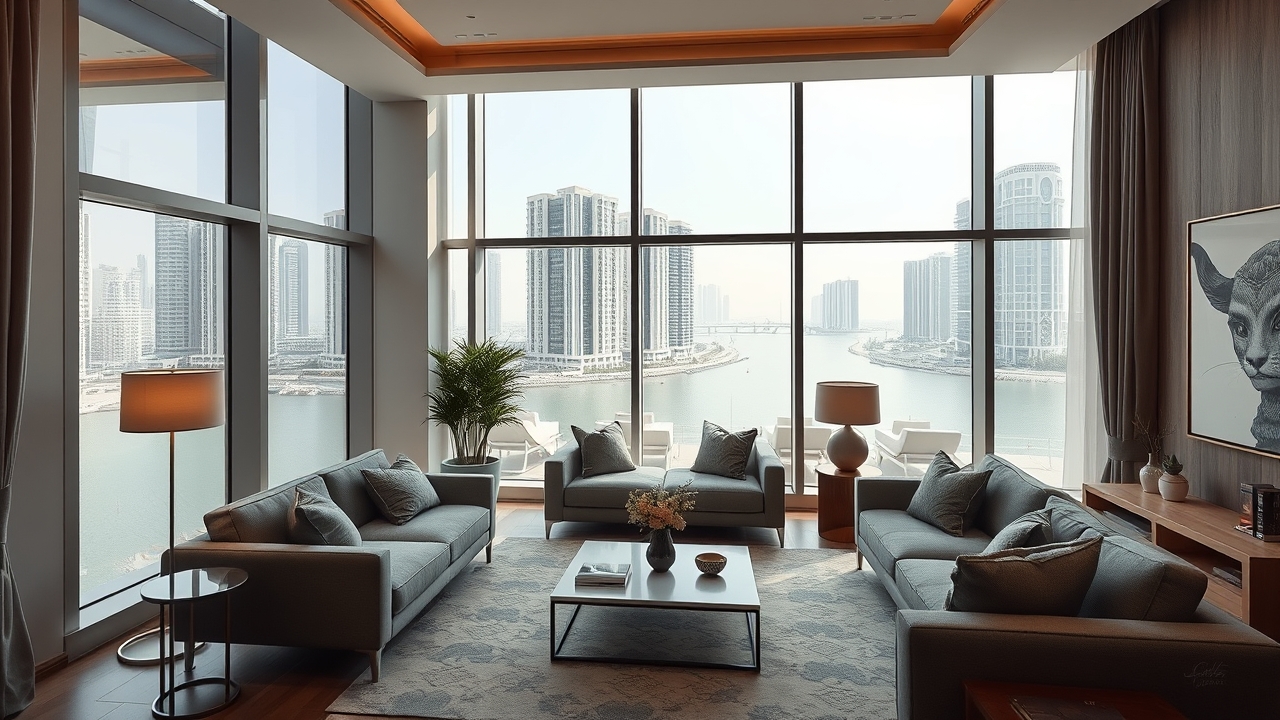
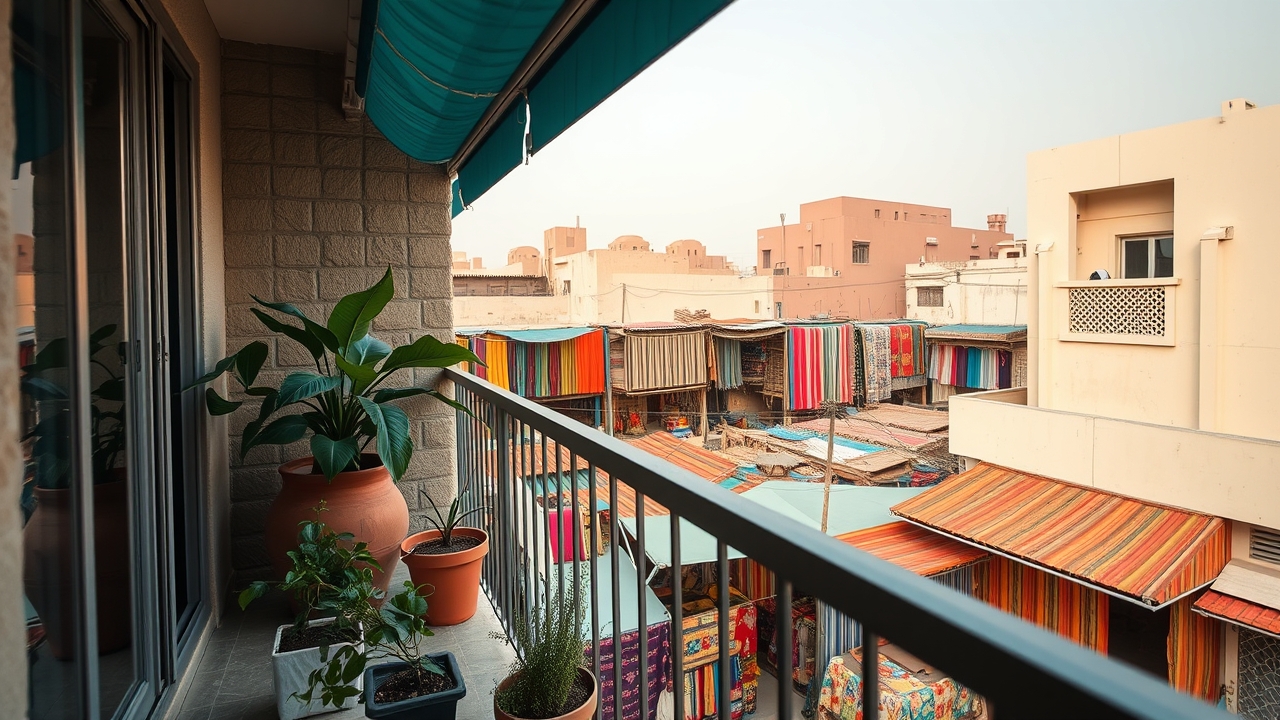
In the dense urban fabric of Old Dubai, space is a luxury. Serviced apartments provide significantly more square footage than standard hotel rooms. This extra room is essential for families or business travelers who need to set up a home office. When considering your options, it is helpful to look at the difference between a hotel and hotel apartments to see which configuration suits your lifestyle best. Many of the units in the Al Seef area offer stunning balconies overlooking the water, providing a private sanctuary to watch the world go by.
The beauty of staying in Al Seef is its walkability. From your doorstep, you can wander into the heart of the Al Fahidi Historical Neighborhood, formerly known as Bastakiya. This area is home to some of the oldest buildings in the city, many of which have been converted into art galleries, cafes, and museums like the Coffee Museum and the Coins Museum.
Walking through Al Fahidi is like stepping back in time. The narrow paths are shaded by high walls, and the windtowers (barjeel) still stand tall, once used to funnel cool air into the homes below.
For art enthusiasts, the Sikka Art Fair, often held in the cooler months, transforms these historic spaces into a vibrant canvas for local talent. If you are visiting during the peak season, be sure to check out november things to do dubai to catch these cultural highlights.
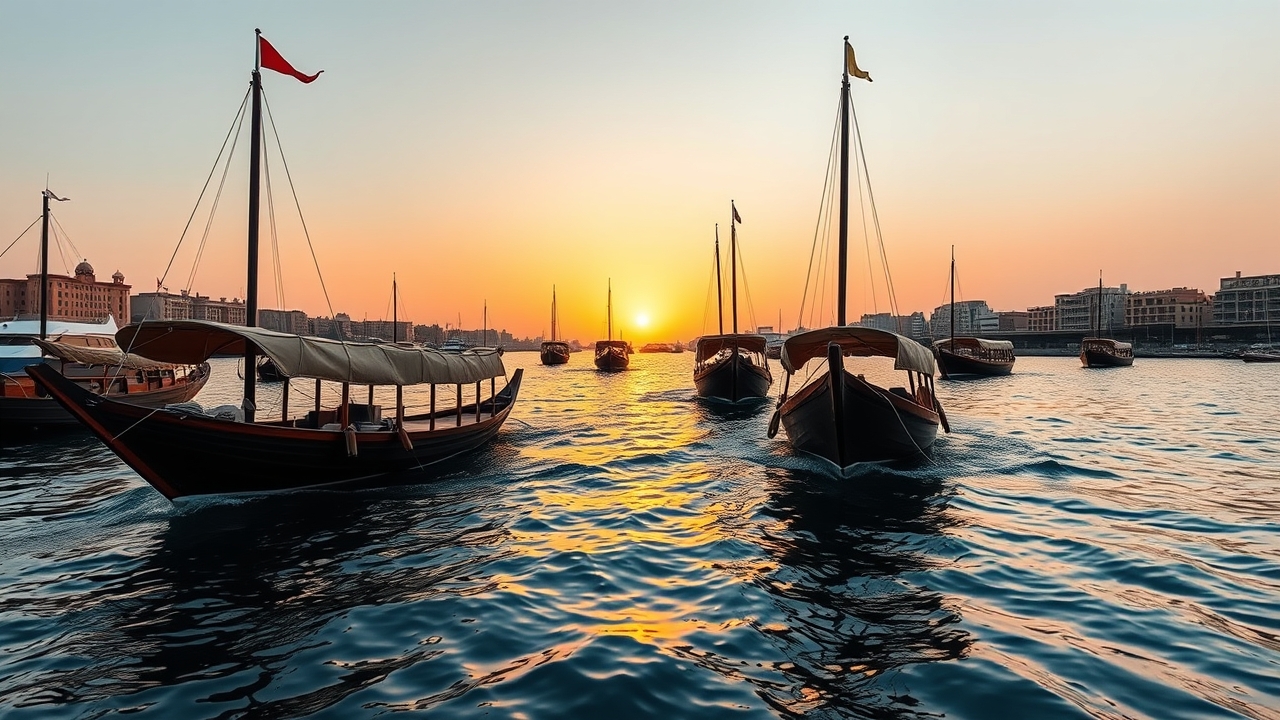
A short trip across the creek via a traditional abra—which costs only 1 AED—takes you to the Deira side. Here, the Gold Souk and the Spice Souk offer a masterclass in the art of Middle Eastern trade. The Roads and Transport Authority (RTA) maintains these water taxis as a vital link between the two halves of Old Dubai. Navigating these markets can be overwhelming at first, but having a home base nearby allows you to visit in the early morning or late evening when the crowds are thinner and the atmosphere is more authentic.
For those visiting Dubai for business or relocation, the area offers a strategic advantage. It is well-connected to the Dubai International Airport and the Dubai International Financial Centre (DIFC). However, long-term stays require careful planning. Knowing how to live out of a suitcase is an art form, but it becomes much easier when your accommodation includes ample storage and laundry facilities.
When searching for the perfect stay, use a comprehensive check-list for booking serviced apartments. Ensure the building offers high-speed internet, 24-hour security, and perhaps a fitness center.
In a historical area like Al Seef, it is also important to check for soundproofing, as the creek can be a busy, noisy waterway during the day.
| Feature | Serviced Apartment | Standard Hotel | Traditional Rental |
|---|---|---|---|
| Kitchen Facilities | Full Kitchen | Mini-bar only | Full Kitchen |
| Lease Term | Flexible (Daily/Monthly) | Short-term | Annual |
| Utilities Included | Yes | Yes | No |
| Housekeeping | Regular/Weekly | Daily | None |
Old Dubai truly comes alive during the cooler months. The Al Seef promenade becomes a hub for outdoor markets, live music, and cultural performances. For expatriates and visitors staying through the winter, the area offers a unique way to celebrate international holidays. There are many 5 special way to spend your christmas in dubai, and celebrating by the creek with a traditional dhow cruise dinner is among the most memorable.

The National Day celebrations in December are also a sight to behold in this district. The entire Al Seef area is draped in the UAE flag colors, and traditional dances like the Al Ayala are performed in the public squares. This is a prime time to see the city’s heritage in action, as locals and tourists alike gather to honor the history of the federation.
While Old Dubai offers plenty to see, its central location makes it easy to explore other emirates and districts. If you have extra time, consider looking into things to do in sharjah, which is only a short drive away and offers even more museums and historical sites. Sharjah is widely considered the cultural capital of the UAE, and its proximity to Deira makes it an easy day trip for history buffs.
Similarly, for those wanting to see the capital, checking out things to do abu dhabi is highly recommended. The contrast between the heritage of Al Seef and the grandeur of the Sheikh Zayed Grand Mosque in Abu Dhabi provides a complete picture of the UAE’s rapid development.
Modern living in a heritage district does not mean sacrificing convenience. Al Seef is packed with contemporary dining options, from Starbucks housed in a “shabby-chic” heritage building to high-end Emirati fusion restaurants.
The area is managed with the same precision as the rest of Dubai’s major developments. For property owners in the area, the rise of short-term rentals has led many to consider why to work with airbnb management company in dubai to ensure their units are maintained to the highest standards.
For visitors, the amenities include:
Finding suitable accommodation for the whole family, including four-legged members, can be challenging in a dense city. Fortunately, there is an increasing number of pet-friendly hotel apartments in dubai, including several options near the creek.
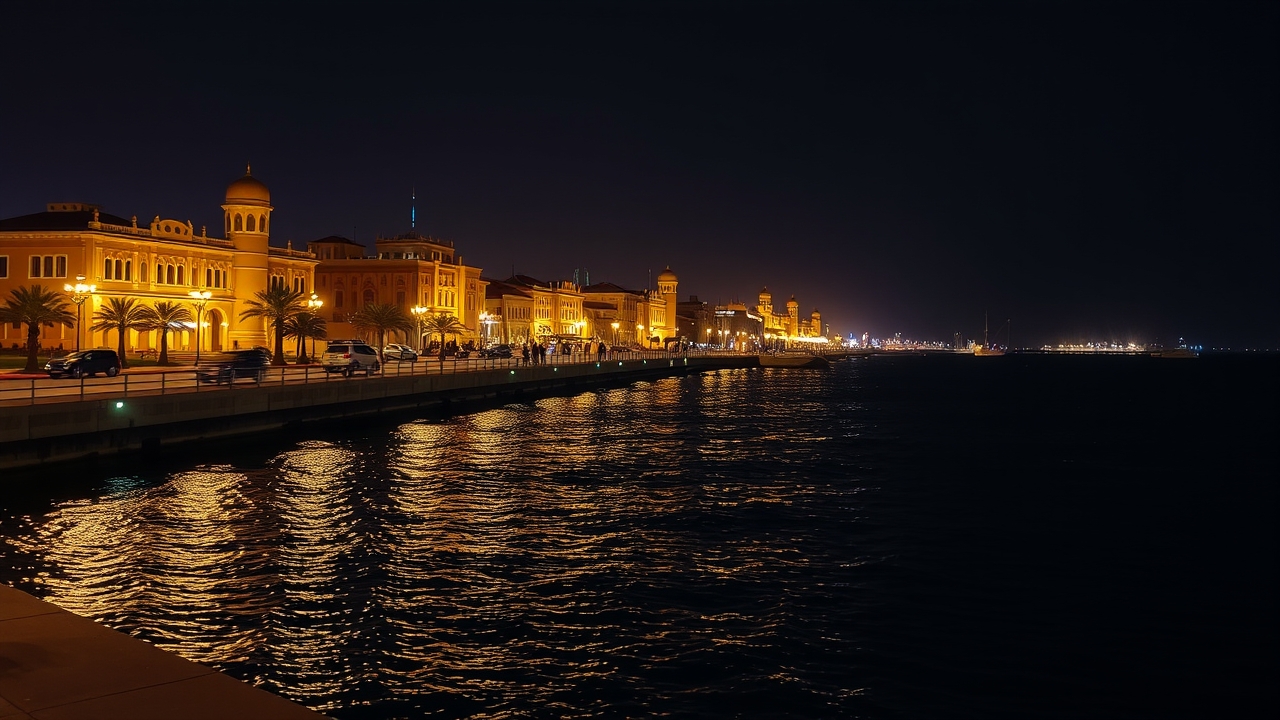
The promenade at Al Seef is a popular spot for evening walks, offering a safe and scenic environment for families.
Education is another draw for families staying long-term. Several of Dubai’s most established schools are located in the nearby Oud Metha and Jumeirah areas, making Bur Dubai a practical residential hub. The blend of educational opportunities and cultural exposure makes this area ideal for raising children with a global perspective.
In recent years, there has been a significant push toward sustainable tourism in the UAE. The Dubai Culture & Arts Authority has been instrumental in preserving the Al Fahidi district, ensuring that the increase in tourism does not come at the cost of the site’s integrity.
Serviced apartments contribute to this by encouraging longer stays, which reduces the carbon footprint associated with frequent travel and high turnover in hotels.
Many buildings in the area are now implementing green technologies, such as energy-efficient lighting and water conservation systems. As a guest, choosing to stay in a serviced apartment allows you to live more sustainably by managing your own energy consumption and waste, much like you would at home.
The Dubai Creek area is not a static museum; it is a living, breathing part of the city that continues to evolve. Projects like the Dubai Creek Harbour are set to redefine the skyline once again. Keeping an eye on dubais upcoming megaprojects reveals that while the heritage is being preserved, the future is being built just a few kilometers away. [IMAGE_9]
This constant evolution ensures that the value of property in Old Dubai remains high. For those looking to invest or stay, knowing how to find serviced apartments in dubai that balance historical charm with future growth is key. The Al Seef development is a prime example of how the city successfully bridges these two eras.
If you are looking for luxury, the area also boasts some of the top luxury hotel apartments in dubai. These properties offer concierge services, valet parking, and gourmet dining, ensuring that your experience of Old Dubai is as comfortable as it is culturally rich. Whether you are visiting for a week or a year, the heritage districts provide a sense of place that is hard to find elsewhere in the city.
Yes, Al Seef is specifically designed as a pedestrian-friendly destination. The 1.8km promenade is perfect for walking, and it connects directly to the Al Fahidi Historical Neighborhood.
The most authentic and quickest way is to take a traditional abra (water taxi) from the Bur Dubai Abra Station to the Deira Old Souk Station. It costs 1 AED and takes about 5 minutes.
Generally, yes. Serviced apartments provide more space, separate bedrooms, and kitchen facilities, which are essential for families who need more flexibility with meal times and space to relax.
The best time is between November and March, when the weather is pleasant enough to explore the outdoor souks and the Al Seef promenade comfortably.
Ultimately, choosing to stay in Al Seef or Old Dubai is a commitment to experiencing the authentic heart of the emirate. By opting for a serviced apartment, you gain the freedom to explore this heritage at your own pace, turning a standard holiday into a deeply personal journey through the history and culture of one of the world’s most dynamic cities.