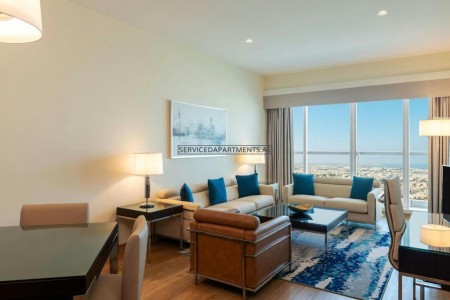
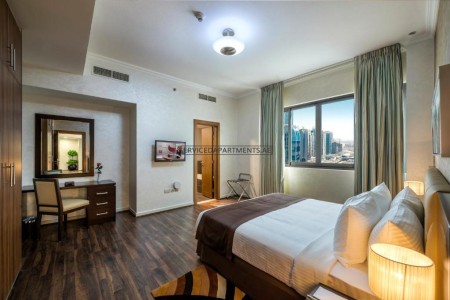
Freelancers in the UAE can rent an apartment without a salary certificate by providing alternative financial proofs such as six months of bank statements, a valid freelance license, or a significant upfront rental payment. Landlords often accept these alternatives to verify your ability to meet long-term financial commitments without corporate employment.
The Evolution of the Freelance Market in the United Arab Emirates
For decades, the United Arab Emirates has been synonymous with traditional corporate employment. The residency structure was built around the concept of a sponsor—usually an employer—who provided a visa and a steady salary. This salary was verified by a salary certificate, a document that served as the golden key to unlocking everything from bank accounts to car loans and residential leases. However, the landscape has shifted dramatically. The rise of the gig economy and the introduction of specialized freelance permits have transformed how Freelancers in UAE live and work.
Today, the government has streamlined the process for independent professionals to obtain legal residency through various freelance licenses. While the legal framework has modernized, the real estate market is still catching up. Many landlords and property management companies continue to ask for a salary certificate by default. This creates a hurdle for the independent consultant, the digital nomad, or the creative professional who earns a healthy income but does not have a traditional HR department to issue such a document. Understanding how to navigate this gap is essential for anyone looking to establish a home base in cities like Dubai or Abu Dhabi.
The Shift Towards Independent Work
The push for a more flexible labor market was accelerated by global trends, leading the UAE to introduce initiatives like the Green Visa and specific freelance permits issued by free zones such as Dubai Media City, Twofour54 in Abu Dhabi, and the Ajman Free Zone. These permits allow individuals to sponsor themselves and their families, providing a level of autonomy previously unseen in the region. Despite this autonomy, the rental market often relies on legacy systems where the salary certificate is viewed as the primary proof of financial stability. To overcome this, Freelancers in UAE must act as their own HR department, presenting a professional and comprehensive financial profile to prospective landlords.
Essential Documentation for Freelancers
If you cannot provide a salary certificate, you must provide a combination of documents that prove your income is both stable and sufficient. Landlords want to ensure that the rent will be paid on time and that you are a low-risk tenant. The following documents are typically required for Freelancers in UAE looking to secure a standard tenancy contract through the Ejari system.
Valid Freelance Permit: This is your most important document. It proves that you are legally authorized to work in the UAE. Whether it is a permit from the Dubai Development Authority (DDA) or the Ministry of Human Resources and Emiratisation (MOHRE), having a copy ready is non-negotiable.
Visa and Emirates ID: Your residency status is tied to your ability to rent. Landlords will require copies of your visa page and your Emirates ID to draft the tenancy contract.
Bank Statements: In the absence of a salary certificate, most landlords will request between three to six months of personal or business bank statements. This allows them to see the frequency and volume of incoming payments. Consistent deposits are often viewed as favorably as a fixed salary.
Trade License (if applicable): If you operate under a sole proprietorship or a micro-business license, providing the trade license adds another layer of legitimacy to your professional standing.
Passport Copy: A clear, color copy of your passport is a standard requirement for all administrative processes in the UAE real estate sector.
Strategies to Win Over Landlords
Negotiation is a key part of the rental process in the UAE. Since you are deviating from the standard requirement of a salary certificate, you may need to offer alternative incentives to put the landlord’s mind at ease. Landlords are often more flexible when they feel their financial risk is mitigated.
Prepayment and Cheque Frequency
The UAE rental market traditionally operates on a post-dated cheque system. While many salaried employees look for four, six, or even twelve cheques, Freelancers in UAE can significantly improve their chances by offering fewer cheques. If you have the capital, offering to pay the entire year’s rent in one or two cheques is a powerful negotiation tool. Not only does this often lead to a discount on the annual rent, but it also completely removes the landlord’s concern regarding your monthly income fluctuations.
Increasing the Security Deposit
The standard security deposit is usually 5% of the annual rent for unfurnished apartments and 10% for furnished ones. As a freelancer, offering a slightly higher security deposit can act as a guarantee of your good faith. This provides the landlord with a larger buffer in case of any issues, making them more likely to waive the requirement for a salary certificate. For those looking for long-term stability or perhaps looking into offplan properties for future residency, building a strong relationship with the real estate community is vital.
Navigating the Ejari System
Ejari is the government-mandated system for registering rental contracts in Dubai. It is essential for protecting your rights as a tenant. For Freelancers in UAE, getting an Ejari certificate is a straightforward process once the landlord agrees to the lease. You will need the standard documents mentioned above. The Ejari certificate is required to set up your DEWA (electricity and water) account, your internet connection, and even for sponsoring family members.
It is important to note that the Dubai Land Department (DLD) does not strictly require a salary certificate to register an Ejari; this is a requirement imposed by landlords and agencies. By understanding the official regulations of the DLD, you can confidently explain to landlords that your freelance status is legally recognized for tenancy agreements. If you encounter significant resistance, you can always seek professional guidance or reach out through contact-us portals of reputable agencies to find freelancer-friendly listings.
Top Residential Areas for Freelancers
Certain neighborhoods in the UAE are more accustomed to the freelance lifestyle than others. These areas often feature co-working spaces, high-speed internet infrastructure, and a demographic of young, independent professionals.
Jumeirah Village Circle (JVC): Popular for its affordability and a wide range of new buildings, JVC is a favorite for freelancers looking for more space for a home office.
Business Bay: Ideal for those who want to be in the heart of the city, Business Bay offers many modern apartments with views of the canal and easy access to meetings.
Dubai Silicon Oasis (DSO): As a tech hub, DSO is very welcoming to independent contractors and offers competitive rental rates.
Reem Island (Abu Dhabi): For those based in the capital, Reem Island provides high-rise living with excellent facilities, often preferred by those working with Abu Dhabi-based free zones.
Jumeirah Lakes Towers (JLT): With its proximity to the DMCC free zone, many landlords here are very familiar with the freelance permit structure.
Comparing Rental Options for Freelancers
The following table outlines the differences between various rental arrangements available to Freelancers in UAE.
Rental Type
Average Duration
Salary Certificate Needed?
Key Advantage
Standard Annual Lease
1 Year
Usually (can be negotiated)
Lower annual cost; Ejari protection
Short-term / Monthly
1-6 Months
Rarely
Maximum flexibility; all-inclusive bills
Co-living Spaces
Flexible
No
Networking opportunities; built-in community
Serviced Apartments
Monthly/Yearly
No
Housekeeping included; no utility setup
The Role of Real Estate Agents
A knowledgeable real estate agent can be a freelancer’s best ally. Agents who have experience with international clients and the startup ecosystem often know which landlords are open-minded. When you first contact an agent, be transparent about your status. Explain that while you don’t have a salary certificate, you have a valid permit and the bank statements to back it up. A good agent will pre-screen landlords for you, saving you time and preventing the frustration of having an application rejected late in the process.
Furthermore, according to the Official UAE Portal, the government is continuously making it easier for self-employed individuals to integrate into the economy. This includes the ability to open bank accounts more easily, which in turn makes the rental process smoother. If you find yourself struggling with the paperwork, do not hesitate to seek professional advice via contact-us forms to connect with specialists who understand the unique needs of Freelancers in UAE.
Financial Planning and the “Rental Buffer”
One of the challenges for Freelancers in UAE is the fluctuating nature of income. Before signing a lease, it is wise to have a “rental buffer” in your savings. This is typically three to six months of rent kept in a separate account. Not only does this provide you with peace of mind, but it also allows you to show a healthy balance on your bank statements during the application process. A landlord is much more likely to accept a freelancer who has a year’s worth of rent already sitting in their account than one who is living month-to-month.
Tax Considerations for Freelance Renters
While the UAE is famously tax-free for personal income, freelancers earning above 375,000 AED per year must register for VAT. If you are VAT-registered, your VAT returns can serve as another official document to prove your business turnover. This adds a layer of professionalism to your profile, showing that you are a compliant and successful business entity. This level of transparency is highly valued by property management companies in Dubai.
[IMAGE_6]
Common Pitfalls to Avoid
When navigating the rental market, Freelancers in UAE should be wary of certain practices that could lead to legal or financial trouble.
Sub-leasing without permission: Never rent a room from someone else without ensuring they have the landlord’s written permission to sub-let. This is often illegal and can lead to immediate eviction.
Skipping the Ejari: Always ensure your contract is registered. Without it, you have no legal standing in the event of a dispute with the landlord.
Ignoring the Fine Print: Check the contract for clauses regarding early termination. As a freelancer, your situation may change, and knowing the penalty for breaking a lease is crucial.
Over-committing: Just because you had a high-earning month doesn’t mean you should rent the most expensive penthouse. Stick to a budget that is sustainable during leaner months.
Frequently Asked Questions
Can I rent an apartment with a freelance visa?
Yes, a freelance visa is a valid residency permit that allows you to sign a tenancy contract in the UAE. You will need to provide your visa and Emirates ID as part of the application process.
What if I don’t have six months of bank statements?
If you are new to the country or have just started freelancing, you may need to offer a larger upfront payment (such as 1 or 2 cheques) or provide a guarantor who has a stable salary certificate in the UAE.
Are short-term rentals better for freelancers?
Short-term rentals offer more flexibility and usually do not require a salary certificate or post-dated cheques. However, they are significantly more expensive on a monthly basis than a long-term lease. They are a good option while you build up your local bank history.
Can a landlord refuse me because I am a freelancer?
Landlords have the right to choose their tenants based on their own risk assessment. However, by presenting a strong financial profile and offering favorable payment terms, you can overcome most objections related to your employment status.
Conclusion
Renting an apartment as a freelancer in the UAE requires a proactive and professional approach, but it is entirely achievable with the right preparation. By substituting the traditional salary certificate with robust bank statements, a valid freelance permit, and strategic negotiation—such as offering fewer cheques or a higher deposit—independent professionals can secure high-quality housing. As the UAE continues to embrace the freelance economy, the barriers to entry for independent workers are steadily decreasing, making it an ideal destination for global talent. For those ready to make their move or seeking further expert advice on the local market, reaching out to professionals via contact-us is the best next step toward securing your new home.
In 2026, Dubai's laundry sector has shifted toward AI-driven logistics and sustainable cleaning. Explore the best apps that offer door-to-door pickup and... Read More
Gyms with Co-Working Lounges in Dubai: The 2026 Executive Guide to Hybrid Fitness

 by
by